
 EN



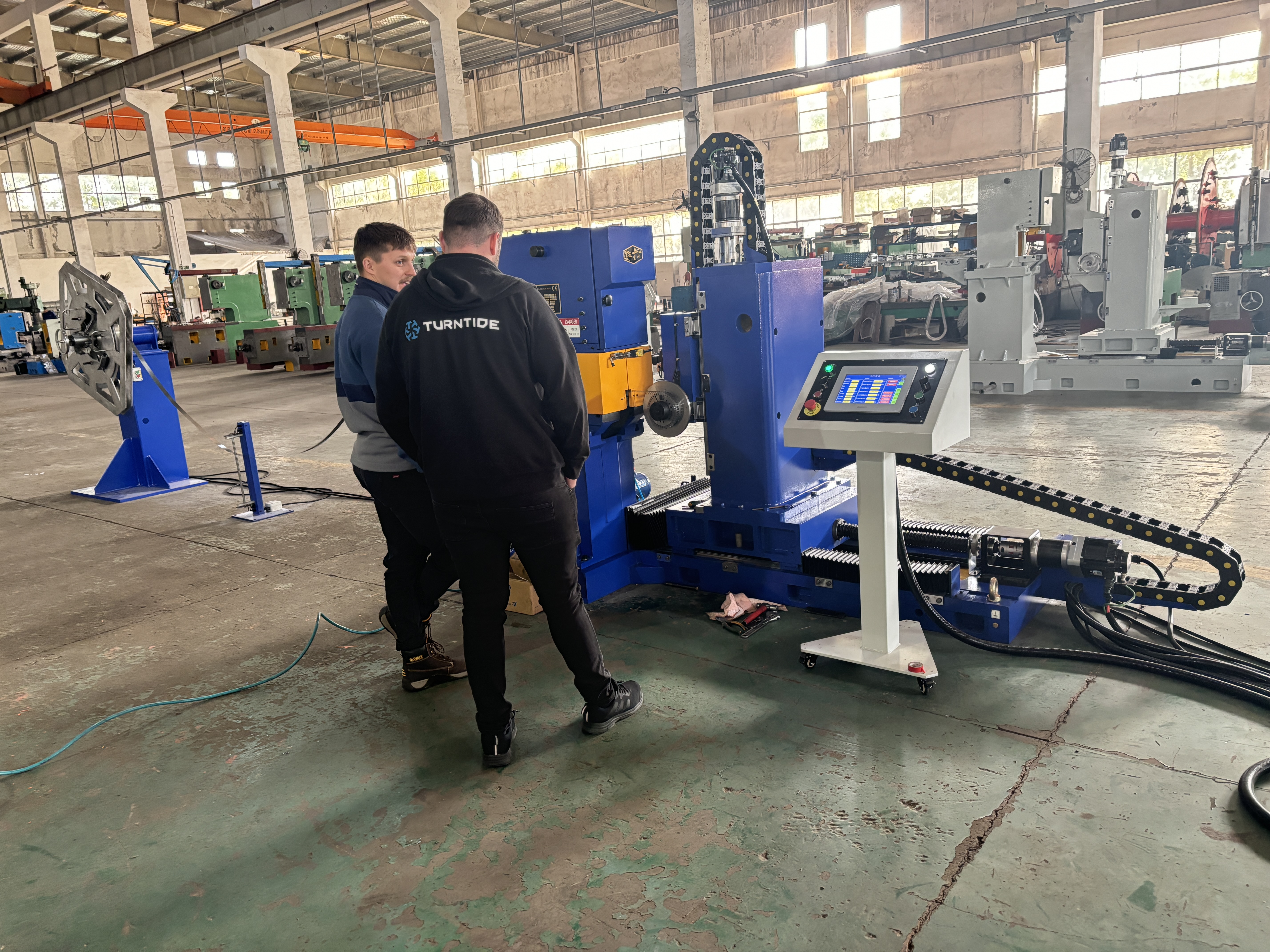
The modern electric motor manufacturing landscape demands precision, speed, and consistency that manual processes simply cannot deliver. An axial flux motor stator lamination machine represents a critical investment for manufacturers seeking to optimize production efficiency while maintaining exceptional quality standards. These automated systems address the complex challenges of stator lamination, where precision tolerances and high throughput volumes create significant operational pressure on traditional manufacturing approaches.
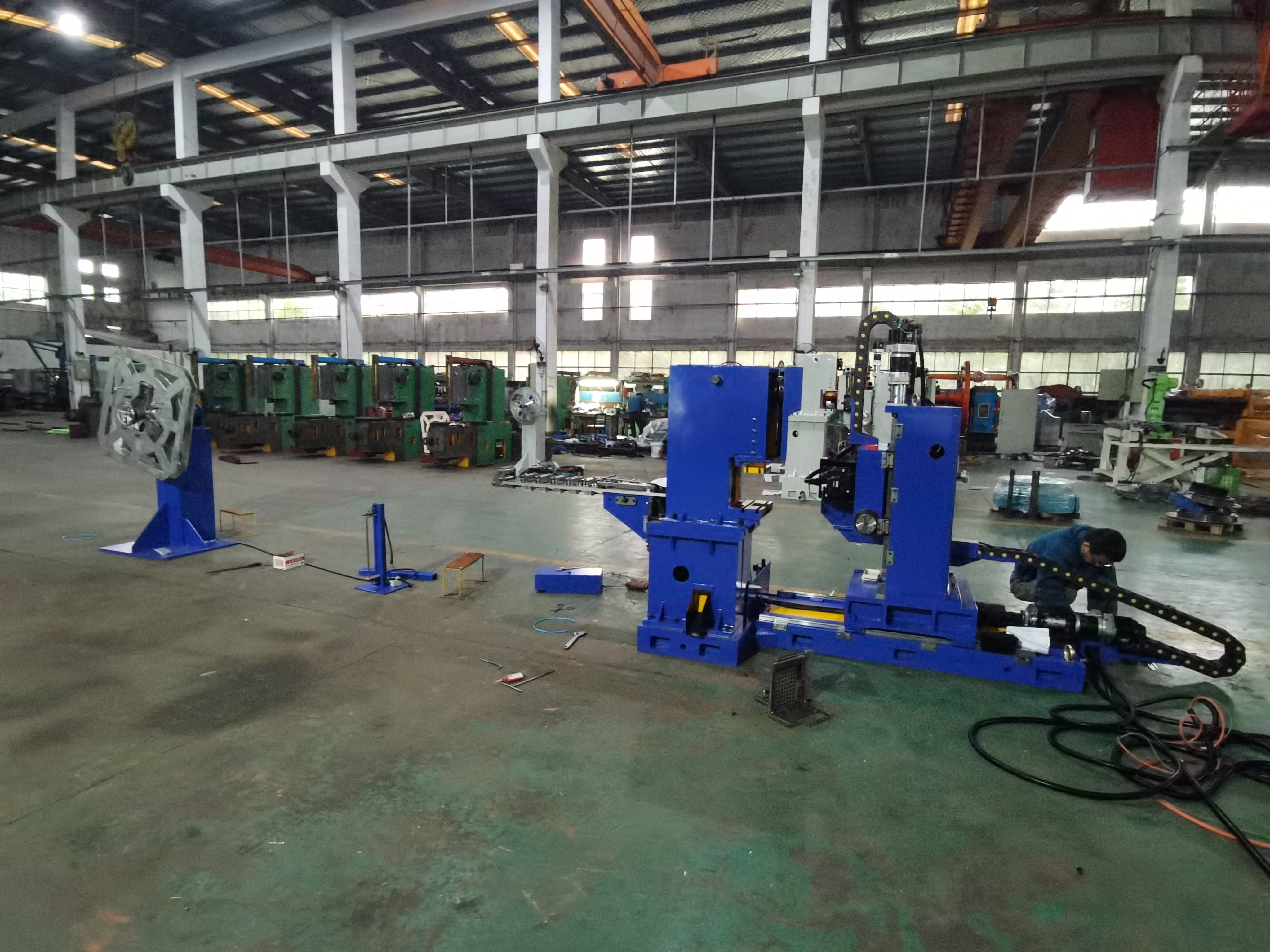
The axial flux motor stator lamination machine automates the critical process of stacking, aligning, and bonding laminated core sheets into finished stator assemblies. By combining servo-driven precision with intelligent control systems, an axial flux motor stator lamination machine delivers consistent dimensional accuracy, reduces material waste, and accelerates production cycles. Understanding how these systems function and which capabilities matter most for your operation is essential for making an informed technology investment.
Core Functionality and Technical Capabilities
Automated Stacking and Alignment Precision
The foundational strength of an axial flux motor stator lamination machine lies in its ability to stack lamination sheets with micron-level accuracy. Each sheet must be positioned exactly to create the electromagnetic paths that define motor performance. An advanced axial flux motor stator lamination machine uses servo motors and vision-based feedback systems to verify sheet placement, detect misalignment, and automatically correct positioning errors in real time. This automated alignment capability eliminates the human variability that often leads to quality defects, rework costs, and production delays.
Integrated Bonding and Curing Systems
Once sheets are stacked, the axial flux motor stator lamination machine applies adhesive or performs thermal bonding to create a rigid, unified core structure. Many advanced systems integrate heating chambers or ultrasonic bonding modules directly into the machine frame, allowing seamless transition from stacking to bonding without manual handling or material transfer. This integrated approach within an axial flux motor stator lamination machine reduces cycle time, minimizes defect introduction points, and ensures repeatable bonding quality across every unit produced.
Production Efficiency and Cost Reduction Impact
Throughput Acceleration and Labor Cost Optimization
Manufacturing facilities implementing an axial flux motor stator lamination machine typically report significant throughput improvements, often doubling or tripling the stators completed per shift compared to manual lamination workflows. The axial flux motor stator lamination machine operates continuously without fatigue, managing multiple assembly steps in sequence without requiring operator intervention between stages. This shift from labor-intensive manual assembly to fully automated production means manufacturers can redeploy skilled personnel to higher-value engineering and quality oversight roles, effectively reducing per-unit labor costs while building a more sustainable workforce strategy.
Material Waste Reduction and Scrap Minimization
Precision is directly tied to cost in stator manufacturing. When an axial flux motor stator lamination machine maintains exact alignment and bonding quality, the incidence of scrap, rework, and field failures drops substantially. Manual processes often produce dimensional inconsistencies that lead to balance issues, core losses, or mechanical failures requiring expensive rework. The automated accuracy of an axial flux motor stator lamination machine reduces scrap rates by 15 to 30 percent in many operations, translating to significant material cost savings across large production volumes. Additionally, improved stator consistency reduces warranty claims and field service costs downstream.
Integration and Deployment Considerations
System Scalability and Flexible Production Configurations
Modern facilities must respond to changing product mixes and volume demands, making adaptability a key requirement for any production investment. A strategic axial flux motor stator lamination machine deployment includes modular design features that allow quick changeover between different stator geometries, lamination stack heights, and bonding parameters. Computer-controlled recipe management enables operators to save and recall specific configurations for each motor design, reducing setup time from hours to minutes. This flexibility ensures an axial flux motor stator lamination machine remains productive across multiple product lines, protecting capital investment even as market demands shift.
Quality Assurance and Process Monitoring
Data-driven quality management has become essential for competing in regulated industries and demanding OEM environments. An effective axial flux motor stator lamination machine includes built-in sensors and logging systems that capture dimensional measurements, bonding parameters, and cycle times for every assembly produced. Real-time dashboards and automated alerts allow quality teams to detect drift or anomalies immediately, enabling corrective action before defective parts enter inventory. This continuous process monitoring converts the axial flux motor stator lamination machine into a quality intelligence tool, supporting traceability requirements and continuous improvement initiatives.
Strategic Selection and Implementation Framework
Matching Machine Capabilities to Production Requirements
Choosing the right axial flux motor stator lamination machine begins with a realistic assessment of your production volume, stator geometry complexity, and quality standards. High-volume operations benefit from purpose-built systems optimized for speed and repeatability, while custom or lower-volume manufacturers may prioritize flexibility and changeover capability in their axial flux motor stator lamination machine selection. Evaluate whether your specific stator designs require special clamping arrangements, custom heating profiles, or advanced vision systems. An axial flux motor stator lamination machine tailored to your actual requirements delivers far better return on investment than over-specified or under-capable generic equipment.
Long-Term Partnership and Support Strategy
Successful implementation of an axial flux motor stator lamination machine extends beyond initial installation. Partner with equipment providers offering comprehensive training, responsive technical support, and readily available spare parts to minimize downtime. The most reliable axial flux motor stator lamination machine vendors provide operator certification programs, process optimization consulting, and regular maintenance schedules that maximize equipment longevity and production uptime. Long-term support relationships reduce hidden costs and ensure your technology investment continues delivering value throughout its operational life.
FAQ
What production volume justifies investing in an axial flux motor stator lamination machine?
Automated axial flux motor stator lamination machine investments typically show positive return on investment when production volumes exceed 10,000 to 15,000 stators annually, depending on stator complexity and current labor costs. Manufacturers with smaller volumes may explore shared equipment facilities or contract manufacturing partnerships. However, quality and consistency benefits often justify earlier investment, especially in regulated industries or OEM supply chains where field failures carry significant liability and reputation risk.
How does an axial flux motor stator lamination machine handle different stator designs?
Modern axial flux motor stator lamination machine systems feature programmable control systems that store multiple product recipes, each defining sheet count, bonding parameters, clamping pressure, and heating profiles. Operators switch between configurations using an intuitive interface, with the machine automatically adjusting tooling and process parameters. Setup time typically ranges from 15 to 45 minutes depending on complexity, making an axial flux motor stator lamination machine practical for operations producing multiple motor variants on the same platform.
What environmental and safety considerations apply to axial flux motor stator lamination machine operation?
An axial flux motor stator lamination machine typically operates in standard factory environments without special ventilation requirements when using modern adhesive formulations. Heating zones generate localized warmth but integrated guards prevent operator contact. Operators should receive training on emergency stop procedures, material handling ergonomics, and maintenance protocols. Environmental compliance generally requires proper adhesive waste disposal and electrical safety certification, both of which reputable axial flux motor stator lamination machine manufacturers address through design and documentation.