
 EN



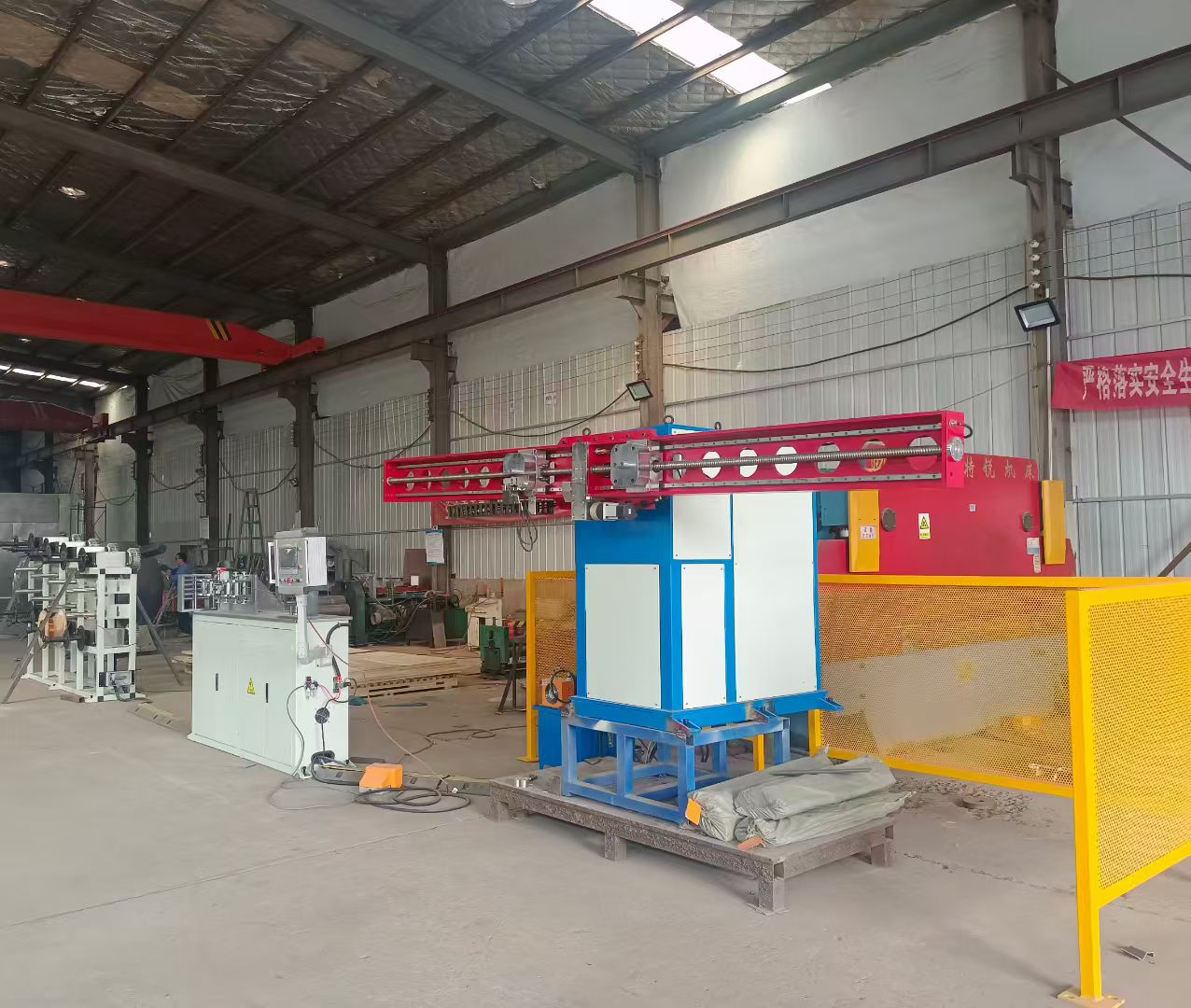
Energy sector plants demand equipment that can withstand extreme operational conditions while maintaining consistent performance over decades. The high voltage motors making machine has become a critical investment for manufacturers and facility operators seeking to produce or source motors capable of handling demanding industrial environments. These specialized machines represent a convergence of precision engineering, advanced materials science, and rigorous quality control that directly impacts plant reliability, safety, and long-term operational costs.
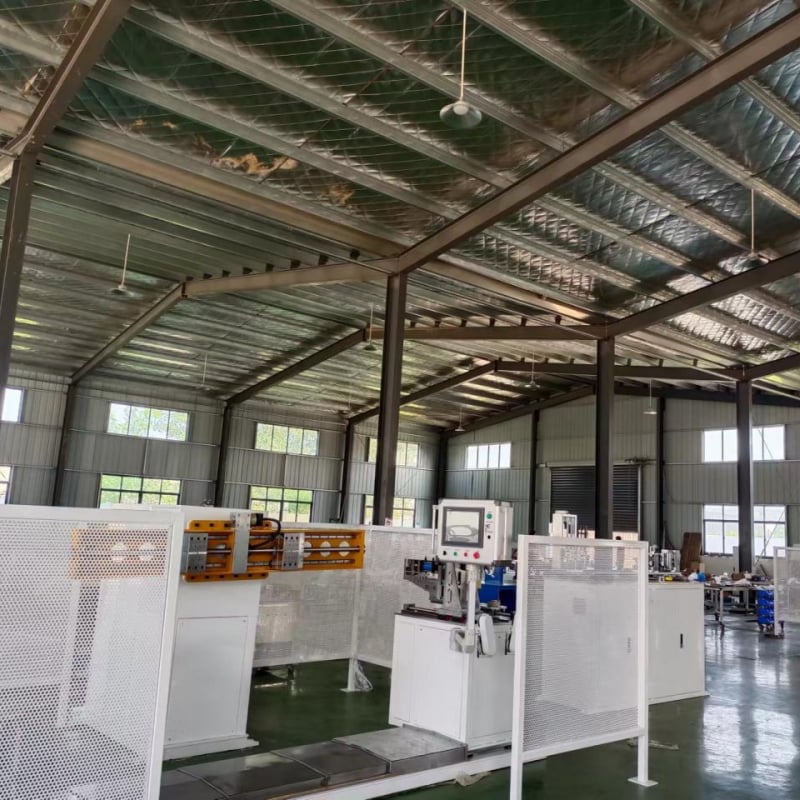
Understanding the value proposition of a high voltage motors making machine requires examining how equipment durability directly translates to reduced downtime, lower maintenance costs, and improved regulatory compliance across energy generation facilities. Organizations operating thermal, hydroelectric, nuclear, or renewable energy installations understand that motor failures cascade into production losses, safety risks, and substantial financial penalties. A high voltage motors making machine engineered for durability becomes an essential competitive advantage.
Core Durability Standards in Motor Manufacturing
Material Selection and Engineering Specifications
The foundation of any durable high voltage motors making machine lies in the precise selection and processing of raw materials. Manufacturers must employ insulation systems rated for continuous operation at elevated temperatures, typically ranging from 155°C to 180°C or higher depending on motor class. Advanced high voltage motors making machine systems integrate vacuum pressure impregnation (VPI) technology, ensuring complete saturation of winding surfaces and elimination of air pockets that could trigger premature failure under thermal stress.
Lamination stacking quality directly influences motor efficiency and thermal management. A robust high voltage motors making machine incorporates precision grinding and stamping processes that minimize core losses and eddy current generation. Bearing selection becomes equally critical—angular contact or cylindrical roller bearings rated for the specific speed and load profiles typical of energy sector applications ensure mechanical stability across the motor's operational lifespan. Every component processed through a high voltage motors making machine must meet IEC, NEMA, or equivalent international standards for voltage rating, insulation class, and mechanical strength.
Quality Control and Testing Protocols
Durability cannot be claimed without rigorous validation. A high voltage motors making machine that produces genuinely reliable motors must incorporate comprehensive testing at every production stage. Partial discharge testing identifies incipient insulation weaknesses before motors reach customer sites. Hipot testing—applying voltage stresses 1.5 to 2 times rated voltage—verifies insulation integrity under extreme electrical conditions. Thermal cycling tests simulate years of operational stress in compressed timeframes, exposing potential failure modes that simple static testing would miss.
Motors manufactured on a quality high voltage motors making machine undergo performance validation including no-load loss measurement, locked-rotor testing, and vibration analysis. These systematic procedures ensure that each unit leaving the production facility meets documented durability criteria. Energy sector plants increasingly demand third-party certification and complete test documentation, making the testing capabilities of your high voltage motors making machine a direct competitive differentiator.
Real-World Durability Requirements Across Energy Applications
Thermal Power and Coal-Fired Facilities
Thermal power generation environments impose relentless demands on motor equipment. Cooling tower duty motors, feedwater pump drives, and fan motors operate continuously under vibration, temperature fluctuations, and ambient moisture exposure. A high voltage motors making machine must produce motors with robust cast iron or aluminum frames capable of resisting corrosion from humidity and chemical vapors inherent to power plant environments. The winding insulation system chosen must tolerate partial immersion conditions and maintain electrical integrity despite moisture ingress.
Vibration represents another critical design consideration for motors serving thermal plants. Rolling mill drives, crusher motors, and induced draft fan motors all generate mechanical stress that accumulates over time. high voltage motors making machine technology that incorporates dynamic balancing, reinforced bearing housings, and optimized rotor design directly extends motor service intervals. Thermal power operators expect motor overhaul intervals of 5–8 years minimum, and achieving this requires manufacturing equipment that never compromises on mechanical construction quality.
Renewable Energy and Grid Support Applications
Wind energy installations, solar thermal systems, and hydroelectric facilities present distinct durability challenges. Variable load profiles and rapid duty cycle transitions stress motors differently than steady-state thermal generation. A high voltage motors making machine producing motors for renewable applications must accommodate soft-start compatibility, partial load efficiency optimization, and rapid thermal cycling resilience. Hydroelectric pump-turbine motor-generator units demand extreme overload capacity and directional reversal capability—specifications that require high voltage motors making machine processes capable of reinforcing stator cores against magnetic flux reversals.
Grid frequency regulation duties increasingly require motors capable of operating at variable speeds with minimal efficiency loss. Advanced high voltage motors making machine systems can now produce motors specifically designed for converter-fed operation, with enhanced voltage surge withstand capability and partial discharge margins optimized for PWM voltage waveforms. This specialized capability directly supports energy sector operators managing grid stability challenges.
Selecting Equipment for Sustainable Long-Term Production
Manufacturing Capability Assessment
Choosing a high voltage motors making machine requires systematic evaluation of production capacity, technological sophistication, and support infrastructure. Motor manufacturers must first assess required output volume, specifying whether the high voltage motors making machine should handle frame sizes from 160 to 315 or extend into larger industrial duty ratings. Automated winding systems, precision boring and balancing centers, and integrated vacuum pressure impregnation facilities separate genuinely durable equipment from basic machinery.
The high voltage motors making machine supplier's track record within the energy sector provides essential perspective on durability performance in real-world conditions. Reference installations operating for 10+ years without major component redesign indicate robust engineering. Documentation of mean time between failures (MTBF), warranty claim rates, and field failure root cause analysis reveals whether theoretical durability specifications translate into actual operational performance. Energy sector plants cannot afford experimental equipment—they require proven high voltage motors making machine technology with established reliability history.
Integration with Existing Quality Infrastructure
Successfully implementing a high voltage motors making machine requires alignment with existing quality management systems, environmental compliance frameworks, and safety protocols. The equipment must integrate seamlessly with ISO 9001 quality procedures, provide complete traceability documentation for every motor serial number, and facilitate regulatory compliance across jurisdictions where manufactured motors will operate. A high voltage motors making machine incapable of generating comprehensive production records, test data, and performance certificates creates unacceptable liability for energy sector customers.
Maintenance accessibility and spare parts availability directly impact long-term durability performance. A high voltage motors making machine supported by responsive technical service, comprehensive training programs, and readily available replacement components ensures consistent output quality over 15–20 year equipment lifespans. Energy sector plants increasingly prefer single-source equipment partnerships where high voltage motors making machine suppliers provide ongoing technological support and continuous improvement recommendations based on field performance data.
FAQ
How does a high voltage motors making machine ensure durability compared to basic motor production equipment?
A specialized high voltage motors making machine incorporates advanced insulation impregnation systems, precision core lamination processing, dynamic balancing at operating speeds, and comprehensive electrical testing that basic equipment simply cannot deliver. These systematic quality interventions directly translate to extended motor service life, reduced failure rates in energy sector service, and proven reliability across thousands of operating hours.
What testing standards should a high voltage motors making machine satisfy for energy sector applications?
Energy sector motors must comply with IEC 60034 series standards for rotating machinery, including voltage withstand testing, insulation resistance measurement, thermal endurance verification, and vibration limits. A competent high voltage motors making machine integrates testing protocols that verify compliance with NEMA MG-1, IEEE 841, or equivalent industrial standards specific to the application environment—thermal power, hydroelectric, renewable, or grid support duty.
Can a high voltage motors making machine accommodate custom specifications for specialized energy applications?
Modern high voltage motors making machine technology supports configurable production parameters including custom frame designs, specialized winding arrangements, enhanced thermal management systems, and application-specific material selections. This flexibility enables manufacturers to produce motors optimized for unique energy sector challenges—whether extreme temperature swings, variable load profiles, converter-fed operation, or stringent environmental exposure conditions.
Table of Contents
- Core Durability Standards in Motor Manufacturing
- Real-World Durability Requirements Across Energy Applications
- Selecting Equipment for Sustainable Long-Term Production
-
FAQ
- How does a high voltage motors making machine ensure durability compared to basic motor production equipment?
- What testing standards should a high voltage motors making machine satisfy for energy sector applications?
- Can a high voltage motors making machine accommodate custom specifications for specialized energy applications?