
 EN



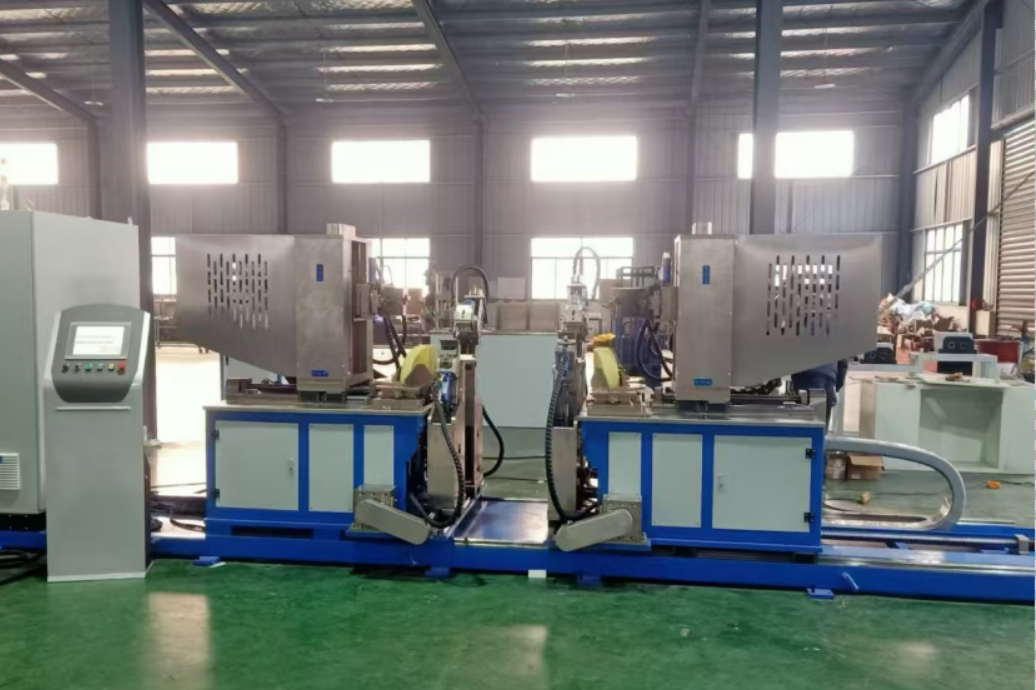
Modern manufacturing demands precision, speed, and reliability when producing high voltage motors making machine technology that can handle demanding industrial applications. The stator represents one of the most critical components in motor assembly, requiring exacting tolerances and consistent quality across every unit. A high voltage motors making machine designed specifically for stator production delivers measurable improvements in output consistency, labor efficiency, and overall manufacturing competitiveness in today's fast-paced industrial landscape.
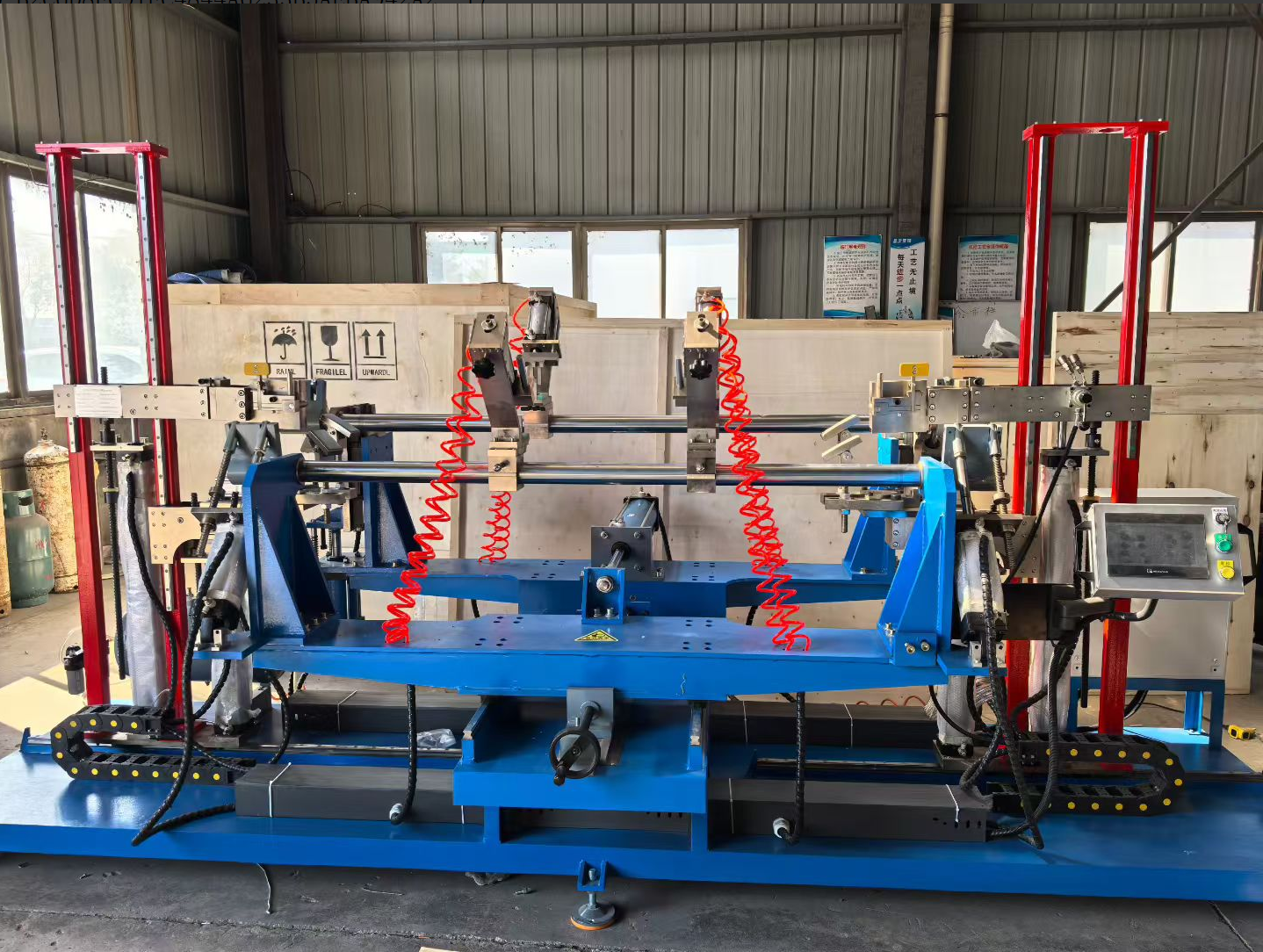
Stator production represents a bottleneck in many motor manufacturing operations, where traditional manual methods struggle to meet rising demand while maintaining quality standards. A high voltage motors making machine automates the winding, stamping, and assembly processes, significantly reducing production cycle times and eliminating human error that commonly occurs during repetitive stator fabrication tasks. Understanding how this equipment enhances production capabilities helps manufacturers make informed decisions about modernizing their operations.
How High Voltage Motors Making Machine Improves Stator Winding Accuracy
Precision Winding Technology in High Voltage Motors Making Machine Systems
The core advantage of a high voltage motors making machine lies in its ability to wind stator coils with extreme precision that manual techniques cannot match. Advanced servo-driven systems control wire tension, rotation speed, and positioning to within fractions of a millimeter, ensuring uniform coil geometry across every stator produced. This precision directly impacts motor performance characteristics including efficiency, power factor, and thermal stability under operational stress.
A high voltage motors making machine eliminates the variability inherent in hand-wound coils by maintaining consistent tension throughout the winding process. When wire tension fluctuates, it compromises the final magnetic field uniformity and can lead to hotspots during operation. The automated control systems in advanced high voltage motors making machine equipment detect and correct tension deviations in real time, delivering stators that meet stringent quality specifications repeatedly.
Stator Stamping and Lamination Precision
Beyond winding, a high voltage motors making machine integrates stamping and lamination stations that shape stator cores with hydraulic precision. The laminated steel stack that forms the stator core must maintain exact specifications to avoid magnetic losses and inefficiency. Modern high voltage motors making machine systems press laminations with force regulation that adapts to material thickness variations, preventing deformation while achieving proper compression density.
The stamping dies used in high voltage motors making machine operations produce perfectly aligned slot geometry that accommodates coil placement without gaps or misalignment. This precision prevents coil movement during operation, which can cause vibration, noise, and premature winding failure in high voltage motors making machine output. Advanced tooling in these systems ensures that every stator core meets dimensional specifications critical for motor reliability.
Increasing Production Throughput With High Voltage Motors Making Machine Technology
Cycle Time Reduction and Output Scaling
Manufacturing facilities implementing a high voltage motors making machine typically achieve 40 to 60 percent reductions in stator production cycle times compared to manual assembly methods. Automated winding, stamping, and assembly sequences run continuously without the fatigue-related slowdowns that affect human operators performing repetitive tasks. A high voltage motors making machine designed for high-volume production can complete stators that previously required several hours in a fraction of that time.
Scalability becomes straightforward when transitioning to a high voltage motors making machine system, as production increases simply by extending shift hours or adding parallel production lines rather than hiring and training additional skilled workers. The consistent performance of a high voltage motors making machine means that output quality remains stable whether running 8-hour or 24-hour shifts, avoiding the quality deterioration that occurs when fatigued manual workers try to maintain speed.
Labor Reallocation and Workforce Efficiency
Investment in a high voltage motors making machine frees skilled technicians from repetitive winding and stamping tasks, allowing them to focus on quality inspection, maintenance, and process optimization activities that demand human expertise. Rather than replacing workers entirely, a high voltage motors making machine shifts labor toward higher-value functions that improve overall manufacturing competitiveness. Operators working with a high voltage motors making machine system typically experience improved job satisfaction and lower injury rates compared to workers performing manual coil winding repetitively.
Quality Control and Consistency Benefits of High Voltage Motors Making Machine Systems
Real-Time Monitoring and Defect Prevention
Advanced high voltage motors making machine equipment incorporates sensor networks that monitor dozens of parameters during every production cycle, providing immediate feedback that prevents defective parts from reaching assembly stages. Winding tension sensors, temperature monitors, position encoders, and pressure transducers continuously validate that each stator conforms to specifications. When a high voltage motors making machine detects deviation from acceptable ranges, it either self-corrects or halts production before the defect propagates to completed units.
The real-time data captured by a high voltage motors making machine system enables predictive maintenance scheduling that prevents unexpected equipment failures during production. Historical performance trending shows which components approach end-of-life status, allowing technicians to replace them proactively rather than experiencing sudden breakdowns. This capability distinguishes modern high voltage motors making machine technology from older automation systems that lack intelligent monitoring and diagnostics.
Consistency Across Production Batches and Long Runs
Stator quality variations that often occur when switching production batches become virtually eliminated when using a high voltage motors making machine with precise parameter control and memory storage. A high voltage motors making machine can store hundreds of different motor specifications in its control system, allowing instant setup for different stator types without manual adjustments or trial runs. This consistency proves especially valuable for manufacturers serving multiple customers with different motor requirements, as a high voltage motors making machine maintains quality standards across all product variations.
Long production runs with a high voltage motors making machine maintain identical quality from the first stator to the final unit, whereas manual assembly tends to show gradual quality decline as workers tire. This uniform consistency reduces warranty claims, improves customer satisfaction, and strengthens market reputation for manufacturers leveraging modern high voltage motors making machine technology in their operations.
FAQ
What production capacity should a high voltage motors making machine have for typical manufacturing operations?
Capacity requirements depend on your motor types, production volumes, and market demand forecasts. A high voltage motors making machine for small-to-medium operations typically produces 50 to 150 stators per shift, while larger systems handle 200 to 500 units daily. Evaluate your current backlog and projected growth before selecting a high voltage motors making machine capacity level, as undersizing limits growth while oversizing wastes investment on unused capability.
How does a high voltage motors making machine reduce material waste in stator production?
Precise wire feeding and cutting systems in a high voltage motors making machine minimize excess wire trimming compared to manual winding methods that often cut longer than necessary. Advanced stamping technology in a high voltage motors making machine optimizes lamination layouts to reduce scrap material, particularly important as steel prices fluctuate. Integrated waste management in modern high voltage motors making machine systems segregates scrap materials for recycling, turning waste reduction into cost recovery opportunities.
What maintenance requirements apply to operating a high voltage motors making machine effectively?
Routine maintenance for a high voltage motors making machine includes wire tensioner calibration, hydraulic fluid changes, servo motor lubrication, and stamping die inspection at scheduled intervals. Most high voltage motors making machine systems require daily cleaning of work surfaces and weekly inspection of wear components to maintain precision tolerances. Preventive maintenance protocols specific to your high voltage motors making machine model ensure maximum uptime and consistent output quality throughout the equipment's operational life.
Table of Contents
- How High Voltage Motors Making Machine Improves Stator Winding Accuracy
- Increasing Production Throughput With High Voltage Motors Making Machine Technology
- Quality Control and Consistency Benefits of High Voltage Motors Making Machine Systems
-
FAQ
- What production capacity should a high voltage motors making machine have for typical manufacturing operations?
- How does a high voltage motors making machine reduce material waste in stator production?
- What maintenance requirements apply to operating a high voltage motors making machine effectively?