
 EN



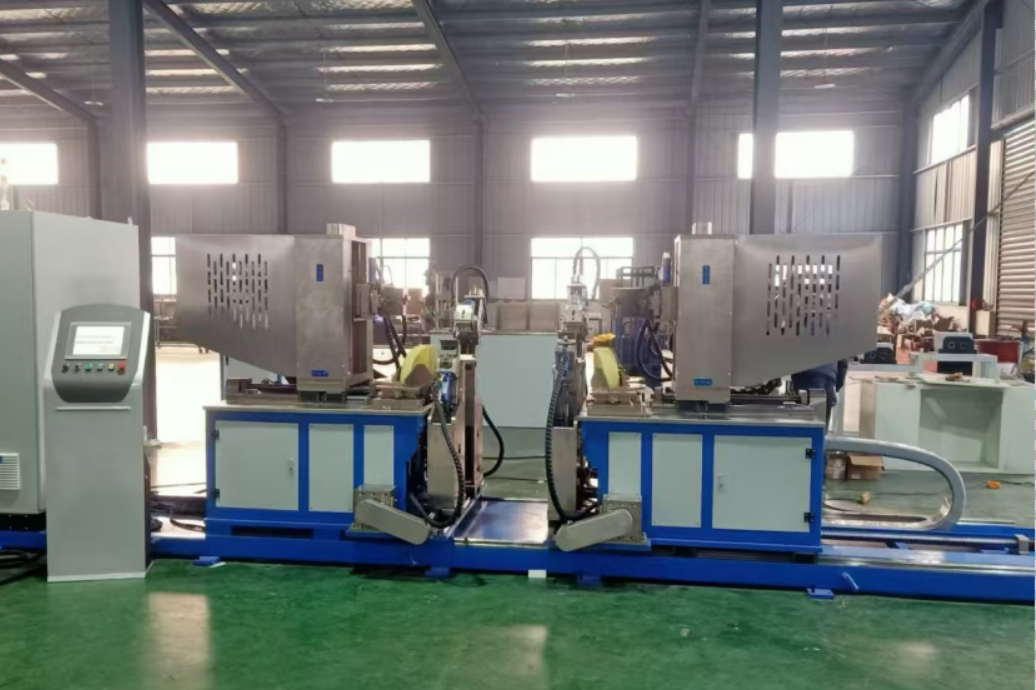
The high voltage motors making machine represents a critical foundation for modern grid infrastructure development. These specialized machines are engineered to produce electrical motors capable of operating at elevated voltage levels, directly supporting the power distribution networks that serve industrial facilities, utility companies, and renewable energy integration systems. Understanding how high voltage motors making machine technology operates provides essential insight into the manufacturing processes that keep energy infrastructure reliable and efficient across entire regions.
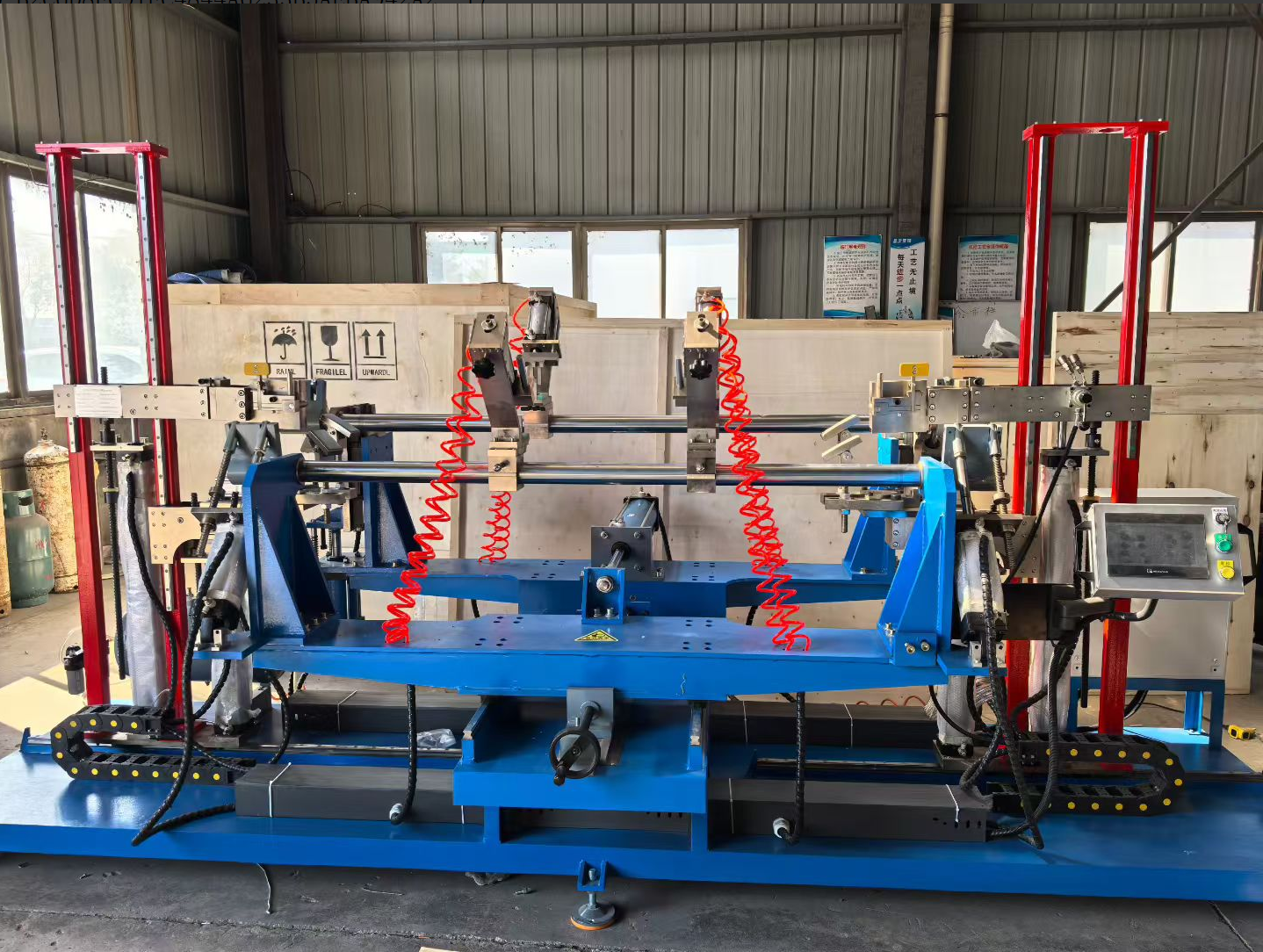
Grid infrastructure demands motors that can withstand extreme electrical stresses while maintaining consistent performance over decades of continuous operation. High voltage motors making machine systems have evolved to meet these demands through precision engineering, advanced material handling, and sophisticated quality control protocols. The manufacturing process involves multiple specialized stages, from copper winding preparation to insulation application, rotor assembly, and final testing protocols that ensure every motor meets stringent safety and performance standards.
Core Design Principles of High Voltage Motors Making Machines
Precision Winding Systems and Voltage Capacity
High voltage motors making machine equipment incorporates precision winding systems designed to handle copper conductors of varying gauges and quantities. The winding process must account for the increased insulation requirements that come with elevated voltage ratings, typically ranging from 1 kilovolt to 13.8 kilovolts in industrial applications. Accuracy in wire placement, tension control, and coil configuration directly impacts the motor's voltage withstand capability and overall efficiency rating. Modern high voltage motors making machine systems utilize computer numerical control technology to ensure consistent winding patterns across production runs, reducing defect rates and improving motor reliability in grid applications.
Insulation Material Specifications and Heat Management
The insulation systems within high voltage motors making machine production require specialized materials capable of resisting electrical breakdown under continuous voltage stress. Manufacturers apply multi-layer insulation schemes using mica paper, polyimide films, and resin compounds that together create barriers against electrical discharge and moisture infiltration. High voltage motors making machine designs incorporate cooling pathways and ventilation systems that manage thermal loads generated during motor operation. These thermal management features prevent insulation degradation, extend motor lifespan, and maintain performance reliability even under demanding grid conditions where motors operate continuously throughout the year.
Manufacturing Process Flow and Quality Integration
Production Sequence from Lamination to Assembly
High voltage motors making machine production follows a structured sequence that begins with stator and rotor lamination, where silicon steel sheets are cut, stacked, and pressed into cylindrical cores. The winding stage follows, where high voltage motors making machine equipment places copper conductors into lamination slots with precise spacing and insulation layers between turns. Rotor assembly involves bar insertion and end-ring connection, creating the squirrel cage construction common in induction motor designs for grid applications. Each stage incorporates measurement and testing checkpoints where high voltage motors making machine operators verify dimensions, electrical continuity, and insulation resistance to prevent defects from advancing through the production pipeline.
Testing Protocols and Performance Verification
Modern high voltage motors making machine manufacturers implement comprehensive testing protocols that validate motor performance before shipment to utility companies and industrial facilities. These tests include megohm meter measurements for insulation resistance, hipot testing where elevated voltages are applied to verify electrical safety margins, and performance tests that measure efficiency, power factor, and thermal behavior under rated load conditions. High voltage motors making machine facilities often operate test stands where motors run at full voltage and load for extended periods, simulating real-world grid operating conditions and identifying potential failure modes before motors reach field installations. Documentation of all test results provides utility companies with confidence that their equipment meets applicable standards and performance expectations.
Grid Infrastructure Applications and Market Demand
Industrial Motor Applications and Voltage Range Considerations
Grid infrastructure facilities require high voltage motors making machine products for diverse applications including large pump drives, compressor systems, and fan equipment that operate at distances from central power supplies. Utility companies specify high voltage motors making machine output for installations where stepping down voltage through transformers would introduce inefficiency losses or where direct connection to primary distribution voltage offers operational advantages. Industrial facilities with on-site generation capacity or direct utility interconnections increasingly depend on high voltage motors making machine equipment for equipment ranging from one megawatt to ten megawatts or larger. The demand for high voltage motors making machine technology continues growing as renewable energy installations expand and grid operators seek more efficient distribution methods.
Future Development Trends and Sustainability Integration
High voltage motors making machine manufacturers are advancing their technology to improve efficiency ratings, reduce material waste, and integrate environmental sustainability principles into production processes. Emerging high voltage motors making machine designs incorporate improved cooling systems, optimized conductor materials, and advanced magnetic steel alloys that reduce losses and extend operational lifespan. Digitalization initiatives enable high voltage motors making machine facilities to monitor production quality in real-time, predictively maintain equipment, and reduce energy consumption throughout manufacturing. As grid infrastructure investments accelerate globally, high voltage motors making machine technology will remain essential for supporting reliable power delivery, industrial productivity, and the transition toward renewable energy integration across modern electrical networks.
FAQ
What voltage ratings do high voltage motors making machines produce?
High voltage motors making machine systems produce motors rated from approximately 1 kilovolt up to 13.8 kilovolts or higher, depending on the manufacturer's design capacity and market specifications. The most common industrial ratings include 2.4 kilovolts, 4.16 kilovolts, 6.6 kilovolts, and 10 kilovolts for grid-connected applications. Each voltage rating requires distinct winding configurations, insulation system designs, and manufacturing processes tailored by high voltage motors making machine equipment to ensure safe and reliable operation within specified voltage ranges.
How do high voltage motors making machines ensure insulation quality?
High voltage motors making machine manufacturers employ multi-stage insulation processes that apply mica paper layers, polyimide films, and resin compounds to create robust electrical barriers within motor windings. Testing protocols including megohm meter measurements and hipot testing verify insulation resistance at voltages exceeding rated operating levels, confirming adequate safety margins. High voltage motors making machine quality systems include statistical process control, automated inspection equipment, and documented procedures that maintain consistent insulation application across all production units.
What market drivers increase demand for high voltage motors making machines?
Grid infrastructure expansion, renewable energy integration, industrial facility modernization, and utility company investment in power distribution efficiency drive increasing demand for high voltage motors making machine technology. Energy regulations requiring improved efficiency ratings push manufacturers to produce motors with lower operating losses, stimulating sales of advanced high voltage motors making machine equipment. Mining, petrochemical, water treatment, and power generation industries require constant replacement cycles for aging motors, maintaining steady market demand for high voltage motors making machine production capacity worldwide.