
 EN


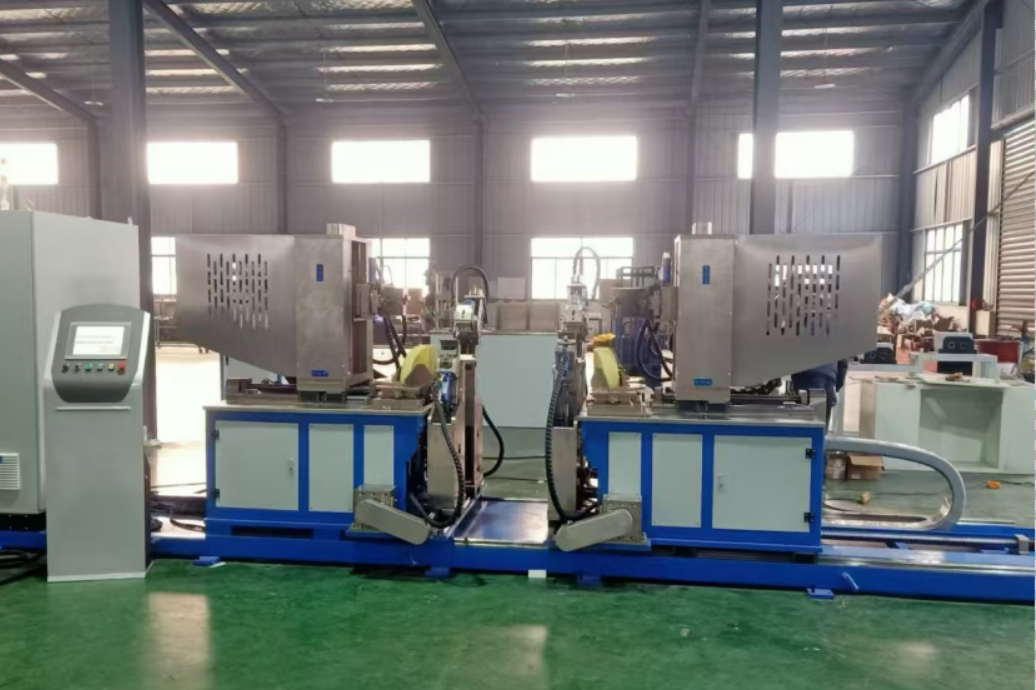
Selecting the right high voltage electric motor line requires a systematic approach to evaluation. Buyers in industrial sectors face complex decisions when comparing different high voltage electric motor line options, as these systems represent significant capital investments and directly impact operational efficiency. Understanding the key comparison factors ensures you choose equipment that meets both immediate operational needs and long-term performance expectations.
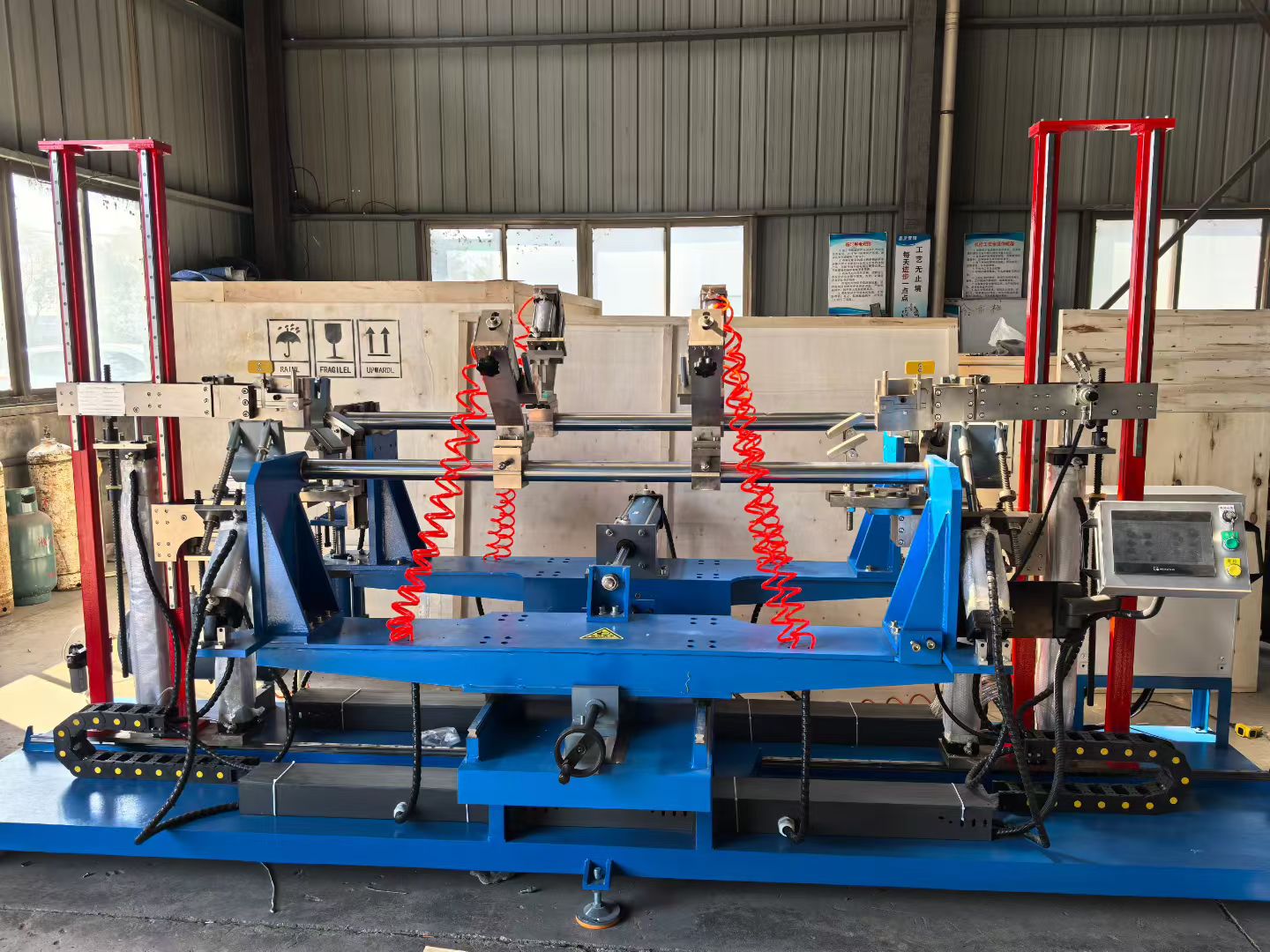
A comprehensive comparison of high voltage electric motor line products begins with understanding your specific application requirements. Different industrial environments demand different performance characteristics, and a high voltage electric motor line suitable for one facility may not optimize results in another. By establishing clear evaluation criteria upfront, buyers can narrow their options and identify the most cost-effective solution for their operational context.
Performance and Power Specifications
Evaluating Horsepower and Torque Ratings
When comparing a high voltage electric motor line, horsepower and torque ratings are fundamental specifications that determine whether equipment can handle your operational load. Each high voltage electric motor line is engineered with specific power delivery ranges, and exceeding or underutilizing these ratings creates inefficiency and accelerates wear. Buyers should match the motor's rated output precisely to their application's peak and continuous load requirements to avoid both oversizing costs and undersizing performance failures.
Torque delivery characteristics also vary significantly across different high voltage electric motor line products. Some designs emphasize smooth, consistent torque across a wide speed range, while others prioritize high starting torque for demanding mechanical loads. Understanding your process's torque demand profile at startup, acceleration, and steady-state operation ensures your chosen high voltage electric motor line delivers the power characteristics your application actually requires.
Efficiency Ratings and Energy Consumption
Efficiency ratings differentiate premium high voltage electric motor line options from standard alternatives and directly influence operational costs over the motor's service life. A high voltage electric motor line with higher efficiency classification reduces electricity consumption and generates less waste heat, lowering both utility expenses and cooling system demands. Industrial buyers should compare efficiency curves across the high voltage electric motor line range they are evaluating, as efficiency performance often varies at different load points.
The total cost of ownership for any high voltage electric motor line includes not only the initial purchase price but also years of energy consumption. Many premium high voltage electric motor line manufacturers provide efficiency data that allows buyers to calculate payback periods. Even a modest efficiency improvement in a high voltage electric motor line selection translates into substantial savings across a decade of continuous operation.
Durability and Operating Conditions
Environmental Resistance and Material Selection
Different industrial environments create distinct durability challenges, making environmental compatibility a critical comparison factor for any high voltage electric motor line. A high voltage electric motor line installed in a food processing facility faces moisture and corrosive chemical exposure, while a high voltage electric motor line in a steel mill encounters extreme heat and dust. Comparing the construction materials, insulation systems, and protective coatings across high voltage electric motor line options ensures your selection can withstand your specific environmental stressors.
Insulation quality represents a core durability differentiator among competing high voltage electric motor line products. Premium insulation systems resist thermal degradation, moisture absorption, and chemical attack more effectively than standard alternatives. When comparing high voltage electric motor line specifications, examine the insulation class rating and the manufacturer's guidance on maximum ambient temperatures and humidity ranges.
Thermal Management and Temperature Rise
Thermal management capabilities distinguish high-reliability high voltage electric motor line designs from basic alternatives. Temperature rise limits define how much warmer a motor's windings can become above ambient temperature during rated operation. A high voltage electric motor line with superior thermal design maintains lower internal temperatures, extending insulation lifespan and reducing maintenance frequency significantly.
Comparing thermal performance across high voltage electric motor line options involves examining cooling path design, bearing lubrication systems, and ventilation effectiveness. Some high voltage electric motor line manufacturers incorporate advanced cooling technologies that enable continuous operation in high-ambient environments. Understanding these thermal capabilities helps you assess whether a particular high voltage electric motor line can sustain continuous duty cycles or must incorporate operating restrictions.
Maintenance Requirements and Total Cost of Ownership
Bearing Systems and Service Intervals
Bearing quality and lubrication system design significantly influence maintenance demands for any high voltage electric motor line. Premium high voltage electric motor line products feature sealed bearing systems that require minimal maintenance intervention, while standard designs may demand regular grease replenishment. When comparing high voltage electric motor line options, investigate the recommended service intervals and the labor costs associated with each approach.
Bearing selection within a high voltage electric motor line also affects operational reliability during demanding cycles. Deep-groove ball bearings suit continuous operation, while tapered roller bearings accommodate higher radial and thrust loads. The high voltage electric motor line you select should incorporate bearing technology matched to your mechanical load profile and duty cycle intensity.
Spare Parts Availability and Support Network
Long-term operational support distinguishes certain high voltage electric motor line manufacturers from others. When motor failures occur, spare parts availability and technical support responsiveness become critical business factors. Comparing the high voltage electric motor line options available in your region ensures you can access replacement components quickly and access qualified service personnel.
Buyers should inquire about each high voltage electric motor line manufacturer's spare parts inventory practices and supply chain resilience. Some manufacturers maintain regional distribution networks ensuring rapid parts delivery, while others face longer lead times. Evaluating this support infrastructure as part of your high voltage electric motor line comparison prevents costly production shutdowns if unexpected failures occur.
FAQ
What specifications should I compare first when evaluating a high voltage electric motor line?
Begin by comparing horsepower ratings, voltage specifications, and efficiency classifications across the high voltage electric motor line options matching your application. These fundamental specifications determine whether the motor can deliver required power while consuming electricity efficiently. Next, examine thermal performance ratings and environmental compatibility to ensure the high voltage electric motor line can operate reliably in your facility's conditions.
How does efficiency rating impact the total cost of ownership for a high voltage electric motor line?
A more efficient high voltage electric motor line consumes less electricity, reducing annual operating expenses substantially over the motor's typical 10-20 year service life. Even a 2-3 percentage point efficiency improvement in a high voltage electric motor line can recover the premium purchase price within 2-4 years through energy savings alone. Calculate the payback period by comparing electricity consumption rates and your facility's average utility costs before finalizing your high voltage electric motor line selection.
What environmental factors should influence my high voltage electric motor line comparison?
Consider temperature extremes, moisture levels, chemical exposure, dust contamination, and vibration intensity when comparing high voltage electric motor line products. Each high voltage electric motor line manufacturer designs different insulation systems and protective enclosures suited to specific environmental challenges. Request detailed environmental specifications from manufacturers to ensure your chosen high voltage electric motor line maintains performance and reliability in your facility's unique operating conditions.