
 EN



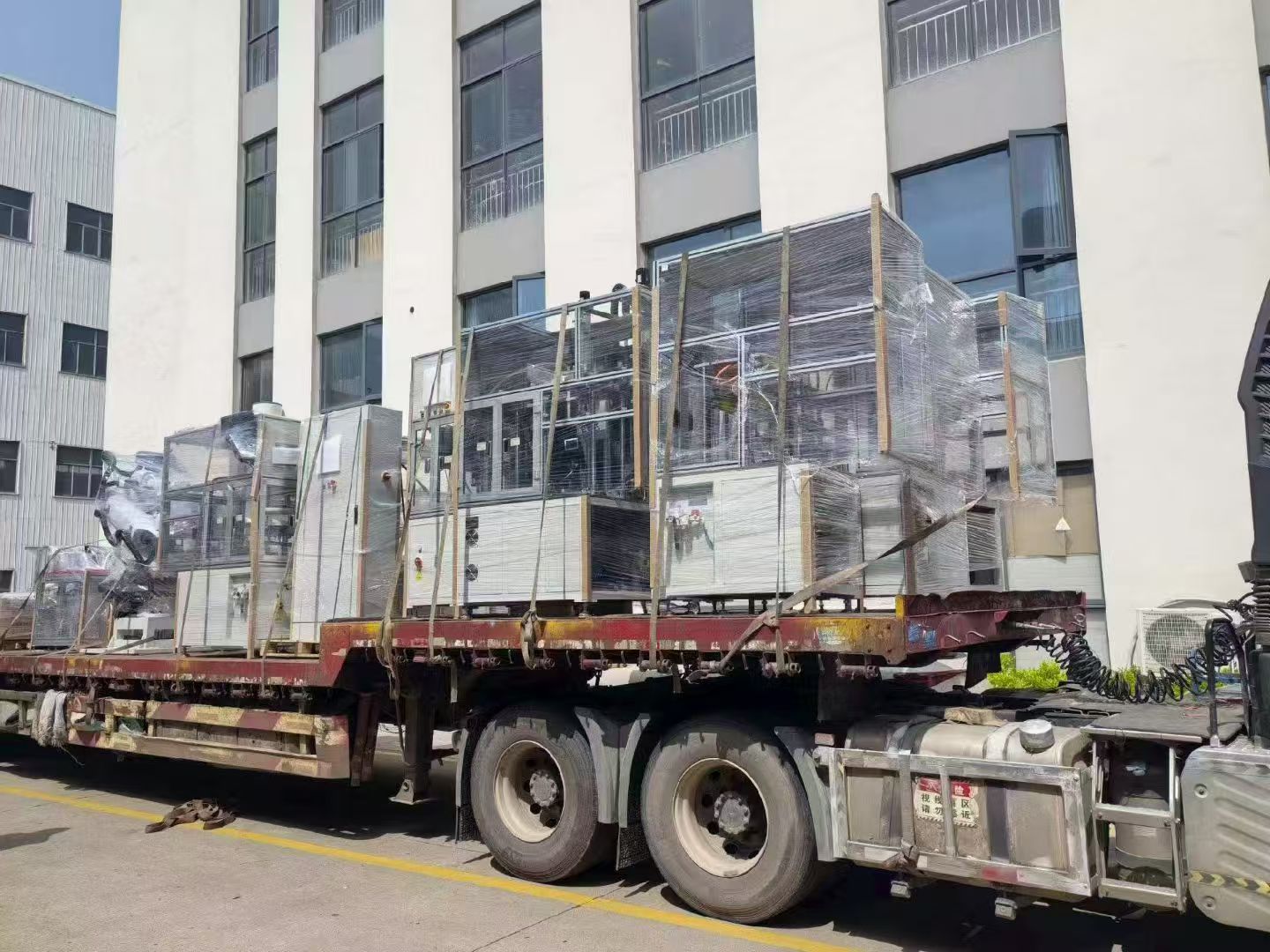
The bldc motor assembly machine has become essential infrastructure in modern appliance manufacturing. This automated equipment handles the complex, repetitive task of assembling brushless direct current motors with precision that manual labor cannot reliably achieve. For manufacturers scaling production, investing in a dedicated bldc motor assembly machine represents a strategic decision that affects quality, throughput, labor costs, and competitive positioning.
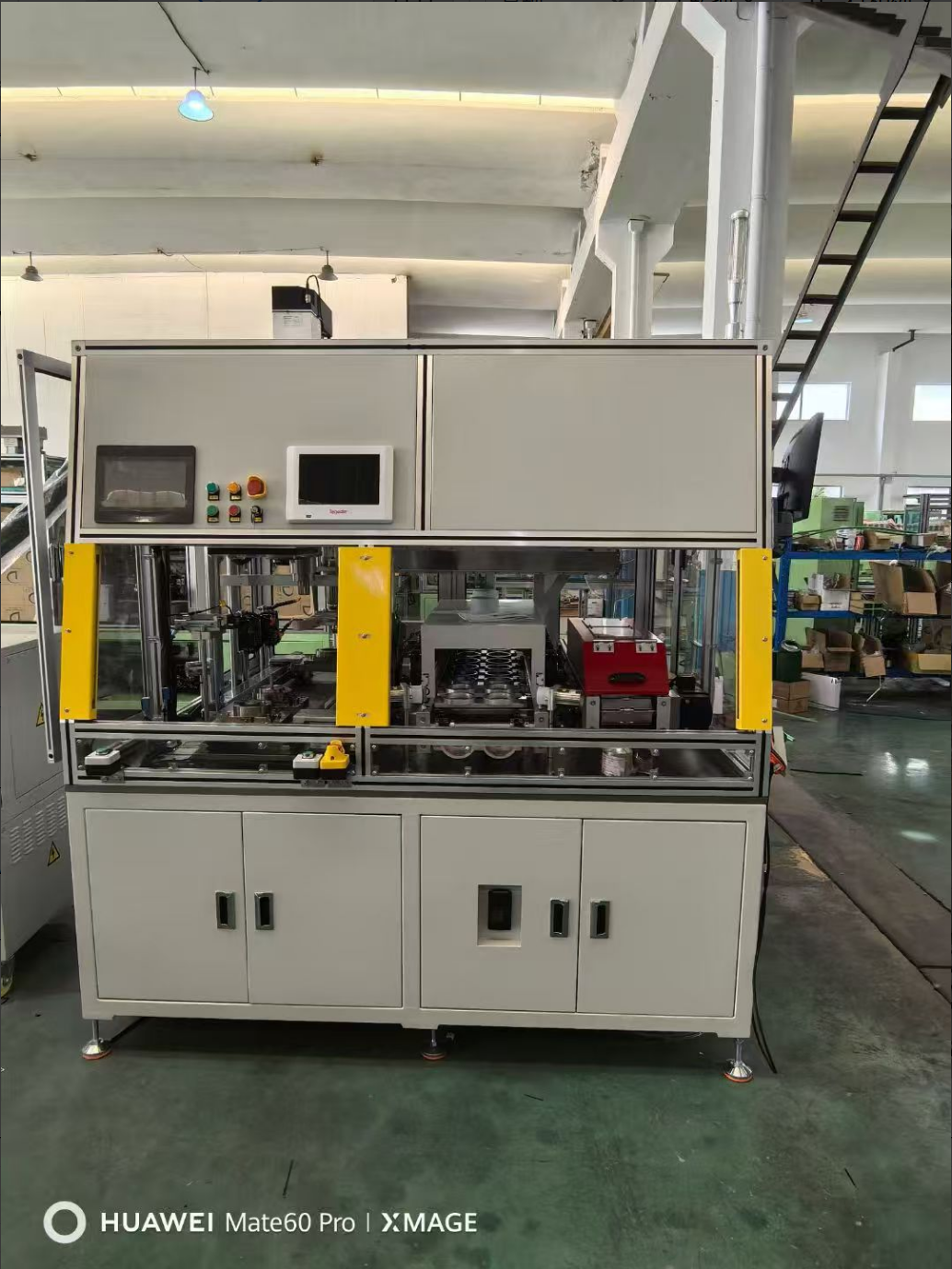
Understanding how a bldc motor assembly machine operates, what capabilities drive selection, and how to align equipment specifications with production volumes is critical for procurement and operational success. Appliance manufacturers—whether producing air conditioning units, refrigeration systems, or ventilation equipment—rely on heavy-duty bldc motor assembly machines to maintain consistency and meet demanding output schedules.
How BLDC Motor Assembly Machines Work
Core Automation Process
A bldc motor assembly machine automates the sequential steps required to build a complete motor. The equipment positions stator cores, inserts windings, secures rotor components, and aligns bearing assemblies through coordinated mechanical and pneumatic operations. Each bldc motor assembly machine is programmed to perform these tasks in a fixed cycle time, typically ranging from 15 to 45 seconds per unit depending on motor complexity and machine specifications.
The bldc motor assembly machine relies on precision fixtures, servo-driven positioning systems, and vision-guided component insertion to ensure repeatability. High-speed indexing moves assembled components from station to station, with each station performing specialized tasks. Modern bldc motor assembly machine designs incorporate quality checkpoints at multiple stages, detecting misalignment, missing components, or defective parts before they move to the next operation.
Integration with Appliance Manufacturing Lines
In appliance manufacturing environments, the bldc motor assembly machine functions as one critical link in a larger production ecosystem. Raw materials flow into the bldc motor assembly machine from component supply lines, and finished motor assemblies exit toward final appliance assembly stations. Coordinating the bldc motor assembly machine output rate with downstream assembly demand prevents bottlenecks and optimizes inventory levels.
Heavy-duty bldc motor assembly machine models are engineered to operate continuously across extended shifts with minimal downtime. Cooling systems, durable mechanical components, and accessible maintenance points ensure that the bldc motor assembly machine maintains output schedules even under high-volume production demands typical in appliance manufacturing.
Selecting the Right BLDC Motor Assembly Machine
Production Volume and Capacity Alignment
Choosing an appropriate bldc motor assembly machine begins with understanding your production volume targets. A bldc motor assembly machine sized for 5,000 units per month will have fundamentally different specifications than equipment designed for 50,000 units monthly. Undersized bldc motor assembly machine investments create production constraints and missed revenue opportunities, while oversized equipment increases capital expenditure and reduces return on investment.
Capacity planning for a bldc motor assembly machine must account for planned growth, seasonal demand patterns, and multi-shift operation requirements. A well-specified bldc motor assembly machine achieves 85 to 95 percent uptime under normal operating conditions, accounting for scheduled maintenance, tool changes, and minor adjustments. Manufacturers should conduct detailed demand forecasts before committing to a specific bldc motor assembly machine platform.
Motor Specifications and Equipment Compatibility
Different motor designs require different assembly strategies, and not every bldc motor assembly machine configuration suits all motor types. A bldc motor assembly machine built for 10-pole, 8-winding configurations may require significant retooling or programming changes to handle 12-pole, 6-winding designs. Understanding the diversity of motor specifications your appliance product line requires is essential for bldc motor assembly machine selection.
Heavy-duty bldc motor assembly machine options often include modular tooling, adjustable fixtures, and software-reconfigurable parameters to accommodate multiple motor designs. Evaluating the flexibility of a bldc motor assembly machine to handle your existing and planned motor specifications helps justify the capital investment and future-proofs your manufacturing capability. Some manufacturers maintain multiple dedicated bldc motor assembly machine units for distinct motor families to maximize throughput and minimize changeover complexity.
Performance Benefits in Appliance Manufacturing
Quality and Consistency Advantages
A bldc motor assembly machine delivers consistent output quality that far exceeds manual assembly. Each unit processed by the bldc motor assembly machine follows identical sequences, component torque specifications, and positioning parameters. This consistency translates directly to fewer defects, reduced warranty claims, and improved customer satisfaction in finished appliances.
The bldc motor assembly machine incorporates real-time quality monitoring through sensors, vision systems, and torque verification. Automated rejection of out-of-specification assemblies prevents defective motors from advancing to costly final assembly stages. By catching quality issues early within the bldc motor assembly machine process, manufacturers significantly reduce scrap rates and rework labor.
Cost Structure and Return on Investment
Labor cost reduction represents the most visible benefit of implementing a bldc motor assembly machine. A single unit replaces 3 to 6 assembly technicians, depending on cycle time and equipment efficiency. Over a five-year ownership period, the labor savings from a bldc motor assembly machine typically recover the capital investment within 18 to 36 months, creating positive cash flow for subsequent years.
Beyond labor, a bldc motor assembly machine improves material efficiency through precise component handling that reduces damage and scrap. Optimized fixture design and repeatable processes minimize component waste compared to manual handling variability. The bldc motor assembly machine also reduces occupancy costs by processing higher volumes in smaller floor space, freeing manufacturing area for other production activities.
Scalability and Production Flexibility
As appliance manufacturers grow, bldc motor assembly machine capacity becomes a strategic asset. A heavy-duty bldc motor assembly machine can increase output by adding second or third shifts without equipment multiplication, up to the machine's rated capacity ceiling. This scalability allows manufacturers to respond to market demand increases without proportional capital investment.
Programming flexibility within bldc motor assembly machine systems enables rapid product changes and new motor introductions. Software updates can accommodate new designs with minimal physical tooling changes. This agility helps appliance manufacturers introduce innovative products and respond to competitive pressures more quickly than manufacturers relying on manual assembly methods.
FAQ
What is the typical cycle time for a bldc motor assembly machine in appliance production?
Cycle time for a bldc motor assembly machine typically ranges from 15 to 45 seconds per completed motor assembly, depending on motor complexity, design, and equipment sophistication. Simple 8-pole motor designs may complete in 15 to 20 seconds, while complex multi-winding configurations may require 35 to 45 seconds. The bldc motor assembly machine operator can often adjust cycle parameters within limits to balance speed and quality requirements.
How much training is required to operate and maintain a bldc motor assembly machine?
Most manufacturers require 2 to 4 weeks of operator training to effectively manage a bldc motor assembly machine, including startup procedures, troubleshooting basic issues, and performing routine maintenance. Advanced programming and calibration typically require specialized technician training from the equipment supplier. A well-designed bldc motor assembly machine incorporates user-friendly interfaces and clear documentation to minimize operator learning curves and reduce dependency on specialized expertise.
Can a single bldc motor assembly machine handle multiple motor designs without extensive retooling?
Modern bldc motor assembly machine designs offer modular tooling and software flexibility to accommodate multiple motor designs, but the extent depends on design similarity and equipment specifications. A bldc motor assembly machine can typically switch between related designs with software parameter changes and minor fixture adjustments within 30 minutes to 2 hours. Handling drastically different motor families may require tooling changeovers that consume more time, so many manufacturers evaluate whether dedicated equipment for each motor family provides better total productivity.