
 EN



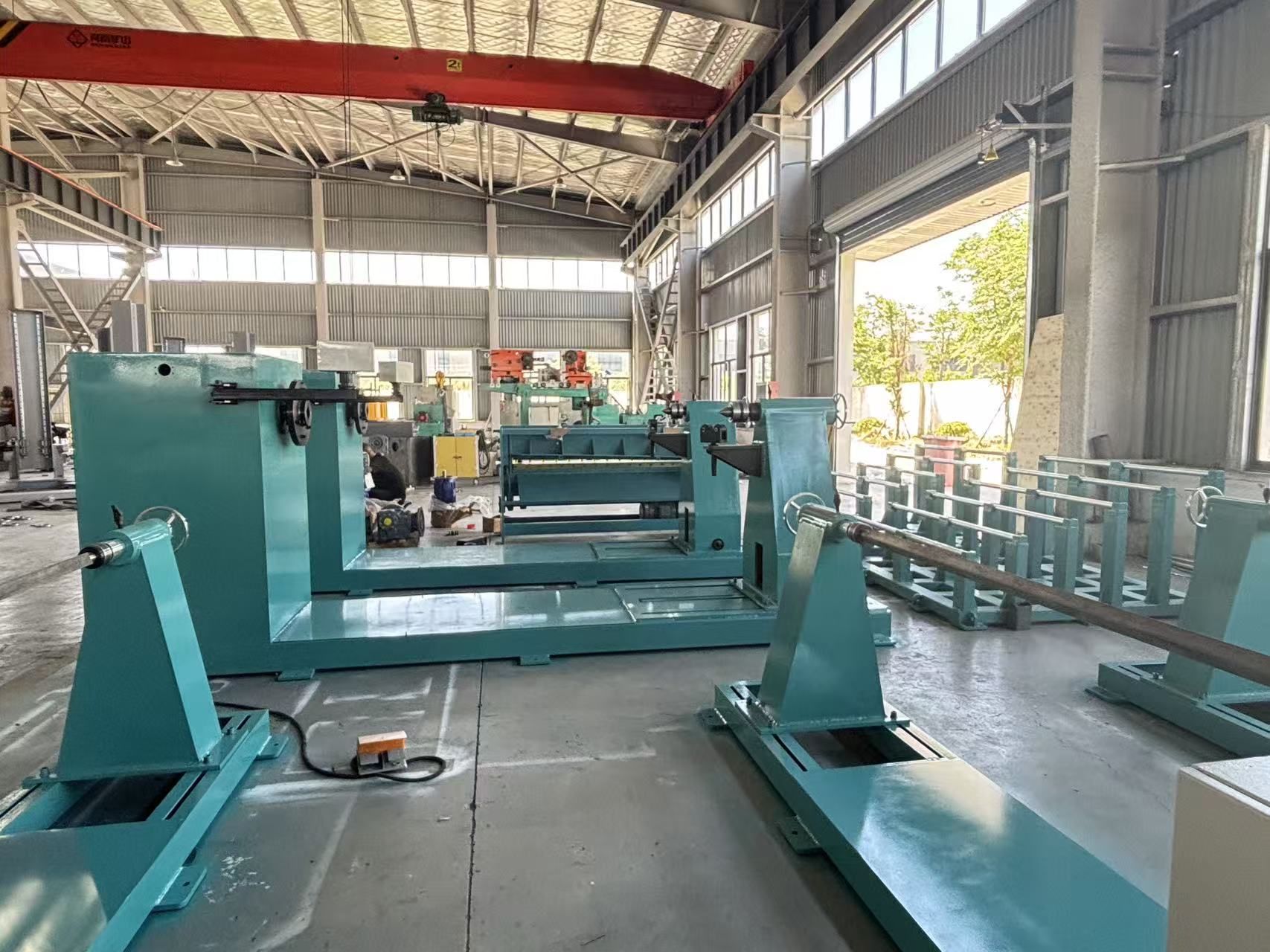
Reliability in power equipment manufacturing depends fundamentally on the precision and consistency of transformer coil production. A transformer coil winding machine represents a critical investment for manufacturers seeking to eliminate variation, reduce defect rates, and deliver transformers that perform reliably across decades of operation. The quality of coil windings directly influences electrical efficiency, heat dissipation, and the overall lifespan of power transformers in industrial and utility applications.
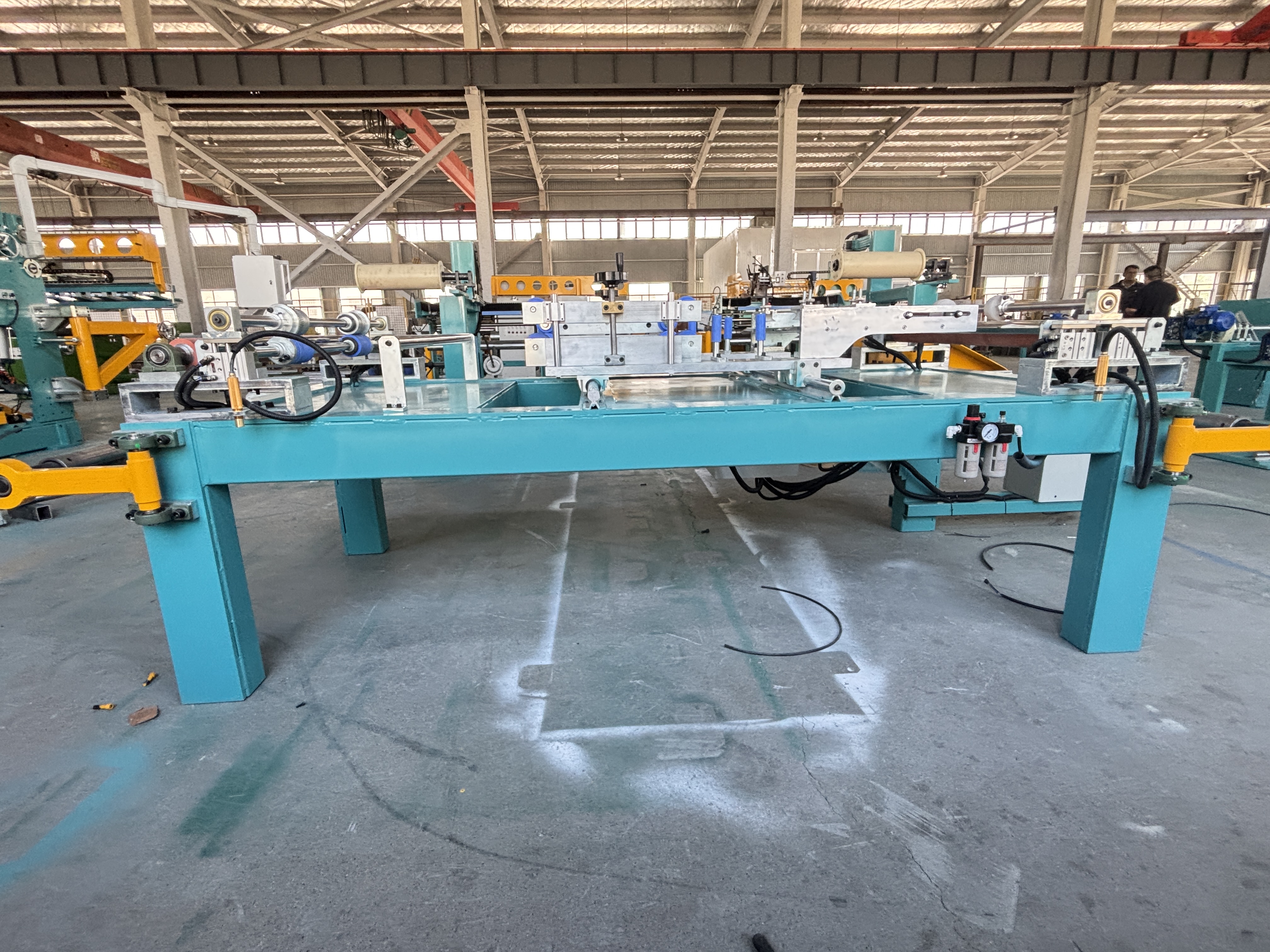
The modern transformer coil winding machine automates what was once a labor-intensive, error-prone manual process. By controlling wire tension, layer spacing, and winding speed with precision, a transformer coil winding machine ensures every coil meets exact specifications. This consistency translates directly into improved transformer reliability, reduced field failures, and stronger customer confidence in mission-critical power systems.
How a Transformer Coil Winding Machine Enhances Manufacturing Precision
Eliminating Human Error and Variation
Manual coil winding introduces inherent variability. Operator fatigue, inconsistent hand pressure, and subjective judgment lead to uneven wire spacing, irregular tension, and dimensional drift. A transformer coil winding machine removes these human variables by enforcing consistent wire feed rates, maintaining exact layer boundaries, and applying uniform tension across every winding cycle. The machine executes the same sequence thousands of times without degradation, ensuring each transformer coil meets identical quality standards.
This precision directly reduces the frequency of defects such as insulation breakdown, short circuits, and electrical hotspots. When every transformer coil winding machine produces coils within tight tolerances, field failure rates drop substantially, warranty claims decrease, and manufacturers strengthen their market reputation.
Controlling Wire Tension and Layer Geometry
Wire tension is critical to transformer coil performance. Too much tension causes wire deformation and brittle fracture; too little allows sagging and contact between layers. A transformer coil winding machine monitors and adjusts tension in real time, maintaining optimal pressure throughout the entire winding process. Additionally, the transformer coil winding machine positions each layer with precision, preventing overlaps and gaps that would compromise heat transfer or electrical performance.
The geometric accuracy delivered by a transformer coil winding machine also simplifies downstream assembly, reduces rework, and accelerates production schedules.
Reliability Benefits Across the Transformer Lifecycle
Thermal Performance and Heat Management
Poorly wound coils trap heat and create localized hotspots that accelerate insulation degradation. A transformer coil winding machine produces uniform coil geometry that facilitates efficient cooling oil circulation and even temperature distribution. The result is a transformer that runs cooler, ages more slowly, and maintains electrical properties longer than units with hand-wound coils. Manufacturers using a transformer coil winding machine report measurably higher insulation life and lower operating temperatures under equivalent load conditions.
This thermal reliability is especially valuable in demanding industrial environments, urban power grids, and renewable energy applications where transformers operate at high utilization rates and cannot afford downtime.
Electrical Performance and Efficiency
A transformer coil winding machine delivers consistent wire resistance, inductance matching, and phase alignment across multiple units. This consistency means transformers produced on the same transformer coil winding machine line exhibit nearly identical electrical characteristics, simplifying system design and ensuring predictable performance. Utilities and industrial users benefit from stable voltage regulation, minimal harmonic distortion, and reliable load-sharing in multi-transformer installations.
When reliability depends on electrical consistency, the transformer coil winding machine becomes a competitive differentiator, enabling manufacturers to offer performance guarantees and attract quality-conscious customers.
Operational Advantages and Long-Term Value
Production Consistency and Scalability
A transformer coil winding machine operates at constant speed and quality regardless of production volume. Whether producing five transformers or five hundred, the machine maintains specification compliance and cycle time predictability. This consistency enables manufacturers to scale production confidently, fulfill large contracts without compromising quality, and plan capacity with precision.
The transformer coil winding machine also generates detailed performance data—wire tension trends, layer counts, cycle times—that support continuous improvement and root cause analysis when variations are detected.
Cost Reduction and Return on Investment
While a transformer coil winding machine requires significant capital investment, the financial returns accrue rapidly. Reduced rework, lower scrap rates, fewer warranty claims, and faster production cycles compound to deliver strong ROI. Additionally, the transformer coil winding machine reduces labor requirements for the winding operation, freeing skilled technicians for higher-value tasks such as testing, assembly, and quality verification.
Manufacturers typically recover their transformer coil winding machine investment within 18–36 months through improved margins, higher throughput, and reduced field service costs. The reliability gains extend far beyond the production floor, building customer loyalty and opening doors to higher-value market segments.
FAQ
What specifications should manufacturers prioritize when selecting a transformer coil winding machine?
Key specifications include wire gauge compatibility, maximum winding diameter, layer count capacity, tension control accuracy, and integration with downstream processes. Manufacturers should verify that a transformer coil winding machine supports the range of transformer types they produce, offers programmable winding profiles for different coil designs, and provides real-time monitoring of critical parameters. Compatibility with existing production infrastructure and availability of technical support are equally important.
How does a transformer coil winding machine compare to manual winding in terms of consistency?
A transformer coil winding machine delivers dramatically superior consistency. Manual winding exhibits dimensional variation of 2–5%, while a transformer coil winding machine typically maintains tolerances within 0.5–1%. This precision directly translates to fewer defects, more predictable electrical characteristics, and longer transformer lifespan. For manufacturers serving utility, renewable energy, or critical infrastructure sectors, the consistency advantage of a transformer coil winding machine is often non-negotiable.
Can a transformer coil winding machine handle multiple coil designs and sizes?
Modern transformer coil winding machine systems are highly flexible. By reprogramming winding parameters—wire gauge, tension profile, layer height, and total turns—a single transformer coil winding machine can produce coils for diverse transformer types. This flexibility allows manufacturers to consolidate equipment, reduce floor space, and adapt quickly to changing customer demands without investing in additional machinery or losing production time to changeovers.