
 EN



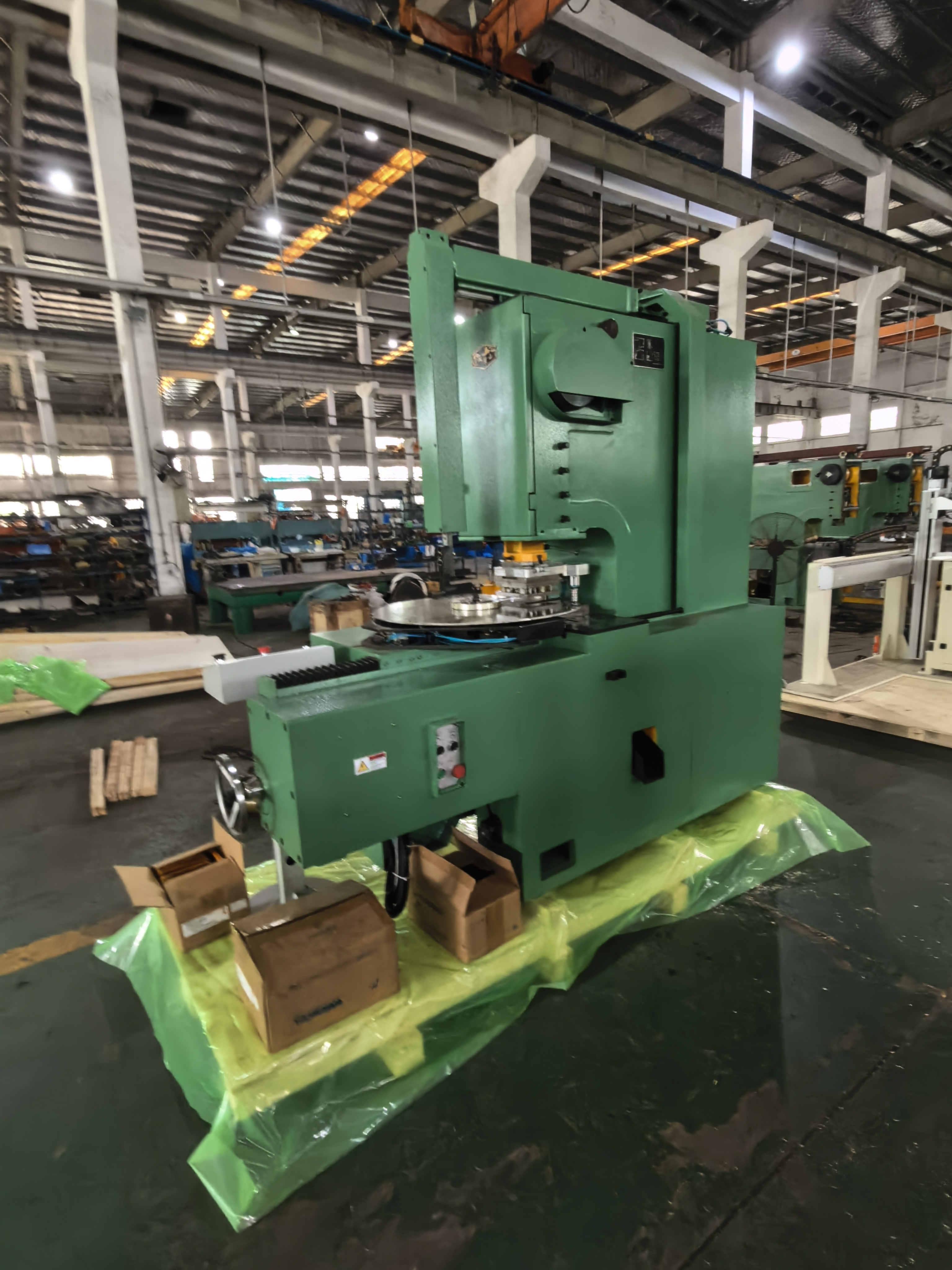
Professional lamination plants face significant challenges when processing motor stators with precision and consistency. The motor notching press has emerged as a critical solution for plants seeking to enhance production efficiency, reduce material waste, and maintain strict quality standards. This advanced equipment addresses the core need for precise notching operations that are essential to modern stator manufacturing. Understanding how a motor notching press operates and integrating it into your lamination workflow can transform your production capacity and competitive positioning.
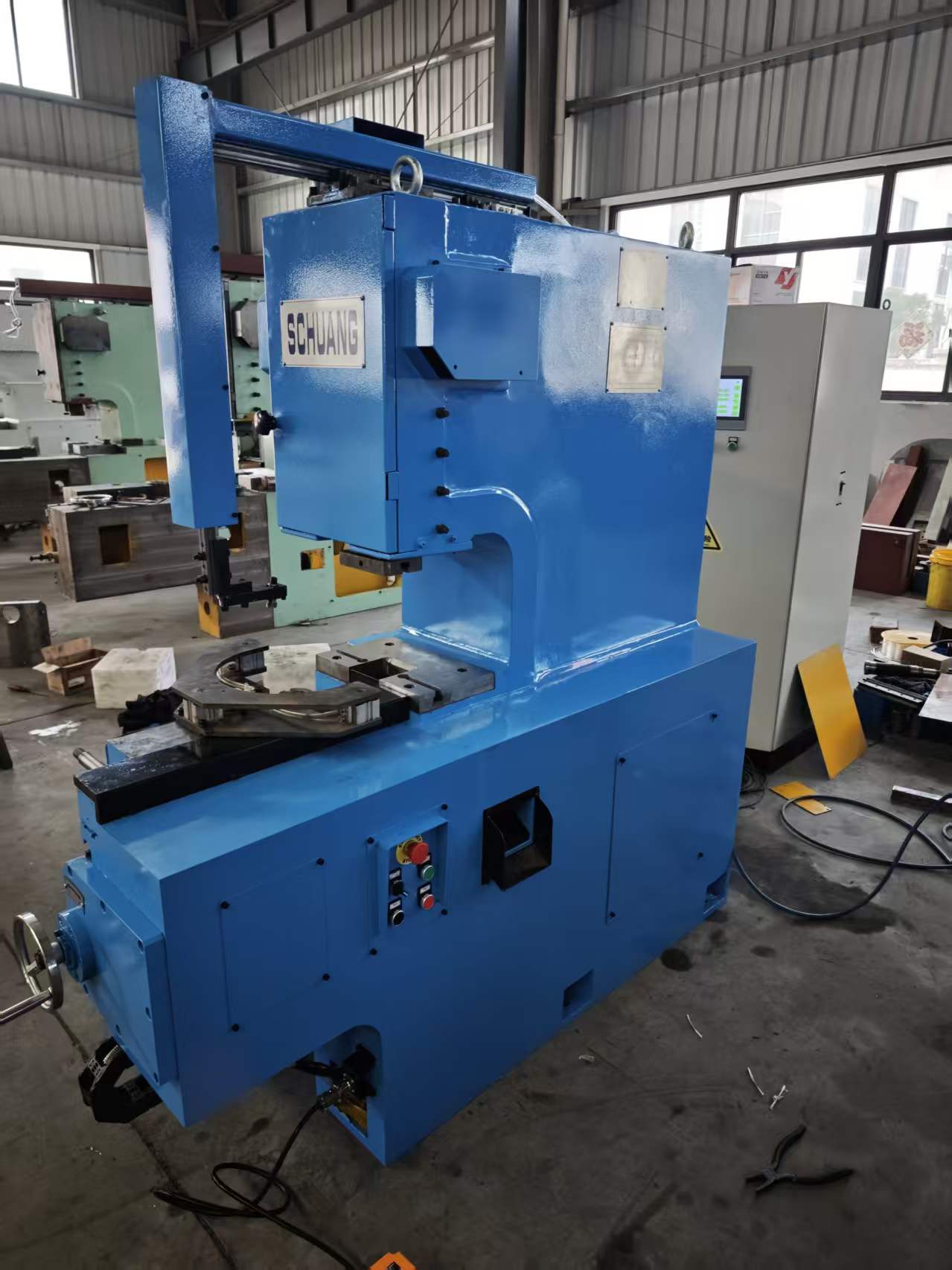
The motor notching press represents a fundamental shift in how lamination plants approach stator preparation and finishing. Rather than relying on manual or outdated mechanical methods, modern motor notching press equipment delivers automated precision that ensures every stator meets exact specifications. For professional operations handling high-volume orders, investing in a motor notching press is no longer optional but essential for maintaining competitiveness and meeting customer expectations in the electric motor industry.
Core Functionality of Motor Notching Press Equipment
How Motor Notching Press Systems Operate
A motor notching press operates through a combination of servo-driven mechanisms and precision tooling that create uniform notches in laminated stator cores. The motor notching press uses computerized control systems to position material with micron-level accuracy, ensuring that each notch is cut at the exact depth, angle, and location specified by engineering requirements. This automated approach eliminates human error and variability that traditionally plagued manual notching operations. The motor notching press cycles rapidly through each workpiece, with modern systems capable of processing hundreds of stators daily while maintaining consistent quality standards.
Precision and Repeatability Standards
Professional lamination plants depend on motor notching press equipment that delivers repeatability within strict tolerances. Every motor notching press on the market today must meet aerospace and automotive quality standards, which require notch dimensions accurate to within 0.1 millimeters. The motor notching press uses advanced sensor feedback systems to verify each operation, automatically adjusting pressure and positioning parameters in real time. This closed-loop control ensures that a motor notching press maintains production quality even when processing different lamination thicknesses or material compositions, a critical advantage for plants serving diverse customer requirements.
Integration Benefits for Lamination Production Workflows
Enhancing Production Throughput
Integrating a motor notching press into your lamination plant workflow directly increases production throughput while reducing cycle times. Where traditional methods required 15 to 30 minutes per stator, a motor notching press completes the same notching operation in 2 to 5 minutes, depending on stator size and complexity. This dramatic improvement in speed translates directly into higher daily output capacity without requiring proportional increases in floor space or labor costs. The motor notching press enables lamination plants to bid on larger production runs with confidence, knowing that delivery timelines become more predictable and achievable.
Material Waste Reduction and Cost Efficiency
A motor notching press minimizes material waste through precision control that eliminates irregular cuts and damaged lamination layers common in manual operations. Each motor notching press uses optimized tool geometry and cutting parameters specifically engineered to preserve lamination integrity during the notching process. This precision translates into cost savings that compound across high-volume production, as less scrap material means higher material yield rates and lower cost per finished unit. Professional lamination plants report that a motor notching press typically reduces waste by 3 to 7 percent compared to conventional notching methods, a significant margin in competitive markets.
Technical Specifications and Equipment Selection
Servo-Driven Motor Notching Press Advantages
Servo-driven motor notching press systems offer superior control compared to traditional hydraulic or pneumatic alternatives. A motor notching press equipped with servo technology provides variable speed control, allowing operators to adjust cutting velocity based on material properties and notch geometry. The motor notching press servo system also enables rapid tool changes and quick-set procedures, reducing setup time between different stator models from hours to minutes. This flexibility makes a motor notching press the preferred choice for job shops and contract manufacturers handling diverse customer specifications.
Selection Criteria for Lamination Plants
When evaluating motor notching press options for your lamination plant, consider the maximum stator diameter your equipment will process, the required notch depth range, and the production volume targets for your operation. A motor notching press must align with your plant's tooling standards and integration requirements with existing lamination line equipment. Look for a motor notching press that offers straightforward programming interfaces, minimal maintenance requirements, and reliable customer support. The motor notching press should also support quick-change tooling systems, enabling rapid transitions between different notch profiles without complete tool replacement, a critical feature for versatile production environments.
Real-World Application Scenarios in Lamination Plants
High-Volume Production Environments
Large-scale electric motor manufacturers rely on motor notching press equipment to handle production runs of 10,000 or more units monthly. A motor notching press in high-volume facilities operates continuously, with automatic material feeding systems working in coordination with the press to maintain maximum uptime. The motor notching press enables lamination plants to meet tight delivery windows while maintaining zero-defect quality objectives. Manufacturers in automotive and industrial motor applications specifically demand motor notching press precision for high-reliability applications where stator quality directly impacts motor performance and lifespan.
Custom and Prototype Lamination Work
Contract lamination shops benefit from motor notching press flexibility when working with diverse stator designs and material specifications. A motor notching press with programmable logic can quickly adapt to new notch patterns, allowing these facilities to quote and deliver custom lamination orders within days rather than weeks. The motor notching press reduces the learning curve for operators handling new stator designs, since the system automates the precision work and reduces dependency on operator skill level. This capability makes a motor notching press an investment that supports business growth for lamination plants pursuing contract manufacturing opportunities.
Maintenance and Operational Considerations
Reliability and Downtime Prevention
A motor notching press requires regular preventive maintenance to ensure consistent performance and extended service life. The motor notching press relies on precision bearings, servo components, and cutting tools that must be inspected and replaced according to manufacturer recommendations. Professional lamination plants schedule motor notching press maintenance during low-production periods, typically every 500 to 1,000 operating hours depending on usage intensity. Keeping a motor notching press well-maintained prevents unexpected downtime that can disrupt production schedules and delay customer deliveries, making preventive care a cost-effective investment.
Training and Operator Competency
Operating a motor notching press effectively requires trained personnel who understand both the equipment mechanics and the lamination production requirements. A motor notching press is sufficiently complex that operators need formal training on programming procedures, tool setup, and quality verification protocols. Lamination plants investing in a motor notching press should budget for comprehensive operator training and designate a lead technician responsible for system maintenance and troubleshooting. The motor notching press represents significant capital equipment, and proper operator training ensures that your investment delivers maximum return through consistent quality and reliable uptime.
FAQ
What makes a motor notching press superior to manual notching methods?
A motor notching press delivers precision, speed, and consistency that manual methods cannot match. Manual notching introduces operator variability, fatigue-related errors, and inconsistent cut quality that compromise stator reliability. A motor notching press eliminates these human factors through automated control, ensuring every notch meets exact specifications. Additionally, a motor notching press completes each operation in minutes rather than hours, enabling lamination plants to increase production capacity and reduce labor costs significantly. For professional operations, the motor notching press is an essential upgrade that improves both quality and profitability.
How does a motor notching press integrate with existing lamination equipment?
A motor notching press can be integrated into lamination production lines as a standalone station or as part of an automated system. Modern motor notching press equipment connects to material handling systems that automatically feed stators and remove finished parts. The motor notching press interfaces with your facility's control systems through standard industrial protocols, allowing seamless communication with other production equipment. Most motor notching press installations require minimal retrofitting, since they operate independently and do not demand significant changes to existing facility infrastructure. Your equipment supplier can provide specific integration guidance based on your current lamination plant layout and production workflow.
What return on investment can lamination plants expect from a motor notching press?
The return on investment from a motor notching press typically occurs within 18 to 36 months for high-volume production environments. A motor notching press increases throughput, reduces material waste, and minimizes labor requirements, all of which improve operating margins. Reduced scrap rates alone can generate savings equal to 5 to 10 percent of material costs, while increased production capacity enables lamination plants to bid on larger contracts with confidence. The exact payback timeline depends on your current production volume, labor costs, and material waste rates. For any lamination plant processing more than 5,000 stators annually, a motor notching press represents a financially sound investment that strengthens competitive positioning.