
 EN



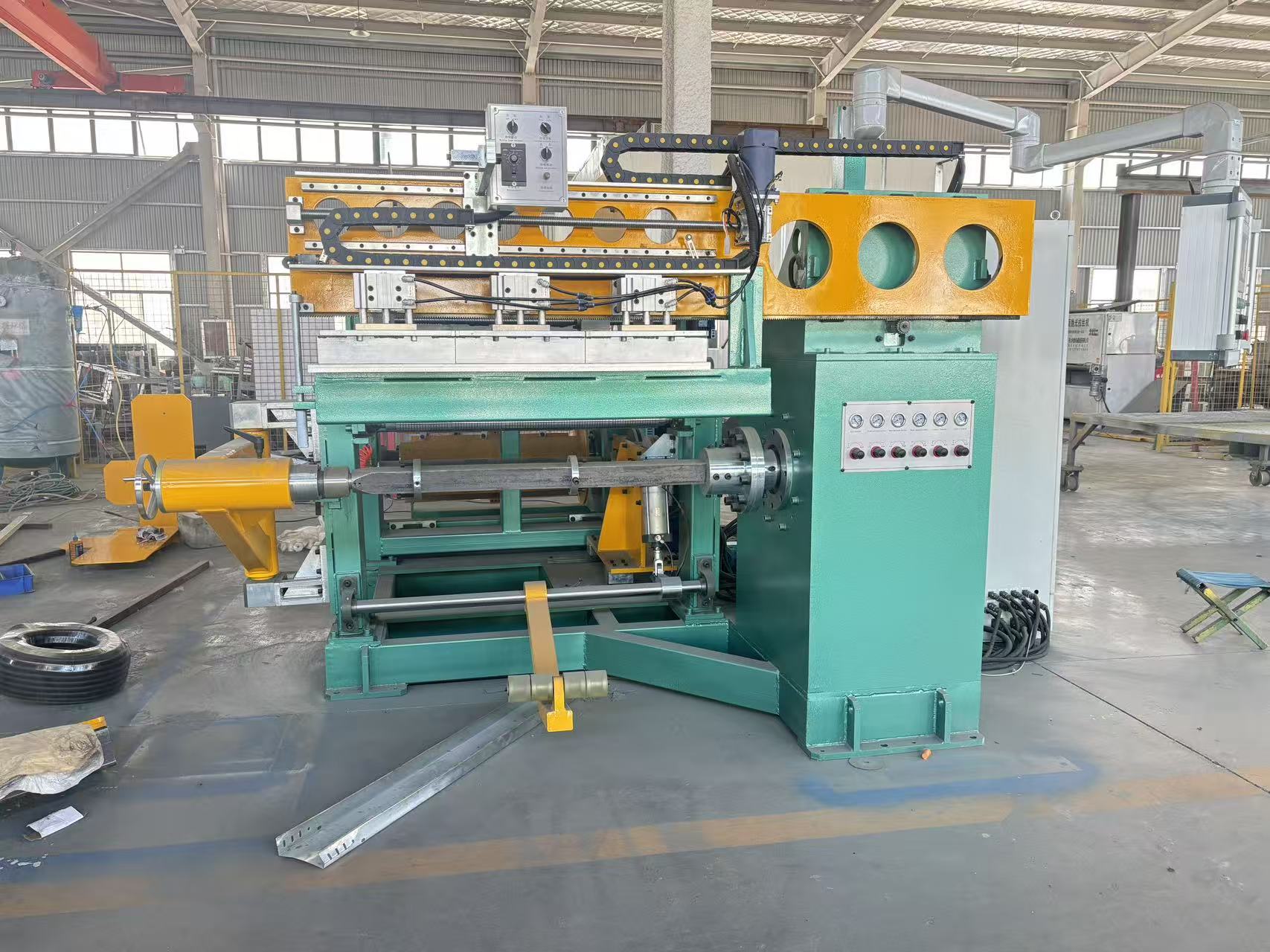
Utility projects demand precision, efficiency, and reliability in every manufacturing process. The transformer coil winding machine has become essential for modern power infrastructure development, enabling utilities and manufacturers to produce high-quality transformers at scale. An automated transformer coil winding machine eliminates manual labor variability, reduces production cycles, and ensures consistent coil specifications across thousands of units. This technology directly impacts project timelines, operational costs, and the reliability of power distribution networks serving industrial and residential consumers.
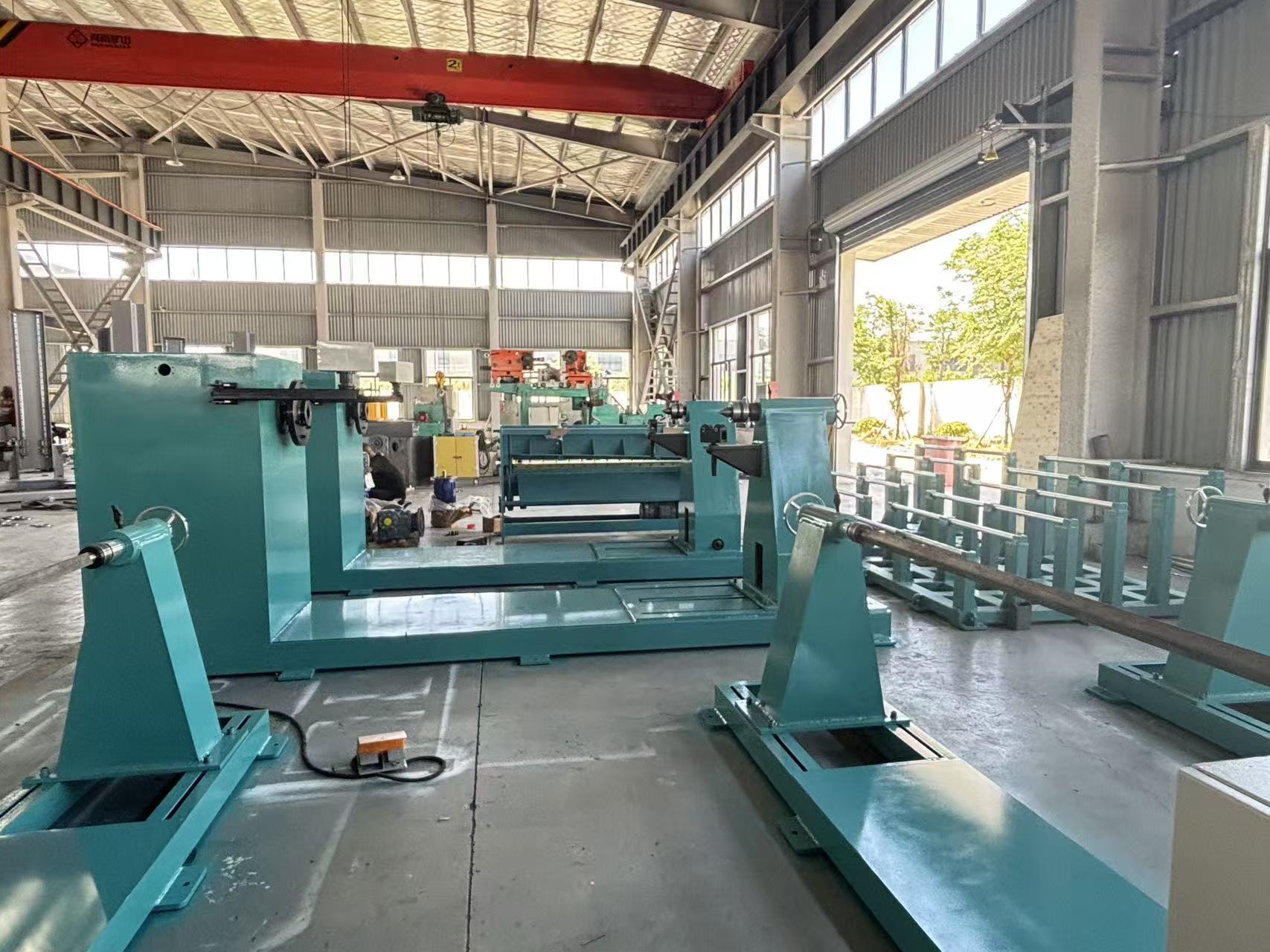
Modern utility projects face unprecedented pressure to deliver transformers faster without compromising quality. The transformer coil winding machine automates what once required skilled hand-winding technicians, reducing human error and production bottlenecks. Automated systems can manage wire tension, layer sequencing, and bobbin rotation with micron-level precision, producing consistently wound coils that meet strict industry standards. For utilities planning large-scale transformer deployment, investing in a transformer coil winding machine represents a strategic advantage in competitive procurement environments.
How Automated Transformer Coil Winding Machines Enhance Production Capability
Core Functionality and Precision Control
A transformer coil winding machine operates by automatically feeding wire through tension controllers, rotating bobbins at programmed speeds, and depositing wire layers in precise geometric patterns. The transformer coil winding machine uses servo motors and PLC-based logic to manage each variable independently, ensuring that wire diameter, layer pitch, and bobbin position remain within tolerance throughout production. This level of control is impossible to achieve consistently through manual winding, particularly for large utility-grade transformers requiring thousands of wire turns per coil section.
Utility projects benefit from the transformer coil winding machine's ability to handle diverse wire gauges and winding patterns without mechanical reconfiguration between jobs. Advanced models integrate real-time monitoring systems that track wire tension, winding speed, and coil dimensions, alerting operators to deviations before defects occur. The transformer coil winding machine reduces scrap rates significantly, as early detection prevents partially wound coils from being discarded after discovering errors deep in the winding sequence.
Integration with Utility-Scale Production Workflows
Utility manufacturers operating transformer coil winding machine systems can organize production around automated sequences, dramatically increasing throughput compared to manual operations. A single transformer coil winding machine can complete coil production in hours rather than days, enabling utilities to meet aggressive project schedules without maintaining oversized labor crews. This efficiency scales across multiple shifts and seasons, providing predictable production capacity that procurement teams can rely on when planning transformer deliveries.
Integration with quality management systems allows the transformer coil winding machine to generate documentation and traceability records automatically. Every coil produced by the transformer coil winding machine can be tagged with winding parameters, date, operator ID, and performance metrics, creating audit trails that satisfy regulatory requirements for utility equipment. This digital integration eliminates manual record-keeping and reduces compliance risk in large utility projects.
Cost Reduction and Return on Investment in Utility Projects
Labor Efficiency and Operational Savings
Deploying a transformer coil winding machine reduces direct labor requirements for coil production by 70 to 85 percent compared to manual winding operations. Rather than employing large teams of hand-winding technicians, utilities maintain smaller crews focused on machine setup, supervision, and quality verification. The transformer coil winding machine amortizes these labor savings over thousands of coils, delivering strong return on investment within 18 to 36 months for high-volume utility suppliers.
Beyond labor cost reduction, the transformer coil winding machine minimizes material waste through precise wire tension and layer control. Skipped layers, wire breakage, and over-wound sections—common in manual operations—become rare when using the transformer coil winding machine. For utilities ordering transformers containing miles of specialized wire, even small percentage waste reductions translate to substantial material cost savings per production run.
Scalability and Competitive Advantage
Utility procurement teams increasingly specify tight delivery schedules and premium performance requirements in transformer tenders. Manufacturers equipped with an automated transformer coil winding machine can bid more aggressively on timelines and pricing because their production capacity is predictable and their per-unit costs are lower. The transformer coil winding machine creates a competitive moat for utility manufacturers, making it difficult for manual-only competitors to match pricing or delivery performance on large orders.
For utilities planning to expand regional transformer manufacturing capacity, purchasing a transformer coil winding machine enables capacity growth without proportional increases in technical labor hiring. The machine scales with equipment investment rather than skill availability, which is often the limiting factor in regions with labor shortages. A transformer coil winding machine installation can double or triple production capacity at a single facility, supporting utility growth strategies without geographic expansion.
Technical Requirements and Selection Criteria for Utility Deployments
Machine Specifications and Compatibility
Selecting the right transformer coil winding machine requires matching machine specifications to the range of transformer sizes and winding patterns that utilities plan to produce. Key parameters include maximum coil diameter, wire gauge range, winding speed capability, and available programming flexibility. A transformer coil winding machine designed for small distribution transformers may lack the structural rigidity and power delivery systems needed for large utility-scale power transformers, making specification mismatches a common source of implementation problems.
The transformer coil winding machine must integrate smoothly with existing bobbin inventory, wire handling systems, and factory layout. Utilities should verify that the transformer coil winding machine can accommodate proprietary bobbins and wire specifications used in their transformer designs. Retrofitting facilities to work around incompatible transformer coil winding machine requirements creates hidden costs that can offset projected savings during the procurement phase.
Training, Support, and Operational Sustainability
Successfully deploying a transformer coil winding machine requires thorough operator training, maintenance protocols, and access to technical support throughout its operational lifespan. Utilities should confirm that transformer coil winding machine vendors provide comprehensive training programs covering setup, troubleshooting, and parameter adjustment. Inadequate training often leads to underutilization of the transformer coil winding machine's capabilities or operational errors that damage equipment or produce out-of-specification coils.
Spare parts availability and vendor responsiveness directly impact downtime risk when issues arise with the transformer coil winding machine. Utility projects cannot tolerate extended production interruptions, so establishing service level agreements with the transformer coil winding machine manufacturer is essential before purchase. Evaluating vendor reputation, regional support infrastructure, and parts stocking practices ensures that the transformer coil winding machine remains productive throughout its intended service life of ten to fifteen years.
FAQ
What wire gauges can a transformer coil winding machine handle for utility transformers?
Modern transformer coil winding machine systems accommodate wire gauges ranging from 0.5mm to 4mm diameter, covering the vast majority of utility transformer specifications. Larger conductors for high-capacity power transformers and smaller precision wires for control transformers both fit within the operational range of industrial-grade transformer coil winding machine equipment. Utilities should verify specific wire gauge compatibility with the transformer coil winding machine manufacturer before finalizing procurement to ensure all planned transformer designs can be produced without manual intervention.
How does automation in a transformer coil winding machine improve coil quality for critical infrastructure?
A transformer coil winding machine maintains uniform wire tension, consistent layer spacing, and precise turn counts throughout every coil, eliminating the variability inherent in manual hand-winding operations. This consistency translates directly to improved electrical performance, better thermal characteristics, and reduced failure risk in utility-grade transformers. The transformer coil winding machine's real-time monitoring catches winding defects instantly, ensuring that only coils meeting specification tolerances proceed to subsequent manufacturing stages, which is critical for utility infrastructure reliability.
What is the typical payback period for investing in a transformer coil winding machine?
Utilities and manufacturers typically recover transformer coil winding machine investment within 18 to 36 months through labor cost reduction, scrap elimination, and increased production throughput. The exact payback timeline depends on annual coil production volume, current manual labor costs, material waste rates, and the specific transformer coil winding machine model selected. Higher-volume utility suppliers see faster returns, while smaller manufacturers may require longer periods to amortize the capital investment, making production volume assessment essential before purchase commitment.