Բազմաֆունկցիոնալ արտադրական հնարավորություններ բազմազան կիրառումներում
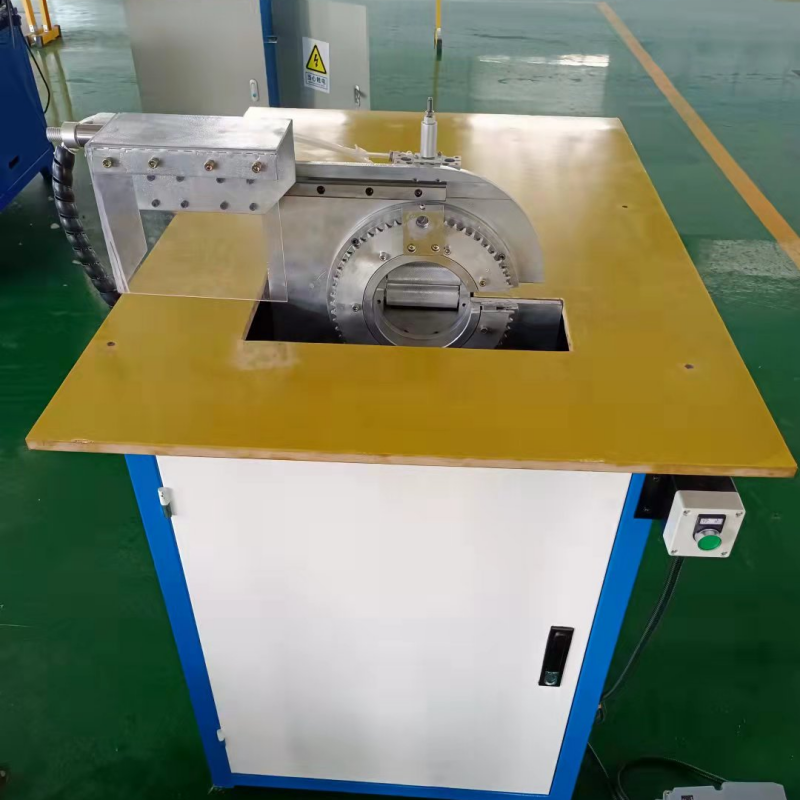
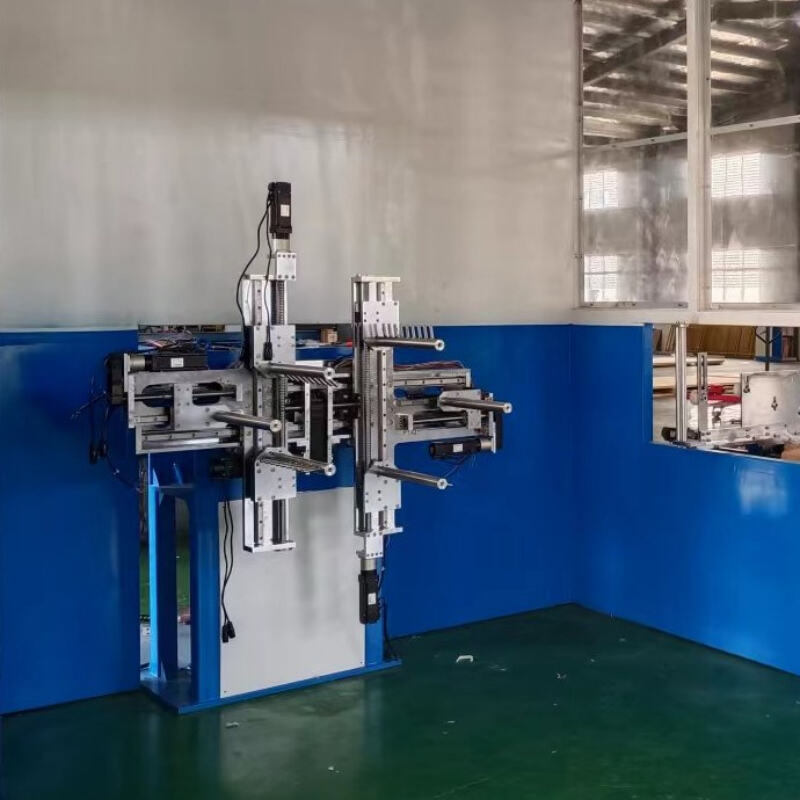
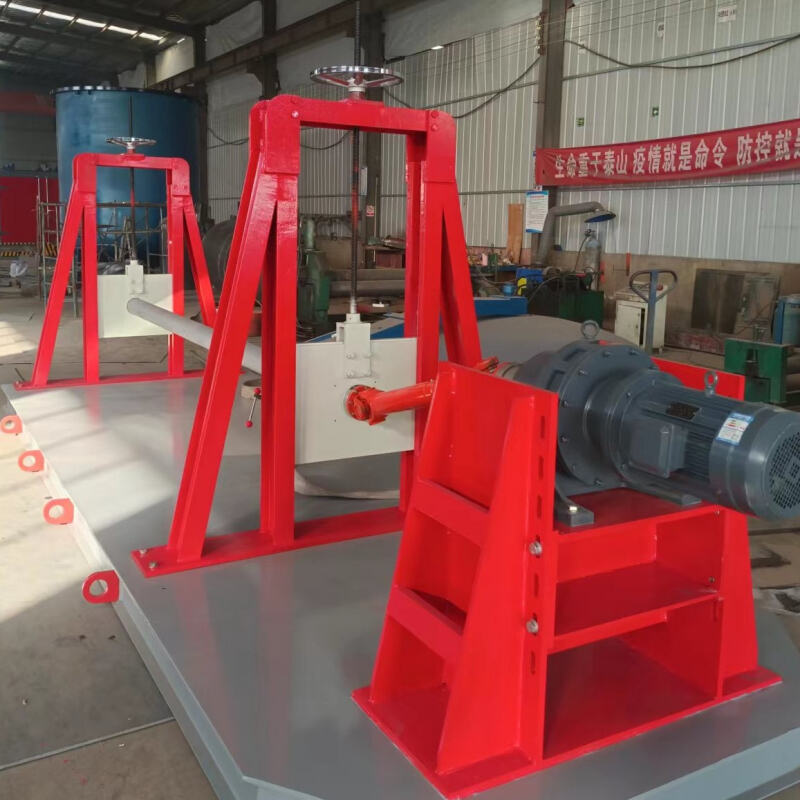
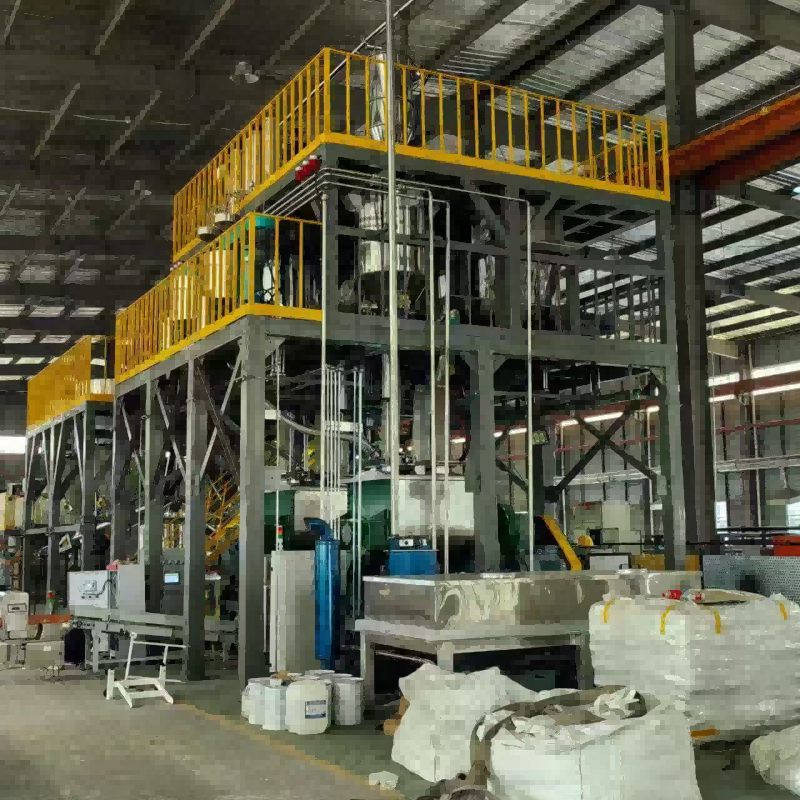
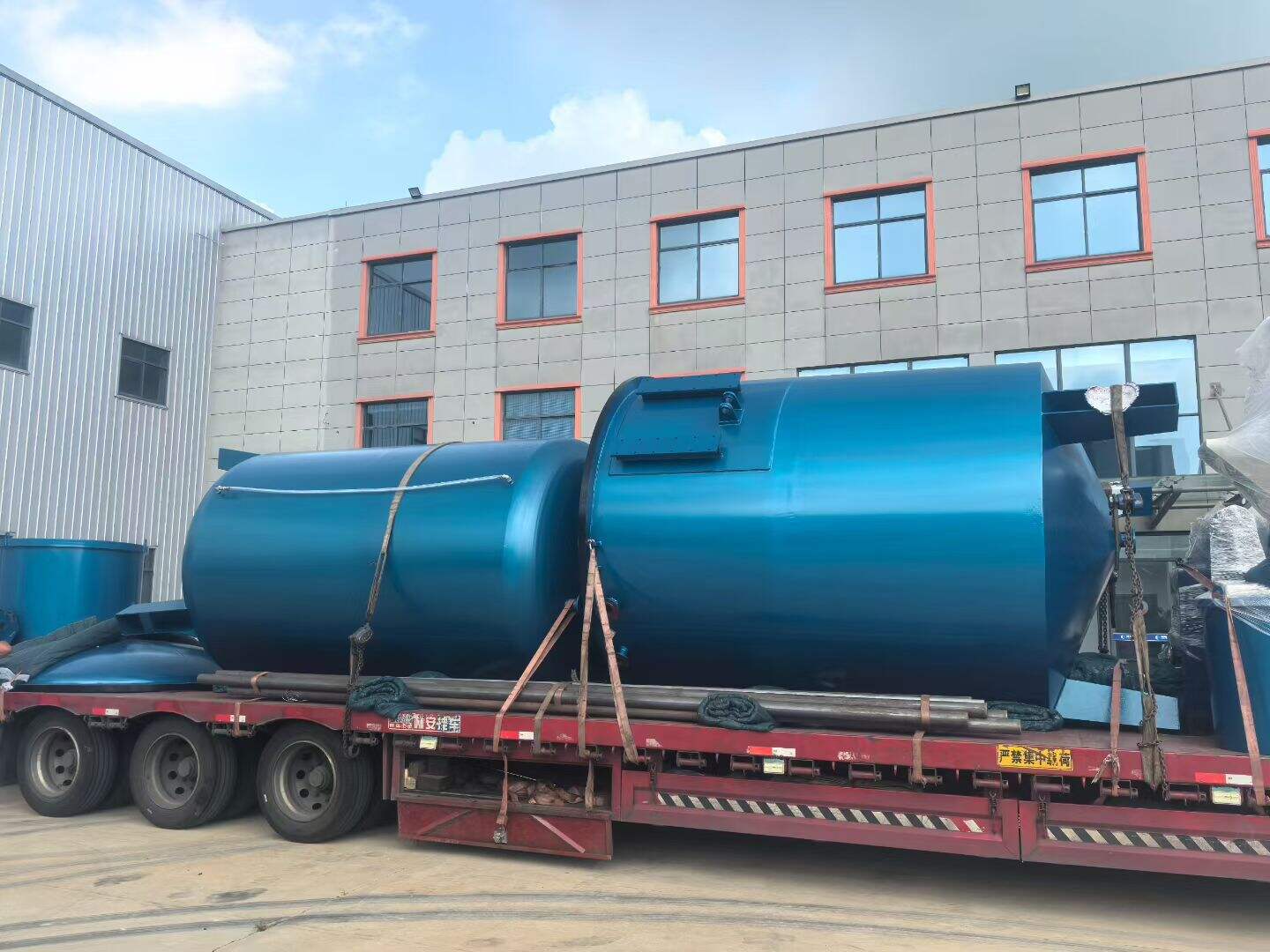
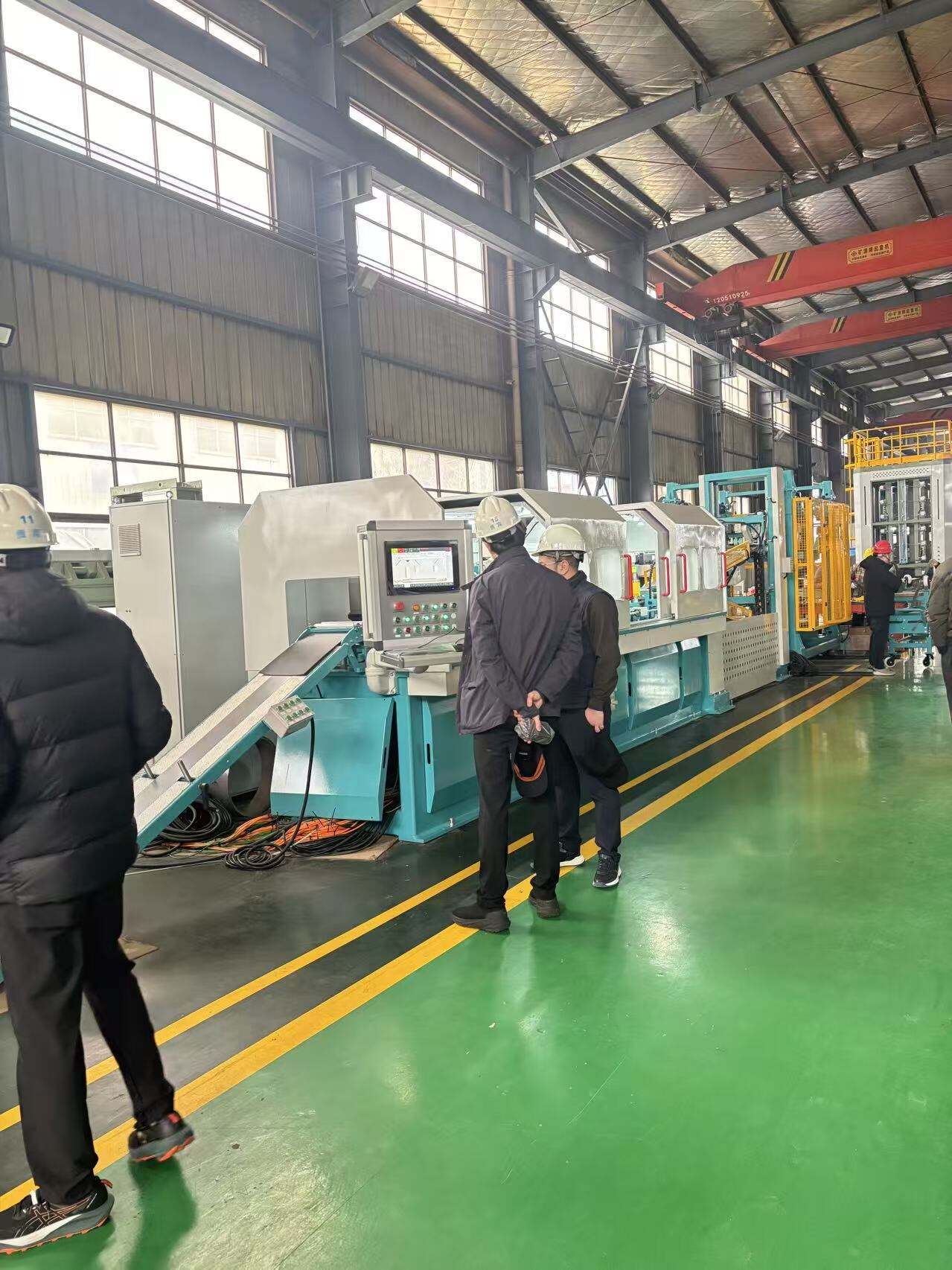
Ածխածնի մետաղալարի թելապտուտակավորման մեքենայի բացառիկ բազմակի օգտագործման հնարավորությունը բացում է հնարավորություններ արտասովորապես բազմազան արտադրական սցենարներում, դարձնելով այն ռազմավարական ներդրում, որը ծառայում է բազմաթիվ արտադրանքի գծերի և շուկայական հատվածների համար: Այս հարմարվողականությունը բխում է հիմնարար դիզայնային առանձնահատկություններից, որոնք թույլ են տալիս հարմարվել տարբեր մանդրելների կոնֆիգուրացիաներին, մասերի չափերին և պտուտակավորման նախշերի պահանջներին՝ առանց յուրաքանչյուր կիրառման համար ամբողջովին տարբեր սարքավորումների անհրաժեշտության: Մեքենան ընդունում է մանդրելներ, որոնց տրամագիծը տատանվում է մի քանի սանտիմետր չափի փոքր տրամագծով խողովակներից մինչև մի քանի մետր երկարությամբ և տրամագծով մեծ ճնշման տակ գտնվող ամաններ և կառուցվածքային գլաններ: Արագ փոխարինվող մանդրելների մոնտաժման համակարգերը թույլ են տալիս արդյունավետ անցում կատարել տարբեր մասերի երկրաչափությունների միջև՝ նվազեցնելով անաշխատունակ ժամանակը և մաքսիմալացնելով արտադրանքի արդյունավետ աշխատանքի ժամերը: Դուք կարող եք արտադրել պարզ գլանաձև ձևեր, ինչպես օրինակ՝ խողովակներ և տրուբներ պարզ օղակաձև պտուտակավորման նախշերով, ապա անցնել բարդ երկրաչափական ձևերի, ինչպես օրինակ՝ շշեր, ծալվածքներ և կոնաձև անցումներ, որոնք պահանջում են բարդ բազմաառանցք համակարգավորում: Ածխածնի մետաղալարի թելապտուտակավորման մեքենայի ծրագրավորման ճկունությունը աջակցում է ինչպես սիմետրիկ, այնպես էլ ասիմետրիկ մասերի արտադրությանը՝ համապատասխանելով տարբեր պատերի հաստություններ, ինտեգրված միացման մասեր և մասնագիտացված վերջավորումներ պահանջող մասերի դիզայնային պահանջներին: Նյութի համատեղելիությունը չի սահմանափակվում միայն ածխածնի մետաղալարով, այլ ներառում է նաև ապակե մետաղալար, արամիդային մետաղալար և հիբրիդային համադրություններ, ինչը հնարավորություն է տալիս յուրաքանչյուր կոնկրետ կիրառման համար նյութի ընտրությունը օպտիմալացնել կատարողական պահանջների և ծախսերի համեմատության հիման վրա: Սարքավորումը աշխատում է տարբեր սմոլային համակարգերի հետ, ներառյալ էպոքսիդային, պոլիեստերային, վինիլ-էստերային և մասնագիտացված բաղադրություններ, ինչը ձեզ ազատություն է տալիս համապատասխանեցնել մատրիցային նյութերը շահագործման միջավայրի պահանջներին՝ օրինակ՝ ջերմաստիճանային դիմացկունություն, քիմիական ազդեցության դիմացկունություն կամ կրակադիմացկունություն: Արտադրանքի ծավալի ճկունությունը ներկայացնում է մեկ այլ կարևոր առավելություն, քանի որ ածխածնի մետաղալարի թելապտուտակավորման մեքենան տնտեսապես արտադրում է ինչպես նախատիպեր, այնպես էլ բարձր ծավալով արտադրանք: Ծրագրավորման մոտեցումը վերացնում է թանկարժեք սարքավորման փոփոխությունների անհրաժեշտությունը, ինչը հնարավորություն է տալիս փոքր ծավալով հատուկ մասերի արտադրությունը, մինչդեռ ավտոմատացումը և արագությունը աջակցում են արդյունավետ զանգվածային արտադրությանը՝ պահանջների աճի դեպքում: Արդյունաբերության կիրառումները ընդգրկում են ավիատիեզերական բաղադրիչներ, որոնք պահանջում են սերտիֆիկացված արտադրական գործընթացներ և լրիվ փաստաթղթերի հետագծելիություն, ավտոմեքենաների մասեր, որոնք պահանջում են բարձր արտադրանքի տեմպեր և համասեռ որակ, էներգետիկ ենթակառուցվածքներ, որոնք պահանջում են կոռոզիայի դիմացկուն մեծ տրամագծով խողովակներ, սպորտային ապրանքներ, որտեղ կատարողական առավելությունները արդարացնում են caրճ նյութերի օգտագործումը, և արդյունաբերական սարքավորումներ, որոնք շահում են քաշի նվազեցման և ամրության բարելավման հետևանքով: Նույն մեքենան, որը արտադրում է վառելիքի բջիջներով ավտոմեքենաների համար բարձր ճնշման տակ ջրածնի պահեստավորման ամաններ, կարող է արտադրել թեթև հեծանիվների շրջանակներ, ստեղծել կոռոզիայի դիմացկուն քիմիական մշակման սարքավորումներ կամ ձևավորել ավիատիեզերական կիրառումների համար կառուցվածքային մասեր: Այս բազմակի օգտագործման հնարավորությունը պաշտպանում է ձեր կապիտալ ներդրումը՝ ապահովելով, որ ածխածնի մետաղալարի թելապտուտակավորման մեքենան մնում է արտադրողական, նույնիսկ երբ ձեր արտադրանքի տեսականի կազմը փոխվում է շուկայի պահանջների և ձեր բիզնեսի աճի հնարավորությունների հետ մեկտեղ:
 ×
×


 EN
EN