
 EN



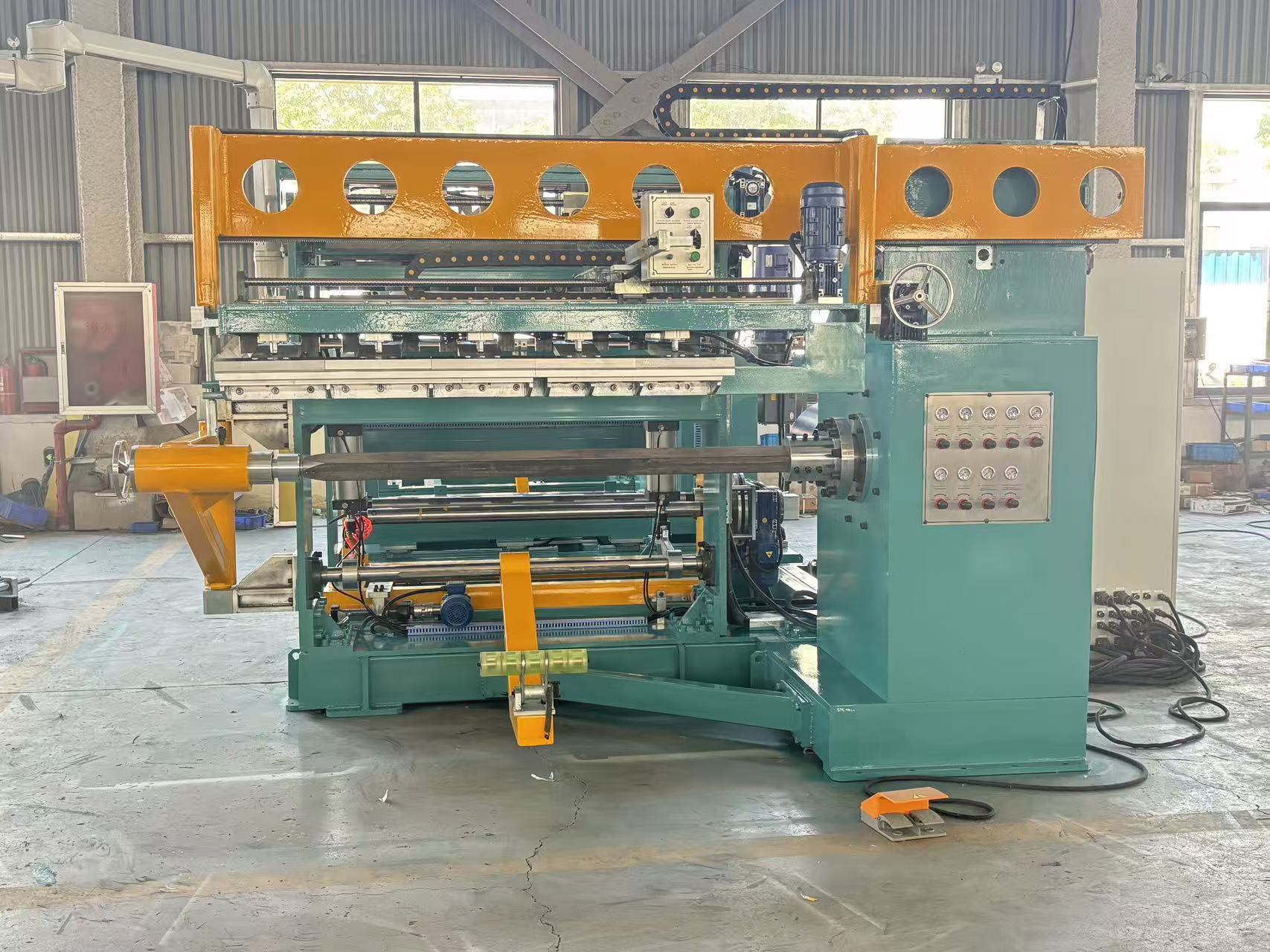
The transformer coil winding machine represents a critical investment for manufacturers producing large transformers. These sophisticated systems automate the process of wrapping copper or aluminum wire around transformer cores, a task that historically required significant manual labor and carried substantial precision risks. Modern transformer coil winding machines have evolved to meet the demanding requirements of industrial power distribution, renewable energy infrastructure, and specialized electrical equipment manufacturing. Understanding how a transformer coil winding machine operates and what capabilities drive its performance can help facility managers and procurement specialists make informed decisions about equipment upgrades and production optimization.
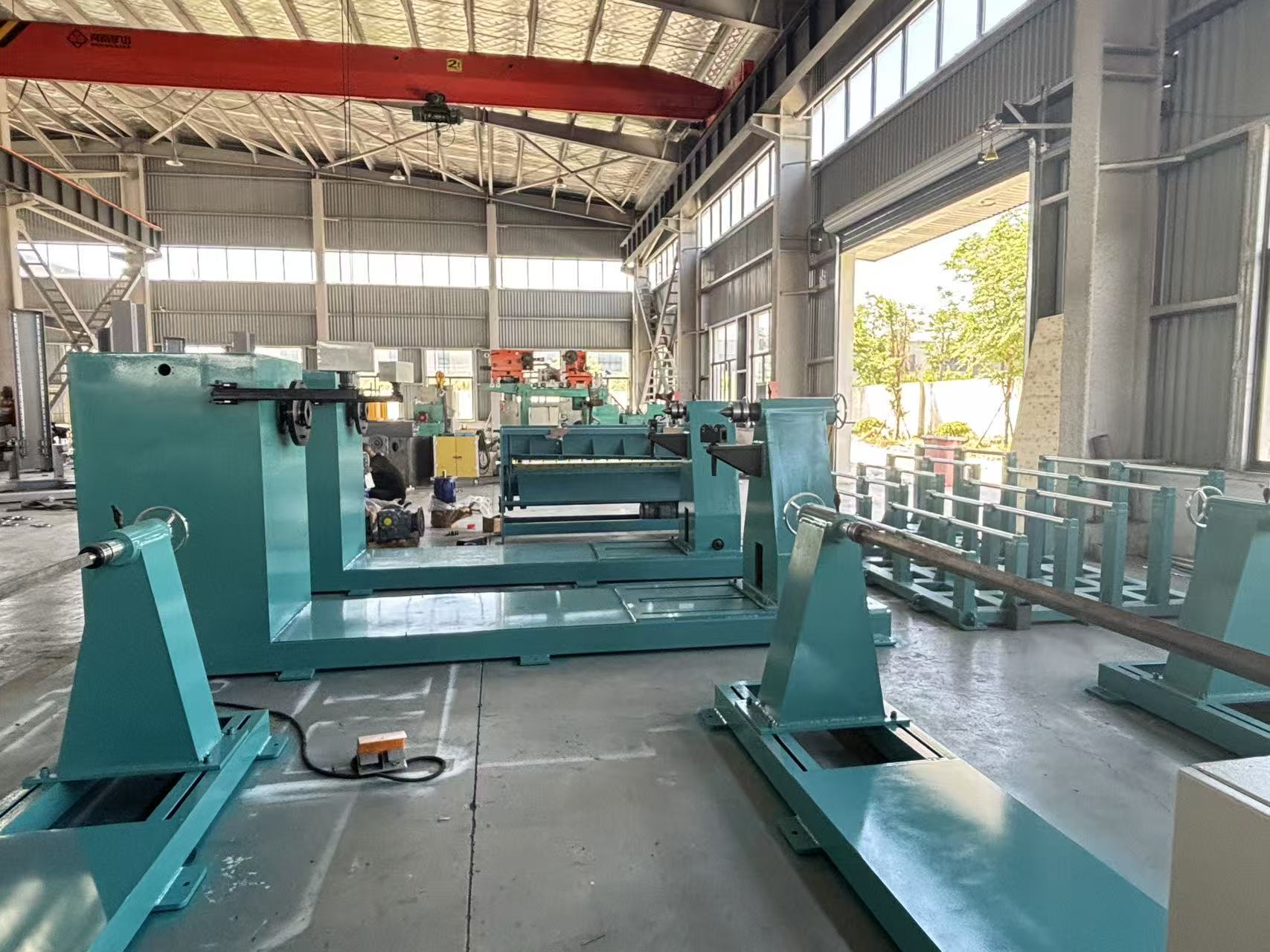
A transformer coil winding machine delivers precision, consistency, and speed advantages that directly impact production economics and product quality. The automation capabilities inherent in transformer coil winding machines reduce labor dependency, minimize wire tension variability, and eliminate human error that can compromise transformer performance. Large transformers present unique winding challenges due to their physical dimensions, wire gauges, and the complexity of multi-layer configurations. The investment in a transformer coil winding machine becomes justified when considering defect reduction, cycle time improvement, and the ability to scale production without proportional labor increases.
Core Functionality and Mechanical Design of Transformer Coil Winding Machines
Wire Tensioning and Precision Control Systems
The transformer coil winding machine relies on advanced tensioning systems to maintain consistent wire pressure throughout the winding process. These systems detect wire resistance and adjust spool speeds dynamically to keep tension within specification ranges. Precision control is essential because uneven tension creates weak points in the coil that can fail under electrical stress or thermal cycling. A transformer coil winding machine with electronic feedback loops monitors tension in real-time, automatically correcting variations that would otherwise compromise the final product. This automated regulation eliminates the guesswork associated with manual winding and ensures every transformer meets quality standards consistently.
Core Positioning and Layer Management
Transformer cores arrive at the transformer coil winding machine in various configurations, from small distribution units to massive power transmission components. The machine must securely position each core, rotate it at controlled speeds, and guide wire placement across multiple layers with mathematical precision. Large transformers often require dozens of winding layers, and the transformer coil winding machine manages this complexity by tracking wire position, calculating layer transitions, and preventing overlaps or gaps. Advanced machines incorporate automated layer reversal, where the winding direction flips to optimize space utilization and maintain structural integrity across the entire coil assembly.
Performance Metrics and Operational Advantages of Modern Transformer Coil Winding Machines
Production Capacity and Throughput Efficiency
Industrial facilities implementing a transformer coil winding machine typically report cycle time reductions between 40 and 60 percent compared to manual winding operations. A transformer coil winding machine designed for large transformers can process multiple cores simultaneously or handle larger individual cores than traditional methods allow. The speed advantage translates directly to increased facility throughput without expanding floor space or adding shifts. Manufacturers using a transformer coil winding machine can quote shorter delivery schedules, which strengthens competitiveness in markets where project timelines drive purchasing decisions.
Quality Consistency and Defect Reduction
Quality variations in transformer coils stem from inconsistent wire tension, irregular layer spacing, and accidental wire placement errors. A transformer coil winding machine eliminates these human variables by executing identical parameters across every unit produced. The result is measurable improvements in transformer efficiency, reduced failure rates in the field, and fewer warranty claims. Customers purchasing large transformers increasingly demand documentation of manufacturing precision, and a transformer coil winding machine provides verifiable data proving each coil meets exacting specifications. This quality assurance capability creates competitive advantage and builds customer confidence in long-term reliability.
Integration with Large Transformer Manufacturing and Industry Applications
Adapting Transformer Coil Winding Machine Capabilities for Diverse Transformer Types
Large transformers serve different industries with vastly different electrical requirements. A utility-scale power transformer differs significantly from a specialized industrial transformer or a renewable energy interconnection unit. The transformer coil winding machine must accommodate these variations through flexible programming, interchangeable fixtures, and configurable wire guides. Modern equipment allows operators to adjust parameters without physical tool changes, reducing changeover time between different transformer designs. This flexibility means a single transformer coil winding machine can serve multiple product lines, maximizing asset utilization and supporting both large-volume and specialized low-volume production.
Integration with Transformer Assembly and Quality Verification Systems
The transformer coil winding machine functions as one component within an integrated manufacturing workflow. After winding, coils transfer to pressing equipment, insulation application systems, and final assembly stations. Modern transformer coil winding machines include data logging capabilities that track every winding cycle, creating quality records that feed into enterprise manufacturing systems. This integration enables real-time identification of issues before defective coils advance to downstream processes. Some facilities link transformer coil winding machine output directly to automated inspection systems that measure coil dimensions, verify wire spacing, and validate electrical continuity before secondary operations begin.
FAQ
What makes a transformer coil winding machine suitable for large transformers versus small units?
Large transformers require transformer coil winding machines with significantly higher torque ratings, larger winding spindles, and more robust core positioning systems. The transformer coil winding machine designed for large transformers must handle heavier wire gauges, accommodate thicker insulation layers, and execute more complex multi-zone winding patterns. Small transformers may use simpler machines with lower cost and footprint, but a transformer coil winding machine for large units demands industrial-grade construction, superior thermal management, and advanced control electronics to handle extended production cycles.
How does a transformer coil winding machine improve return on investment in manufacturing?
The transformer coil winding machine improves ROI through reduced labor costs, decreased scrap and rework, faster production cycles, and enhanced product quality that commands higher market prices. Manufacturers achieve payback periods typically ranging from two to four years depending on production volume and labor rates. Beyond direct savings, a transformer coil winding machine enables manufacturers to pursue larger contracts and serve customers who require certified precision and consistent quality, which justifies premium pricing.
What maintenance and technical support do transformer coil winding machines require?
The transformer coil winding machine requires regular preventive maintenance including bearing inspection, belt replacement, wire guide cleaning, and electronic calibration. Most equipment manufacturers provide comprehensive support packages including operator training, spare parts availability, and remote diagnostic capabilities. Facilities should budget approximately five to eight percent of equipment cost annually for maintenance and consumables to ensure a transformer coil winding machine operates at peak performance throughout its operational life.