
 EN



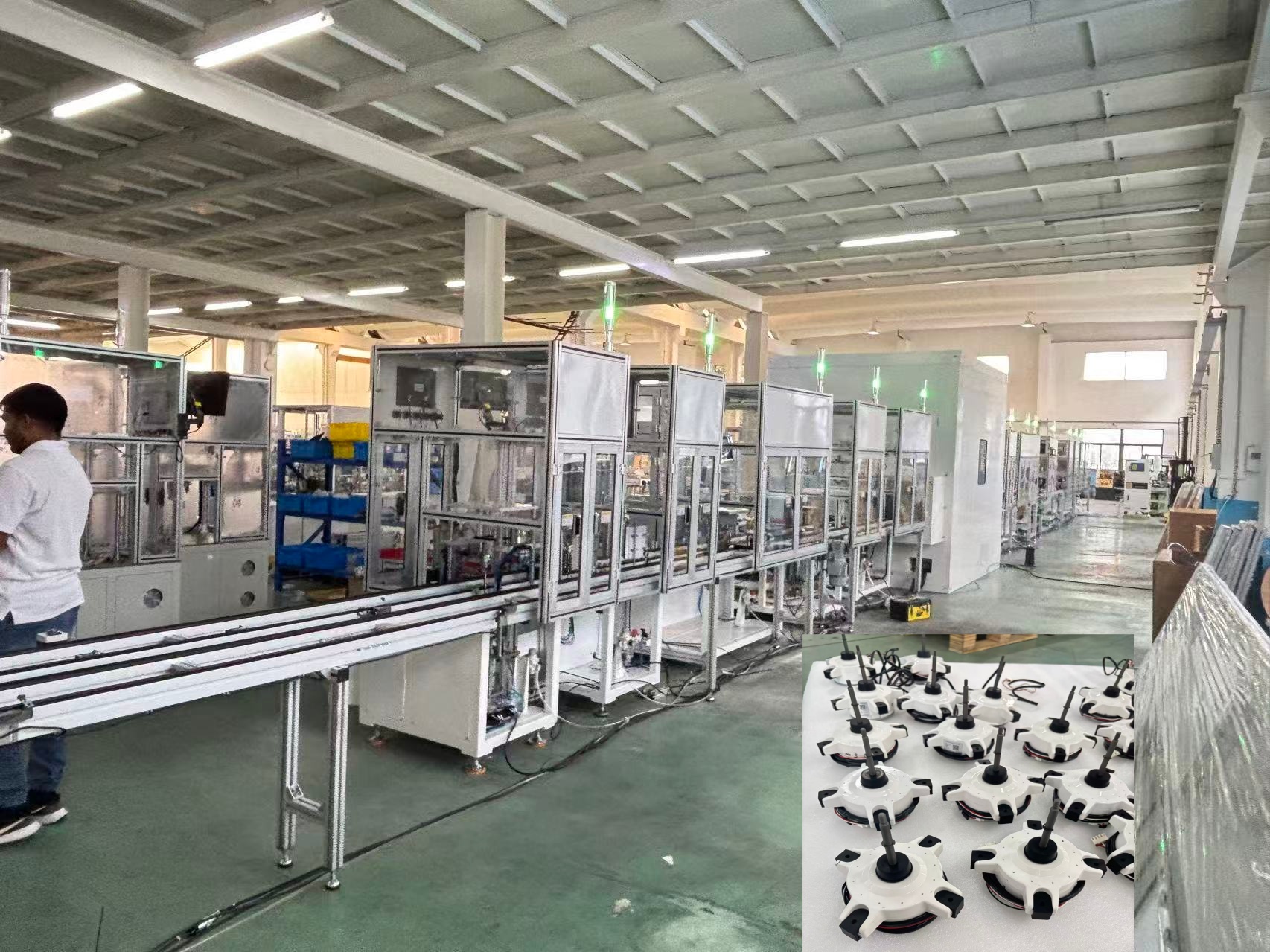
Selecting the right BLDC motor assembly machine is a critical decision that directly impacts production efficiency, quality consistency, and operational costs in modern manufacturing environments. Whether you're upgrading existing production lines or establishing a new facility, understanding how to properly evaluate and compare available BLDC motor assembly machine options is essential to making an informed investment. The complexity of modern motor assembly, combined with the rapid evolution of automation technology, means that buyers must consider multiple factors beyond initial purchase price.
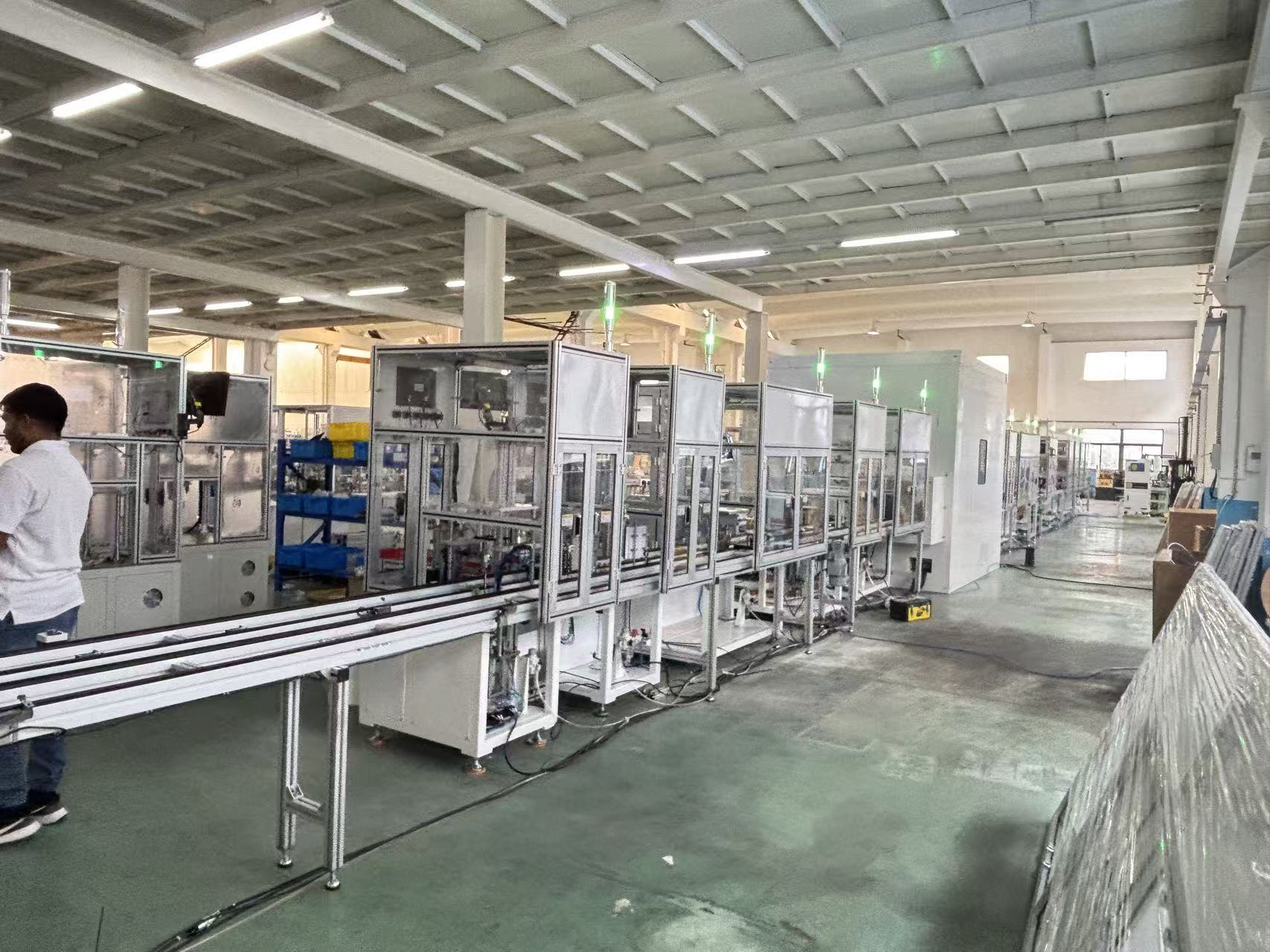
A comprehensive comparison framework helps manufacturers identify which BLDC motor assembly machine solution best aligns with their production requirements, budget constraints, and long-term strategic goals. This guide walks through the essential evaluation criteria, comparison methodology, and practical considerations that distinguish superior equipment choices from merely adequate alternatives in the competitive landscape of motor assembly machinery.
Understanding Core Technical Specifications
Production Capacity and Speed Metrics
Production capacity represents one of the most straightforward yet crucial comparison points when evaluating a BLDC motor assembly machine. Different manufacturers offer varying throughput rates, typically measured in units per hour or daily production volume. When comparing options, you must align the BLDC motor assembly machine capacity with your current demand and projected growth over the next three to five years. Oversizing equipment leads to unnecessary capital expenditure and underutilization, while undersizing creates bottlenecks that compromise your entire production schedule and customer delivery commitments.
The speed capabilities of a BLDC motor assembly machine should be evaluated against the specific motor types your business manufactures. Different BLDC designs, ranging from small precision motors to larger industrial units, require different assembly approach times and handling protocols. Additionally, verify whether the equipment's rated speed is achievable under real-world conditions with your typical component specifications, quality tolerances, and material characteristics, not just under ideal laboratory scenarios.
Precision and Quality Control Features
Precision capabilities directly influence the quality and reliability of assembled BLDC motors and ultimately determine your competitive position in the market. When comparing BLDC motor assembly machine models, examine the tolerance specifications, repeatability ratings, and integrated quality assurance mechanisms. A superior BLDC motor assembly machine incorporates vision systems, torque verification sensors, and dimensional checking capabilities that detect defects during assembly rather than requiring costly post-production inspection and rework.
Quality control integration within the BLDC motor assembly machine itself reduces scrap rates, minimizes customer returns, and enhances your reputation for reliability. Look for equipment that provides real-time data logging, statistical process control capabilities, and traceability features that document each unit's assembly parameters. These features become increasingly valuable as customer requirements for quality documentation and audit trails intensify across automotive, aerospace, and industrial sectors.
Automation, Flexibility, and Scalability Considerations
Automation Level and Labor Requirements
The degree of automation embedded in a BLDC motor assembly machine fundamentally affects your long-term labor costs and operational flexibility. Fully automated systems require substantial upfront investment but deliver consistent output and reduced dependency on skilled assembly technicians, which becomes advantageous in tight labor markets. Conversely, semi-automated BLDC motor assembly machine options may have lower initial costs but demand continuous operator involvement and attention, potentially limiting scalability without proportional increases in headcount.
Evaluate the staffing model required for different BLDC motor assembly machine configurations by calculating total labor costs across a five-year ownership period. A fully automated system with one operator monitoring multiple lines often proves more economical than multiple semi-automated machines requiring dedicated technicians, especially as wage pressures increase. Additionally, automated BLDC motor assembly machine solutions provide better consistency during shift transitions and reduce errors caused by fatigue or operator variability.
Design Flexibility and Product Changeability
Modern manufacturing demands that your BLDC motor assembly machine accommodate product variations, custom specifications, and market changes without requiring complete equipment replacement. Compare how easily different BLDC motor assembly machine models transition between motor sizes, configurations, and assembly sequences. Equipment featuring modular tooling, programmable logic controllers, and quick-change fixtures provides significant competitive advantages when serving diverse customer requirements or entering new market segments.
The changeover time for a BLDC motor assembly machine between different motor specifications should be measured in minutes, not hours. Request detailed specifications about which components require physical replacement versus software reconfiguration when switching between products. A flexible BLDC motor assembly machine that handles multiple product variants reduces your need for duplicate equipment investments and maximizes capital efficiency across your production facility.
Economic Analysis and Total Cost of Ownership
Initial Capital Investment and Payment Structure
The purchase price of a BLDC motor assembly machine represents only the first component of total investment. When comparing equipment options, request detailed breakdowns that separate machine cost from installation, tooling, software licensing, training, and spare parts inventory requirements. Some manufacturers bundle these elements while others present them separately, making direct price comparison difficult without standardization. A seemingly cheaper BLDC motor assembly machine may become significantly more expensive once all ancillary costs are included in the calculation.
Evaluate the payment and financing structures offered by different suppliers for their BLDC motor assembly machine solutions. Lease-to-own arrangements, performance-based pricing, or stepped payment schedules tied to equipment acceptance milestones can reduce financial strain compared to lump-sum capital expenditure. Analyze cash flow implications across your business planning horizon to determine which financial structure best aligns with your budget management and capital allocation priorities.
Operational Costs and Maintenance Requirements
Operating costs accumulate significantly over the equipment lifetime and should dominate your comparison analysis when evaluating different BLDC motor assembly machine options. Energy consumption varies substantially between models, with newer designs incorporating efficiency features that reduce electrical demand and associated utility expenses. Request utility consumption data from manufacturers, ideally backed by independent testing or third-party verification, rather than relying solely on specification sheets.
Maintenance requirements fundamentally impact the total cost of ownership for your BLDC motor assembly machine investment. Compare scheduled maintenance intervals, spare parts availability, typical service costs, and mean time between failures reported for competing equipment models. Suppliers with extensive service networks, readily available replacement components, and responsive technical support often justify higher equipment purchase prices through lower maintenance costs and reduced unplanned downtime. Request information about warranty coverage, extended service plans, and preventive maintenance programs that the BLDC motor assembly machine supplier provides or endorses.
FAQ
What are the primary differences between various BLDC motor assembly machine manufacturers?
Different manufacturers emphasize different strengths when designing their BLDC motor assembly machine solutions. Some prioritize maximum automation and high-volume production efficiency, while others focus on flexibility for diverse motor specifications or smaller batch sizes. Regional manufacturers often provide superior local service support and faster spare parts delivery, whereas international suppliers may offer more advanced automation technology and engineering resources. Your comparison should prioritize which strengths align with your specific operational priorities rather than selecting based on brand reputation alone.
How should I calculate the return on investment for a BLDC motor assembly machine?
Return on investment calculation for a BLDC motor assembly machine requires comparing the total implementation cost against the labor savings, quality improvements, and increased throughput enabled by the equipment. Calculate per-unit production costs under your current manual assembly process, then compare against projected costs using the BLDC motor assembly machine. Include productivity gains from reduced defects, faster cycle times, and ability to meet tighter customer deadlines. Most quality-focused BLDC motor assembly machine installations achieve positive return on investment within two to three years when total benefits are properly quantified.
What are common mistakes when comparing BLDC motor assembly machines?
A frequent error involves comparing only the initial purchase price of a BLDC motor assembly machine without accounting for installation, training, and operational costs that substantially exceed the equipment cost. Another mistake is selecting BLDC motor assembly machine capacity based on peak demand rather than average production needs, leading to expensive underutilization. Additionally, many buyers underestimate the importance of local technical support and spare parts availability when choosing between BLDC motor assembly machine suppliers located in different regions, resulting in costly downtime when service becomes necessary.