
 EN



Selecting the right wheel rim forming machine is one of the most consequential decisions a steel wheel manufacturer can make. The equipment you choose directly determines your output quality, production speed, and long-term operational costs. With so many configurations and technical specifications available, understanding what truly matters in a wheel rim forming machine helps you avoid costly mismatches between your capacity goals and your actual equipment performance.
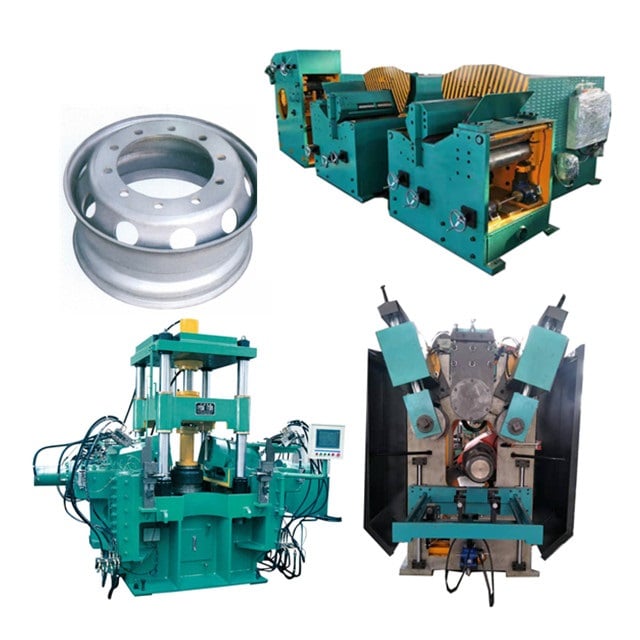
Steel wheel production demands precision at every stage, and the wheel rim forming machine sits at the heart of that process. From shaping flat steel strips into cylindrical rim profiles to handling the dimensional tolerances required for truck, agricultural, or industrial wheels, the right wheel rim forming machine must align with your product range, material grades, and daily throughput targets. This guide walks through the core selection criteria so you can make a confident, well-informed investment.
Understanding What a Wheel Rim Forming Machine Does
The Core Function in Steel Wheel Production
A wheel rim forming machine takes flat or coiled steel strip and progressively shapes it into a rim profile through a series of roll-forming and pressing operations. Each wheel rim forming machine is engineered to handle specific rim diameters, typically ranging from smaller passenger car sizes to large truck or off-road wheel diameters of 24 inches and above. The machine coordinates multiple forming stations, welding units, and sizing tools to produce a finished rim blank ready for further assembly or finishing.
Understanding this sequence is critical when choosing a wheel rim forming machine because each stage introduces variables that affect dimensional accuracy. A high-quality wheel rim forming machine maintains tight tolerances across the full production run, ensuring consistent flange profiles, bead seat dimensions, and rim width. When you evaluate a wheel rim forming machine, always ask for documented tolerance data and sample inspection reports from actual production runs.
Key Processes Integrated Into Modern Equipment
Modern wheel rim forming machine designs integrate multiple sub-processes into a single production line. These typically include strip feeding, roll forming, butt welding or flash welding, expanding, profiling, and end trimming. A well-configured wheel rim forming machine reduces manual handling between stations, which lowers labor costs and minimizes the risk of dimensional variation. When comparing equipment options, consider how many of these processes are fully automated within the wheel rim forming machine line versus how many require separate standalone machines.
Critical Selection Criteria for a Wheel Rim Forming Machine
Rim Size Range and Material Compatibility
One of the first factors to evaluate is the rim size range that a wheel rim forming machine can accommodate. If your production plan covers a broad diameter range, such as 24 to 54 inches, you need a wheel rim forming machine designed with flexible tooling or quick-change roll sets. Locking yourself into a wheel rim forming machine with a fixed narrow size range limits your ability to respond to new customer requirements or market shifts. Always map your current and projected product portfolio before committing to a specific wheel rim forming machine specification.
Material compatibility is equally important. A wheel rim forming machine intended for standard carbon steel may not be suitable for high-strength steel grades used in heavy-duty truck or agricultural wheel rims. Confirm the machine's rated tensile strength capacity and check whether the wheel rim forming machine can handle the specific steel grades specified in your product drawings. Investing in a wheel rim forming machine that matches your material requirements from day one prevents expensive retrofitting later.
Production Speed and Automation Level
Production speed directly affects your cost per unit and your ability to meet customer delivery schedules. When evaluating a wheel rim forming machine, compare cycle times under realistic production conditions, not just theoretical peak speeds. A wheel rim forming machine that claims high output but requires frequent manual adjustments may actually deliver lower effective throughput than a slightly slower but fully automated wheel rim forming machine. Assess the automation level across feeding, welding, expanding, and transfer operations to get an accurate picture of real-world output.
Automation also affects workforce requirements. A highly automated wheel rim forming machine line may require fewer operators but demands technicians who can manage programmable controls and servo systems. Factor training costs and local technical support availability into your total cost of ownership when comparing wheel rim forming machine options. A wheel rim forming machine that is well-supported in your region will have lower lifetime maintenance costs than an equivalent machine with poor local service coverage.
Tooling Flexibility and Changeover Efficiency
If your production schedule involves frequent model changes, tooling changeover time becomes a major operational factor. A wheel rim forming machine with a modular roll-set design allows operators to switch between rim profiles much faster than a fixed-configuration wheel rim forming machine. Calculate the impact of changeover downtime on your monthly production capacity. A wheel rim forming machine that takes four hours to change over versus one that takes forty-five minutes can represent a significant difference in annual output, especially for manufacturers producing multiple rim sizes on the same line.
Evaluating Supplier Capability and Long-Term Support
Technical Specifications and Factory Acceptance Testing
Beyond the machine itself, the supplier's technical capability plays a large role in the success of your wheel rim forming machine investment. Request detailed engineering drawings, control system documentation, and a formal factory acceptance test protocol before finalizing any wheel rim forming machine purchase. A reputable wheel rim forming machine supplier will run acceptance tests using your specified steel grades and rim sizes, providing documented output data before shipment. This step protects you from receiving a wheel rim forming machine that performs differently from what was promised.
Evaluate the supplier's experience with wheel rim forming machine lines specifically sized for your target diameter range. A supplier with a strong track record in 24-to-54-inch wheel rim forming machine lines brings application-specific knowledge that translates into better initial setup, faster commissioning, and more reliable long-term performance. Ask for reference customers who operate the same or similar wheel rim forming machine configurations in comparable production environments.
After-Sales Service and Spare Parts Availability
A wheel rim forming machine is a long-term capital asset, and its value depends heavily on uptime. Confirm that your supplier maintains a spare parts inventory for your wheel rim forming machine model and can deliver critical components within an acceptable lead time. A wheel rim forming machine that sits idle waiting for parts erodes your return on investment quickly. Negotiate a service-level agreement that specifies response times for technical support and field service visits as part of your wheel rim forming machine procurement contract.
FAQ
What rim diameter range should a wheel rim forming machine cover for truck wheel production?
For truck and heavy-duty wheel production, a wheel rim forming machine typically needs to cover diameters from around 20 inches up to 54 inches or larger, depending on your product range. Confirm the exact size range with your customers before specifying the wheel rim forming machine tooling configuration.
How does steel grade affect wheel rim forming machine selection?
Higher-strength steel grades require a wheel rim forming machine with greater roll-forming force capacity and more robust welding systems. Always provide your steel specifications to the wheel rim forming machine supplier so they can confirm the machine's rated capability matches your material requirements.
What is a realistic changeover time for a modern wheel rim forming machine?
On a well-designed wheel rim forming machine with modular tooling, changeover between rim profiles can take 45 minutes to 2 hours depending on the size difference and operator experience. Older or fixed-configuration wheel rim forming machine lines may require 4 hours or more, which has a significant impact on effective production capacity.