
 EN



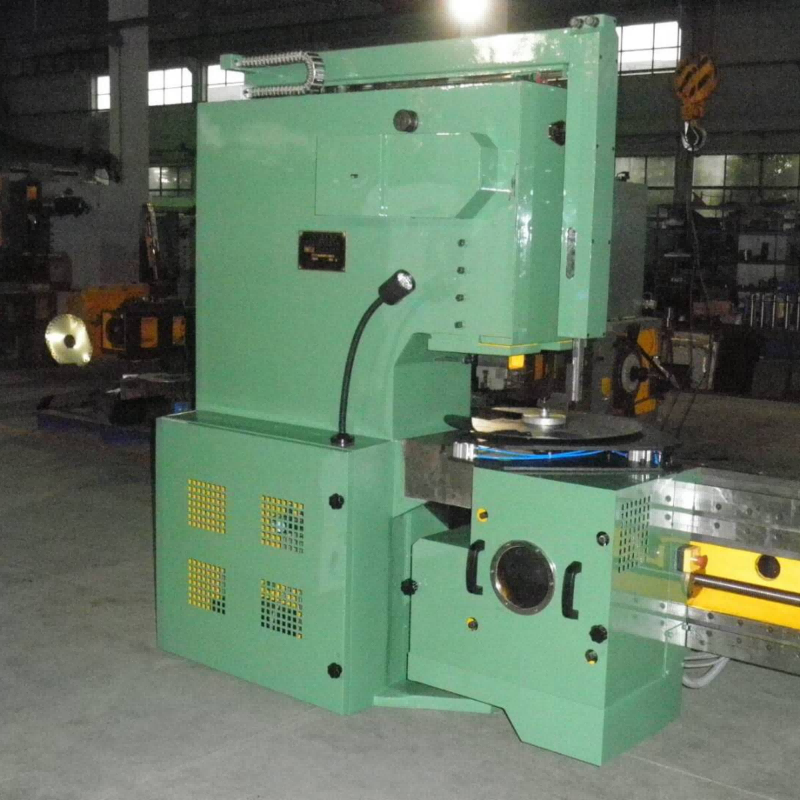
In modern electric motor manufacturing, a motor notching press plays a critical role in shaping stator laminations with the dimensional accuracy that high-performance motors demand. As production volumes grow and motor designs become more complex, the motor notching press must handle continuous, high-load cycles without sacrificing precision or structural integrity. Choosing the right motor notching press is therefore not just a procurement decision — it is a foundational engineering choice.
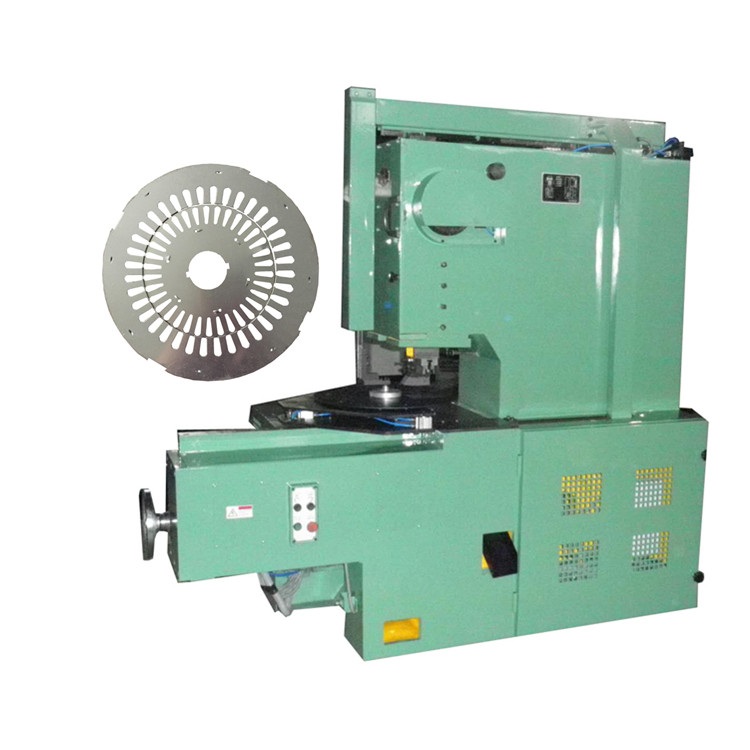
This article explores what a durable motor notching press means in a heavy-duty fabrication environment, why structural robustness and servo-driven control matter, and how motor manufacturers can evaluate a motor notching press for long-term production reliability. Whether you are scaling output or upgrading an existing motor notching press line, understanding the core capabilities of a heavy-duty motor notching press will guide smarter investment decisions.
Core Design Features of a Durable Motor Notching Press
Rigid Frame Construction
The foundation of any durable motor notching press is its mechanical frame. A heavy-duty motor notching press must be built from high-grade cast iron or welded steel that absorbs vibration, resists deformation under repeated impact loads, and maintains alignment over years of continuous operation. Frame rigidity directly affects notch geometry consistency, meaning that a motor notching press with a weak or flexible frame will produce dimensional drift over time, leading to poor stator stack quality and increased scrap rates. Manufacturers who rely on a motor notching press for round-the-clock production cannot afford this kind of structural instability.
A well-engineered motor notching press integrates precision-ground guide columns, reinforced die mounting surfaces, and thermally stable bed geometry. These features collectively ensure that each notch stamped by the motor notching press falls within a tight tolerance band, regardless of ambient temperature changes or prolonged run cycles. When evaluating a motor notching press for a heavy-duty line, the frame specification is the first data point that experienced engineers review.
Servo-Driven Precision Mechanism
Modern motor notching press solutions increasingly rely on servo motor drive systems rather than purely mechanical flywheel configurations. A servo-driven motor notching press allows programmable stroke depth, variable speed control, and real-time torque monitoring — capabilities that make the motor notching press far more adaptable to different lamination materials and thicknesses. Silicon steel, the dominant material in stator lamination production, varies in hardness across grades, and a motor notching press with servo control adjusts dynamically to maintain consistent cut quality across every lamination batch.
The servo-driven motor notching press also enables quicker changeover between notching programs. An operator can switch the motor notching press from one stator slot pattern to another without manual tooling reconfiguration, reducing downtime significantly. For heavy-duty fabrication facilities running multiple motor frame sizes, this flexibility in the motor notching press translates directly into higher equipment utilization and lower cost per part.
Heavy-Duty Performance Requirements for Motor Fabrication
Continuous Duty Cycle Capability
Heavy-duty motor fabrication demands that every motor notching press in the line performs reliably under continuous duty cycles, often running multiple shifts per day. A motor notching press rated for heavy-duty use must have a robust lubrication system, thermally managed drive components, and a die clamping mechanism that does not loosen under sustained vibration. The motor notching press must also include reliable safety interlocks and automatic overload protection to prevent damage during unexpected material irregularities.
Fatigue resistance is another critical dimension of motor notching press performance. Over millions of stamping cycles, the punch and die of a motor notching press are exposed to enormous cumulative stress. A heavy-duty motor notching press uses high-speed steel or carbide tooling with surface treatments that extend die life significantly. Pairing a durable motor notching press frame with long-life tooling reduces the total cost of ownership and ensures that production targets remain achievable without frequent maintenance interruptions.
Indexing Accuracy and Slot Consistency
The defining output quality measure for any motor notching press is the angular accuracy of each notch position around the lamination circumference. A durable motor notching press achieves this through a precision indexing mechanism — typically a servo-controlled rotary table or a high-resolution encoder-based positioning system. The motor notching press must index each lamination to the correct angular position before every punch stroke, ensuring that all notches are evenly distributed and that the stator stack assembles cleanly.
Inconsistent indexing in a motor notching press leads to uneven slot spacing, which directly impacts motor electromagnetic performance. Vibration, noise, and reduced torque efficiency are common consequences of poor notch placement. A heavy-duty motor notching press with tight indexing accuracy prevents these outcomes and supports the production of motors that meet strict performance certifications. This is particularly important for motors used in industrial drive systems, electric vehicles, and energy-efficient HVAC equipment.
Evaluating a Motor Notching Press for Long-Term Use
Structural Durability and Maintenance Accessibility
When selecting a motor notching press for a heavy-duty fabrication environment, long-term durability must be assessed alongside initial performance specifications. A motor notching press that is difficult to maintain will accumulate hidden downtime costs, even if its mechanical specs appear strong on paper. Look for a motor notching press design that provides easy access to lubrication points, straightforward die replacement procedures, and modular electrical components that can be serviced without specialized tools.
Preventive maintenance schedules for a motor notching press should be clearly documented by the manufacturer. A motor notching press supported by structured maintenance guidance, remote diagnostics, and available spare parts will consistently outperform a motor notching press that lacks after-sales infrastructure. For heavy-duty fabrication teams, this support ecosystem is as important as the machine's rated tonnage or speed.
Integration with Automated Stator Production Lines
A modern motor notching press should integrate smoothly with upstream and downstream equipment in automated stator fabrication lines. This includes compatibility with automatic lamination feeders, stacking fixtures, and production monitoring systems. A CNC motor notching press with open communication protocols allows the motor notching press to synchronize with factory automation controllers, enabling consistent production flow and real-time quality tracking. Facilities investing in Industry 4.0 readiness will find that a well-integrated motor notching press reduces manual handling, lowers defect rates, and improves overall equipment effectiveness across the motor fabrication workflow.
FAQ
What materials can a motor notching press process?
A heavy-duty motor notching press is typically designed to process silicon steel laminations of varying grades and thicknesses. Some motor notching press models can also handle aluminum and other non-ferrous materials, depending on the tooling configuration and rated tonnage of the motor notching press.
How does servo control improve motor notching press performance?
Servo control gives the motor notching press programmable stroke parameters, variable punch speed, and precise torque management. This means the motor notching press can adapt to different lamination materials and slot patterns without mechanical reconfiguration, improving both flexibility and notch quality on every motor notching press cycle.
What maintenance does a motor notching press require?
Regular maintenance for a motor notching press includes lubrication of guide columns and drive components, inspection of punch and die wear, and calibration of the indexing mechanism. A well-maintained motor notching press will sustain consistent notch accuracy and extend tooling life, reducing the overall cost of operating the motor notching press in a heavy-duty production environment.