
 EN



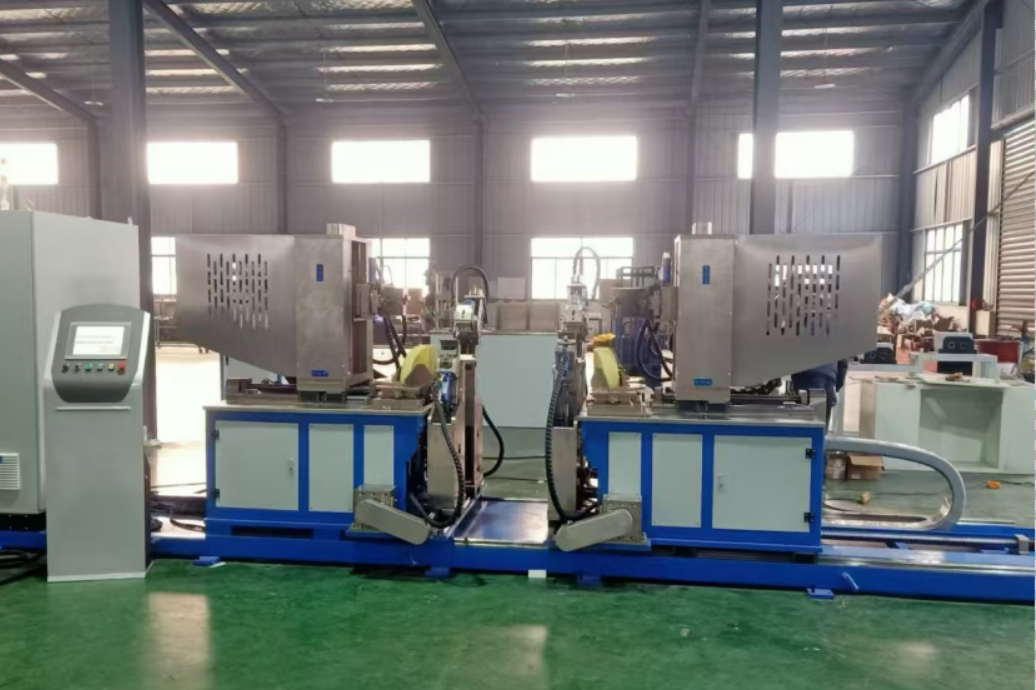
Heavy industrial operations depend on robust equipment designed to withstand extreme conditions and deliver consistent performance over extended operational periods. The high voltage motors making machine represents a critical advancement in industrial motor production, enabling manufacturers to create reliable, precision-engineered motors that meet the demanding requirements of modern heavy industry. These specialized machines combine advanced engineering with proven manufacturing techniques to produce motors capable of handling substantial electrical loads and harsh environmental factors. Understanding the capabilities and applications of a high voltage motors making machine is essential for facility managers, industrial engineers, and procurement specialists who must select equipment that balances performance, durability, and cost-effectiveness.
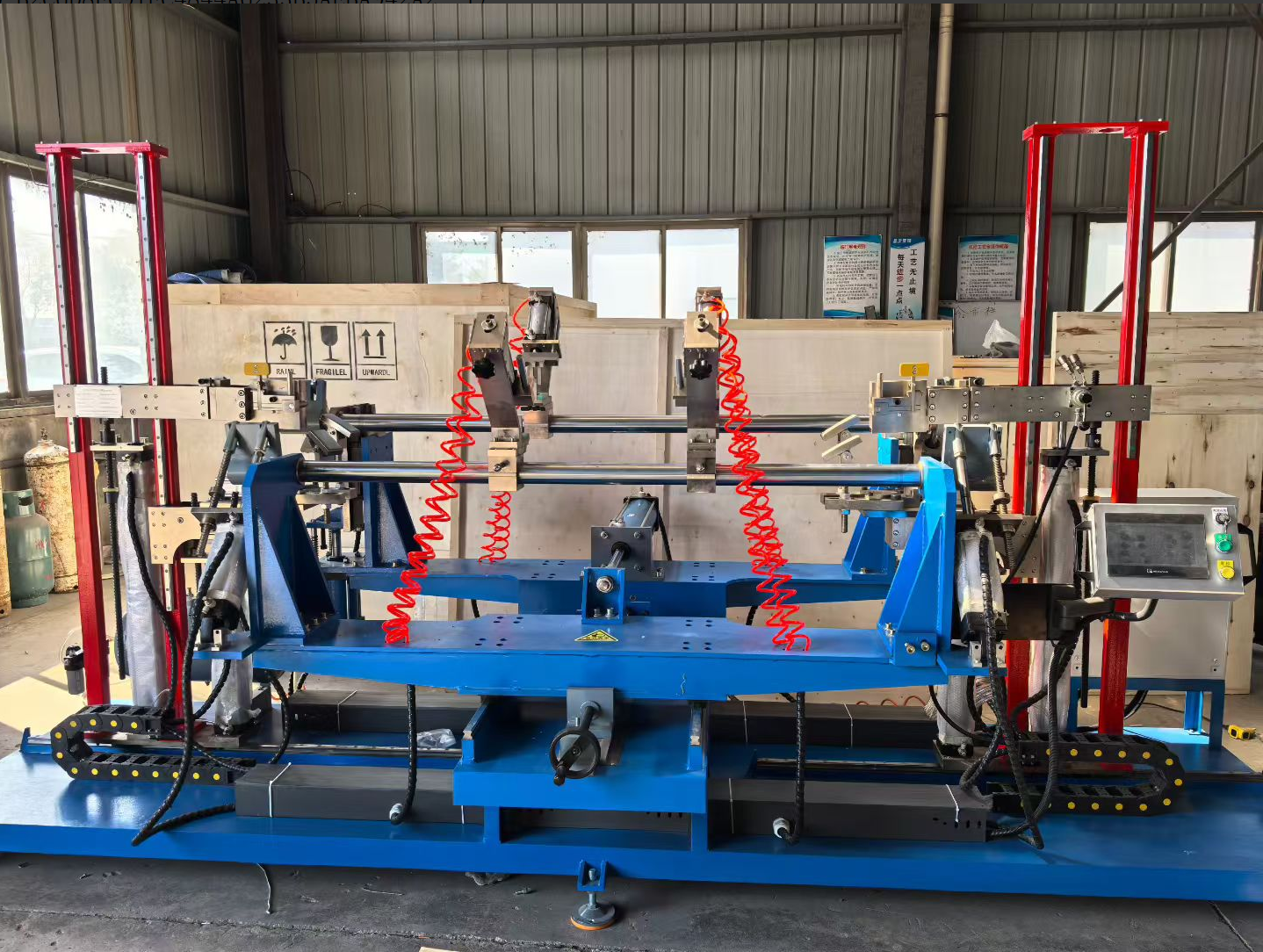
The manufacturing of high voltage motors requires specialized machinery that integrates precision coil winding, rotor assembly, and stator construction capabilities into a single cohesive system. A high voltage motors making machine automates critical production steps while maintaining the quality tolerances necessary for industrial-grade motor performance. Modern facilities invest in this technology to reduce production lead times, improve consistency, and meet growing demand for customized motor solutions across diverse industrial sectors including mining, power generation, water treatment, and heavy manufacturing.
Core Manufacturing Capabilities of High Voltage Motors Making Machines
Precision Coil Winding and Assembly
The high voltage motors making machine incorporates advanced coil winding systems that precisely layer wire onto motor forms with exact tension and spacing requirements. Automated winding mechanisms within a high voltage motors making machine eliminate manual variation and ensure consistent electrical properties across every motor produced. The machine applies specialized insulation materials during the winding process, protecting individual wire layers from electrical fault conditions and extending motor operational lifespan. This precision winding capability directly impacts motor efficiency ratings and thermal performance under sustained heavy loads.
Rotor and Stator Integration
A high voltage motors making machine coordinates multiple assembly stages to integrate rotor and stator components with proper alignment and clearance specifications. The machine verifies critical dimensional parameters including air gap uniformity, magnetic pole alignment, and structural rigidity before final assembly sealing. Advanced high voltage motors making machine systems include quality verification sensors that detect deviations and halt production automatically if specifications fall outside acceptable ranges. This integrated approach ensures that every motor produced meets minimum performance standards required for heavy industrial duty applications.
Technical Advantages in Heavy Industry Applications
Enhanced Reliability and Uptime Performance
Industrial facilities operating machinery continuously cannot tolerate frequent motor failures or performance degradation. The high voltage motors making machine produces motors with superior consistency compared to manual or semi-automated production methods, directly reducing unexpected downtime and maintenance costs. Motors manufactured by a high voltage motors making machine demonstrate longer mean time between failure rates because precision manufacturing eliminates weak points in motor construction. Heavy industry operations benefit significantly from improved motor reliability that reduces replacement frequency and associated production interruptions.
Load Handling and Environmental Resilience
Heavy industrial environments expose motors to extreme temperature variations, vibration, moisture, and corrosive atmospheres that degrade conventional equipment rapidly. A high voltage motors making machine constructs motors with reinforced insulation systems, vibration-damping materials, and sealed component integration specifically designed for harsh conditions. The machine applies premium insulation technologies during winding that resist thermal cycling and chemical degradation far more effectively than standard materials. Motors produced by advanced high voltage motors making machine systems maintain performance ratings even when operating in challenging environmental contexts that would quickly destroy inferior equipment.
Production Efficiency and Operational Economics
Reduced Manufacturing Lead Times
Automated production through a high voltage motors making machine dramatically reduces the time required to manufacture custom motors compared to traditional labor-intensive methods. The machine completes coil winding, assembly, and quality verification stages in a fraction of the time required for manual production. Industrial buyers requiring custom motor specifications benefit from shorter delivery windows when manufacturers employ advanced high voltage motors making machine technology. This speed advantage enables faster project completion and reduces capital tied up in equipment procurement cycles.
Cost Optimization Through Scale and Consistency
A high voltage motors making machine spreads fixed manufacturing overhead across higher production volumes, reducing per-unit costs for motor production significantly. Automated processes eliminate waste from production errors, rework, and quality failures that increase costs in manual manufacturing environments. The machine maintains consistent material usage and minimizes scrap generation, improving material cost efficiency across production runs. Facilities operating a high voltage motors making machine achieve better economies of scale while maintaining premium quality standards throughout their motor portfolio.
Selection Criteria and Implementation Considerations
Motor Specification and Customization Capabilities
Different industrial applications require motors with varying voltage ratings, power outputs, and specialized winding configurations matched to specific load characteristics. The high voltage motors making machine should offer flexible programming and modular design components that accommodate diverse specification requirements without requiring complete system reconfiguration. Advanced machines include software interfaces that allow engineers to input motor specifications and automatically adjust winding parameters, coil configurations, and assembly sequences accordingly. When evaluating a high voltage motors making machine, verify that the system supports the full range of motor voltage classes, power ratings, and rotor configurations required for your facility's product portfolio.
Operator Expertise and Training Requirements
Operating a high voltage motors making machine effectively requires technical training focused on machine controls, specification programming, quality verification procedures, and preventive maintenance protocols. Manufacturers should provide comprehensive operator training programs before equipment commissioning and ongoing support for staff advancement. A high voltage motors making machine demands skilled technicians who understand both motor engineering principles and machine operation mechanics to troubleshoot issues and optimize performance. Budget for training costs and qualified personnel recruitment when implementing a high voltage motors making machine system within your manufacturing facility.
FAQ
What specific industrial applications benefit most from a high voltage motors making machine?
Heavy mining operations, electric power generation facilities, industrial pump systems, compressor manufacturing, and large-scale water treatment plants derive substantial benefits from motors produced by a high voltage motors making machine. These applications require motors with exceptional reliability, superior load-handling capacity, and extended operational lifespans that precision manufacturing methods deliver. Manufacturing sectors producing heavy machinery and equipment also utilize a high voltage motors making machine to create motors that meet specialized torque and power requirements for demanding industrial processes.
How does a high voltage motors making machine ensure quality consistency across production batches?
Advanced high voltage motors making machine systems incorporate multiple sensor stations and automated quality verification checkpoints throughout the manufacturing process that monitor critical parameters in real-time. The machine records detailed production data for every motor, creating traceability records that document specifications, tolerances, and test results comprehensively. If measurements deviate from specification ranges, the high voltage motors making machine halts automatically and alerts operators before defective components proceed to assembly stages. This systematic approach ensures consistent quality that manual production methods cannot reliably achieve.
What maintenance requirements does a high voltage motors making machine demand to sustain peak performance?
A high voltage motors making machine requires regular preventive maintenance including lubrication of mechanical components, calibration verification of precision measurement systems, and replacement of consumable items such as insulation materials and tool wear parts. Manufacturers should establish maintenance schedules aligned with production volume and operational hours to prevent unexpected downtime from equipment failure. Advanced high voltage motors making machine systems include predictive maintenance features that monitor component wear patterns and recommend replacement intervals before actual failures occur, extending equipment service life and minimizing production disruptions.
Table of Contents
- Core Manufacturing Capabilities of High Voltage Motors Making Machines
- Technical Advantages in Heavy Industry Applications
- Production Efficiency and Operational Economics
- Selection Criteria and Implementation Considerations
-
FAQ
- What specific industrial applications benefit most from a high voltage motors making machine?
- How does a high voltage motors making machine ensure quality consistency across production batches?
- What maintenance requirements does a high voltage motors making machine demand to sustain peak performance?