
 EN



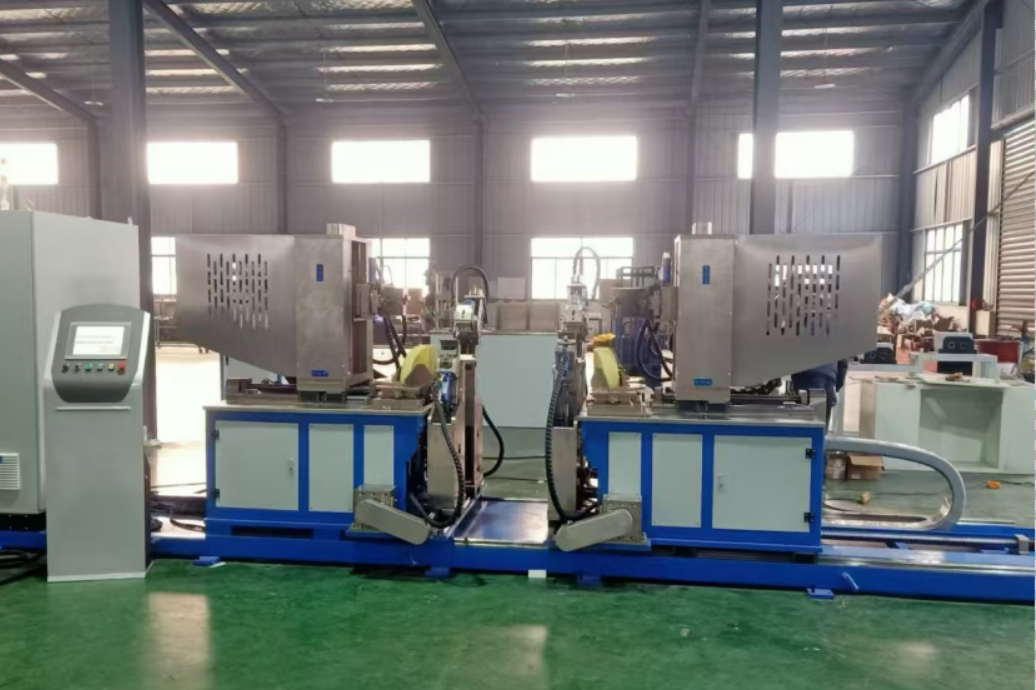
The high voltage motors making machine represents a cornerstone technology in modern power generation facilities. These specialized manufacturing systems produce electric motors that operate at elevated voltage levels, enabling industrial plants to generate, transmit, and distribute electrical power with greater efficiency and reliability. Understanding how a high voltage motors making machine functions and its role in power generation is essential for facility managers, engineers, and procurement professionals seeking to optimize their operations and meet growing energy demands.
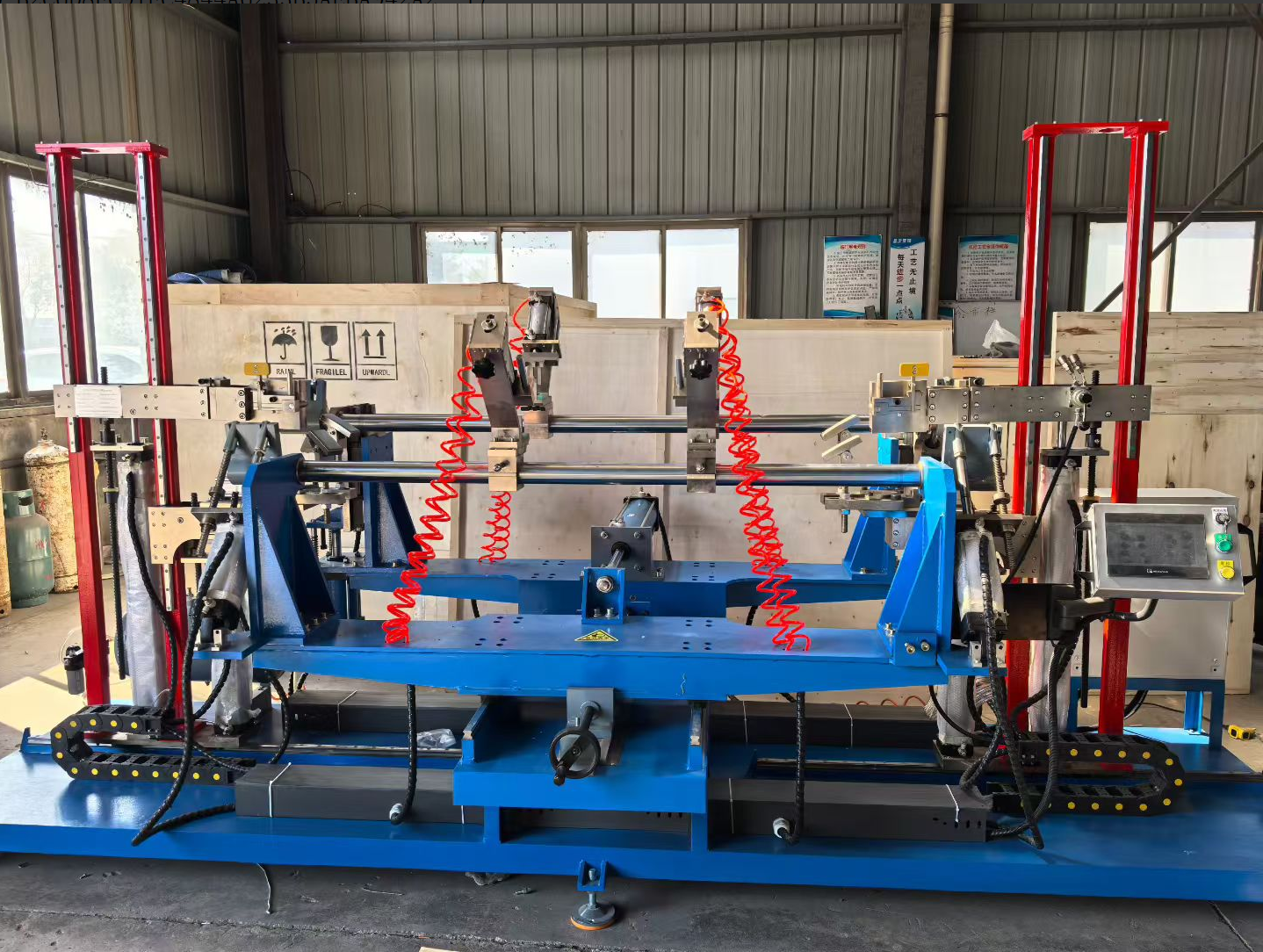
A high voltage motors making machine is engineered to produce motors that handle electrical loads ranging from several kilovolts up to hundreds of kilovolts, depending on application requirements. The manufacturing process demands precision engineering, advanced automation, and rigorous quality control to ensure that each motor meets strict international standards. This technology has become indispensable in power plants, industrial facilities, and renewable energy installations where reliable, high-capacity motor operation directly impacts productivity and safety.
Core Manufacturing Capabilities of High Voltage Motors Making Machines
Precision Winding and Coil Production
At the heart of every high voltage motors making machine lies its ability to produce precisely wound coils and windings. The machine uses computer numerical control (CNC) technology to ensure consistent coil dimensions, proper insulation placement, and accurate conductor spacing. A high voltage motors making machine must accommodate various wire gauges and insulation materials while maintaining tolerances within fractions of a millimeter. This precision directly influences the motor's efficiency rating, thermal performance, and long-term operational reliability.
Modern high voltage motors making machine systems integrate automated wire feeding, tension control, and layering mechanisms to produce coils that meet exacting electrical and mechanical specifications. The equipment validates each winding sequence in real-time, detecting potential defects before they compromise motor performance. By automating the winding process, the high voltage motors making machine reduces labor costs while significantly improving consistency across production batches, which is critical for utilities and industrial operators who require interchangeable motor components.
Voltage Rating and Insulation Management
A high voltage motors making machine must manage extreme electrical stresses that standard motor manufacturing equipment cannot handle. High voltage conditions require specialized insulation materials, creepage distance management, and dielectric strength verification throughout the manufacturing process. The high voltage motors making machine incorporates multiple quality checkpoints to ensure insulation integrity, prevent electrical arcing, and confirm that voltage ratings match design specifications.
The insulation system in motors produced by a high voltage motors making machine is tested under conditions that simulate years of field operation compressed into hours. Dielectric breakdown testing, partial discharge measurements, and high-pot testing validate that the motor's insulation system can safely withstand the rated voltage throughout its service life. These rigorous validation steps make a high voltage motors making machine essential infrastructure investment for any organization manufacturing power generation equipment.
Industrial Applications and Power Generation Integration
Power Plant Motor Production
Conventional and renewable power plants depend on motors produced by advanced high voltage motors making machine systems to drive compressors, pumps, and generators. In coal and natural gas plants, cooling tower fans, feed water pumps, and forced draft fans all require high voltage motors manufactured with extreme precision. A high voltage motors making machine produces motors rated at 3,300 volts, 6,600 volts, or higher voltages that enable these critical systems to operate continuously under demanding conditions.
The reliability of a power plant's auxiliary systems depends directly on motor quality, making the investment in a dedicated high voltage motors making machine cost-effective over decades of operation. Motors manufactured by these machines experience fewer unexpected failures, reducing maintenance downtime and unplanned repairs. Because power plants operate continuously, even brief motor failures can result in significant revenue loss and safety risks, making the superior quality delivered by a high voltage motors making machine a strategic advantage.
Renewable Energy and Industrial Facility Applications
Wind farms, hydroelectric stations, and pumped-storage facilities increasingly utilize high voltage motors produced by specialized high voltage motors making machine equipment. These applications require motors with exceptional reliability, low vibration profiles, and extended service intervals. A high voltage motors making machine enables manufacturers to produce motors optimized for specific renewable energy applications, from large synchronous motors driving generator sets to variable-frequency drive compatible motors for grid stabilization.
Industrial facilities operating critical processes—petrochemical plants, water treatment systems, mining operations—depend on motors manufactured by a high voltage motors making machine to maintain uninterrupted production. These facilities often operate at remote locations or under harsh environmental conditions where replacement equipment availability is limited. Motors produced by a high voltage motors making machine deliver the durability and performance margins necessary to sustain operations in such demanding environments.
Manufacturing Process and Quality Assurance Standards
Automated Production Workflow
The manufacturing workflow within a high voltage motors making machine system includes multiple integrated stages: coil winding, coil forming, insulation wrapping, oven curing, testing, and quality documentation. Each stage is monitored by sensors and automated inspection systems that verify compliance with design specifications. A high voltage motors making machine operator initiates the process, but the equipment executes precise manufacturing sequences without human intervention, minimizing errors and ensuring consistent output across production runs.
Integration of artificial intelligence and machine learning into modern high voltage motors making machine systems enables predictive quality monitoring and real-time adjustment of manufacturing parameters. The equipment learns from historical production data to anticipate potential issues and automatically compensate for environmental variables like temperature and humidity. This intelligent approach ensures that every motor produced by the high voltage motors making machine meets or exceeds design performance targets.
Compliance and International Standards
A high voltage motors making machine must produce motors that comply with international standards including IEC 60034 (rotating machinery), API 610 (centrifugal pumps), and NEMA standards for North American applications. These standards specify minimum performance requirements, testing protocols, and documentation standards that protect end-users and ensure interoperability across global industrial systems. Manufacturing facilities validate that their high voltage motors making machine capability meets these standards through third-party certification and regular audit processes.
Regulatory compliance becomes increasingly important as power systems interconnect globally and equipment operates across multiple jurisdictions. A high voltage motors making machine that produces certified, standards-compliant motors enables customers to deploy equipment with confidence, knowing that motors will perform reliably and meet all applicable safety and performance requirements. This compliance also facilitates warranty claims, regulatory approvals, and equipment resale in international markets.
FAQ
What voltage levels does a high voltage motors making machine produce?
A high voltage motors making machine manufactures motors rated from 1,000 volts up to 13,800 volts or higher, depending on the equipment's design specifications and capability level. Common industrial voltages include 3,300V, 6,600V, and 10,000V for large power generation and industrial applications. The specific voltage ratings supported by a high voltage motors making machine determine which industrial sectors and applications it can serve effectively.
How does a high voltage motors making machine ensure motor reliability?
A high voltage motors making machine employs multiple quality assurance mechanisms including real-time winding inspection, automated insulation testing, partial discharge detection, and comprehensive documentation systems. Each motor produced undergoes dielectric testing at 1.5 to 2 times the rated voltage to confirm insulation integrity before shipment. These rigorous validation steps ensure that motors produced by the high voltage motors making machine deliver reliability rates exceeding 99% in field operation.
What industries benefit most from high voltage motors making machines?
Power generation facilities, industrial manufacturing plants, water treatment systems, petrochemical refineries, and mining operations represent primary beneficiaries of high voltage motors making machine technology. Any organization requiring large-capacity motors for critical continuous-duty applications benefits from the precision, reliability, and performance optimization that a high voltage motors making machine delivers, resulting in reduced downtime and lower total cost of ownership over the motor's operational lifetime.