
 EN



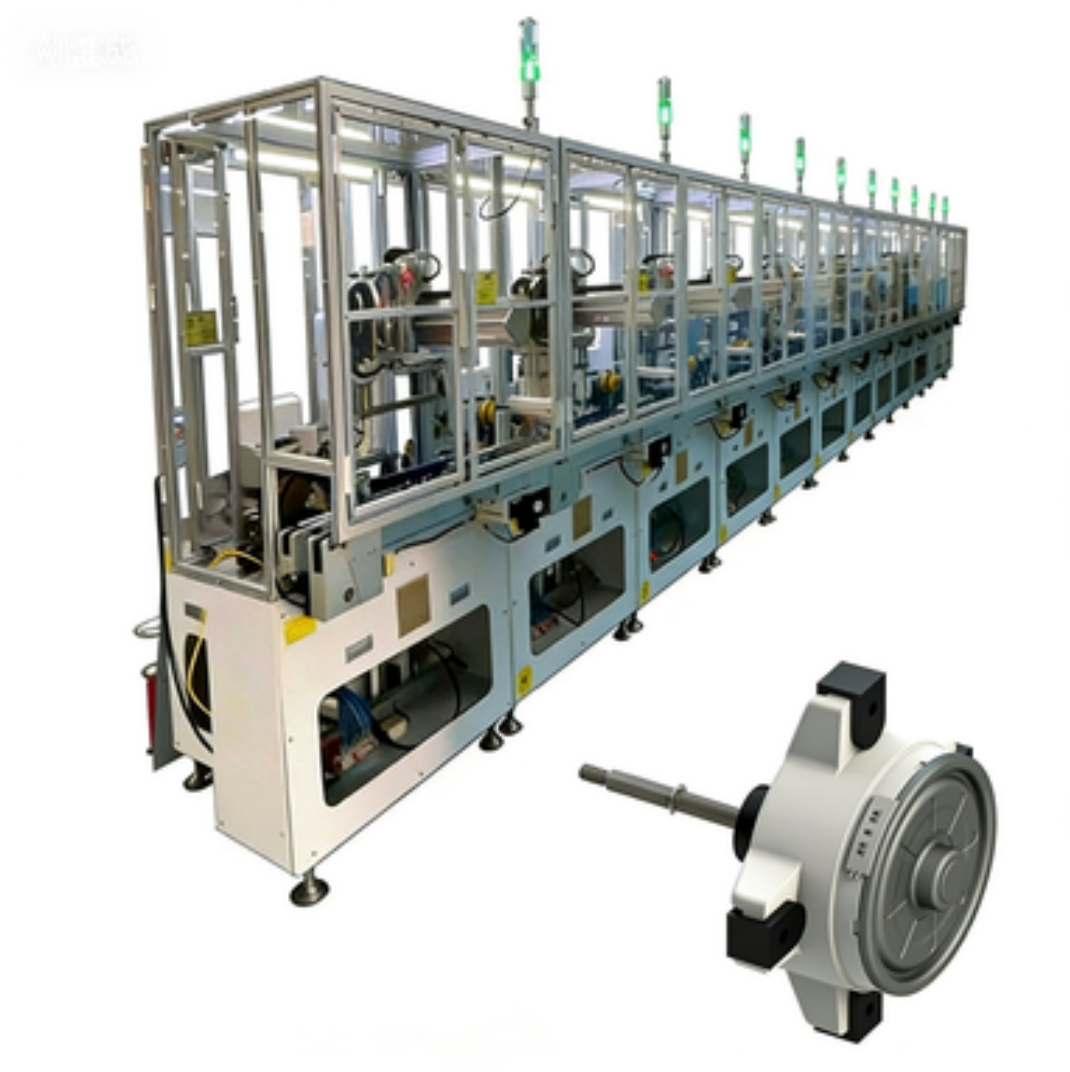
In modern manufacturing, the precision and speed of BLDC motor winding machines define competitive advantage. These specialized systems automate the critical process of winding coils with accuracy that manual labor cannot match. BLDC motor winding machines represent a fundamental shift in how manufacturers produce electric motor components, delivering consistency, repeatability, and throughput that industrial facilities demand. Understanding the capabilities and benefits of BLDC motor winding machines helps decision-makers invest in technology that directly improves product quality and production efficiency.
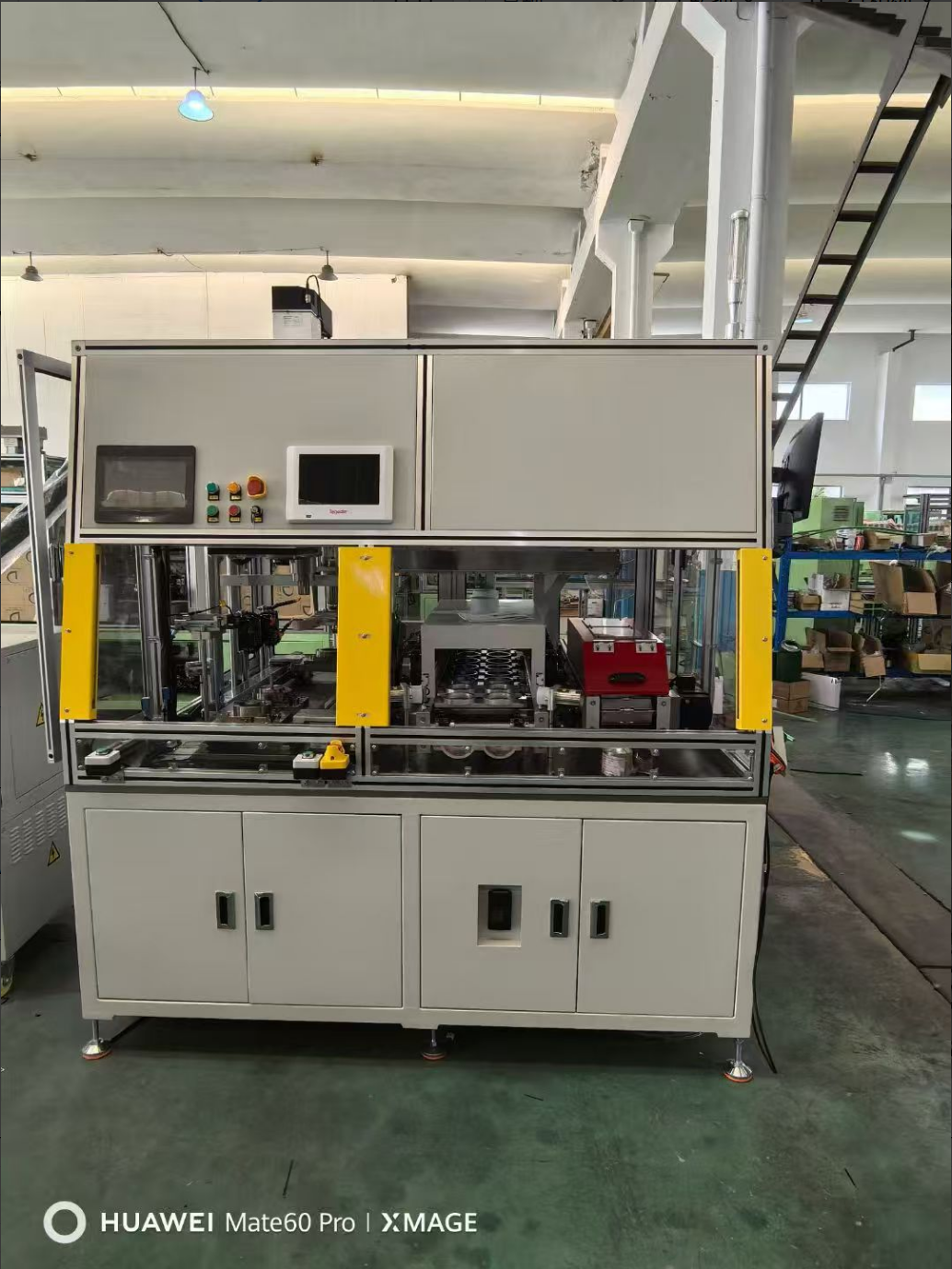
BLDC motor winding machines combine advanced servo technology, programmable logic controllers, and sophisticated tension management to wind coils with micron-level precision. The technology eliminates human variability, reduces scrap rates, and enables manufacturers to meet strict tolerances required by automotive, aerospace, and consumer electronics industries. When manufacturers deploy BLDC motor winding machines, they gain not only faster production cycles but also improved product reliability and reduced warranty claims downstream.
Core Technology and Precision Architecture
How BLDC Motor Winding Machines Operate
BLDC motor winding machines function through synchronized motion of multiple mechanical and electrical subsystems. The machine indexes bobbins or stators into precise positions while servo-controlled wire guides move in X, Y, and Z axes to lay wire with exact spacing. BLDC motor winding machines incorporate real-time tension sensors that adjust wire pull force automatically, preventing wire breakage and ensuring consistent coil density throughout the winding process. This level of automation requires sophisticated programming interfaces where operators input winding patterns, layer counts, wire gauges, and termination requirements.
Advanced Motion Control Systems
The heart of modern BLDC motor winding machines lies in coordinated servo-motor control. Each BLDC motor winding machines variant integrates multiple servos that move guides, rotate bobbins, and manage wire feed rates with millisecond precision. The control system monitors machine performance in real-time, adjusting wire tension, speed, and positioning to maintain quality even as wire characteristics vary. Advanced BLDC motor winding machines include vision systems that detect wire placement errors before they propagate through multiple layers, enabling immediate correction and preventing scrap production.
Industrial Applications and Performance Advantages
Automotive and Electric Vehicle Markets
Automotive manufacturers increasingly depend on BLDC motor winding machines to produce stator assemblies for electric vehicle traction motors. The automotive sector demands extremely tight winding specifications because motor efficiency directly affects vehicle range and performance. BLDC motor winding machines deliver the consistency required for high-volume production while enabling quick recipe changes when designing new motor variants. Manufacturers report that BLDC motor winding machines reduce winding defects by 80 percent compared to semi-automated alternatives, directly improving motor efficiency ratings and customer satisfaction.
Consumer Electronics and Appliance Production
Small motor production for consumer appliances, power tools, and household devices benefits dramatically from BLDC motor winding machines. These compact motors require precise coil geometries to meet performance specifications and regulatory requirements. BLDC motor winding machines handle diverse wire gauges and coil configurations within the same production facility, enabling manufacturers to serve multiple customer segments without dedicated equipment for each product variant. The flexibility of BLDC motor winding machines allows rapid response to market demand without extended setup downtime.
Integration, Optimization, and Return on Investment
Production Efficiency and Throughput Gains
Manufacturers implementing BLDC motor winding machines typically observe throughput increases between 40 and 60 percent within the first year of operation. Speed gains come not only from faster wire laying but also from eliminated human error, reduced machine downtime for adjustments, and streamlined quality control. BLDC motor winding machines operate continuously during shift changes without performance degradation, maintaining consistent output across three-shift operations. When compared to semi-automated systems requiring frequent manual intervention, BLDC motor winding machines provide compelling economic justification through labor reduction alone.
Quality Consistency and Scrap Reduction
Quality variability represents a hidden cost in manual or semi-automated winding operations. BLDC motor winding machines eliminate operator fatigue, attention lapses, and training inconsistencies that plague traditional methods. Scrap rates typically fall from 5–8 percent in manual operations to under 1 percent with modern BLDC motor winding machines. The machines produce detailed production logs showing wire tension, winding speed, and layer completion times, enabling traceability that regulatory agencies and customers increasingly require. Investment in BLDC motor winding machines becomes economically justified through scrap elimination and labor efficiency within 18 to 24 months for most manufacturing facilities.
Scalability and Future Production Flexibility
BLDC motor winding machines accommodate the evolution of motor designs and manufacturing volumes. When product engineers develop new motor specifications, BLDC motor winding machines require only software updates and mechanical fixture adjustments, not complete equipment replacement. This flexibility extends equipment lifespan and maximizes return on capital investment. Manufacturers planning growth in motor production can integrate additional BLDC motor winding machines gradually, maintaining production continuity while expanding capacity to meet demand increases.
FAQ
What wire gauges do BLDC motor winding machines handle?
Modern BLDC motor winding machines accommodate wire gauges from 0.10 millimeters to 1.5 millimeters in diameter, covering applications from fine precision motors to industrial-strength designs. Gauge compatibility depends on machine configuration, but most systems include interchangeable wire guides and tensioning components that adapt to different wire specifications without major reconfiguration.
How do BLDC motor winding machines ensure consistent coil quality across large production runs?
BLDC motor winding machines employ real-time monitoring of wire tension, positioning accuracy, and layer completion through integrated sensors and vision systems. Automatic feedback adjusts machine parameters throughout the production run, compensating for minor wire characteristic variations and ensuring every coil meets specifications. Production data logs provide traceability for quality audits and regulatory compliance documentation.
What training do operators need to run BLDC motor winding machines effectively?
BLDC motor winding machines require operators to understand control software interfaces, basic mechanical adjustments, and bobbin loading procedures. Most manufacturers find that experienced equipment operators become proficient within 2–4 weeks of hands-on training. Suppliers typically provide comprehensive documentation and on-site support to accelerate operator competency and minimize production delays during implementation.