
 EN



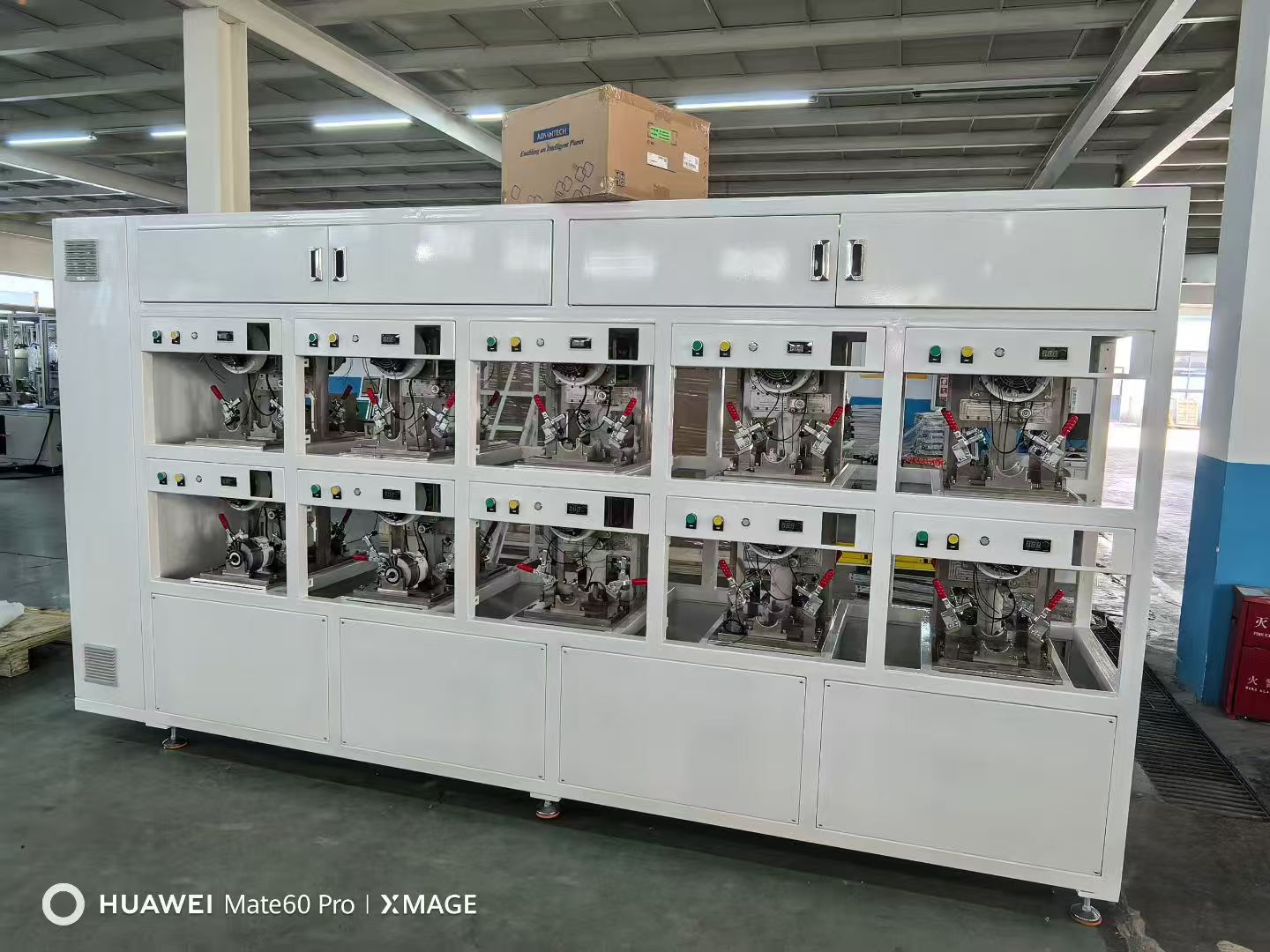
Manufacturing at scale requires precision, consistency, and reliability. A bldc motor assembly machine transforms how producers handle high-volume orders while maintaining quality standards. Whether you operate in automotive, HVAC, industrial equipment, or consumer appliance sectors, the right bldc motor assembly machine directly impacts your competitive position and profitability.
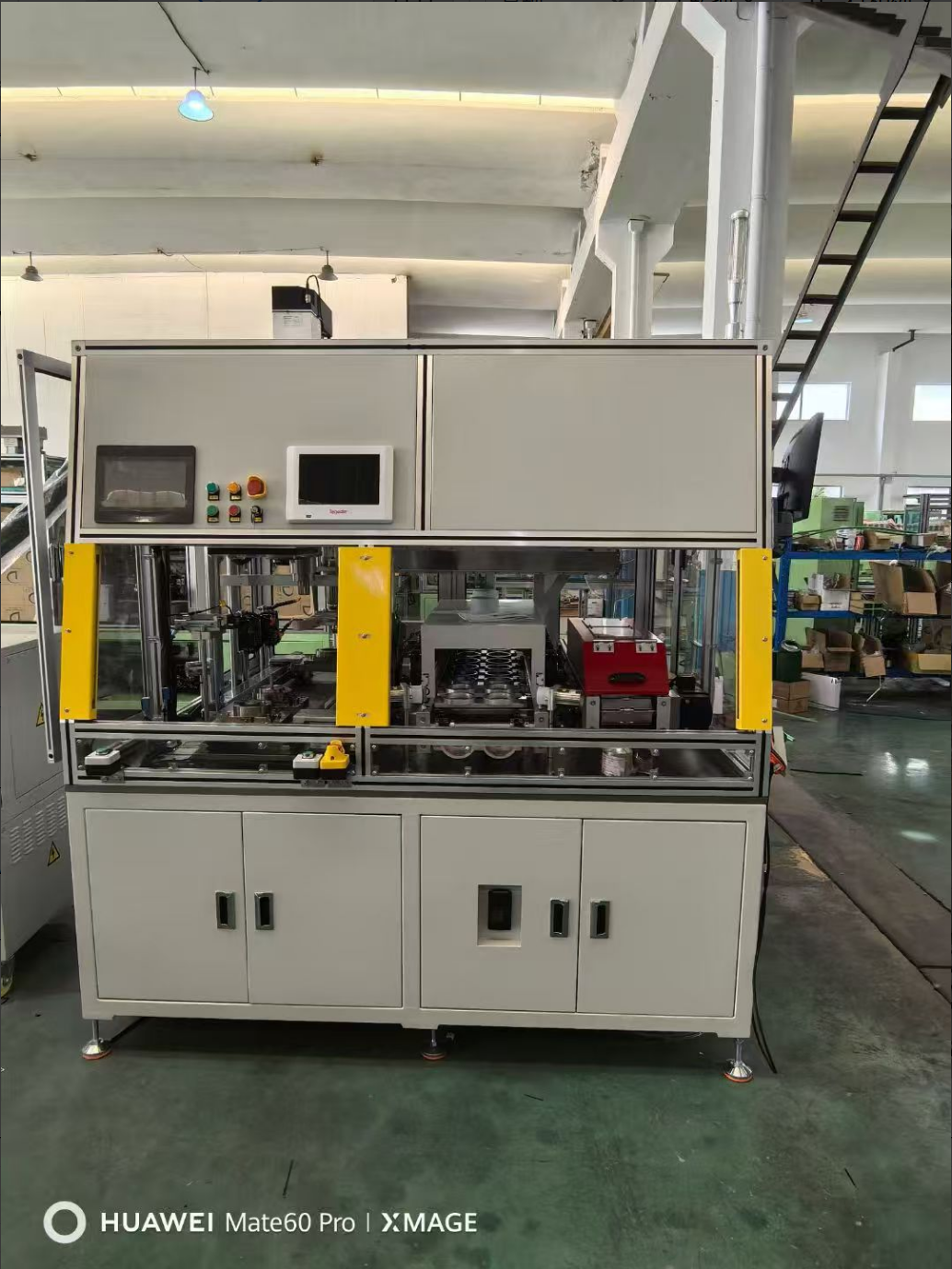
Scaling production is not simply about purchasing larger equipment or hiring more staff. A bldc motor assembly machine consolidates multiple assembly stages, reduces manual touch points, and accelerates cycle times. This shift from manual or semi-automated processes to a fully integrated bldc motor assembly machine enables manufacturers to double or triple output without proportional increases in labor costs or facility space.
Core Benefits of Advanced BLDC Motor Assembly Automation
Speed and Throughput Optimization
A modern bldc motor assembly machine performs stator winding, rotor mounting, bearing insertion, and final testing in continuous flow. Traditional manual assembly requires operators to perform each step sequentially, introducing variation and delays. With a bldc motor assembly machine, throughput can increase from dozens to hundreds of units per day, depending on machine capacity and configuration.
Cycle time reduction is one of the most immediate benefits. A bldc motor assembly machine completes complex winding patterns in seconds rather than minutes. This speed advantage compounds over time, allowing you to fulfill larger customer orders, enter new market segments, and respond faster to demand spikes without excessive inventory holding.
Quality Consistency and Defect Reduction
Manual assembly introduces human variables: operator fatigue, inconsistent tension on windings, misaligned components, and quality drift over shifts. A bldc motor assembly machine follows identical parameters for every unit. Stator coils are wound to exact specifications, rotor magnets are positioned with micron-level precision, and bearing preload is controlled within tight tolerances.
The result is dramatically lower scrap rates and rework costs. Manufacturers using a bldc motor assembly machine report defect reductions of 40 to 70 percent compared to baseline manual processes. Quality consistency also strengthens customer confidence and reduces warranty claims, protecting long-term revenue.
Implementation Strategy for Scaling with BLDC Motor Assembly Equipment
Capacity Planning and Phased Deployment
Scaling production with a bldc motor assembly machine requires careful capacity assessment. Start by analyzing current demand forecasts, order backlog, and growth targets over the next three to five years. A bldc motor assembly machine purchase should align with realistic production requirements, not speculative peak scenarios.
Many manufacturers implement a phased approach. Install one bldc motor assembly machine on a pilot line, validate performance metrics, train staff, and optimize workflows. Once results are proven, deploy additional units or upgrade to higher-capacity configurations. This staged method reduces financial risk and allows your team to build expertise before large-scale rollout.
Integration with Existing Workflow
A bldc motor assembly machine does not operate in isolation. It must connect to upstream component suppliers, inventory systems, and downstream testing or packaging operations. Successful scaling requires mapping your current workflow and identifying where the bldc motor assembly machine adds the most value. Some manufacturers integrate one bldc motor assembly machine into an existing line; others build dedicated cells around the bldc motor assembly machine to maximize throughput.
Consider material handling, storage between assembly stages, and data collection capabilities. Modern bldc motor assembly machine models include sensors and connectivity for real-time monitoring. This integration enables predictive maintenance, production tracking, and bottleneck identification.
Financial and Operational Impact of BLDC Motor Assembly Scaling
Cost per Unit Reduction
Initial investment in a bldc motor assembly machine is significant, but cost per unit typically drops within 12 to 18 months of operation. Labor costs per motor decrease as the bldc motor assembly machine handles assembly work previously done by multiple operators. Material waste falls because the bldc motor assembly machine minimizes production errors. Energy efficiency of modern bldc motor assembly machine designs also reduces operational overhead.
Calculate your breakeven point by dividing total bldc motor assembly machine cost by your monthly volume increase and average margin per unit. Most manufacturers see positive ROI within 18 months, with ongoing benefits accumulating over the machine's 10 to 15-year operational life.
Labor Redeployment and Workforce Evolution
Automation through a bldc motor assembly machine does not eliminate jobs; it transforms them. Operators transition from repetitive assembly tasks to machine monitoring, quality inspection, maintenance, and programming roles. These higher-skill positions command better compensation and offer greater career development.
Investing in training is crucial when implementing a bldc motor assembly machine. Your production team should understand setup procedures, troubleshooting, and optimization techniques. This upskilling strengthens retention and reduces downtime when issues arise. A bldc motor assembly machine is only effective when staffed by knowledgeable operators who can maximize its capabilities.
FAQ
What production volume justifies investing in a bldc motor assembly machine?
Most manufacturers benefit from a bldc motor assembly machine at volumes above 500 to 1000 units per month, depending on motor complexity and market pricing. Simpler designs may justify investment at lower volumes; complex multi-stage motors require higher throughput to amortize costs. Consult with equipment vendors and conduct a detailed ROI analysis specific to your product specifications and forecast.
How long does it take to integrate a bldc motor assembly machine into production?
Typical integration timelines range from 4 to 12 weeks. This includes site preparation, machine installation, electrical and pneumatic connections, software configuration, operator training, and validation runs. Complex custom configurations or facility constraints may extend this timeline. Plan for several weeks of parallel operation between your existing process and the new bldc motor assembly machine to validate quality and performance before full transition.
Can a bldc motor assembly machine handle different motor designs?
Many modern bldc motor assembly machine models offer configurability for variations within a product family. Pole counts, winding patterns, and component sizes can often be adjusted through software programming. However, major design changes may require hardware reconfiguration or separate equipment. Discuss your product roadmap with equipment suppliers to ensure your bldc motor assembly machine investment remains flexible as your product line evolves.