
 EN



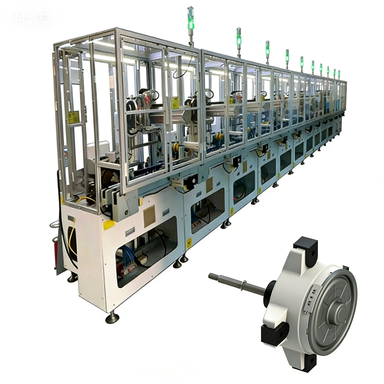
A bldc motor assembly machine represents a transformative advancement in manufacturing automation, fundamentally changing how producers achieve higher output with reduced labor costs and improved product consistency. The integration of precision robotics, automated positioning systems, and real-time quality control into a bldc motor assembly machine enables factories to operate at speeds previously impossible with manual assembly processes. Understanding how a bldc motor assembly machine improves efficiency requires examining the technical mechanisms, operational workflow, and measurable production benefits that modern industrial manufacturers achieve when they deploy these systems.
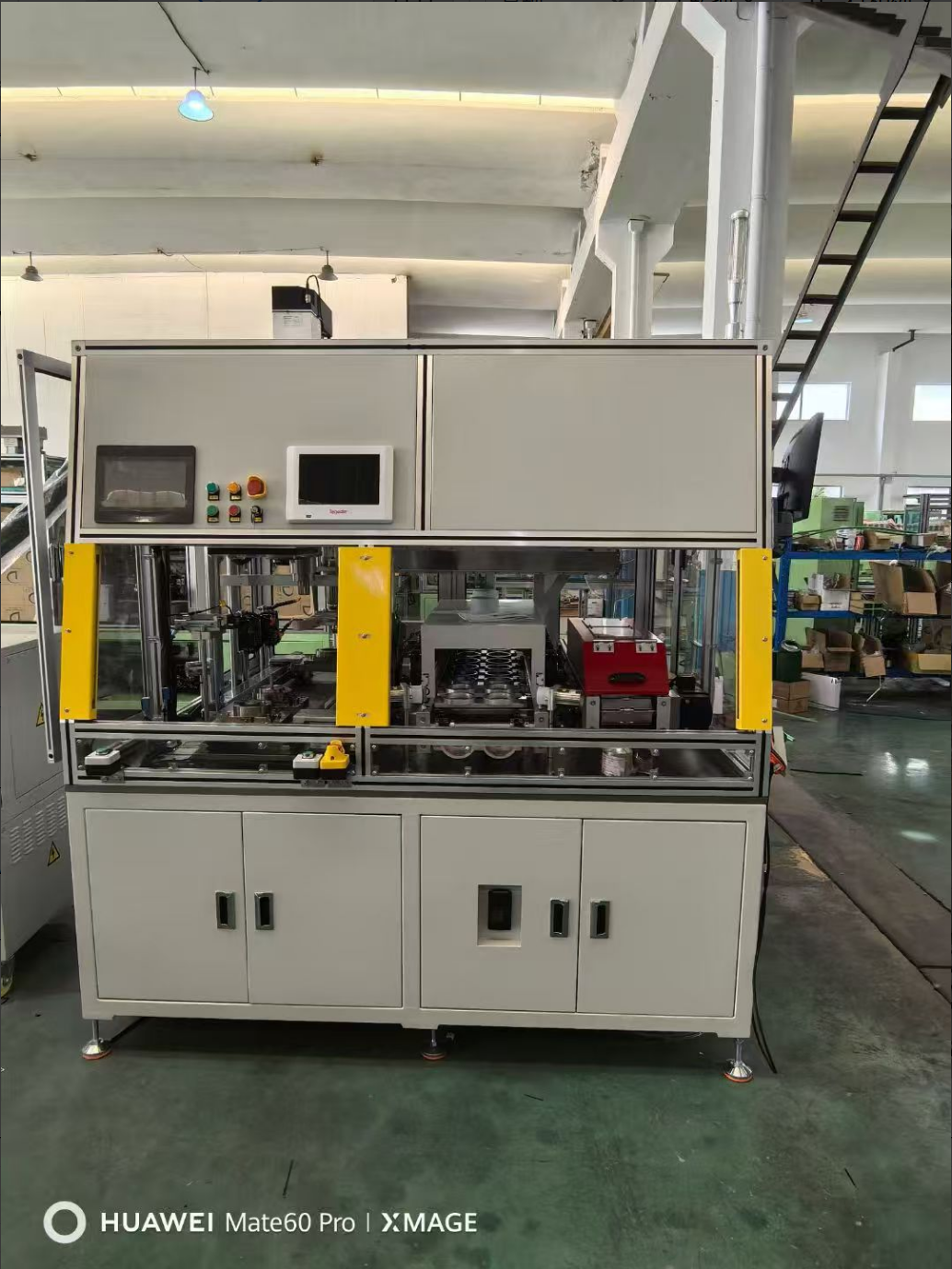
Manufacturers investing in a bldc motor assembly machine often report cycle time reductions of 40 to 60 percent compared to traditional assembly methods. The efficiency gains stem from eliminating human positioning errors, reducing idle time between assembly stages, and enabling continuous operation without fatigue-related slowdowns. When integrated with predictive maintenance systems, a bldc motor assembly machine also minimizes unexpected downtime, ensuring steady production flow and protecting critical delivery schedules that modern supply chains demand.
Precision Positioning and Component Alignment
Automated Repeatability in Bldc Motor Assembly Machine Operations
Every bldc motor assembly machine on the factory floor must maintain micron-level accuracy during rotor placement, stator alignment, and winding connection steps. Manual assembly workers, despite their expertise, introduce positional variance that accumulates across thousands of units, resulting in performance inconsistencies and field failures. A bldc motor assembly machine eliminates this variance through servo-controlled positioning arms and vision-guided verification systems that ensure each rotor-stator interface meets exact dimensional specifications. This repeatability directly translates into higher first-pass quality rates, reducing rework costs and warranty claims that erode margins.
Real-Time Quality Assurance Within Bldc Motor Assembly Machine Systems
Modern bldc motor assembly machine designs incorporate integrated optical scanners and torque sensors that verify assembly integrity at every critical stage. When a bldc motor assembly machine detects a positioning error or component defect, it immediately halts the process and alerts operators, preventing defective units from advancing to subsequent stations. This in-process quality monitoring capability means that defects are caught at their origin, not discovered downstream where correction becomes exponentially more expensive. The bldc motor assembly machine's ability to provide real-time feedback fundamentally improves overall equipment effectiveness, pushing it toward the 85 to 95 percent OEE range that world-class manufacturers target.
Labor Optimization and Workforce Redeployment
Reducing Manual Assembly Bottlenecks With Bldc Motor Assembly Machine Technology
A bldc motor assembly machine dramatically reduces the number of skilled assembly technicians required for high-volume production, allowing factories to redeploy labor toward higher-value activities such as machine setup, quality oversight, and process optimization. Where a traditional assembly line might require 12 to 15 technicians per shift, a bldc motor assembly machine can accomplish equivalent output with 3 to 4 technicians managing multiple stations simultaneously. This labor optimization doesn't eliminate jobs; rather, a bldc motor assembly machine creates demand for technicians who understand automation, diagnostics, and continuous improvement, typically commanding higher wages and offering more career development than repetitive assembly work. Manufacturers report that workforce satisfaction improves when operators transition from physically demanding assembly tasks to supervisory roles involving a bldc motor assembly machine management.
Flexibility in Production Scaling With Bldc Motor Assembly Machine Solutions
When market demand fluctuates, traditional assembly lines struggle to adjust staffing and output without significant disruption. A bldc motor assembly machine, by contrast, enables factories to scale production up or down by modifying cycle parameters, feed rates, and station sequencing through software changes rather than hiring or laying off workers. During demand surges, a bldc motor assembly machine maintains consistent quality while increasing throughput, and during slower periods, facilities can operate fewer parallel stations without sacrificing efficiency. This operational flexibility makes a bldc motor assembly machine especially valuable in industries serving seasonal markets or customers with volatile ordering patterns.
Cost Structure and Economic Return
Total Cost of Ownership Analysis for Bldc Motor Assembly Machine Investments
The initial capital expenditure for a bldc motor assembly machine typically ranges from 500,000 to 2.5 million dollars depending on complexity, automation level, and production capacity. While this represents significant capital outlay, the per-unit cost reduction achieved through a bldc motor assembly machine often recovers the investment within 18 to 36 months through labor savings, reduced scrap, and improved production velocity. A bldc motor assembly machine that produces 5,000 units monthly can reduce labor costs by approximately 120,000 to 180,000 dollars annually while simultaneously improving output quality and meeting accelerated customer delivery windows. When manufacturers factor in energy efficiency, reduced material waste, and lower rework expenses, the bldc motor assembly machine investment delivers measurable positive ROI within the first two to three years of operation.
Competitive Advantage Through Bldc Motor Assembly Machine Deployment
Manufacturers who deploy a bldc motor assembly machine gain substantial competitive advantages in both cost and responsiveness. Competitors relying on manual assembly cannot match the price competitiveness or delivery speed that a bldc motor assembly machine enables, particularly in high-volume contracts where per-unit margins matter significantly. A bldc motor assembly machine also facilitates product variation and customization without proportional cost increases, allowing manufacturers to serve multiple market segments from a single flexible facility. This combination of cost efficiency, quality consistency, and production flexibility positions companies using a bldc motor assembly machine as preferred suppliers in their markets, justifying premium pricing and building long-term customer relationships.
Integration and Scalability Considerations
Technology Compatibility With Existing Bldc Motor Assembly Machine Infrastructure
Successful implementation of a bldc motor assembly machine depends heavily on seamless integration with existing production systems, inventory management, and quality tracking platforms. Modern bldc motor assembly machine manufacturers design systems that connect with Industry 4.0 standards, enabling real-time data collection and analytics that inform continuous improvement initiatives. A bldc motor assembly machine equipped with IoT sensors and cloud connectivity provides manufacturers with actionable insights into production bottlenecks, component performance patterns, and predictive maintenance requirements. This data integration transforms a bldc motor assembly machine from a standalone production tool into a strategic asset that drives facility-wide efficiency gains and supports informed decision-making across manufacturing operations.
Scalability Path for Growing Manufacturers Using Bldc Motor Assembly Machine Systems
Manufacturers with long-term growth ambitions value a bldc motor assembly machine specifically for its scalability potential. Rather than replacing equipment as volume increases, operators can add parallel assembly stations, upgrade control systems, and expand storage capacity around existing bldc motor assembly machine frameworks. This modular expansion approach means that initial bldc motor assembly machine investments protect future capital, allowing manufacturers to scale incrementally as market demand grows. The ability to add production capacity without scrapping existing equipment makes bldc motor assembly machine deployment a prudent long-term strategic choice for manufacturers expecting sustained growth in their markets.
FAQ
What production volume justifies investing in a bldc motor assembly machine?
A bldc motor assembly machine typically delivers strong ROI when production volumes exceed 2,000 to 3,000 units monthly. At lower volumes, manual assembly remains cost-competitive, but higher volumes amplify the labor and quality benefits that a bldc motor assembly machine provides. Manufacturers considering a bldc motor assembly machine should model their specific cost structure, labor rates, and quality targets to determine exact payback timelines for their circumstances.
How does a bldc motor assembly machine handle product variations and custom configurations?
Modern bldc motor assembly machine systems incorporate quick-change tooling, reprogrammable logic controllers, and vision systems that adapt to different rotor specifications, winding patterns, and connector types. Operators can switch a bldc motor assembly machine between product variants within minutes by uploading new assembly instructions and recalibrating positioning sensors. This flexibility means a bldc motor assembly machine can economically serve multiple product lines, reducing the need for separate dedicated production equipment and maximizing facility utilization.
What training and technical support do manufacturers need when implementing a bldc motor assembly machine?
Successful bldc motor assembly machine implementation requires initial operator training, maintenance technician certification, and ongoing vendor support for software updates and component upgrades. Manufacturers should budget for 2 to 4 weeks of on-site commissioning where bldc motor assembly machine specialists help operators achieve target cycle times and quality levels. Long-term support contracts with bldc motor assembly machine vendors ensure access to spare parts, technical troubleshooting, and continuous improvement guidance that maximize equipment longevity and performance over the asset's 10 to 15 year operational lifespan.