
 EN



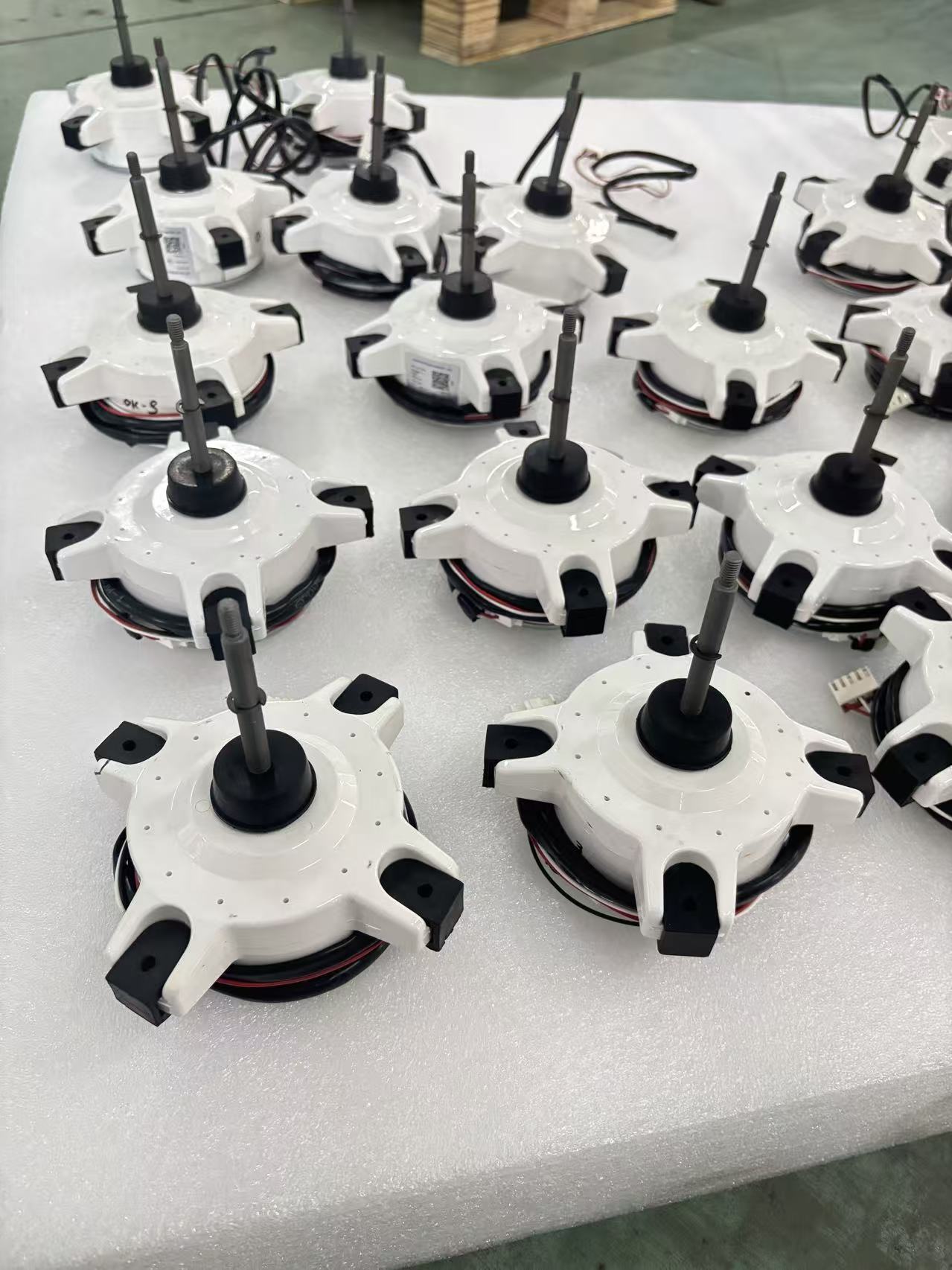
Selecting the right BLDC motor assembly machine is one of the most critical decisions a manufacturer can make. The efficiency, precision, and reliability of your production depend directly on the quality and capability of your equipment. A well-chosen BLDC motor assembly machine will reduce downtime, improve product consistency, and ultimately lower your production costs over time. The wrong choice, however, can lead to frequent maintenance issues, quality defects, and significant financial losses. Understanding the key selection criteria will help you invest wisely and future-proof your manufacturing operations.
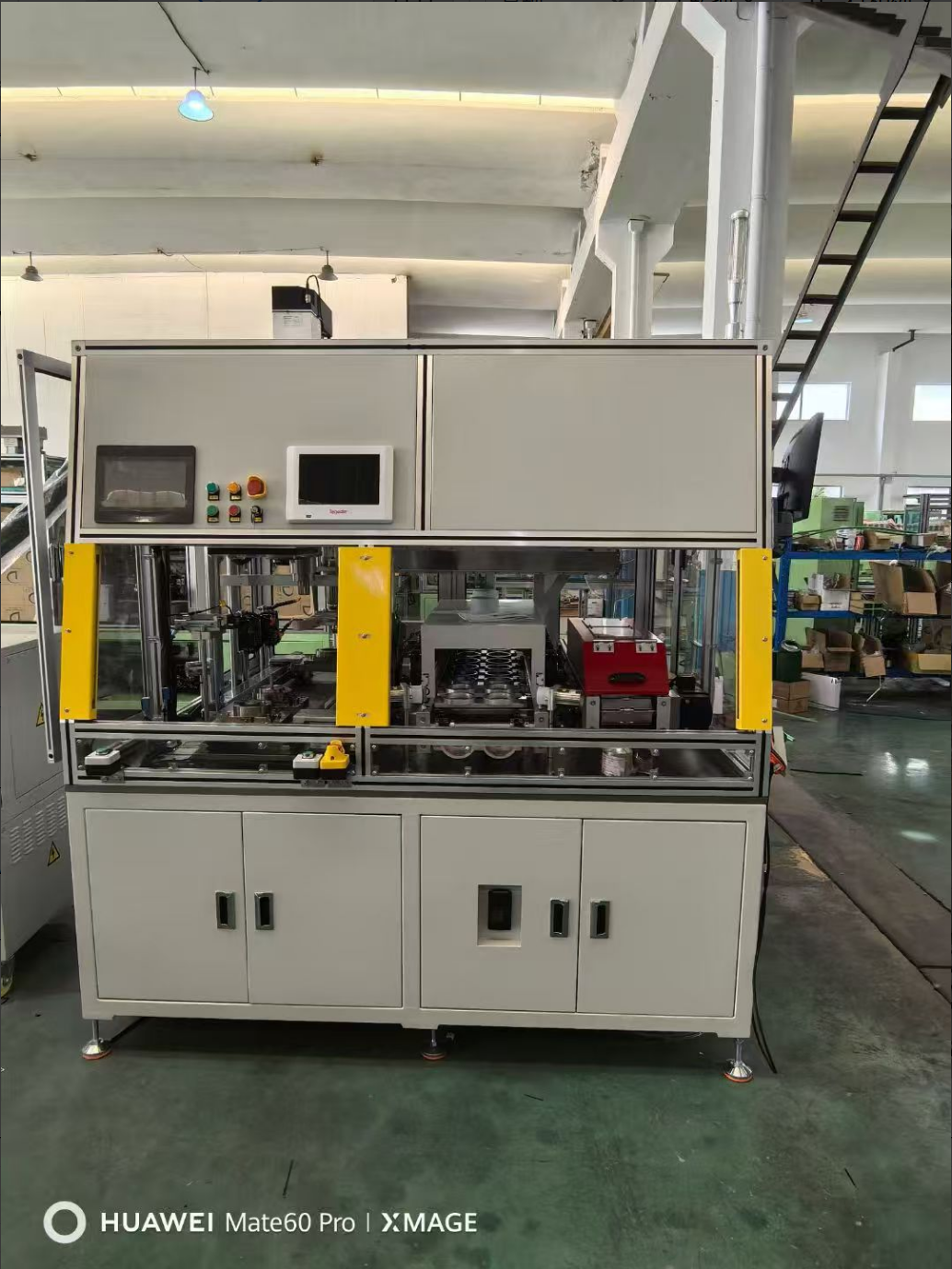
The process of choosing a BLDC motor assembly machine requires careful evaluation of multiple factors, including your production volume, motor specifications, budget constraints, and operational requirements. Every manufacturer faces unique demands, and what works for one facility may not be ideal for another. This guide walks you through the essential decision criteria to help you identify the BLDC motor assembly machine that best matches your production needs and long-term business objectives.
Understanding Production Capacity and Speed Requirements
Matching Assembly Speed to Your Output Goals
The production capacity of a BLDC motor assembly machine directly impacts your throughput and profitability. Before selecting equipment, calculate your target annual production volume and convert it into per-hour assembly requirements. A high-speed BLDC motor assembly machine can complete dozens of assemblies per hour, while slower models may process fewer units. Your choice depends on market demand, customer order patterns, and growth projections. If you anticipate significant expansion within three to five years, investing in a faster BLDC motor assembly machine now can prevent costly equipment upgrades later.
Evaluating Your Current and Future Workload
Consider both your immediate production needs and realistic growth scenarios when sizing your BLDC motor assembly machine. Oversizing your equipment wastes capital and creates unnecessary operational complexity, while undersizing creates bottlenecks and forces inefficient overtime or second-shift operations. Most manufacturers benefit from selecting a BLDC motor assembly machine that operates at 65–80% of its maximum capacity under normal conditions, leaving room for demand fluctuations without sacrificing equipment lifespan or maintenance intervals. This balanced approach ensures your BLDC motor assembly machine remains cost-effective and reliable throughout its operational life.
Technical Specifications and Compatibility Factors
Motor Type, Winding, and Assembly Precision
Different BLDC motor designs require different assembly approaches, and your chosen BLDC motor assembly machine must handle your specific motor variants with precision. Motor winding configurations, stator sizes, rotor magnets, and bearing specifications all influence the assembly process. A versatile BLDC motor assembly machine should accommodate multiple stator and rotor combinations without excessive retooling. Verify that your BLDC motor assembly machine includes proper fixturing, alignment sensors, and torque-controlled fastening to ensure consistent assembly quality. Precision matters because even small misalignments in a BLDC motor assembly machine operation can cause vibration, noise, and premature bearing failure in finished motors.
Automation Level and Component Integration
Modern BLDC motor assembly machines range from semi-automatic to fully automated systems. Semi-automatic BLDC motor assembly machine models require operator intervention for part placement and quality checks, making them suitable for low-volume or highly customized production. Fully automated BLDC motor assembly machine systems handle part feeding, positioning, fastening, and inspection with minimal human input, delivering higher consistency and lower labor costs. Choose the automation level that matches your production volume, available skilled labor, and capital budget. A mid-range BLDC motor assembly machine with selective automation often provides the best balance for manufacturers with moderate production volumes.
Reliability, Support, and Long-Term Total Cost of Ownership
Build Quality, Maintenance Standards, and Spare Parts Availability
The total cost of ownership for a BLDC motor assembly machine extends far beyond the initial purchase price. Evaluate the construction quality, material durability, and maintenance requirements of your candidates. A BLDC motor assembly machine with sealed bearings, corrosion-resistant components, and simple maintenance procedures will cost less to operate over ten years than a cheaper model requiring frequent repairs. Equally important is spare parts availability; confirm that your BLDC motor assembly machine manufacturer maintains an inventory of replacement components and offers reasonable lead times. During unexpected downtime, access to original parts for your BLDC motor assembly machine prevents costly production delays and keeps your line running efficiently.
Technical Support, Training, and Scalability Options
Select a BLDC motor assembly machine supplier that provides comprehensive training, responsive technical support, and clear upgrade paths. Your team must understand how to operate, troubleshoot, and maintain your BLDC motor assembly machine safely and effectively. Supplier responsiveness matters when issues arise; confirm that your BLDC motor assembly machine vendor offers phone support, field service, and documentation in your language. As your production needs evolve, you may want to upgrade or expand your BLDC motor assembly machine capabilities. Choosing a supplier known for scalable solutions ensures that your initial BLDC motor assembly machine investment protects your future flexibility and prevents costly platform switching.
Practical Selection Workflow and Implementation Strategy
Defining Your Non-Negotiable Requirements
Start by listing the absolute requirements your BLDC motor assembly machine must meet. These typically include motor type compatibility, minimum production speed, precision tolerances, physical footprint constraints, and budget ceiling. A clear BLDC motor assembly machine specification sheet prevents scope creep and keeps vendor discussions focused on viable options. Test potential BLDC motor assembly machine models with your actual motor designs or representative samples whenever possible. Request trial runs or pilot implementations so your team can evaluate the BLDC motor assembly machine under realistic conditions before committing to full purchase.
Comparative Evaluation and Financial Analysis
Once you have identified viable BLDC motor assembly machine candidates, request detailed quotes including installation, training, and first-year support. Compare the total five-year and ten-year cost projections for each BLDC motor assembly machine option, including depreciation, maintenance, labor, utilities, and floor space. The cheapest BLDC motor assembly machine rarely offers the best long-term value. Calculate the cost per assembled unit under your anticipated production volume for each BLDC motor assembly machine model; this metric clearly shows the financial impact of speed, reliability, and efficiency differences. Consider financing options, used equipment availability, and lease arrangements as alternatives to outright purchase if capital is constrained.
FAQ
What production volume justifies investing in a BLDC motor assembly machine?
A BLDC motor assembly machine investment typically becomes justified at annual volumes above 5,000 to 10,000 units, depending on the motor complexity and labor rates in your region. Below these volumes, manual or semi-automatic assembly may remain cost-effective. Calculate the payback period by dividing the BLDC motor assembly machine cost by the annual labor and quality savings. Most manufacturers achieve payback within two to three years, after which the BLDC motor assembly machine delivers pure margin improvement.
How do I evaluate the accuracy and repeatability of a BLDC motor assembly machine?
Request a performance test where your BLDC motor assembly machine candidate assembles a batch of motors, which are then tested for electrical performance, vibration, and dimensional consistency. Ask the vendor for statistical process control data showing the BLDC motor assembly machine's tolerance performance over repeated cycles. Verify that the BLDC motor assembly machine includes real-time quality feedback and automated reject mechanisms to prevent defective units from entering inventory.
What should I negotiate with a BLDC motor assembly machine supplier?
Beyond unit price, negotiate extended warranty periods, comprehensive training for your staff, free or subsidized first-year maintenance on your BLDC motor assembly machine, and favorable financing terms. Request that the BLDC motor assembly machine supplier include customization for your specific motor designs at no extra cost. Secure a commitment to priority field service response times and transparent pricing for spare parts to protect your long-term BLDC motor assembly machine operating costs.