
 EN



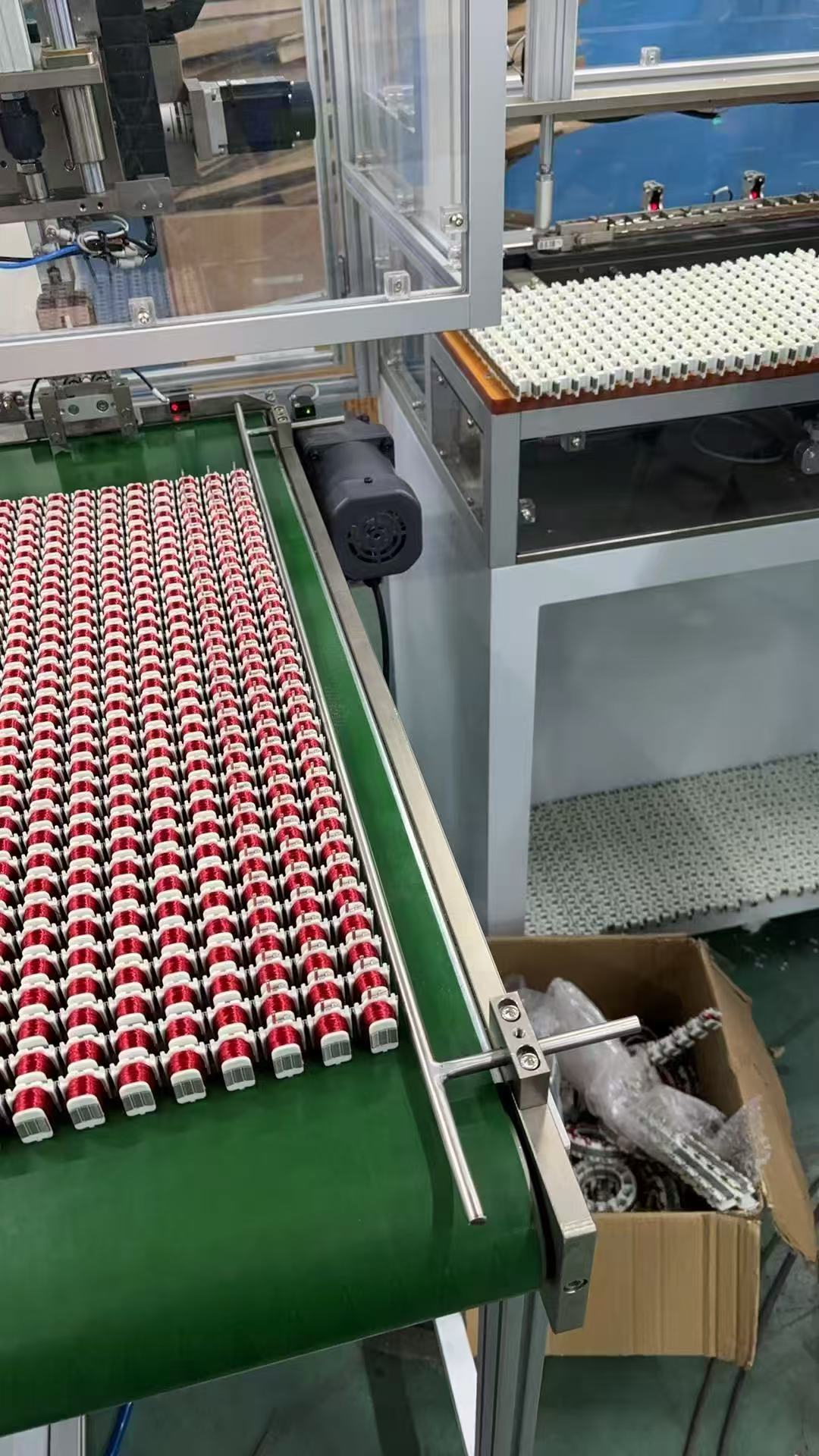
Selecting the right bldc motor winding machines requires a clear understanding of your production requirements and the technical capabilities of different equipment options. Buyers in the electrical motor manufacturing sector face increasing pressure to balance precision, speed, cost-efficiency, and scalability. The decision to invest in bldc motor winding machines should not be made hastily, as these systems directly impact product quality, production throughput, and long-term operational expenses. Understanding how to properly evaluate and compare available bldc motor winding machines helps manufacturers make informed purchasing decisions that align with both immediate production goals and future growth.
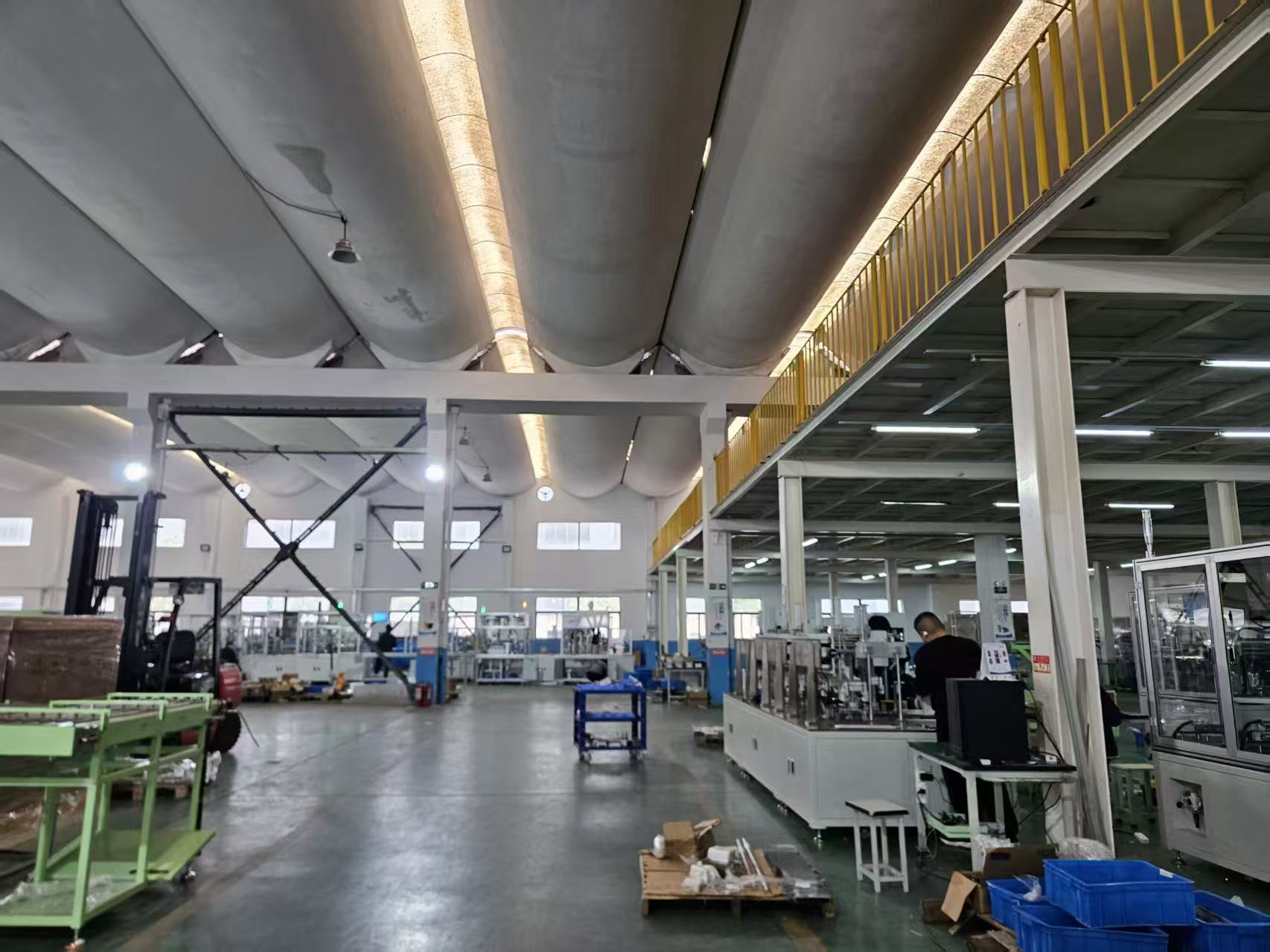
The process of comparing bldc motor winding machines involves evaluating multiple performance metrics, automation features, and integration capabilities. Effective comparison methodology ensures that your chosen bldc motor winding machines will deliver consistent coil quality, meet production volume targets, and integrate seamlessly into your existing manufacturing workflow. This guide walks through the key evaluation criteria that purchasing managers, production engineers, and technical teams should use when assessing bldc motor winding machines from different manufacturers and models.
Understanding Core Performance Specifications
Precision and Coil Quality Standards
When comparing bldc motor winding machines, precision represents one of the most critical evaluation factors. Coil uniformity directly affects motor efficiency, electromagnetic balance, and overall performance characteristics. Bldc motor winding machines with tighter tolerance capabilities ensure that each winding maintains consistent wire tension, layer spacing, and final coil dimensions. This precision becomes increasingly important when manufacturing high-efficiency motors or specialized applications requiring exacting coil specifications. Evaluate bldc motor winding machines by reviewing their tolerance ratings, repeatability metrics, and quality control documentation to verify that precision claims match your production requirements.
Winding Speed and Production Throughput
Production speed is a fundamental consideration when selecting bldc motor winding machines for your facility. Different bldc motor winding machines operate at varying speeds, measured in coils per hour or average cycle time per coil. Faster bldc motor winding machines reduce per-unit production time but must maintain the precision standards your application demands. When comparing speed capabilities, consider both the theoretical maximum speed and the realistic sustained operating speed under quality control conditions. Bldc motor winding machines designed for high-volume production environments often feature optimized speed ratings that balance efficiency with reliability. Assess whether your production volume justifies investing in higher-speed equipment or whether mid-range bldc motor winding machines better match your current demand profile.
Automation and Integration Features
Wire Feeding and Tension Control Systems
Modern bldc motor winding machines incorporate sophisticated wire feeding mechanisms and dynamic tension control systems that significantly impact coil consistency. Advanced bldc motor winding machines utilize servo-controlled tension systems that automatically adjust wire pressure during winding to compensate for wire diameter variations and material properties. When comparing bldc motor winding machines, examine the tension control range, response time to wire anomalies, and the ability to handle different wire gauges without manual recalibration. Bldc motor winding machines equipped with intelligent tension monitoring reduce waste, minimize human intervention, and improve first-pass quality rates. Additionally, evaluate whether bldc motor winding machines offer real-time tension data logging and statistical process control capabilities for continuous improvement tracking.
Program Flexibility and Setup Efficiency
The ability to quickly program and reprogram bldc motor winding machines is essential for manufacturers handling diverse coil specifications across multiple motor designs. Advanced bldc motor winding machines feature intuitive programming interfaces that allow operators to input winding patterns, layer counts, wire specifications, and coil dimensions with minimal learning curve. When comparing bldc motor winding machines, assess the programming language, software usability, and the time required to set up a new winding program from scratch. Bldc motor winding machines with parametric programming capabilities reduce setup time from hours to minutes, enabling faster transitions between production batches. Verify that bldc motor winding machines support your specific winding patterns, including random winding, wave winding, and concentrated winding configurations commonly used in BLDC motor applications.
Durability, Maintenance, and Total Cost Ownership
Mechanical Robustness and Component Longevity
Comparing bldc motor winding machines includes evaluating the mechanical durability and expected component lifespan under continuous operation. High-quality bldc motor winding machines utilize precision-engineered spindles, bearing assemblies, and frame structures designed for extended operational life with minimal downtime. Examine the material specifications, stress analysis documentation, and manufacturer warranty periods when assessing durability of bldc motor winding machines. Bldc motor winding machines constructed from rigid cast iron or welded steel frames provide superior stability compared to lighter-weight alternatives. Request maintenance schedules and component replacement intervals for bldc motor winding machines under consideration, then calculate the long-term cost impact of scheduled maintenance and eventual component replacement to understand true ownership costs.
Support, Training, and Spare Parts Availability
After-sales support and spare parts availability significantly influence the operational reliability and downtime risk associated with bldc motor winding machines. When comparing bldc motor winding machines, investigate the manufacturer's service network, average response times for technical support, and the availability of critical spare components. Bldc motor winding machines backed by responsive support teams and readily available spare parts minimize unplanned production disruptions. Evaluate whether bldc motor winding machines documentation, training materials, and operator certification programs are comprehensive and accessible. Consider the geographic proximity of service centers and the cost structure for routine maintenance and emergency repairs when making your final assessment of bldc motor winding machines options.
FAQ
What specific coil dimensions should I verify when comparing bldc motor winding machines?
When evaluating bldc motor winding machines, verify the achievable coil outer diameter range, inner bore dimensions, layer count capabilities, and wire gauge specifications. Confirm that each candidate bldc motor winding machines model can accommodate your specific coil geometry requirements without requiring substantial custom modifications. Request sample coils wound on bldc motor winding machines to physically inspect quality and verify that dimensional tolerances meet your specifications.
How do I calculate return on investment when comparing different bldc motor winding machines?
Calculate ROI by comparing total acquisition cost plus five-year maintenance and spare parts costs against productivity gains and quality improvements. Determine how bldc motor winding machines efficiency improvements translate to reduced per-unit production costs and increased throughput. Factor in labor savings from increased automation when comparing bldc motor winding machines that reduce manual intervention and operator time per coil.
Which winding pattern capabilities are most important for BLDC applications?
Most BLDC applications require concentrated winding or distributed winding capabilities, so verify that bldc motor winding machines support these standard patterns. Advanced bldc motor winding machines often offer programmable winding patterns that allow custom coil designs for specialized applications. Confirm that bldc motor winding machines provide adequate flexibility to accommodate current designs and potential future product development requirements.