
 EN



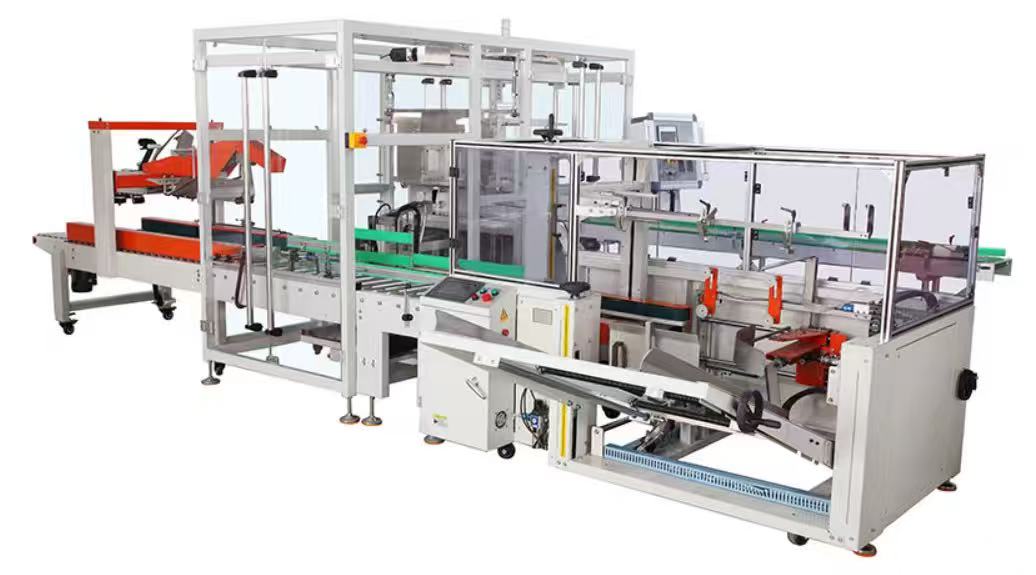
When industrial operations depend on timely, damage-free delivery of manufactured parts, the choice of an automatic packaging machine becomes a critical decision. An automatic packaging machine must handle diverse part sizes, maintain consistent box integrity, and sustain high throughput without interruption. In industrial parts shipping, even minor packaging failures can lead to costly returns, production delays, and damaged supplier relationships. Reliability is therefore not a bonus feature — it is the core standard every automatic packaging machine must meet.
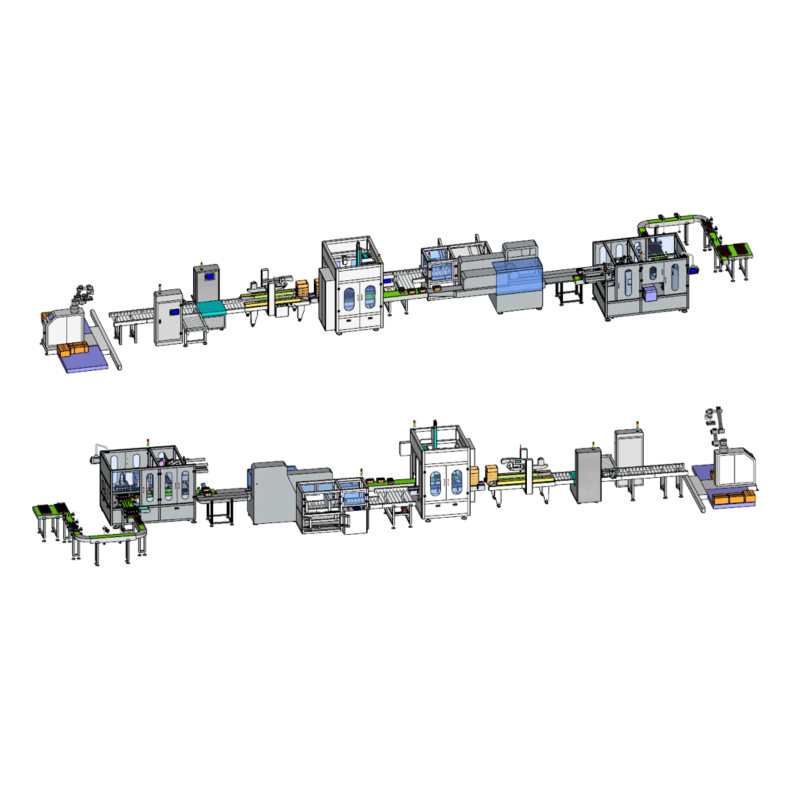
Industrial parts shipping environments are demanding. An automatic packaging machine operating on a factory floor must handle metal components, precision assemblies, and bulk hardware day after day without mechanical failure. The right automatic packaging machine integrates smoothly with upstream production conveyors, adapts to varied carton formats, and delivers sealed, labeled boxes ready for dispatch. Understanding what defines a truly reliable automatic packaging machine helps procurement managers and operations teams make smarter capital investments and avoid costly downtime.
Core Reliability Features of an Automatic Packaging Machine
Structural Durability and Mechanical Precision
A reliable automatic packaging machine for industrial use must be built with heavy-duty frames and industrial-grade components. Lightweight machine bodies wear quickly under continuous operation, especially when packaging dense metal parts or hardware. The best-performing automatic packaging machine designs use welded steel frames, hardened conveyor guides, and servo-driven folding mechanisms that maintain dimensional accuracy over millions of cycles. Mechanical precision directly affects carton squareness, sealing strength, and label placement — all factors that matter in professional parts shipping.
Vibration resistance is another essential quality. An automatic packaging machine positioned near stamping presses or CNC equipment experiences constant ambient vibration. Machines lacking proper vibration-dampening mounts are prone to misalignment over time. A well-engineered automatic packaging machine includes anti-vibration feet, reinforced bearing housings, and sealed electrical enclosures to maintain stable performance in harsh factory conditions. These design choices directly support long-term reliability for industrial parts shipping workflows.
Adaptive Carton Handling for Varied Part Sizes
Industrial parts rarely come in uniform sizes. A versatile automatic packaging machine must handle multiple carton dimensions without requiring full tool changes between runs. Quick-adjust guides, programmable carton size memory, and motorized format changeover are standard features on a professional-grade automatic packaging machine. When an operation ships small fasteners in one shift and large machined housings in the next, the automatic packaging machine must transition reliably without manual rework or production gaps. This flexibility is a direct measure of reliability in real industrial settings.
Integration and Throughput in Industrial Shipping Lines
Seamless Connection with Production Conveyors
An automatic packaging machine that operates in isolation adds manual handling steps and slows overall throughput. In industrial parts shipping, the most productive facilities use an automatic packaging machine that connects directly to inline conveyors, robotic pick-and-place systems, and downstream palletizers. A properly integrated automatic packaging machine receives parts at line speed, confirms correct fill weight or count via inline sensors, and completes the seal-and-label cycle before the next carton arrives. This end-to-end automation reduces labor dependency and maintains consistent cycle times.
Communication compatibility also matters. A modern automatic packaging machine should support standard industrial protocols such as PLC-based controls and HMI touchscreen interfaces. When the automatic packaging machine shares production data with warehouse management systems, operations managers gain real-time visibility into packaging output, fault events, and material usage. This connectivity transforms the automatic packaging machine from a standalone device into a fully accountable node in the shipping process.
Throughput Consistency Under Sustained Load
Reliability means nothing if an automatic packaging machine performs well only during short test runs. Industrial parts shipping often requires sustained operation across two or three shifts. A dependable automatic packaging machine should demonstrate stable cycle times and low fault rates under continuous load. Manufacturers specify rated throughput in boxes per minute or per hour, but the true test of an automatic packaging machine is how well it maintains that rate after eight consecutive hours of operation. Machines with intelligent lubrication systems, thermal-protected motors, and predictive maintenance alerts are better equipped to meet these demands consistently.
Quality Control and Error Prevention in Parts Packaging
Inline Detection and Rejection Systems
A reliable automatic packaging machine for industrial parts shipping must do more than just fold and seal cartons. It must actively verify that each packaged unit meets quality standards before leaving the line. Inline weight checks, vision-based part presence detection, and barcode verification are increasingly standard features on a quality-focused automatic packaging machine. When a mispacked or underfilled carton is detected, the automatic packaging machine diverts it automatically to a rejection lane rather than allowing it to enter the outbound shipping flow.
This level of built-in quality control reduces reliance on end-of-line manual inspection, which is both labor-intensive and error-prone. An automatic packaging machine equipped with smart detection capabilities supports consistent outbound quality, reduces customer claims, and protects the supplier's shipping reliability record. For industrial components with strict part counts or traceability requirements, this inspection capability is not optional — it is a mandatory feature of any reliable automatic packaging machine.
Maintenance Access and Long-Term Serviceability
Even the most robust automatic packaging machine requires periodic maintenance. Reliability over a multi-year operational lifespan depends on how easily technicians can access wear parts, replace consumables, and perform calibrations. A well-designed automatic packaging machine provides tool-free access panels, color-coded maintenance points, and digital fault logs that guide technicians to the source of issues quickly. Spare parts availability and responsive technical support are equally important when evaluating the long-term reliability of an automatic packaging machine for industrial deployment.
FAQ
What types of industrial parts are best suited for an automatic packaging machine?
An automatic packaging machine is well-suited for a wide range of industrial parts including fasteners, machined components, electronic assemblies, plastic housings, and metal sub-assemblies. The key requirement is that the parts can be consistently fed into cartons at line speed. For fragile or oddly shaped components, an automatic packaging machine with adjustable infeed guides and cushioning insert options provides the best results.
How does an automatic packaging machine reduce shipping errors in industrial operations?
An automatic packaging machine reduces shipping errors by integrating inline verification steps such as weight checking, part count confirmation, and barcode scanning. These automated checks ensure that each carton shipped matches the correct specification before sealing. Compared to manual packing, an automatic packaging machine delivers far fewer mispacks and significantly lower rates of customer complaints related to incorrect or incomplete shipments.
What should I evaluate when choosing an automatic packaging machine for industrial parts?
When selecting an automatic packaging machine, prioritize mechanical durability, format changeover flexibility, throughput consistency, and integration compatibility with your existing production line. Also evaluate the availability of technical support and spare parts. A reliable automatic packaging machine should come with documented performance specifications, a proven industrial track record, and responsive after-sales service to support long-term operational uptime.