
 EN



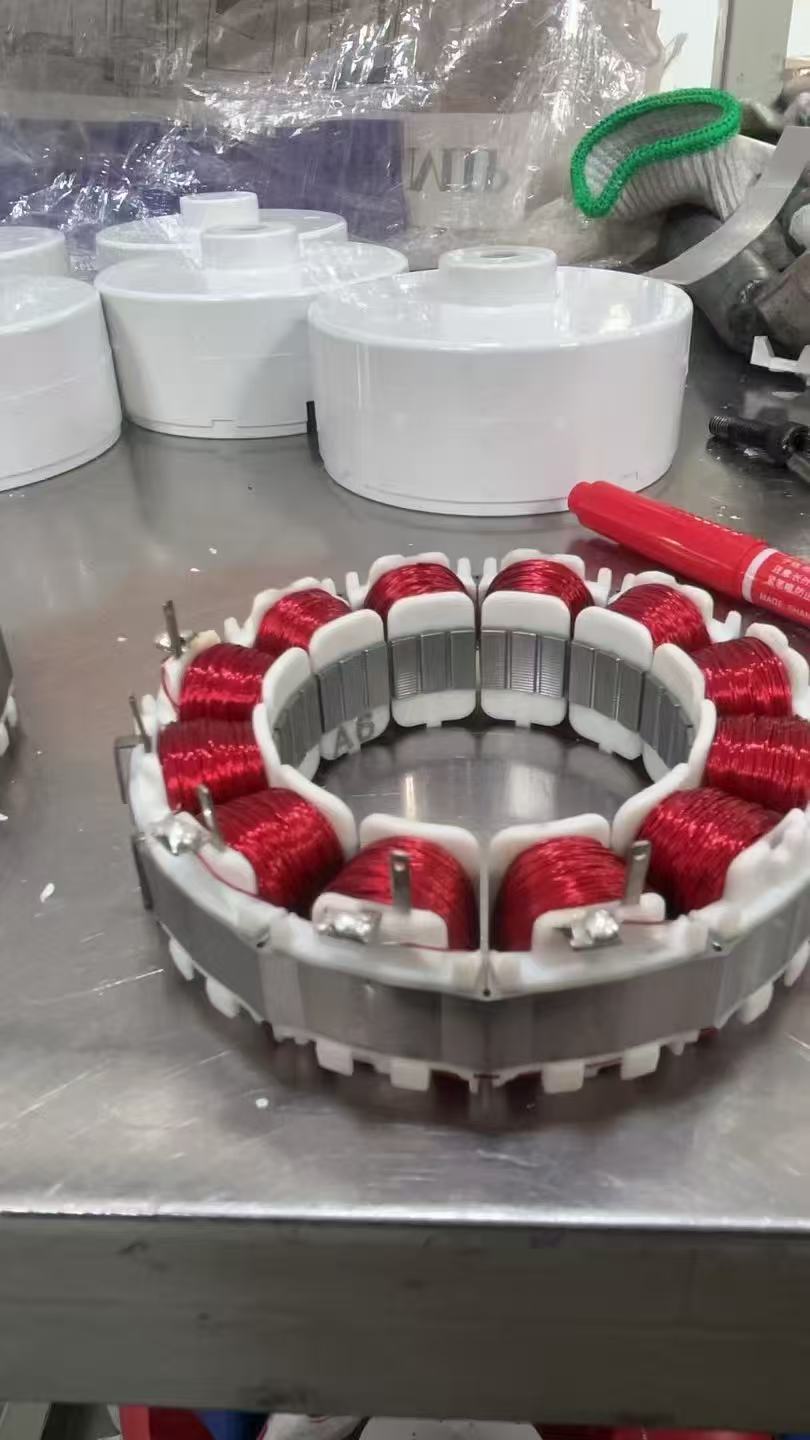
Selecting the right BLDC motor winding machines requires understanding which features directly impact production quality, efficiency, and cost-effectiveness. BLDC motor winding machines are specialized equipment designed to wind copper wire onto motor stators with precision and consistency, and their performance characteristics vary significantly based on design, control systems, and mechanical capabilities. Manufacturers investing in BLDC motor winding machines must evaluate multiple technical factors to ensure their equipment meets both current production demands and future scalability needs.
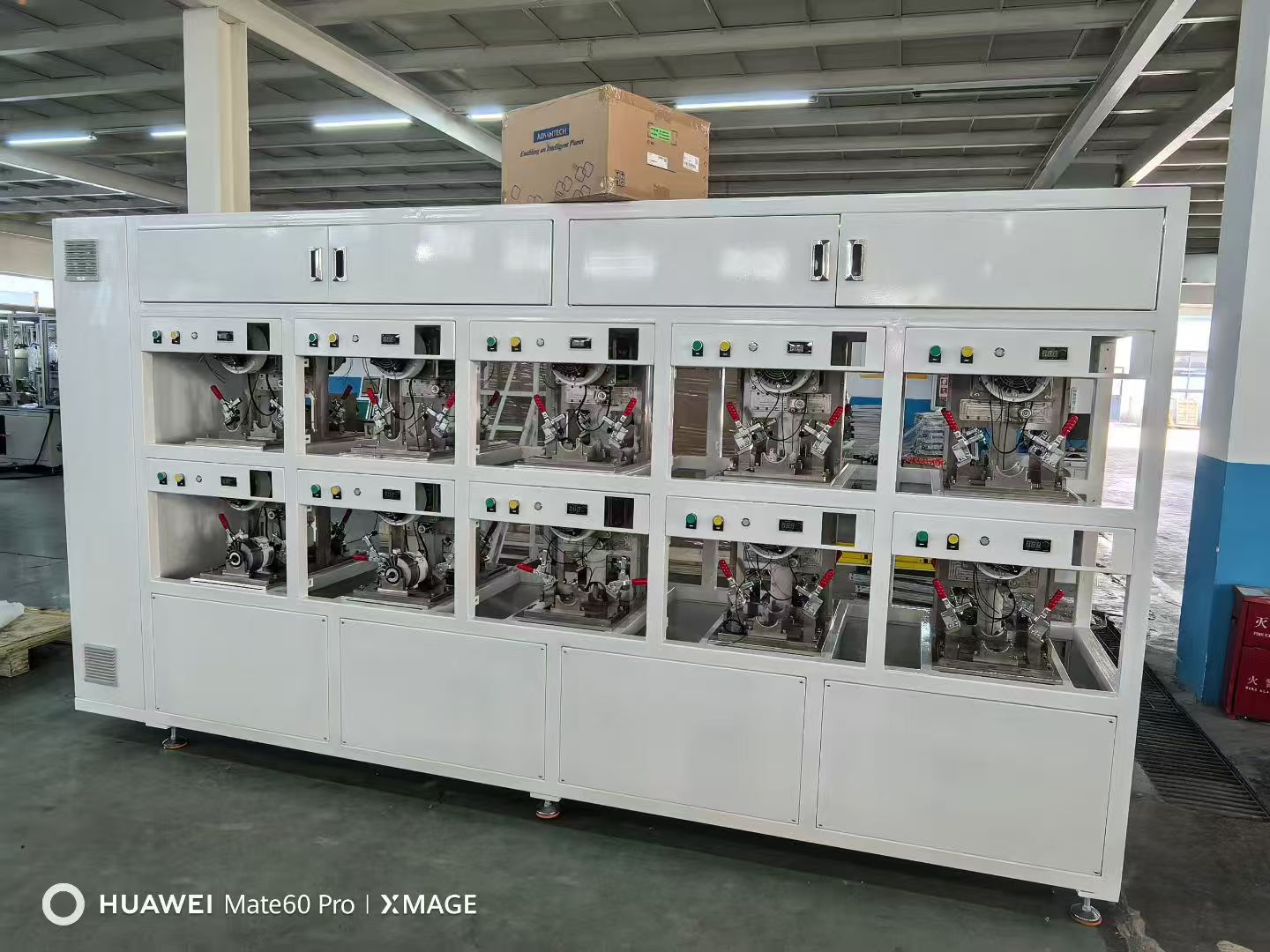
BLDC motor winding machines represent a critical investment in motor manufacturing operations, and choosing equipment with the right feature set determines production output, defect rates, and operational longevity. The winding quality directly influences motor performance characteristics including torque smoothness, efficiency, and thermal distribution. Understanding which features matter most enables manufacturers to make informed equipment decisions that balance capital investment with long-term operational value.
Precision and Winding Accuracy
Wire Tension Control Systems
Wire tension consistency is one of the most critical features in BLDC motor winding machines because uneven tension creates loose coils, incomplete wire seating, or wire breaks during the winding process. Advanced BLDC motor winding machines incorporate closed-loop tension monitoring systems that continuously adjust wire feed pressure based on real-time feedback, ensuring tension remains within specified tolerances throughout the winding cycle. Systems with manual tension adjustment alone cannot maintain consistency across extended production runs, leading to variable motor performance and higher scrap rates. Premium BLDC motor winding machines feature digital tension displays and adjustable tension profiles that adapt to different wire gauges and material types.
Positional Accuracy and Repeatability
Precision positioning directly affects coil alignment, wire placement accuracy, and the overall dimensional consistency of wound stators. High-performance BLDC motor winding machines utilize servo motor-driven spindles with encoder feedback that position winding heads to within 0.01-millimeter tolerances, ensuring identical coil geometry across production batches. The repeatability rating of BLDC motor winding machines indicates how consistently the equipment can reproduce the same winding pattern, and machines rated above 99.5 percent repeatability minimize quality variation and rework requirements. Positional accuracy becomes increasingly important when winding complex multi-layer stators or producing motors with tight electromagnetic specifications.
Automation and Production Capability
Multi-Axis Winding Control
Modern BLDC motor winding machines feature multi-axis control systems that coordinate spindle rotation, wire carriage movement, and tension application simultaneously, enabling complex winding patterns and reduced cycle times. Single-axis BLDC motor winding machines can only produce basic winding patterns and require manual intervention for slot transitions, whereas multi-axis systems automate these operations and reduce per-unit winding time significantly. Advanced BLDC motor winding machines incorporate programmable logic controllers that store multiple winding profiles, allowing rapid changeover between different motor designs without mechanical reconfiguration. Systems with four or more independent axes provide the flexibility needed to wind high-pole-count motors or specialized stator configurations demanded by modern electric vehicle and industrial applications.
Production Speed and Throughput Optimization
Winding speed capacity directly impacts labor productivity and cost-per-unit economics, and modern BLDC motor winding machines achieve winding speeds between 500 and 5,000 turns per minute depending on stator complexity and wire gauge. BLDC motor winding machines designed for high-volume production incorporate rapid-traverse carriage systems that minimize dead time between winding operations and accelerate wire placement to maximize machine utilization. Integrated counting and layer-transition logic in advanced BLDC motor winding machines enables automated detection of layer completion and automatic carriage repositioning, reducing operator intervention and human error. Equipment with speed ratings above 2,000 turns per minute proves essential for competitive manufacturing when producing high-volume consumer motor applications.
Material Compatibility and Flexibility
Wire Gauge and Material Versatility
Effective BLDC motor winding machines accommodate multiple wire gauges and insulation types without requiring extensive mechanical changes or tool replacement. BLDC motor winding machines equipped with interchangeable wire guide systems and adjustable wire tensioners can efficiently process wire diameters ranging from 0.2 millimeters to 1.5 millimeters, expanding their applicability across motor size categories. Systems that automatically detect wire diameter and adjust tension parameters accordingly provide superior usability and reduce setup time when switching between production jobs. The ability to wind both round and rectangular wire formats—increasingly common in high-efficiency motor designs—distinguishes premium BLDC motor winding machines from basic equipment.
Stator Compatibility and Customization
BLDC motor winding machines must accommodate varying stator slot counts, core lengths, and bore diameters to remain relevant across different motor designs. Machines with quick-change spindle couplings and modular stator holding fixtures enable rapid tooling changeover and minimize reconfiguration time between production runs. Advanced BLDC motor winding machines feature adjustable spindle positions and programmable core alignment systems that automatically position stators correctly regardless of size variations within specified ranges. Manufacturers requiring production flexibility benefit significantly from BLDC motor winding machines with extensive winding parameter customization capabilities and documented support for emerging motor formats.
Safety Features and Operational Reliability
Integrated Safety and Wire Breakage Detection
Reliable BLDC motor winding machines incorporate wire-break detection sensors that immediately halt the winding cycle when wire continuity is lost, preventing incomplete coils and wasted stator cores. Automated sensors detect tension anomalies, wire feed interruptions, and spindle rotation errors that indicate potential equipment faults or safety hazards. BLDC motor winding machines with comprehensive error-logging capabilities simplify troubleshooting and enable predictive maintenance by tracking failure patterns over extended operating periods. Emergency stop systems and guarding that prevent operator contact with rotating components are essential safety features in any BLDC motor winding machines specification.
Maintenance Accessibility and Serviceability
Well-designed BLDC motor winding machines feature accessible wire guides, easily replaceable bearing components, and modular drive systems that minimize downtime during routine maintenance. Equipment with clear maintenance interval documentation and readily available replacement parts ensures that BLDC motor winding machines remain operational throughout their service life without extended interruptions. Systems with self-diagnostic capabilities that identify worn components or calibration drift reduce unplanned maintenance emergencies. The availability of technical support and spare parts inventory directly impacts the total cost of ownership for BLDC motor winding machines.
FAQ
What is the typical winding accuracy for industrial BLDC motor winding machines?
Premium BLDC motor winding machines maintain positional accuracy within 0.01 millimeters and repeatability ratings above 99.5 percent, ensuring consistent coil dimensions and wire placement across production batches. Accuracy specifications vary based on motor size and winding complexity, with larger stators generally tolerating slightly greater variation than precision small-motor applications. Manufacturers should verify that specified accuracy ratings align with their electromagnetic design requirements before equipment purchase.
Can BLDC motor winding machines handle different wire materials and gauges?
Modern BLDC motor winding machines with interchangeable wire guides and adjustable tension systems successfully process wire diameters from 0.2 to 1.5 millimeters and accommodate copper, aluminum, and composite wire materials. Automatic diameter detection and tension adjustment features in advanced BLDC motor winding machines minimize setup time when switching between wire types. Manufacturers should confirm that specific wire materials and gauges they intend to use are supported by the equipment specifications before commitment.
How often require BLDC motor winding machines maintenance?
Properly maintained BLDC motor winding machines typically require routine inspection and bearing lubrication every 500 to 1,000 operating hours, with more comprehensive maintenance performed annually. Wire guide replacement, tension calibration verification, and spindle bearing service schedules depend on production volume and wire material used. Equipment manufacturers provide specific maintenance recommendations that, when followed consistently, extend BLDC motor winding machines operational lifespan to 10-15 years or longer.