Automatic Packaging Machine Price Guide: Cost, Benefits & ROI Analysis 2024

Get a Free Quote

Our representative will contact you soon.
Email
Name
Mobile/WhatsApp
Company Name
Message
0/1000

automatic packaging machine price

Understanding automatic packaging machine price requires examining multiple factors that influence the overall investment in modern packaging solutions. These sophisticated systems represent a significant advancement in production efficiency, combining cutting-edge technology with practical automation to streamline packaging operations across various industries. The automatic packaging machine price typically ranges from several thousand dollars for basic models to over one hundred thousand dollars for fully integrated production lines, depending on specifications, capacity, and customization requirements. These machines perform essential functions including product feeding, measuring, filling, sealing, labeling, and quality inspection, all executed with minimal human intervention. The technological features incorporated into contemporary automatic packaging machines include programmable logic controllers, servo motor systems, touchscreen interfaces, and smart sensors that ensure precise operation and consistent output quality. Modern units utilize stainless steel construction to meet hygiene standards, particularly crucial for food, pharmaceutical, and cosmetic applications. The automatic packaging machine price reflects the sophistication of components such as automated film feeding mechanisms, heat sealing systems, date coding equipment, and reject mechanisms that maintain product integrity. Applications span numerous sectors including snack foods, beverages, chemicals, hardware, medical supplies, and consumer goods. When evaluating automatic packaging machine price, businesses must consider not only the initial capital expenditure but also long-term operational costs, maintenance requirements, and potential return on investment through increased productivity. Different packaging formats such as pouches, sachets, bottles, cartons, and vacuum packs require specialized machine configurations, directly impacting the automatic packaging machine price structure. The investment decision should account for production volume requirements, packaging material compatibility, space constraints, and integration capabilities with existing production infrastructure. Many manufacturers offer customizable solutions tailored to specific product characteristics and throughput demands, which naturally affects the final automatic packaging machine price quotation.

New Product Recommendations

Investing in automated packaging equipment delivers transformative benefits that extend far beyond simple mechanization of packaging tasks. The automatic packaging machine price becomes justified when companies recognize the substantial labor cost reductions achieved through minimizing manual handling requirements. These systems operate continuously with consistent speed and accuracy, eliminating human fatigue factors that compromise productivity during extended shifts. Businesses experience dramatic improvements in packaging consistency, as machines execute identical operations repeatedly without variation, ensuring every package meets exact specifications for weight, seal integrity, and presentation quality. The reduction in material waste represents another compelling financial advantage, since precise measuring and cutting functions minimize excess usage of films, labels, and other packaging components. Enhanced production speed directly translates to increased output capacity, enabling companies to fulfill larger orders, meet tight deadlines, and respond quickly to market demand fluctuations without proportional increases in workforce size. The automatic packaging machine price includes technology that significantly reduces contamination risks through enclosed processing environments, particularly valuable for food safety compliance and pharmaceutical grade requirements. Automated systems generate detailed production data, providing management with real-time insights into throughput rates, downtime incidents, and efficiency metrics that inform strategic decision-making. Workplace safety improvements emerge as machines handle repetitive motions and heavy lifting that otherwise expose workers to repetitive strain injuries and physical hazards. The compact footprint of modern packaging machines optimizes factory floor utilization, freeing valuable space for additional production equipment or inventory storage. Flexibility stands as a crucial advantage, with many systems offering quick changeover capabilities between different product sizes and packaging formats, reducing downtime during production transitions. Energy efficiency features incorporated into contemporary designs lower operational costs while supporting corporate sustainability initiatives. The automatic packaging machine price reflects built-in quality control mechanisms such as metal detectors, checkweighers, and vision inspection systems that identify defects before products reach distribution channels, protecting brand reputation and reducing costly recalls. Scalability allows businesses to start with baseline configurations and expand capabilities as operations grow, making automation accessible to companies at various developmental stages. Remote monitoring and diagnostic capabilities enable predictive maintenance scheduling that prevents unexpected breakdowns and extends equipment lifespan. The professional appearance of machine-sealed packages enhances product marketability and consumer perception of quality. Integration with inventory management and enterprise resource planning systems creates seamless information flow throughout the supply chain, improving operational coordination and reducing administrative overhead.

Practical Tips

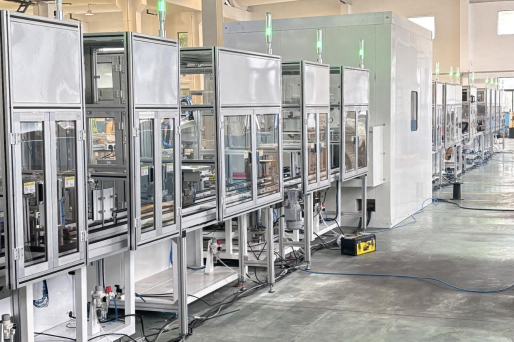
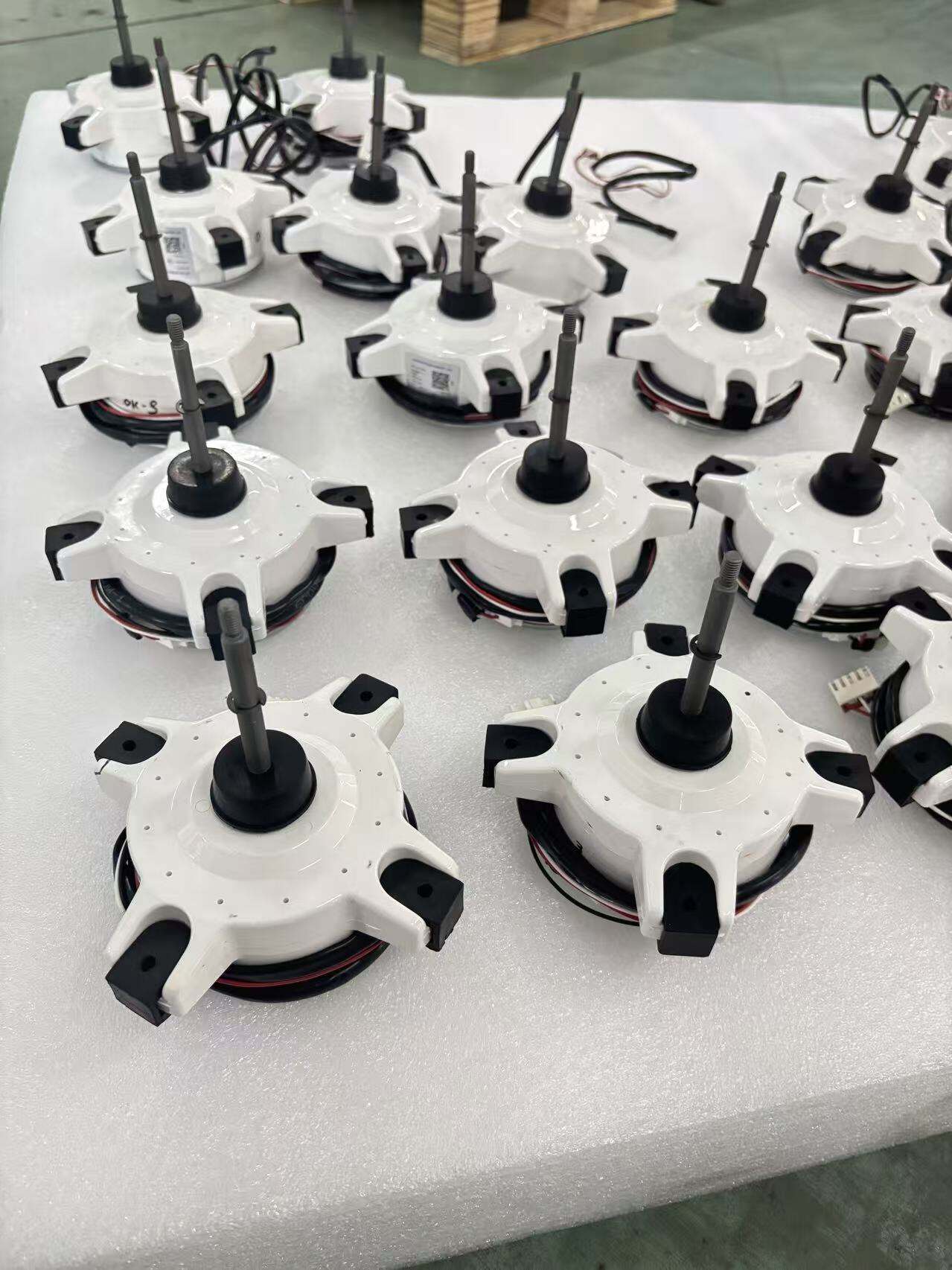
January 15th, 2026 Air Conditioner BLDC Motor Production line Dispatch to India

08

Apr

January 15th, 2026 Air Conditioner BLDC Motor Production line Dispatch to India

View More
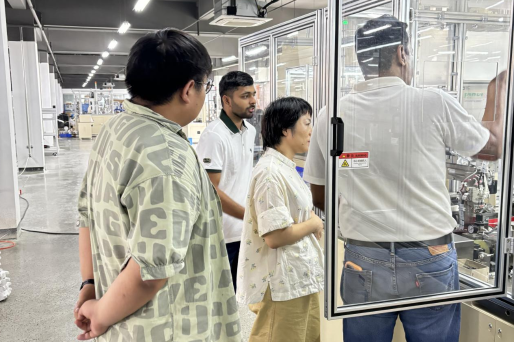
August 30th, 2025, 45W Air conditioner ODU BLDC motor Assembly line Inspection From India customer

08

Apr

August 30th, 2025, 45W Air conditioner ODU BLDC motor Assembly line Inspection From India customer

View More
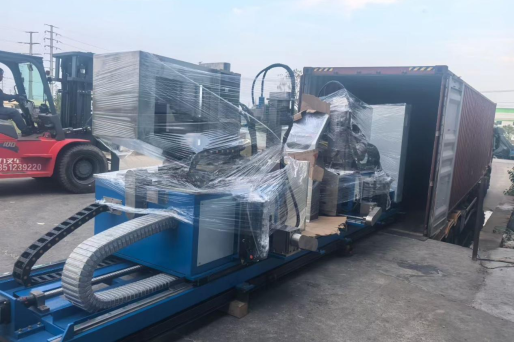
January 5th , 2026 CNC Coil Forming Machine For High Voltage Motors dispatched to UZ (Uzbekistan)

07

Apr

January 5th , 2026 CNC Coil Forming Machine For High Voltage Motors dispatched to UZ (Uzbekistan)

View More

Get a Free Quote

Our representative will contact you soon.
Email
Name
Mobile/WhatsApp
Company Name
Message
0/1000

automatic packaging machine price

Cost Efficiency Through Labor Optimization and Material Conservation

Cost Efficiency Through Labor Optimization and Material Conservation

The automatic packaging machine price represents a strategic investment that delivers measurable returns through multiple cost-reduction mechanisms. Labor expenses constitute one of the largest operational costs for manufacturing facilities, and automated packaging systems dramatically decrease workforce requirements for packaging operations. A single machine can perform the work of multiple manual operators while maintaining continuous operation across multiple shifts without breaks, overtime compensation, or productivity decline. This workforce optimization allows companies to reallocate human resources to higher-value activities requiring judgment and creativity rather than repetitive manual tasks. The financial impact extends beyond direct wage savings to include reduced expenses for recruitment, training, benefits administration, and turnover replacement costs associated with packaging line positions. Material conservation represents another significant economic benefit that justifies the automatic packaging machine price. Precision engineering ensures accurate product portioning and exact material usage, eliminating the overages common in manual operations where workers err on the side of caution to avoid underfilling. Film cutting mechanisms optimize material utilization by calculating exact lengths needed for each package, minimizing scrap generation that represents pure waste of purchased materials. Automated systems maintain consistent seal quality that prevents package failures requiring rework or resulting in product losses during distribution. The reduction in damaged goods translates directly to bottom-line improvements by preserving inventory value and eliminating the costs of replacement shipments or customer refunds. Energy consumption patterns of modern packaging machines incorporate efficiency features such as standby modes, optimized heating cycles, and regenerative braking systems that reduce electricity costs compared to older equipment or manual operations requiring extensive facility lighting and climate control. Maintenance costs remain predictable and manageable due to robust construction and availability of replacement components, with many manufacturers offering service contracts that provide budget certainty. The automatic packaging machine price includes sophisticated controls that prevent costly operational errors such as incorrect labeling, improper seal temperatures, or misaligned packaging materials that could result in entire production runs requiring disposal. When calculating total cost of ownership over a five to ten year operational period, automated packaging systems demonstrate compelling financial advantages that far exceed the initial capital investment, delivering payback periods often measured in months rather than years for facilities with substantial packaging volumes.
Production Excellence Through Precision and Consistency

Production Excellence Through Precision and Consistency

The technological sophistication reflected in automatic packaging machine price delivers unparalleled production quality that manual operations cannot match. Precision engineering enables these systems to execute packaging operations with tolerances measured in fractions of millimeters and grams, ensuring every package meets exact specifications regardless of production volume or operator shifts. Servo motor technology provides fine control over movement speeds and positions, allowing delicate products to be handled without damage while maintaining rapid cycle times that maximize throughput. Advanced sensor arrays monitor multiple parameters simultaneously, detecting variations in product dimensions, weights, or positions and making real-time adjustments to maintain optimal packaging quality. This level of precision consistency creates uniform product presentation across entire production runs, strengthening brand identity through professional appearance that consumers associate with quality and reliability. Temperature control systems maintain exact heat levels for sealing operations, ensuring bonds achieve proper strength without overheating that could damage products or packaging materials. The automatic packaging machine price includes programmable recipe storage that retains optimal settings for different products, enabling operators to switch between packaging configurations with a few touchscreen selections rather than manual adjustments requiring trial runs and material waste. Vision inspection systems integrated into packaging lines identify defects such as improper seals, missing labels, or contamination that could compromise product integrity, automatically rejecting non-conforming packages before they enter distribution channels. This quality assurance capability protects brand reputation by preventing defective products from reaching consumers while eliminating the labor costs of manual inspection processes. Repeatability stands as a fundamental advantage, with machines executing identical operations millions of times without deviation, fatigue, or distraction that affect human workers. Statistical process control features generate detailed quality metrics, providing documentation required for regulatory compliance in industries such as pharmaceuticals and medical devices where packaging integrity directly impacts product safety. The automatic packaging machine price encompasses hygienic design features including stainless steel contact surfaces, tool-free disassembly for cleaning, and enclosed processing zones that prevent environmental contamination. These characteristics enable facilities to meet stringent sanitation standards while reducing cleaning time and validation requirements. Consistent package quality reduces customer complaints, returns, and warranty claims that damage profitability and market reputation. The professional appearance achieved through automated packaging enhances retail shelf presence, improving product visibility and purchase appeal in competitive markets where packaging quality influences consumer buying decisions.
Operational Flexibility and Future-Ready Scalability

Operational Flexibility and Future-Ready Scalability

Modern automatic packaging machine price structures reflect versatile designs that adapt to evolving business needs and market conditions. Modular architecture allows companies to configure systems matching current requirements while retaining expansion capabilities as operations grow, protecting the initial investment by avoiding premature obsolescence. Quick changeover features enable production facilities to switch between different product sizes, packaging formats, or branding variations with minimal downtime, responding rapidly to promotional campaigns, seasonal demand shifts, or market test opportunities. Tool-free adjustment mechanisms allow operators to modify package dimensions, seal patterns, or fill volumes without specialized technical knowledge or lengthy setup procedures that consume productive time. The automatic packaging machine price includes programmable controls that store unlimited recipes, each containing all parameters for specific products, accessible through intuitive touchscreen interfaces that simplify operator training and reduce the skill levels required for effective machine operation. This accessibility democratizes automation benefits, making advanced packaging technology practical for smaller enterprises and regional manufacturers previously unable to justify complex equipment requiring specialized technicians. Integration capabilities represent crucial flexibility dimensions, with modern machines offering communication protocols compatible with upstream production equipment, downstream case packers, and enterprise management systems. This connectivity creates synchronized production flows where packaging operations automatically adjust to fluctuations in product supply rates or adjust output to match warehouse capacity, optimizing overall facility efficiency. Remote access features enable technical support personnel to diagnose issues, adjust parameters, or update software without site visits, reducing downtime and support costs while ensuring machines operate at peak performance. The automatic packaging machine price encompasses expansion ports and mounting provisions for additional modules such as nitrogen flushing systems, gas detection equipment, multi-head weighers, or secondary packaging integration that extend capabilities as product lines develop or quality requirements increase. Scalability extends to production capacity, with many machine families offering models spanning wide output ranges using common control platforms and operational interfaces, allowing workforce skills to transfer seamlessly when facilities upgrade to higher-capacity units. Format flexibility accommodates evolving packaging preferences, with single machines often capable of producing pillow bags, gusseted pouches, stand-up configurations, or stick packs through format part changes rather than complete equipment replacement. The automatic packaging machine price investment protects against market uncertainty by providing operational agility that allows businesses to pursue new opportunities, respond to competitive pressures, or pivot product strategies without the constraints of dedicated single-purpose equipment. Future-ready designs incorporate upgrade paths for emerging technologies such as artificial intelligence quality prediction, blockchain traceability integration, or sustainable packaging material compatibility, ensuring equipment remains relevant throughout extended service lives spanning decades.

Get a Free Quote

Our representative will contact you soon.
Email
Name
Mobile/WhatsApp
Company Name
Message
0/1000