Professional Coil Spreading Equipment - Advanced Metal Processing Solutions for Industrial Applications

Get a Free Quote

Our representative will contact you soon.
Email
Name
Mobile/WhatsApp
Company Name
Message
0/1000

coil spreading equipment

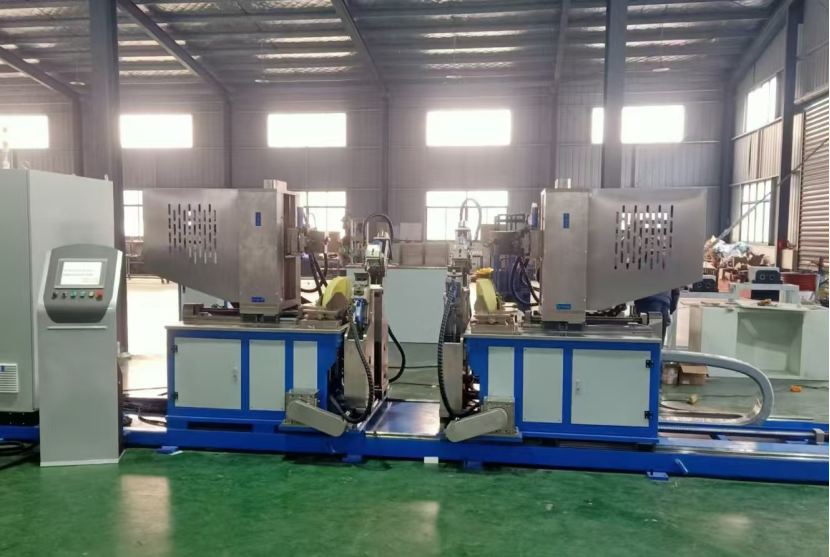
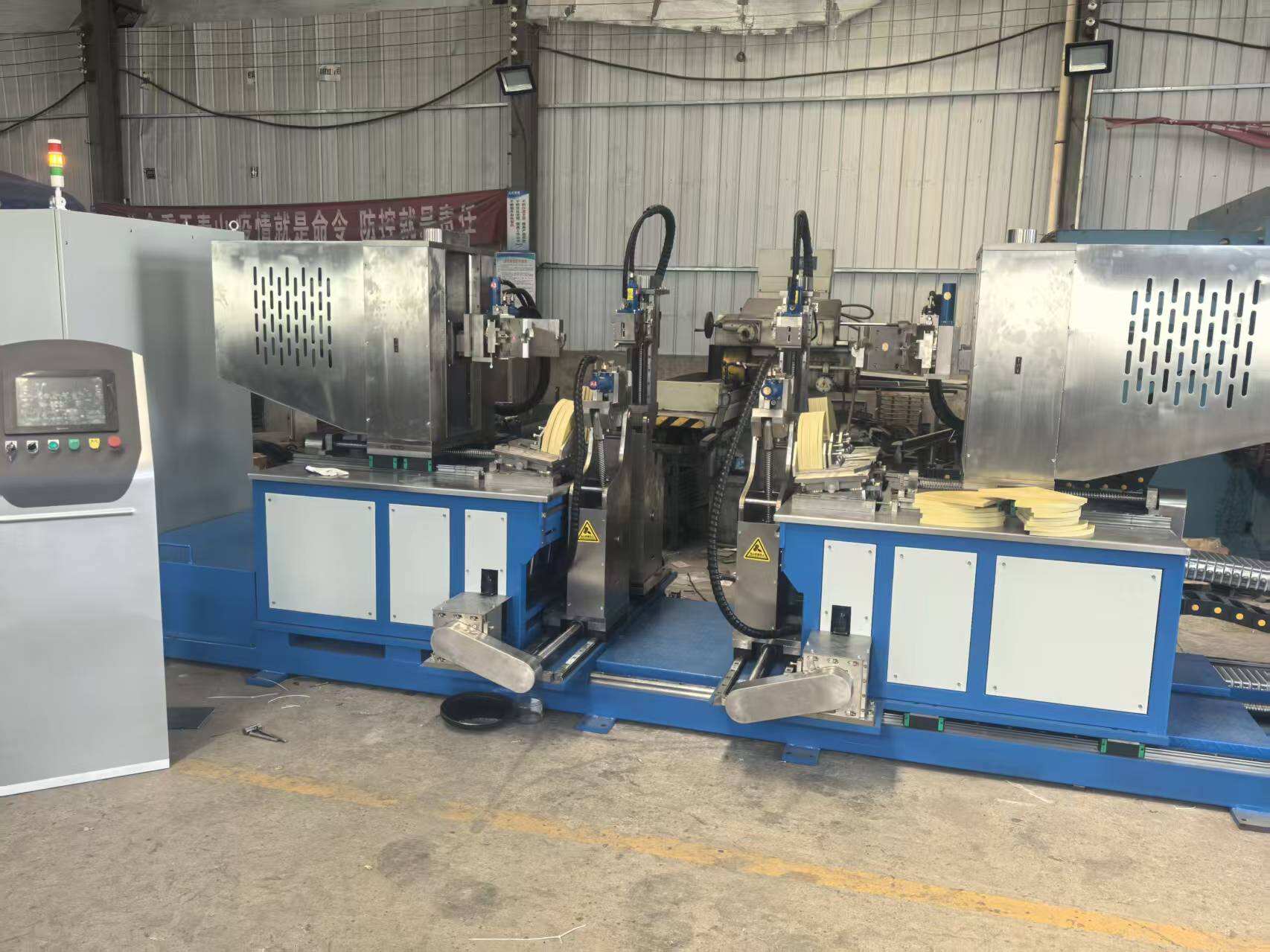
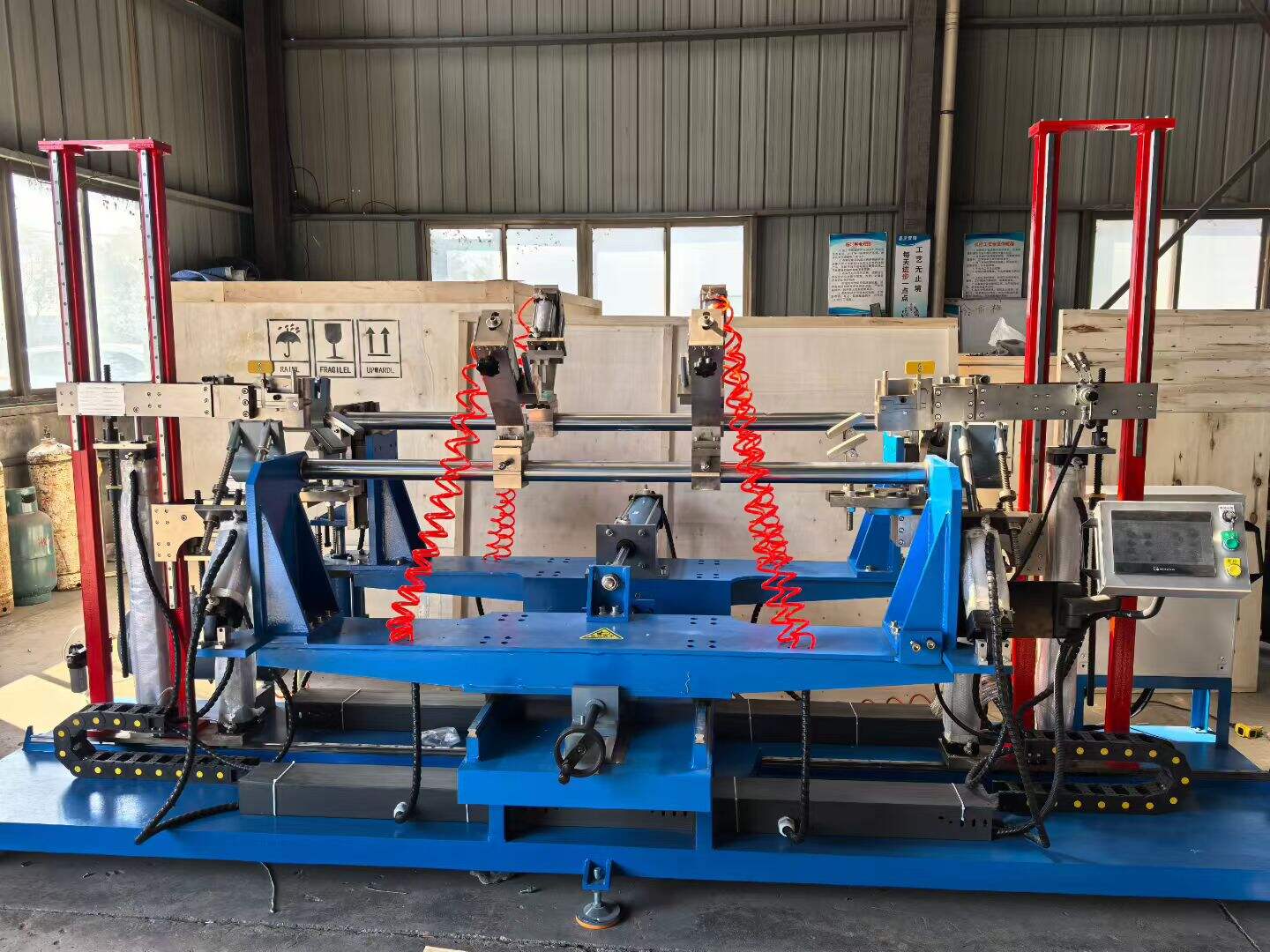
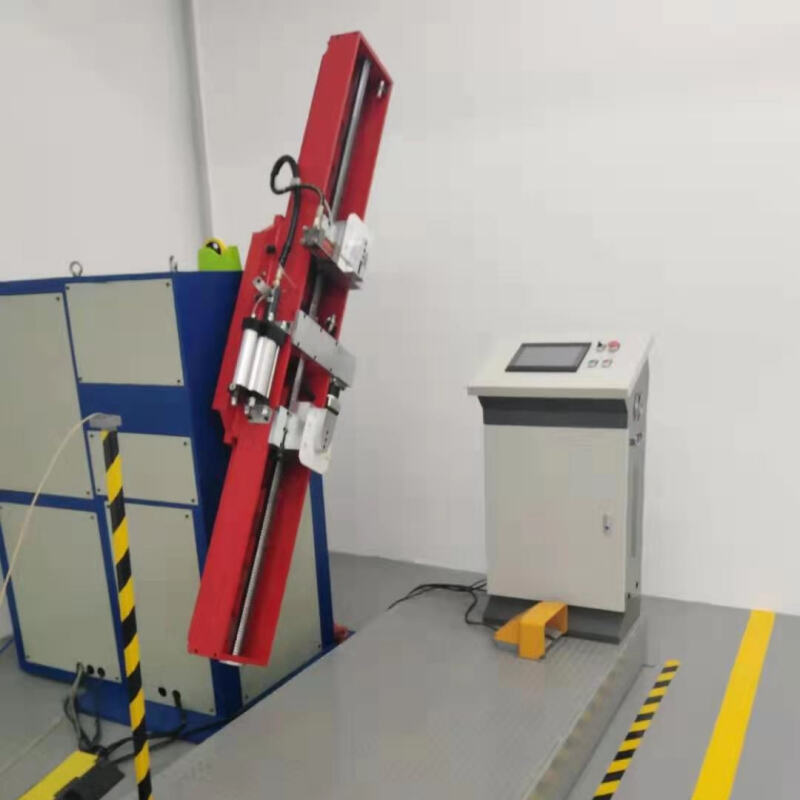
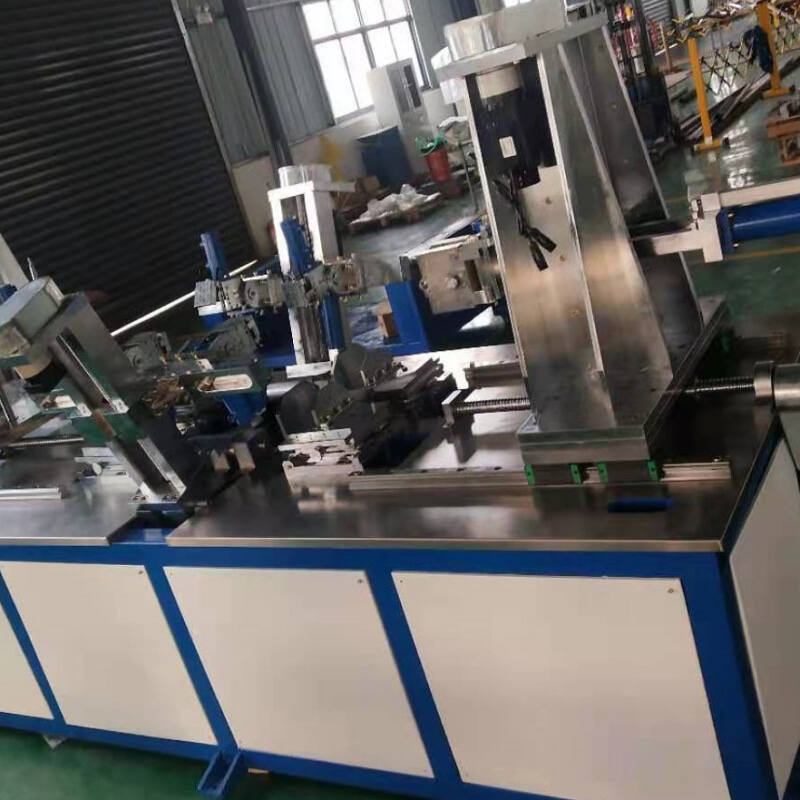
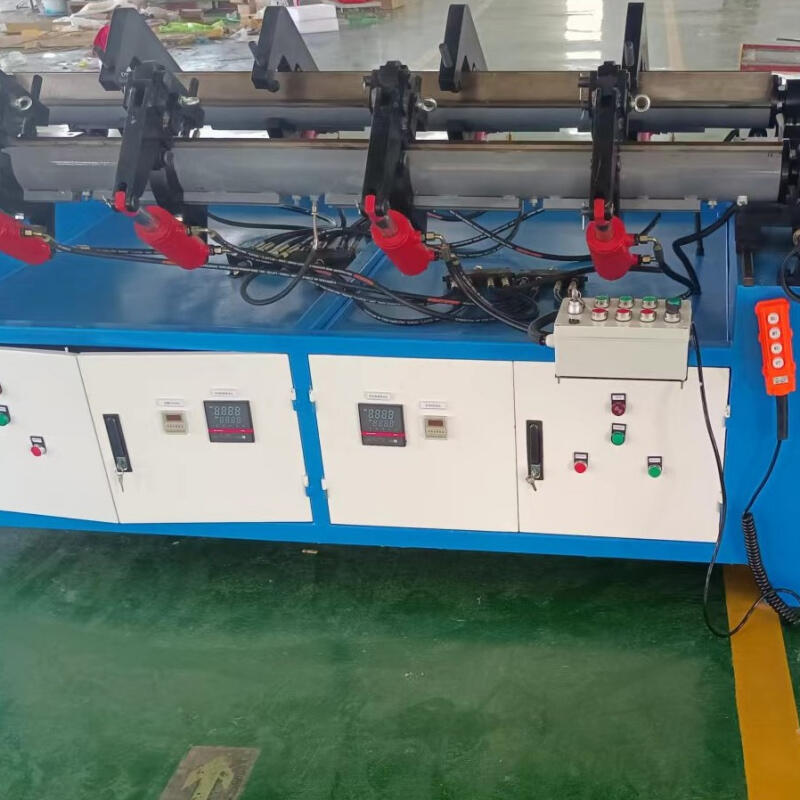
Coil spreading equipment represents a critical component in modern metal processing facilities, designed to efficiently handle and distribute coiled materials across various industrial applications. This sophisticated machinery serves as an essential bridge between raw material storage and production lines, transforming tightly wound metal coils into flat, usable sheets ready for further manufacturing processes. The primary function of coil spreading equipment involves unwinding metal coils in a controlled manner while maintaining material integrity and ensuring consistent tension throughout the spreading operation. These systems are engineered to accommodate diverse coil dimensions, weights, and material compositions, ranging from steel and aluminum to copper and specialty alloys. The technological architecture of coil spreading equipment incorporates advanced hydraulic or pneumatic mechanisms that provide precise control over unwinding speed and tension adjustment. Modern units feature computerized control systems that enable operators to program specific parameters, monitor real-time performance metrics, and adjust operations dynamically based on material characteristics. Safety mechanisms are integrated throughout the design, including emergency stop functions, overload protection, and automated sensing systems that detect irregularities in coil positioning or material flow. The equipment typically consists of several key components: a sturdy base frame constructed from heavy-duty steel, expandable mandrels or arbors that secure the coil from inside, powered decoiling arms that support and rotate the material, tension control devices that maintain consistent material flow, and guiding systems that direct the unwound material toward subsequent processing stations. Applications for coil spreading equipment span numerous industries, including automotive manufacturing where sheet metal must be prepared for stamping operations, construction sectors requiring processed metal for structural components, appliance production facilities, HVAC system manufacturing, and electrical equipment assembly operations. The versatility of these machines makes them indispensable in any facility that processes coiled metal materials at scale.

New Product Releases

Investing in quality coil spreading equipment delivers substantial operational benefits that directly impact your facility's productivity and profitability. First and foremost, these machines dramatically reduce manual labor requirements by automating the historically labor-intensive process of coil handling and unwinding. Workers no longer need to struggle with heavy coils or risk injury through manual manipulation, which significantly enhances workplace safety while reducing insurance costs and liability concerns. The automation aspect translates to consistent processing speeds that far exceed manual methods, allowing your facility to process more material in less time and meet demanding production schedules without overtime expenses. Material waste reduction represents another compelling advantage, as the precise tension control and guided unwinding mechanisms prevent the material damage, kinking, and edge deformation that commonly occur with improper handling. Every meter of material saved contributes directly to your bottom line, especially when working with expensive specialty metals or high-volume production runs. The equipment's adaptability to different coil sizes and material types eliminates the need for multiple specialized machines, optimizing your floor space utilization and reducing capital equipment expenses. You can switch between projects handling various materials without significant downtime or reconfiguration efforts, maintaining operational flexibility that responds to changing market demands. Energy efficiency built into modern coil spreading equipment designs means lower operational costs compared to older hydraulic systems, with variable speed drives and intelligent power management reducing electricity consumption during idle periods and optimizing energy use during active operations. The computerized control systems provide valuable production data that helps you identify bottlenecks, optimize workflows, and make informed decisions about capacity planning and resource allocation. Maintenance requirements are minimized through robust construction and quality components that withstand demanding industrial environments, reducing unexpected downtime and repair costs that disrupt production schedules. The consistent material presentation achieved by coil spreading equipment improves the performance of downstream processes, whether stamping, cutting, forming, or coating operations, by ensuring material arrives in optimal condition with uniform properties. This consistency reduces defect rates in finished products, minimizes rework requirements, and enhances your reputation for quality among customers. Operator training becomes simplified through intuitive control interfaces and standardized operating procedures, reducing the learning curve for new employees and ensuring experienced workers can maximize equipment capabilities. The long-term return on investment proves compelling when calculating reduced labor costs, decreased material waste, improved safety records, enhanced productivity, and increased production capacity that positions your facility competitively in the marketplace.

Tips And Tricks

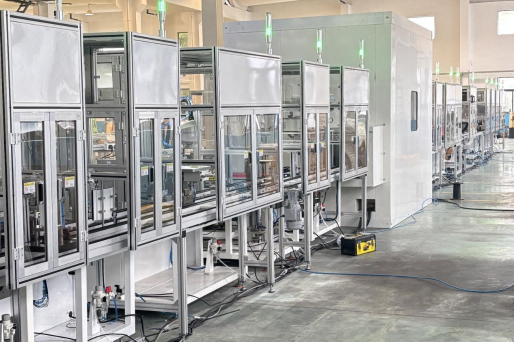
January 15th, 2026 Air Conditioner BLDC Motor Production line Dispatch to India

08

Apr

January 15th, 2026 Air Conditioner BLDC Motor Production line Dispatch to India

View More
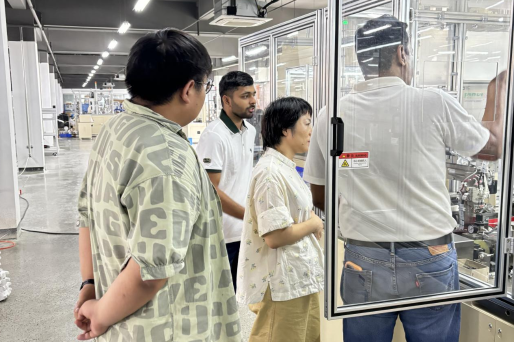
August 30th, 2025, 45W Air conditioner ODU BLDC motor Assembly line Inspection From India customer

08

Apr

August 30th, 2025, 45W Air conditioner ODU BLDC motor Assembly line Inspection From India customer

View More
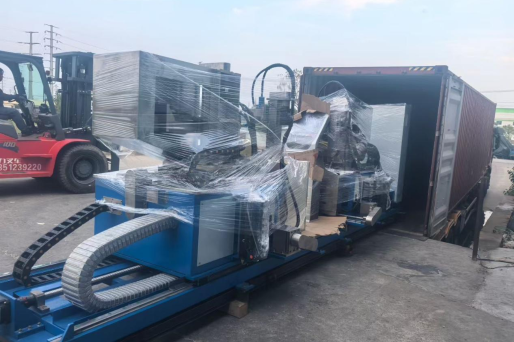
January 5th , 2026 CNC Coil Forming Machine For High Voltage Motors dispatched to UZ (Uzbekistan)

07

Apr

January 5th , 2026 CNC Coil Forming Machine For High Voltage Motors dispatched to UZ (Uzbekistan)

View More

Get a Free Quote

Our representative will contact you soon.
Email
Name
Mobile/WhatsApp
Company Name
Message
0/1000

coil spreading equipment

Advanced Tension Control Technology for Superior Material Quality

Advanced Tension Control Technology for Superior Material Quality

The sophisticated tension control system integrated into modern coil spreading equipment stands as a defining feature that separates professional-grade machinery from basic unwinding devices. This technology employs multiple sensors and feedback mechanisms that continuously monitor material tension throughout the unwinding process, making real-time adjustments to maintain optimal conditions regardless of variations in coil diameter, material thickness, or unwinding speed. The importance of proper tension control cannot be overstated, as excessive tension can stretch materials beyond acceptable tolerances, creating dimensional inconsistencies that compromise finished product quality, while insufficient tension allows material to develop waves, buckles, or surface imperfections that render it unsuitable for precision applications. The system typically utilizes load cells positioned at strategic points along the material path, measuring force applied to the material and transmitting data to the control processor dozens of times per second. This processor compares actual tension against preset parameters established for the specific material being processed and instantly commands adjustments to braking mechanisms, motor speeds, or pneumatic pressure to maintain ideal conditions. For facilities processing high-value materials or producing components with stringent quality requirements, this precision proves invaluable in preventing costly material losses and maintaining consistent production standards. The tension control technology adapts automatically as the coil diameter decreases during unwinding, compensating for the changing mechanical advantage and rotational inertia that would otherwise cause tension fluctuations. Advanced systems incorporate dancer roll assemblies that provide mechanical buffering against sudden tension changes, absorbing variations before they propagate through the material and cause damage. The practical benefits extend beyond material quality to include enhanced production speeds, as operators can confidently increase unwinding rates knowing the control system will prevent tension-related issues. Different material types require different tension profiles, and programmable control systems allow you to store specific settings for various materials in memory, enabling quick changeovers between production runs without extensive manual adjustments or test runs. The technology also protects your equipment investment by preventing the stress and wear that occurs when machinery operates under improper tension conditions, extending component life and reducing maintenance frequency. For businesses serving multiple industries or producing diverse product lines, this flexibility in tension management enables you to accept a wider range of projects without concerns about equipment limitations, expanding market opportunities and revenue potential while maintaining the quality standards that build customer loyalty and repeat business.
Robust Construction Engineering for Demanding Industrial Environments

Robust Construction Engineering for Demanding Industrial Environments

The structural integrity and build quality of coil spreading equipment fundamentally determine its reliability, longevity, and ability to deliver consistent performance under the demanding conditions typical of industrial metal processing facilities. Professional-grade equipment features heavy-duty steel frame construction utilizing reinforced welded assemblies designed to withstand the substantial forces generated when handling coils that may weigh several tons and exert considerable mechanical stress during rotation and unwinding operations. The engineering behind this robust construction considers multiple load scenarios, including static weight when coils are loaded, dynamic forces during acceleration and deceleration, vibrational stresses from continuous operation, and potential impact loads from material handling equipment during coil placement. Frame members are sized with substantial safety margins, ensuring the structure maintains rigidity and alignment even after years of service in challenging environments where temperature fluctuations, humidity, and occasional impacts are inevitable. Critical wear surfaces receive specialized treatments such as hardened steel plating, ceramic coatings, or replaceable wear strips that extend service life and maintain precision tolerances essential for proper material handling. The mandrel or arbor assembly that engages the coil interior represents a particularly critical component, engineered to expand reliably and grip securely across the full range of coil inner diameters the equipment handles while distributing clamping forces evenly to prevent coil deformation. These components typically incorporate hardened steel segments, precision machining, and robust actuation mechanisms capable of countless expansion and contraction cycles without performance degradation. Bearing assemblies throughout the equipment utilize industrial-grade components sealed against contamination and designed for extended maintenance intervals, reducing downtime and operational disruptions. The drive systems, whether hydraulic, pneumatic, or electric, are specified with power reserves exceeding normal operational requirements, ensuring responsive performance, preventing overheating during extended runs, and accommodating occasional peak demands without strain. Quality manufacturers implement comprehensive protection measures including safety guards, emergency stop systems accessible from multiple locations, overload sensors that halt operations before damage occurs, and interlock systems preventing operation when covers are open or personnel are in hazardous zones. This attention to safety engineering protects your workforce while demonstrating compliance with occupational safety regulations that grow increasingly stringent across jurisdictions. The practical implications of robust construction manifest in multiple ways throughout the equipment lifecycle, beginning with installation where solid engineering simplifies positioning, leveling, and integration with existing production lines. During operation, structural integrity translates to smooth, vibration-free performance that maintains material quality and reduces noise levels in the workplace. The equipment continues delivering consistent results year after year, maintaining original specifications and avoiding the dimensional drift or alignment issues that plague lighter-duty machines, ultimately providing superior total cost of ownership through extended service life and minimal performance degradation.
Intelligent Control Systems for Operational Excellence

Intelligent Control Systems for Operational Excellence

Modern coil spreading equipment incorporates sophisticated computerized control systems that transform these machines from simple mechanical devices into intelligent production assets capable of optimizing performance, gathering valuable operational data, and integrating seamlessly with broader facility automation infrastructure. The control interface typically features touchscreen displays presenting intuitive graphical representations of equipment status, operational parameters, and production metrics that enable operators to monitor and adjust performance without specialized technical knowledge or extensive training periods. These systems allow programming of multiple material profiles storing specific parameters for different coil types, thicknesses, and materials, enabling rapid changeovers between production runs by simply selecting the appropriate profile rather than manually adjusting numerous individual settings. The intelligent control architecture continuously monitors dozens of operational parameters including motor current draw, hydraulic pressure, material speed, tension levels, coil diameter, and equipment temperatures, comparing actual values against expected ranges and alerting operators to developing issues before they cause production disruptions or equipment damage. This predictive capability represents a significant advancement over traditional equipment that provides no warning of impending failures, allowing maintenance interventions during planned downtime rather than responding to unexpected breakdowns that halt production and cascade delays throughout facility operations. Diagnostic capabilities built into control systems accelerate troubleshooting when issues do occur, with detailed error logging, system status displays, and guided troubleshooting routines that help maintenance personnel quickly identify root causes and implement corrections, minimizing repair times and reducing dependence on specialized technicians or manufacturer service calls. Advanced systems offer connectivity options enabling integration with facility-level production management systems, providing real-time production data, material consumption tracking, equipment utilization statistics, and quality metrics that inform strategic decisions about capacity planning, preventive maintenance scheduling, and process optimization opportunities. Remote monitoring capabilities allow technical support personnel or facility managers to assess equipment status from any location with network connectivity, facilitating rapid response to issues and enabling expert assistance without requiring on-site visits that involve travel time and scheduling delays. The control systems also enhance safety through programmable operational limits that prevent operators from selecting parameters outside safe ranges for specific materials or equipment capabilities, automatic shutdown sequences when sensors detect unsafe conditions, and access control features restricting advanced functions to authorized personnel. Energy management functions optimize power consumption by adjusting motor speeds, implementing efficient acceleration and deceleration profiles, and reducing power draw during idle periods, contributing to lower operational costs and supporting corporate sustainability initiatives. The data logging capabilities provide valuable documentation for quality management systems, creating permanent records of processing parameters for each production run that support traceability requirements, facilitate root cause analysis when quality issues arise, and demonstrate process control for customer audits or certification requirements. For forward-thinking facilities, these intelligent control systems position coil spreading equipment as connected assets within Industry 4.0 initiatives, contributing data streams that feed artificial intelligence algorithms, support digital twin modeling, and enable the continuous improvement cycles that characterize competitive modern manufacturing operations.
Get a Free Quote

Our representative will contact you soon.
Email
Name
Mobile/WhatsApp
Company Name
Message
0/1000