Operational Efficiency that Transforms Production Economics
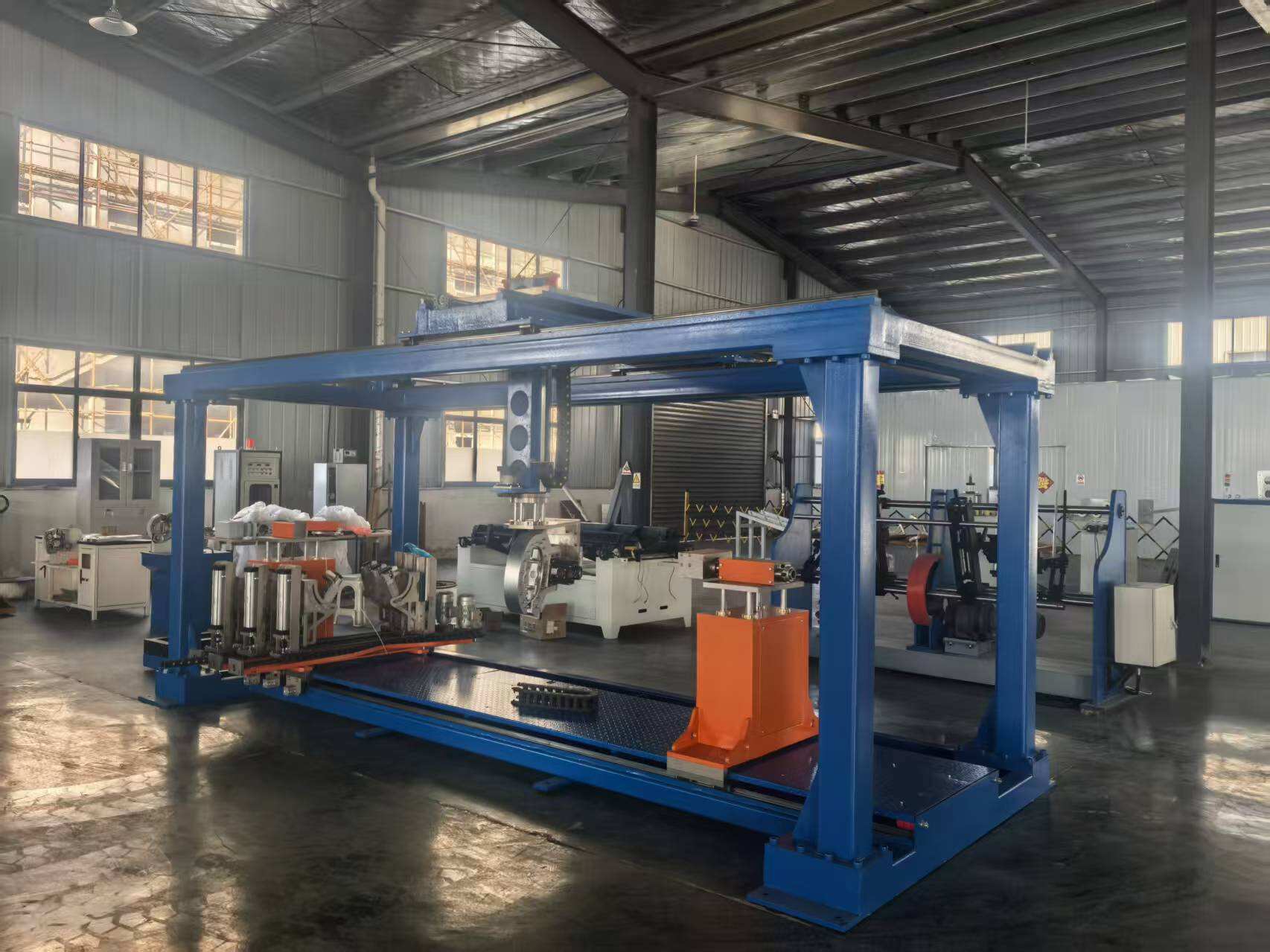
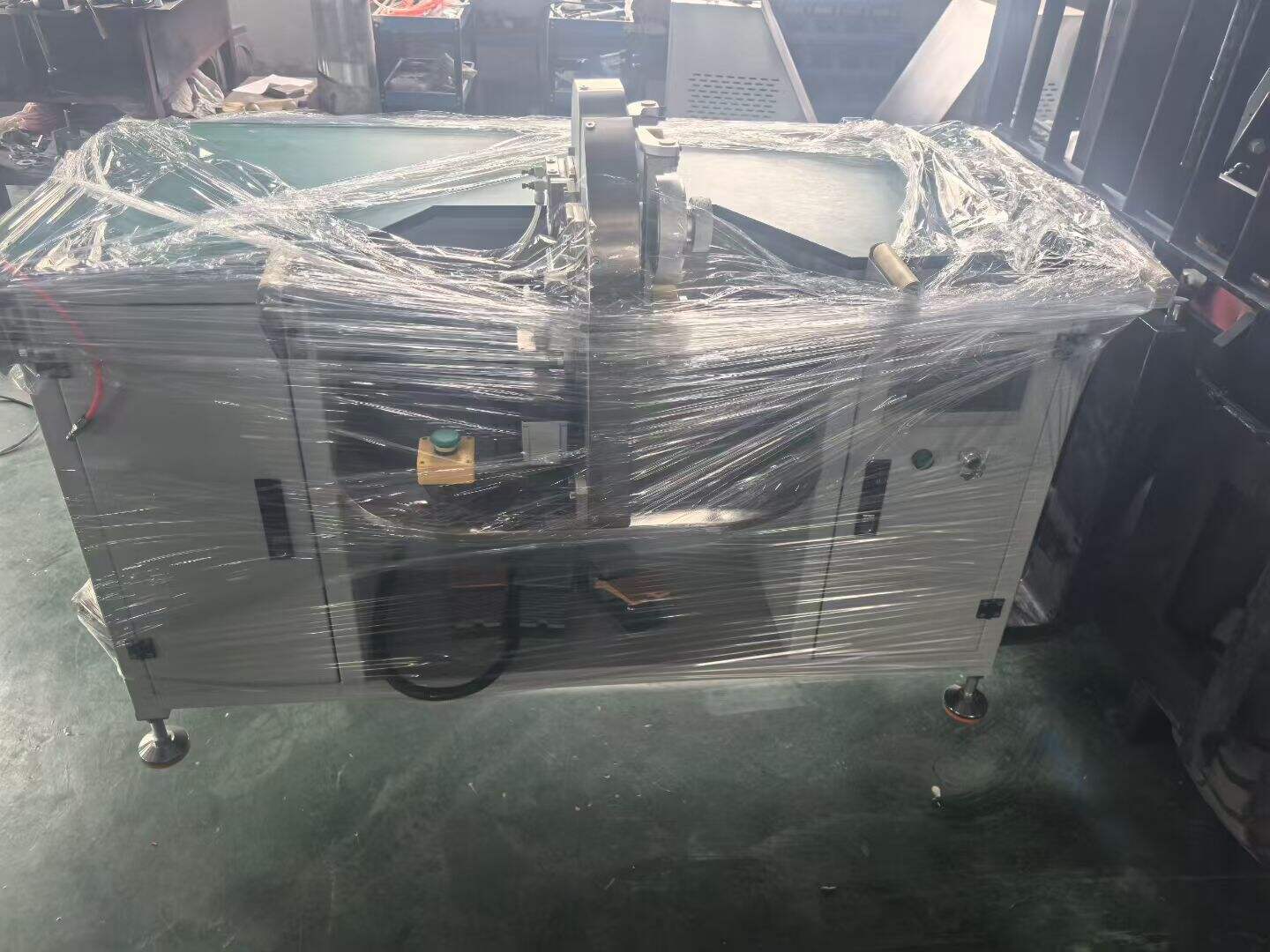
The operational efficiency delivered by implementing a toroidal coil taping machine fundamentally transforms production economics in ways that extend far beyond simple speed improvements, creating compounding benefits throughout the entire manufacturing operation. Cycle time reduction represents the most immediately visible efficiency gain, with automated wrapping completing in seconds what previously required several minutes of skilled manual labor, directly multiplying production capacity without corresponding increases in floor space or workforce size. This time compression enables manufacturers to respond more rapidly to customer orders, reduce lead times, and maintain smaller inventory levels because production can be scheduled closer to delivery requirements rather than building large batches to amortize setup time. Labor utilization improves dramatically because the toroidal coil taping machine requires only supervisory attention rather than continuous hands-on operation, allowing one technician to oversee multiple machines simultaneously while performing quality checks, material replenishment, and production documentation. This workforce multiplication effect proves especially valuable in regions facing skilled labor shortages or where labor costs constitute significant production expenses. The machines operate with remarkable consistency hour after hour, maintaining identical performance during first-shift and third-shift operations without the productivity variations typical of manual processes where worker fatigue affects output quality and speed. Material efficiency contributes substantially to operational economics through precise tape consumption that eliminates the overages typical in manual applications where operators apply excess material to ensure adequate coverage. The automated systems calculate exact tape requirements based on toroid geometry and programmed overlap, then cut precisely at completion points, converting material savings directly to profit margin improvements that accumulate significantly over thousands of production units. Scrap reduction represents another crucial efficiency dimension, as the consistent quality produced by the toroidal coil taping machine dramatically lowers rejection rates compared to manual processes where technique variations lead to periodic defects requiring rework or disposal. Lower scrap rates mean that a higher percentage of raw materials convert into saleable products, improving material yield and reducing the environmental impact associated with waste disposal. Energy efficiency in modern machines incorporates power-saving features such as standby modes during idle periods and optimized motion profiles that minimize unnecessary acceleration and deceleration, reducing operating costs while supporting corporate sustainability initiatives. Maintenance efficiency benefits from accessible designs that facilitate routine servicing, with many machines featuring quick-change components for wear items such as cutting blades and tape guides, minimizing downtime and allowing maintenance activities to occur during scheduled breaks rather than causing unplanned production interruptions. Predictive maintenance capabilities in connected machines provide early warning of potential issues through monitoring of motor currents, cycle times, and operational parameters, enabling proactive component replacement before failures occur. Training efficiency improves because operating a toroidal coil taping machine requires less specialized skill than mastering manual wrapping techniques, allowing new operators to reach productivity quickly through straightforward instruction on machine setup, program selection, and quality verification procedures. Documentation efficiency emerges from digital record-keeping capabilities that automatically log production data including units completed, programs used, and any operational alerts, providing the traceability required for quality management systems while eliminating manual paperwork that consumes time and introduces transcription errors. Space efficiency considerations favor automated equipment because the compact footprint of most toroidal coil taping machine models occupies less area than manual workstations while producing substantially higher output, improving the overall productivity per square foot of manufacturing space.
 ×
×


 EN
EN