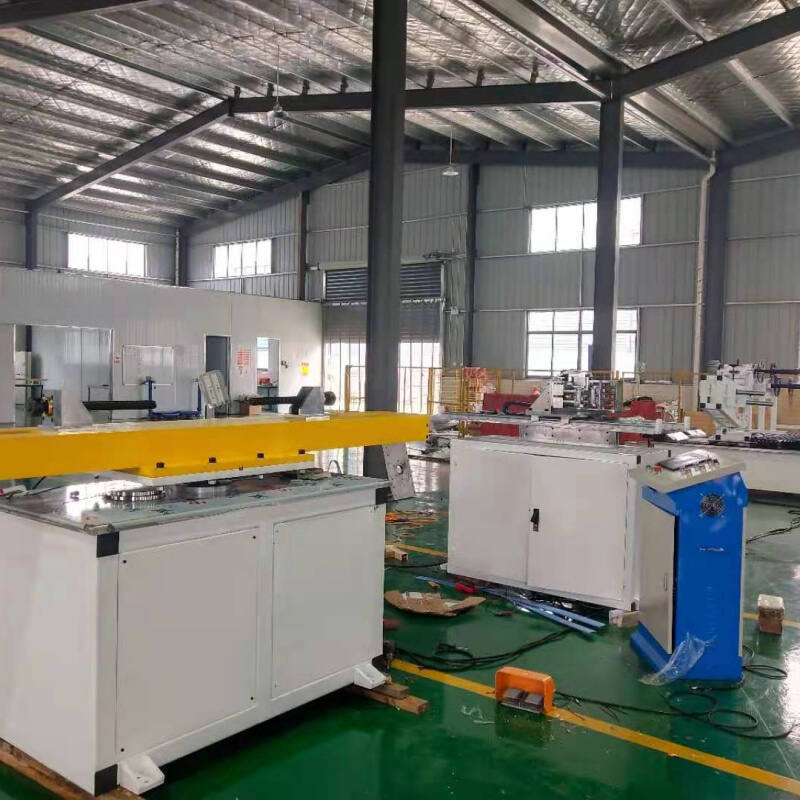
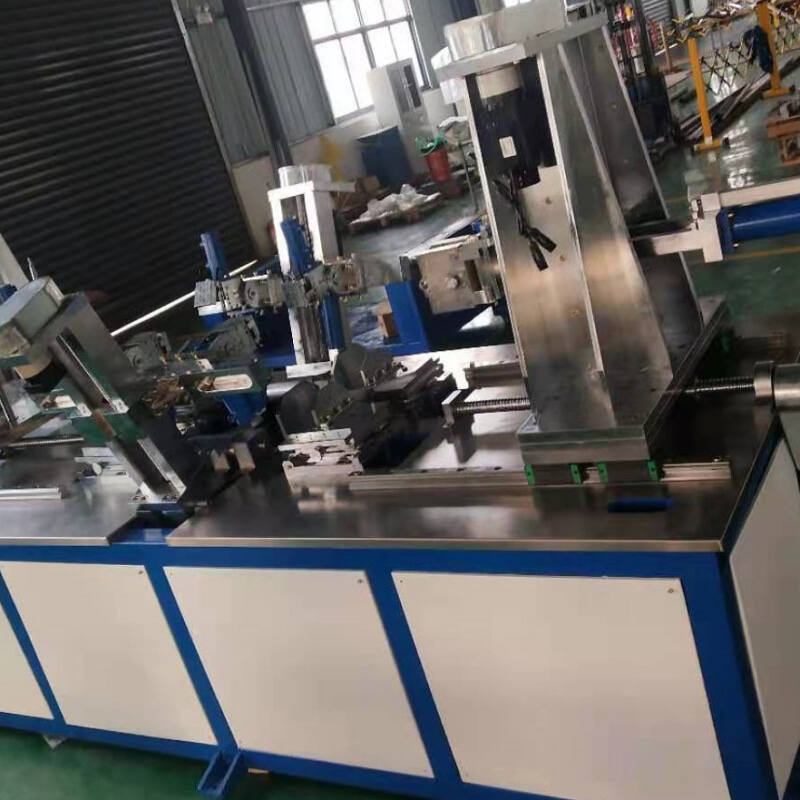
Coil Insulation Taping Machine - Advanced Automated Solutions for Electrical Manufacturing

Get a Free Quote

Our representative will contact you soon.
Email
Name
Mobile/WhatsApp
Company Name
Message
0/1000

coil insulation taping machine

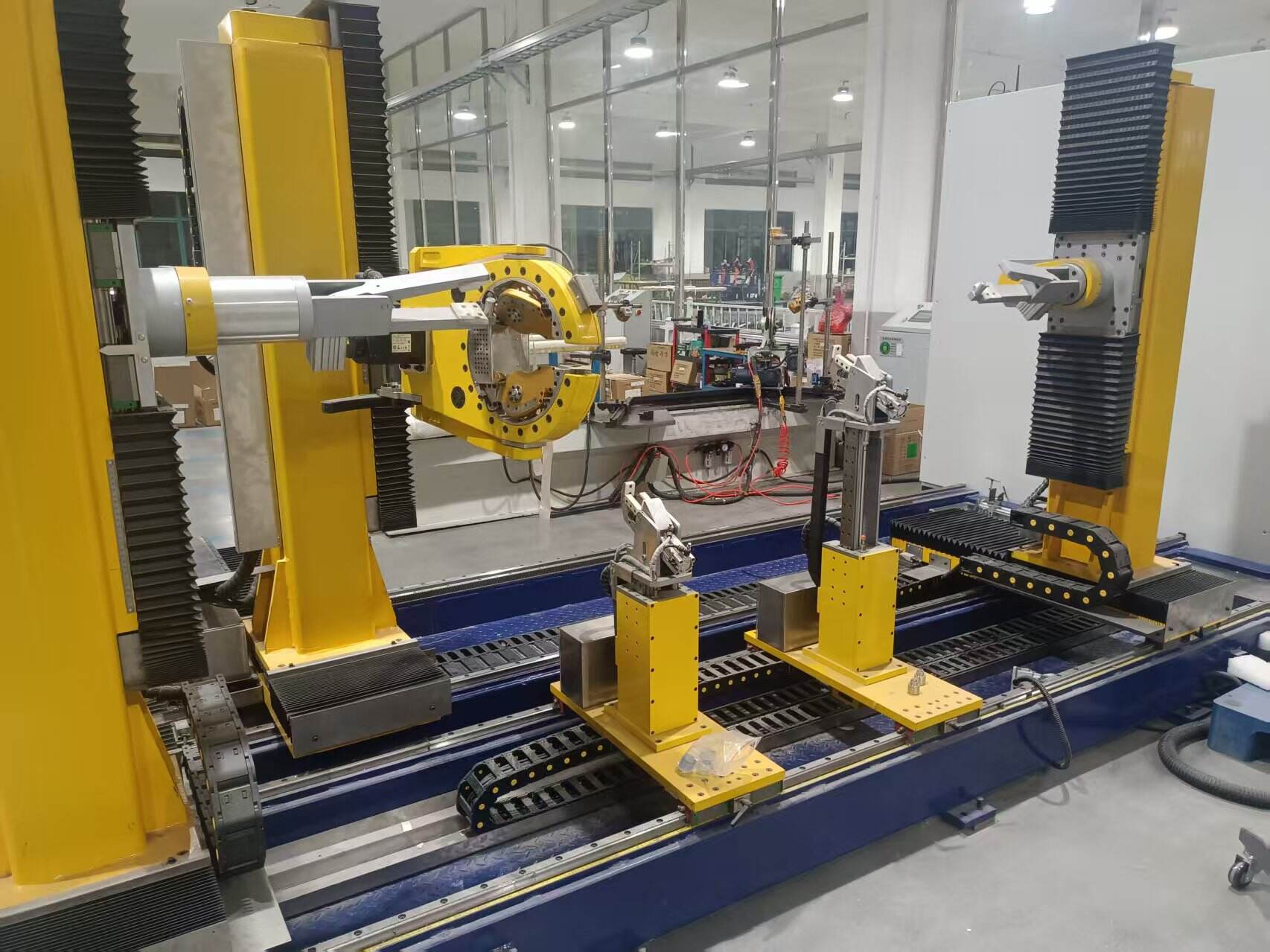
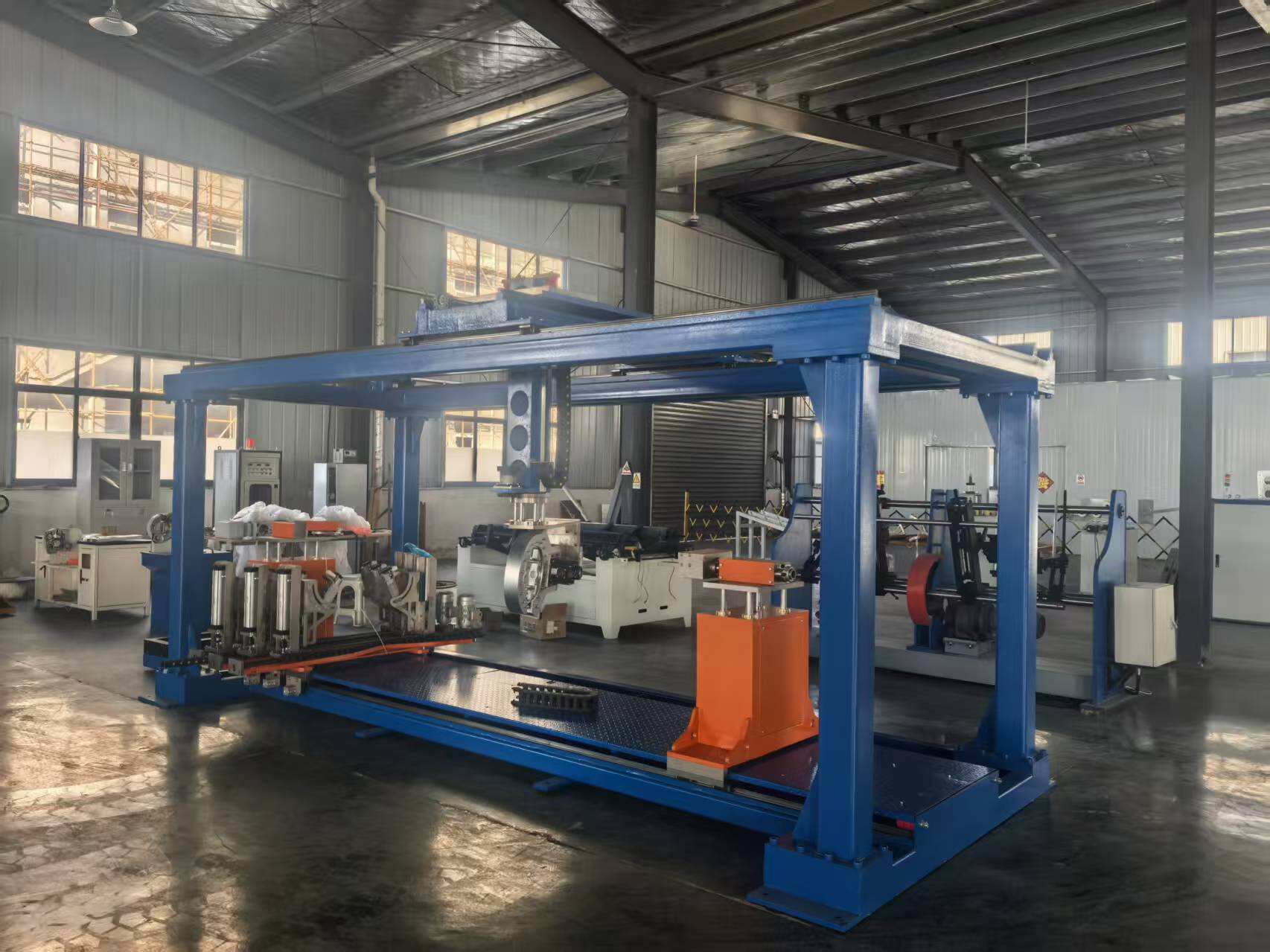
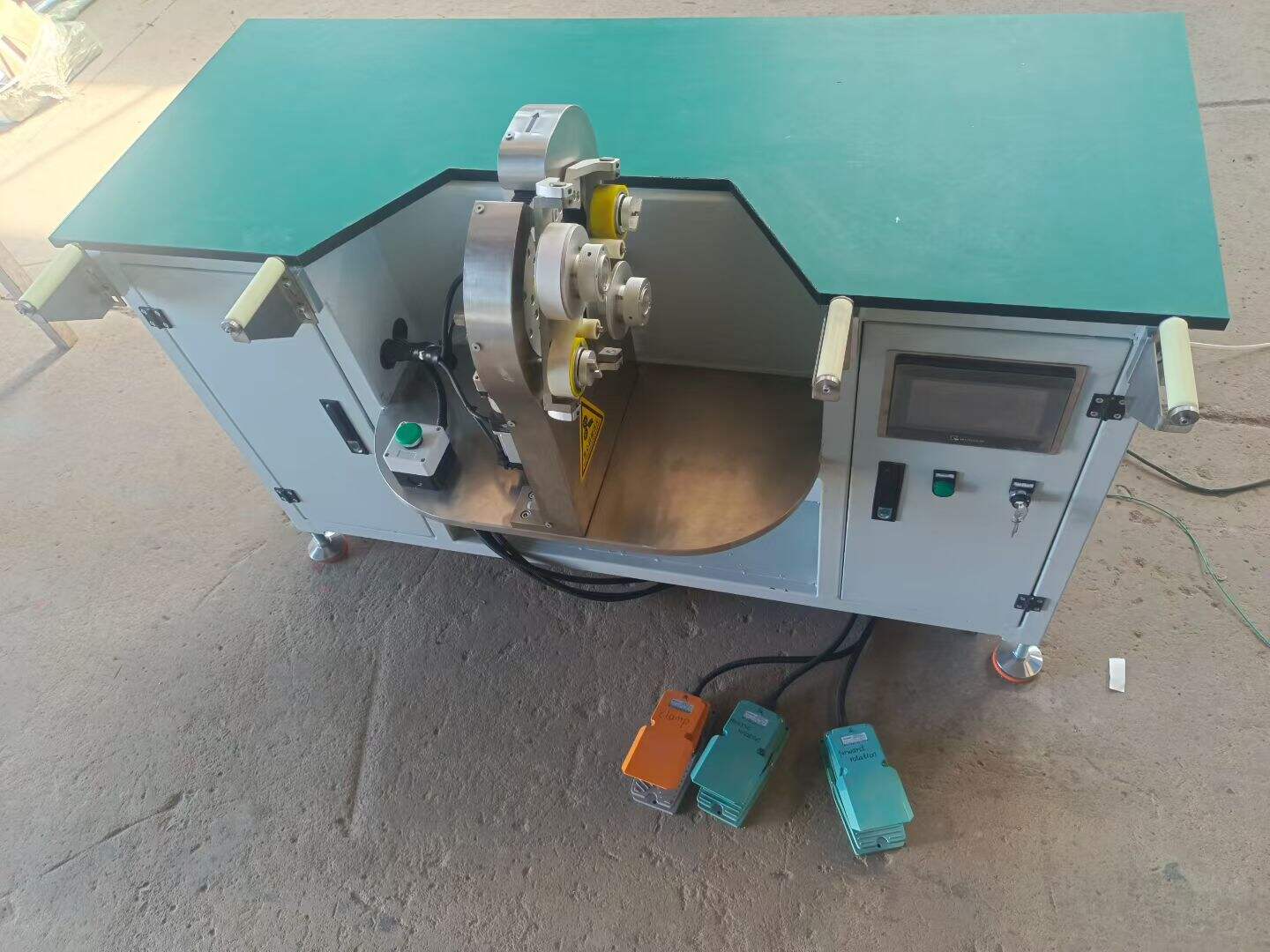
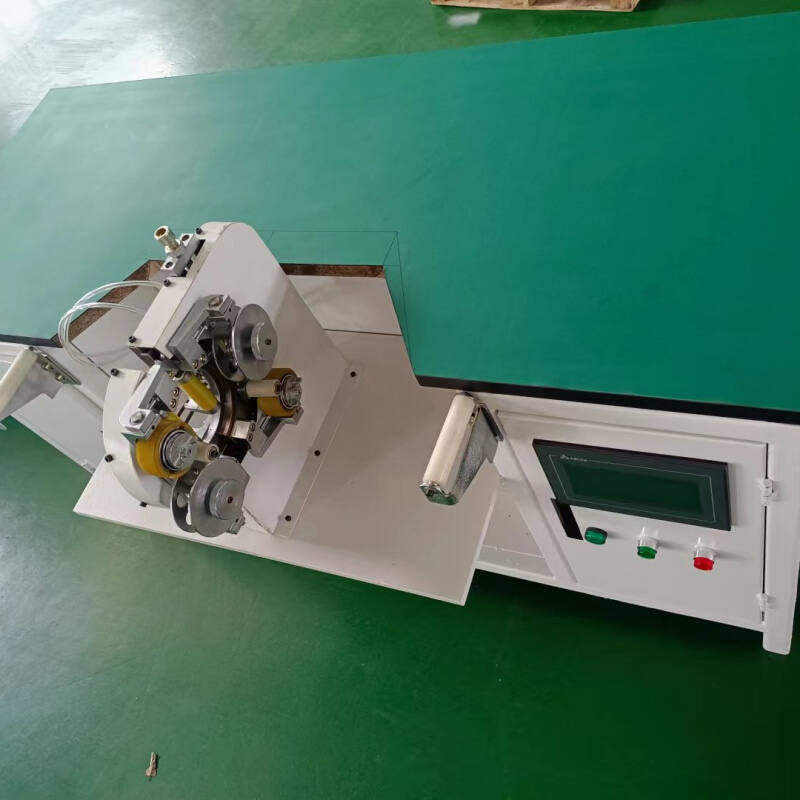
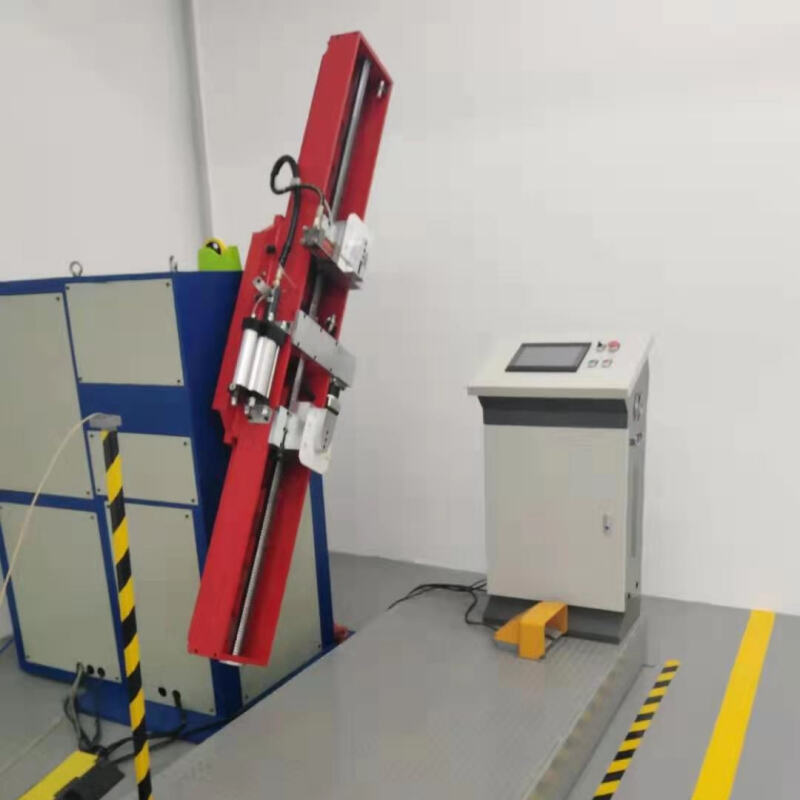
The coil insulation taping machine represents a sophisticated automated solution designed to apply insulating tape materials onto electrical coils with precision and consistency. This specialized equipment serves as an essential component in manufacturing processes where electromagnetic coils require protective insulation layers to ensure safe operation and longevity. Modern coil insulation taping machines integrate advanced servo motor technology, programmable logic controllers, and intuitive human-machine interfaces to deliver exceptional performance across diverse production environments. These machines accommodate various coil dimensions and geometries, from compact transformer windings to large motor coils, making them versatile assets for electrical component manufacturers. The primary function involves wrapping insulation tape around coil surfaces at controlled tension levels, ensuring uniform coverage without damaging delicate wire configurations. Operators can program specific wrapping patterns, overlap percentages, and speed parameters to match exact product specifications. The technological framework incorporates precision positioning systems that maintain accurate tape alignment throughout the winding process, preventing gaps or excessive material waste. Tension control mechanisms automatically adjust to different tape materials, whether paper-based, mica, polyester film, or composite insulation products. Built-in safety features protect both operators and equipment, including emergency stop functions, protective guards, and overload detection systems. Applications span multiple industries including transformer manufacturing, motor production facilities, generator assembly lines, and custom electrical component fabrication shops. The coil insulation taping machine streamlines operations that previously required manual labor, significantly reducing production time while enhancing quality consistency. Investment in this technology enables manufacturers to meet stringent industry standards for electrical insulation while scaling production capacity efficiently. Modern iterations feature modular designs allowing customization based on specific production requirements, workspace constraints, and future expansion needs.
New Product Recommendations

Investing in a coil insulation taping machine delivers transformative benefits that directly impact your manufacturing efficiency and product quality. Production speed increases dramatically compared to manual taping methods, with automated systems completing insulation tasks in a fraction of the time workers would require. This acceleration allows your facility to fulfill larger orders within tighter deadlines, enhancing customer satisfaction and opening opportunities for business growth. Labor costs decrease substantially as a single operator can oversee multiple machines or attend to other value-added tasks while the equipment runs autonomously. The consistency achieved through automated processing eliminates human error variables that often result in defective products or rework expenses. Every coil receives identical insulation coverage with precise tension and overlap, ensuring uniform electrical properties across your entire production batch. Material waste reduction becomes immediately noticeable as the machine calculates exact tape requirements and applies materials with optimal efficiency, unlike manual methods where excess usage often occurs. The adjustable parameters accommodate diverse product specifications without requiring separate equipment purchases, providing flexibility to serve varied customer demands or explore new market segments. Safety improvements protect your workforce from repetitive strain injuries associated with manual taping operations, reducing workplace injury claims and associated costs. The machines operate reliably across extended production shifts, maintaining consistent output quality without fatigue-related performance degradation that affects human workers. Quality control becomes more straightforward as the standardized process produces predictable results that simplify inspection procedures and reduce rejection rates. Energy efficiency features in modern designs consume less power than operating heated workspaces for manual workers while delivering superior output volumes. The compact footprint of many models maximizes valuable factory floor space, allowing you to maintain or increase production capacity without facility expansion expenses. Training requirements remain minimal as intuitive control interfaces enable new operators to achieve proficiency quickly, reducing onboarding time and associated training costs. Maintenance demands stay manageable through durable construction and accessible component designs that facilitate routine servicing without extended downtime. Return on investment typically materializes within months as labor savings, waste reduction, and increased throughput compound to offset the initial capital expenditure rapidly.

Practical Tips

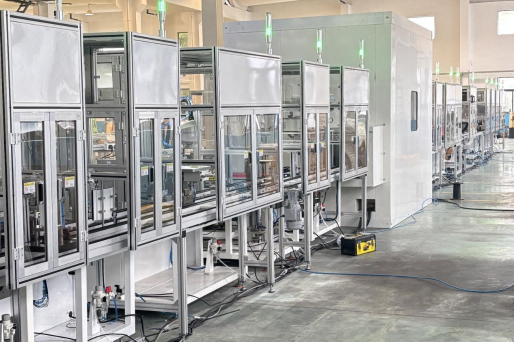
January 15th, 2026 Air Conditioner BLDC Motor Production line Dispatch to India

08

Apr

January 15th, 2026 Air Conditioner BLDC Motor Production line Dispatch to India

View More
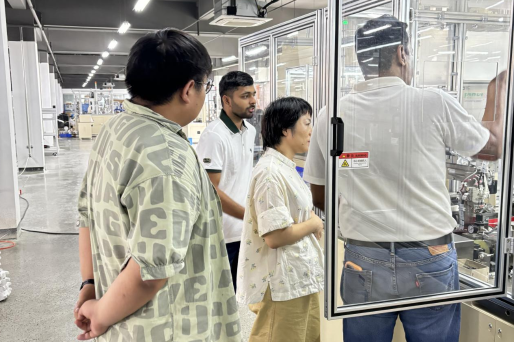
August 30th, 2025, 45W Air conditioner ODU BLDC motor Assembly line Inspection From India customer

08

Apr

August 30th, 2025, 45W Air conditioner ODU BLDC motor Assembly line Inspection From India customer

View More
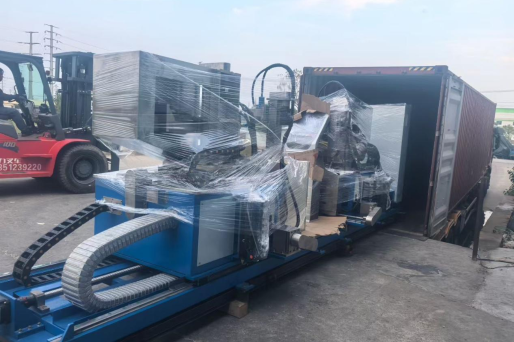
January 5th , 2026 CNC Coil Forming Machine For High Voltage Motors dispatched to UZ (Uzbekistan)

07

Apr

January 5th , 2026 CNC Coil Forming Machine For High Voltage Motors dispatched to UZ (Uzbekistan)

View More

Get a Free Quote

Our representative will contact you soon.
Email
Name
Mobile/WhatsApp
Company Name
Message
0/1000

coil insulation taping machine

Precision Automation Technology

Precision Automation Technology

The coil insulation taping machine incorporates cutting-edge automation technology that revolutionizes how manufacturers approach electrical insulation processes. At the core of this innovation lies a sophisticated servo motor system that controls every aspect of tape application with micrometer-level accuracy. These precision motors regulate the rotation speed of coil fixtures, the advancement rate of tape feeding mechanisms, and the positioning of application heads throughout the wrapping cycle. The integration of programmable logic controllers enables operators to create and store unlimited wrapping programs, each tailored to specific coil configurations and insulation requirements. This digital control architecture eliminates the guesswork and inconsistency inherent in manual operations, replacing subjective judgment with mathematically precise execution. Advanced sensors continuously monitor critical parameters including tape tension, coil positioning, and material feed rates, automatically making real-time adjustments to maintain optimal conditions. The human-machine interface presents all operational data through clear visual displays, allowing supervisors to track production metrics, identify efficiency opportunities, and troubleshoot issues quickly. Touch-screen controls simplify program selection and parameter modification, enabling rapid changeovers between different product specifications without mechanical adjustments or lengthy setup procedures. The automation technology extends to material handling functions, with systems that detect tape end conditions, trigger automatic splicing or roll changes, and alert operators when intervention becomes necessary. This comprehensive automation reduces direct labor requirements while simultaneously elevating quality standards beyond what manual craftsmanship can achieve. The precision capabilities prove particularly valuable when working with thin or delicate tape materials that tear easily under inconsistent tension, or when applying multiple insulation layers that must align perfectly to prevent electrical weak points. Manufacturers working with high-voltage applications especially benefit from this precision, as insulation integrity directly correlates with product safety and regulatory compliance.
Versatile Application Capabilities

Versatile Application Capabilities

The remarkable versatility of the coil insulation taping machine positions it as a comprehensive solution capable of addressing diverse manufacturing requirements across multiple product categories and industry sectors. These machines accommodate an impressive range of coil sizes, from miniature components measuring mere centimeters in diameter to massive industrial coils exceeding several meters in circumference. Adjustable fixtures and expandable work envelopes enable this broad compatibility without compromising processing quality or requiring separate dedicated equipment for each size category. The systems handle various coil geometries including cylindrical forms, rectangular configurations, oval profiles, and irregular shapes that characterize specialized electrical components. This geometric flexibility stems from programmable motion paths that guide tape application heads along complex three-dimensional trajectories, maintaining consistent coverage regardless of underlying coil contours. Material compatibility extends across the full spectrum of insulation products used in electrical manufacturing, encompassing traditional paper tapes, high-temperature mica materials, polyester films, fiberglass reinforced products, and advanced composite insulation systems. Each material type presents unique handling characteristics regarding thickness, elasticity, adhesive properties, and required application tension, yet the machine adapts seamlessly through parameter adjustments rather than hardware modifications. The versatility proves invaluable for manufacturers serving diverse markets or those pursuing growth into new product categories, as the same equipment investment supports multiple revenue streams. Custom programming capabilities allow the creation of specialized wrapping patterns including half-lap configurations, butt-joint applications, spiral wrapping techniques, and combination methods that satisfy specific electrical performance requirements. This adaptability extends to production volume scenarios, with machines scaling efficiently from prototype development runs requiring frequent changeovers to high-volume manufacturing where maximizing throughput becomes paramount. Job shops particularly value this versatility as it enables competitive bidding on varied projects without capital investment constraints limiting market opportunities.
Enhanced Production Economics

Enhanced Production Economics

The coil insulation taping machine fundamentally transforms manufacturing economics by delivering substantial improvements across multiple cost centers and operational efficiency metrics. Initial cost analysis reveals that automated insulation equipment typically replaces multiple manual workers while producing significantly higher output volumes, creating immediate labor arbitrage opportunities that accelerate return on investment timelines. Beyond direct labor substitution, the equipment eliminates numerous hidden costs associated with manual operations including extended production lead times, quality inconsistency requiring rework or rejection, material waste from imprecise application methods, and workplace injury expenses from repetitive motion tasks. The economic benefits compound over equipment lifespan through sustained productivity advantages that manual processes cannot match regardless of workforce expansion. Material utilization efficiency improves dramatically as computerized systems calculate precise tape lengths required for each coil configuration, apply materials with optimized overlap percentages, and eliminate the excess usage that occurs when workers err on caution side to ensure adequate coverage. These material savings accumulate substantially across production volumes, particularly when processing expensive specialized insulation products where waste directly impacts profit margins. Energy consumption profiles favor automated equipment despite initial assumptions that machinery requires more power than human labor, as concentrated production throughput reduces overall facility operating hours and associated climate control, lighting, and overhead expenses. Quality consistency delivered by automated systems reduces downstream costs related to warranty claims, field failures, and reputation damage that result from defective insulation allowing electrical shorts or component breakdowns. The predictable output quality also streamlines quality assurance processes, reducing inspection labor requirements and enabling statistical sampling approaches rather than comprehensive testing protocols. Maintenance economics remain favorable as modern designs emphasize accessibility, use standardized replacement components, and incorporate predictive maintenance features that schedule servicing during planned downtime rather than forcing emergency repairs during production shifts. The scalability of automated systems provides economic flexibility as manufacturers can adjust capacity through extended operating hours or adding equipment units rather than navigating complex workforce expansion challenges including recruitment, training, benefits administration, and space requirements for additional workers.

Get a Free Quote

Our representative will contact you soon.
Email
Name
Mobile/WhatsApp
Company Name
Message
0/1000