
 EN



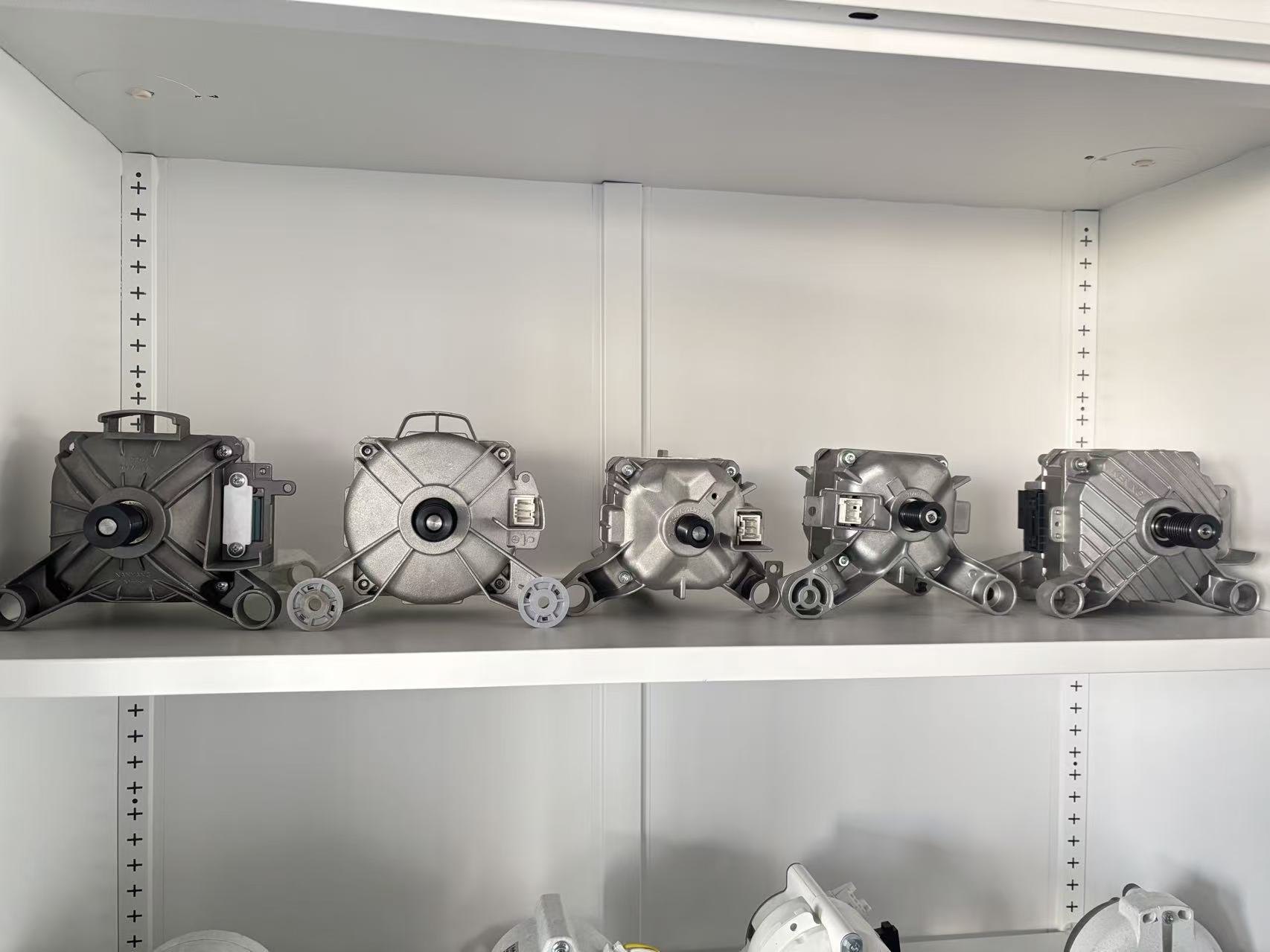
The automotive industry demands unprecedented precision in electric motor production, and a bldc motor assembly machine has become essential infrastructure for manufacturers seeking competitive advantage. BLDC motors power everything from electric power steering systems to advanced climate control units, requiring intricate assembly processes that manual labor cannot achieve reliably. Modern manufacturing facilities recognize that investing in a professional bldc motor assembly machine directly impacts product quality, production throughput, and long-term profitability in the electric vehicle transition.
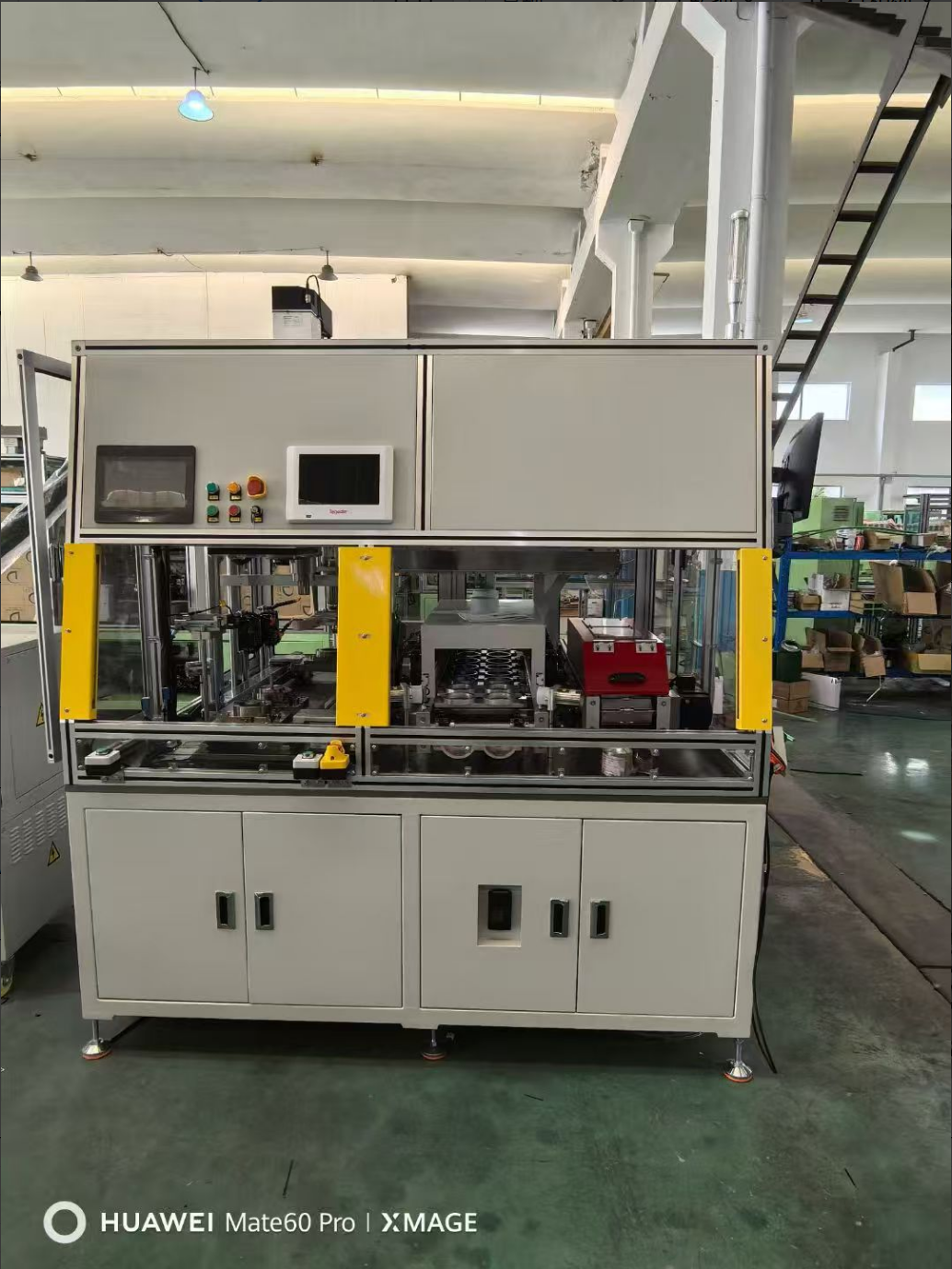
A properly configured bldc motor assembly machine integrates multiple precision subsystems into one cohesive production platform. The machine handles stator winding insertion, rotor balancing, coil testing, and final assembly with repeatable accuracy that eliminates human error. Understanding the capabilities, configuration options, and integration requirements of a bldc motor assembly machine enables automotive suppliers to make informed equipment decisions that align with production volume targets and quality standards.
Core Components and Function of a BLDC Motor Assembly Machine
Automated Stator Assembly and Winding Insertion
The foundation of any effective bldc motor assembly machine lies in its stator handling and winding insertion capabilities. A modern bldc motor assembly machine precisely positions stator cores, guides wire leads into designated slots, and compacts windings with controlled pressure to maintain dimensional tolerances. This automated approach eliminates manual insertion errors that compromise motor efficiency and electrical performance. The winding station on a bldc motor assembly machine operates at speeds ranging from 300 to 600 stator units per hour, depending on pole configuration and application requirements.
Rotor Balancing and Quality Verification
After stator assembly, a bldc motor assembly machine transitions to rotor processing and dynamic balancing operations. Precision balancing machines measure rotor runout and identify weight distribution anomalies that could trigger vibration during vehicle operation. The bldc motor assembly machine automatically corrects imbalance by material removal or weight addition, ensuring that assembled rotors meet automotive vibration specifications typically below 10 grams per inch. Integrated diagnostic systems within the bldc motor assembly machine verify magnetic properties and electrical continuity before final assembly progresses.
Production Efficiency and Precision Benefits
Throughput Acceleration and Downtime Reduction
Manufacturing facilities deploying a bldc motor assembly machine consistently report production speed increases of 40 to 60 percent compared to manual assembly workflows. The bldc motor assembly machine operates continuously across multiple shifts without fatigue-related quality degradation, enabling predictable output forecasting for automotive supply contracts. Changeover procedures for a modern bldc motor assembly machine typically require less than 30 minutes when switching between motor specifications, maximizing utilization rates across diverse product portfolios. Automated diagnostics built into the bldc motor assembly machine identify component wear or drift conditions before catastrophic failure, reducing unplanned maintenance interruptions.
Dimensional Consistency and Defect Prevention
A bldc motor assembly machine maintains micro-level dimensional consistency impossible to achieve through manual assembly, critical for electric vehicle thermal management and electromagnetic performance. Every motor produced by a bldc motor assembly machine undergoes standardized measurements of air gap, winding insulation resistance, and phase voltage balance. This rigorous quality control embedded within the bldc motor assembly machine reduces field failure rates and warranty claims, protecting vehicle manufacturer brand reputation. Traceability records generated by the bldc motor assembly machine provide complete documentation for regulatory compliance and root cause analysis if performance issues emerge.
Integration Considerations for Automotive Manufacturers
Electrical and Pneumatic System Requirements
Successfully deploying a bldc motor assembly machine requires facility-level infrastructure planning beyond the equipment footprint itself. The bldc motor assembly machine typically demands three-phase 460-volt power supply with 100-amp minimum capacity and stabilized pneumatic pressure between 80 and 95 psi for actuators and clamping mechanisms. Factory layouts must accommodate material flow paths that minimize handling time between the bldc motor assembly machine and upstream component preparation stations. Environmental controls maintain ambient temperature between 60 and 75 degrees Fahrenheit to ensure optical inspection systems and precision sensors within the bldc motor assembly machine function reliably throughout production cycles.
Software Integration and Production Data Management
Modern bldc motor assembly machine installations feature integrated supervisory control systems that communicate with factory management software and quality databases. The bldc motor assembly machine collects real-time production metrics including cycle time, defect categorization, and equipment utilization rates, enabling data-driven optimization decisions. Integration between the bldc motor assembly machine and ERP systems automates inventory management and supply chain visibility, reducing material delays. Operators interact with the bldc motor assembly machine through intuitive touchscreen interfaces that display production progress, alert thresholds, and maintenance schedules.
FAQ
What motor specifications can a BLDC motor assembly machine accommodate?
A bldc motor assembly machine designed for automotive applications typically processes BLDC motors ranging from 5 watts to 1000 watts with pole configurations between 4 and 12 poles. The bldc motor assembly machine adjusts stator fixtures, winding parameters, and balancing procedures based on motor specification inputs, allowing production of power steering motors, cooling fan drives, and pump motors within a single platform. Manufacturers should verify that their selected bldc motor assembly machine supports their specific motor family's dimensional envelope and winding wire gauges.
How does a BLDC motor assembly machine ensure product quality consistency?
A bldc motor assembly machine incorporates multiple sensor systems and closed-loop verification steps that prevent out-of-specification motors from progressing through assembly stages. Each motor processed by the bldc motor assembly machine receives electrical testing, dimensional verification, and balancing measurements that flag anomalies for human review or automatic rejection. The bldc motor assembly machine generates statistical process control data that reveals trends enabling predictive maintenance and process refinement before quality deteriorates.
What training and support do manufacturers need for BLDC motor assembly machine operation?
Effective operation of a bldc motor assembly machine requires cross-functional training covering mechanical setup, electrical systems, software operation, and quality verification procedures. Equipment suppliers typically provide on-site commissioning support and operator certification programs that ensure personnel understand the bldc motor assembly machine's capabilities and limitations. Ongoing technical support from the bldc motor assembly machine manufacturer through service agreements ensures rapid troubleshooting and access to software updates that enhance performance.