
 EN



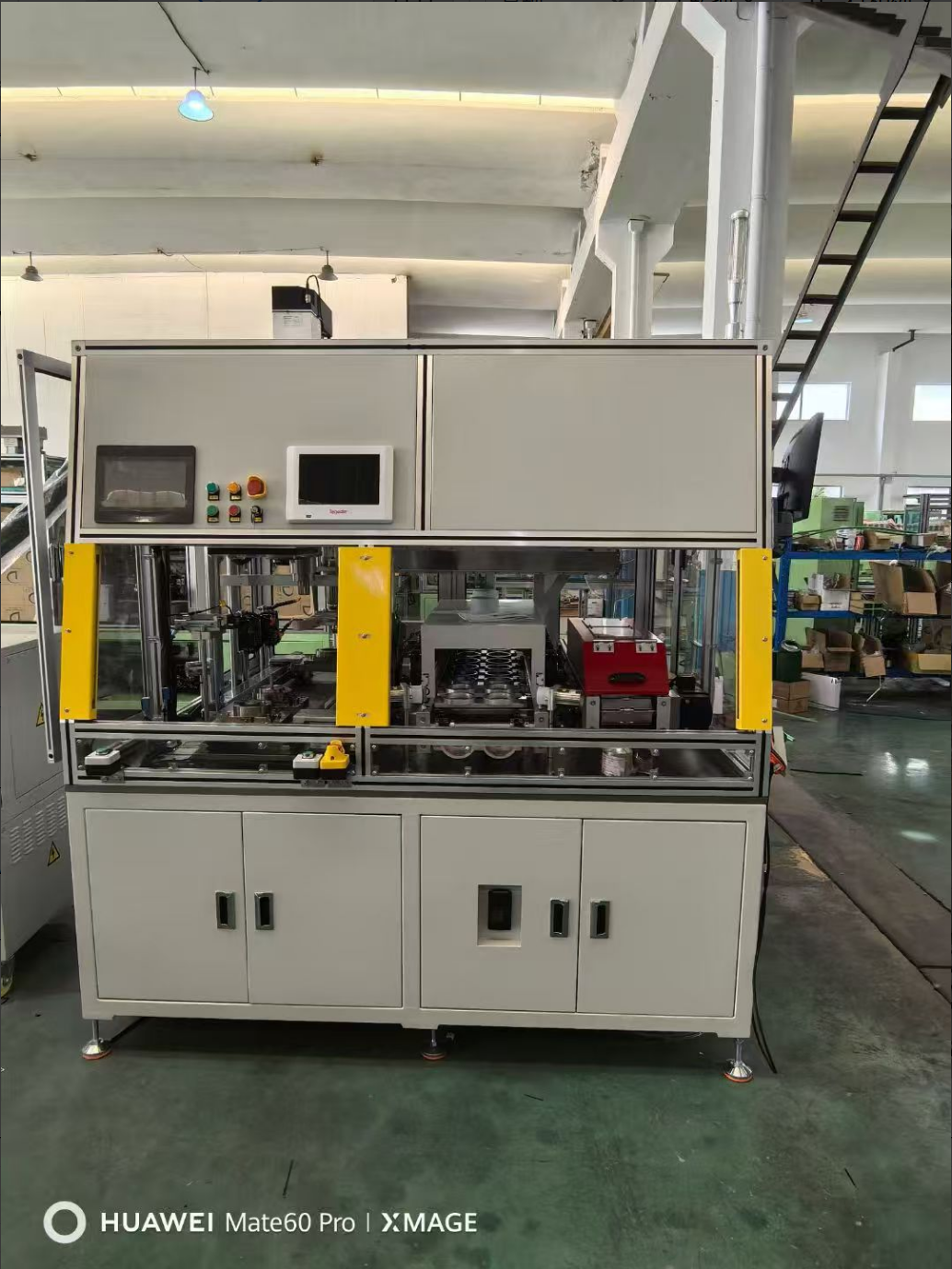
The manufacturing landscape for electrical motors has fundamentally transformed over the past decade, driven primarily by advances in automation technology. BLDC motor winding machines represent one of the most significant breakthroughs in this domain, offering manufacturers unprecedented levels of precision, speed, and consistency. These specialized systems automate the intricate process of winding copper wire onto motor stators, a task traditionally performed manually by skilled workers. Understanding how bldc motor winding machines enhance production capabilities is essential for any manufacturing operation seeking to remain competitive in today's demanding market environment.
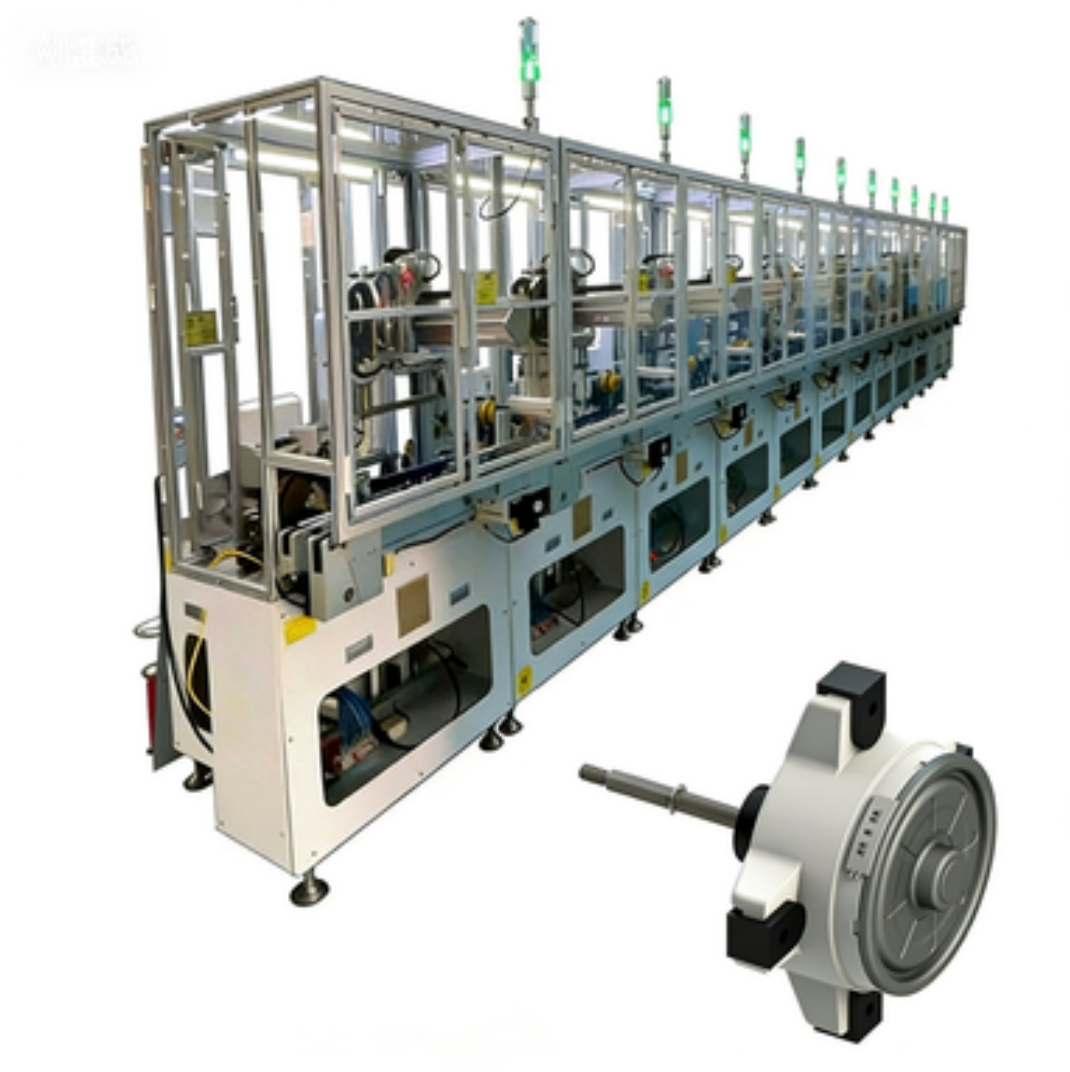
Modern manufacturers recognize that investing in bldc motor winding machines directly impacts their bottom line and production output. These machines integrate cutting-edge technology including precise servo motors, real-time tension control systems, and advanced wire guidance mechanisms. The transition from manual winding to automated bldc motor winding machines eliminates many operational inefficiencies while significantly expanding production capacity. Companies implementing this technology report substantial improvements in throughput, consistency, and overall operational performance.
Efficiency Gains Through Automated Winding Technology
Accelerating Production Cycle Times
One of the most compelling advantages of bldc motor winding machines is their ability to dramatically reduce production cycle times. Traditional manual winding requires experienced technicians to carefully wrap copper wire around stator cores, a process that demands significant time investment per motor. BLDC motor winding machines complete identical winding patterns in a fraction of the time, with many systems capable of processing dozens of stators daily compared to manual operations that might handle only a handful. This acceleration directly translates to higher throughput without requiring proportional increases in floor space or energy consumption.
The speed advantage of bldc motor winding machines becomes even more pronounced when considering complex winding patterns required for specialized motor applications. Multi-pole configurations, concentrated winding layouts, and custom wire gauges that would challenge manual workers are executed with consistent speed by automated systems. Organizations utilizing advanced bldc motor winding machines can fulfill larger customer orders within shorter delivery windows, providing a competitive advantage in markets where responsiveness matters significantly.
Reducing Labor-Related Production Variability
Labor inconsistency represents a chronic challenge in manual winding operations, yet bldc motor winding machines eliminate this variability through programmatic precision. Every motor wound by these machines receives identical wire tension, uniform coil distribution, and consistent layer spacing, regardless of external factors or operator fatigue. This consistency ensures that every completed motor meets exacting electrical specifications without requiring extensive quality inspection and rework cycles. The reliability of bldc motor winding machines means manufacturers can confidently commit to performance guarantees that would be impossible with variable manual processes.
The reduction in labor variability extends beyond the winding operation itself. When bldc motor winding machines produce consistent, high-quality windings, downstream assembly, testing, and quality control processes become simpler and faster. Fewer defects require rework, quality inspectors spend less time identifying issues, and warranty claim rates decline substantially. This cascading improvement throughout the manufacturing process amplifies the initial efficiency gains delivered by the bldc motor winding machines themselves.
Quality Enhancement and Product Reliability
Achieving Precision Beyond Manual Capability
The precision specifications demanded by modern BLDC motor applications exceed what skilled manual workers can reliably achieve across high production volumes. BLDC motor winding machines maintain wire tension within extremely tight tolerances, typically within 5-10% of target specifications throughout the entire winding process. This precision prevents common defects such as loose coils that lead to electrical shorts, uneven wire distribution that causes magnetic imbalances, or tension variations that weaken mechanical durability. Modern bldc motor winding machines incorporate closed-loop feedback systems that continuously monitor and adjust wire tension in real time, automatically compensating for subtle variations in wire diameter or material properties.
Advanced bldc motor winding machines feature sophisticated wire guidance and positioning systems that ensure each wire strand follows the exact intended path through the stator slot geometry. This precision is particularly critical for applications requiring custom winding layouts, such as concentrated windings or asymmetrical configurations. The ability of bldc motor winding machines to execute these complex patterns flawlessly, repeatedly, and at production scale represents a genuine capability gap between automated and manual approaches.
Improving Motor Performance Characteristics
When bldc motor winding machines ensure uniform wire distribution and consistent coil geometry, the resulting motors demonstrate superior electromagnetic performance characteristics. Motors produced with these machines show reduced cogging torque, smoother acceleration profiles, and more efficient energy conversion compared to manually wound equivalents. This performance improvement directly benefits end users through longer motor lifespan, reduced energy consumption, and improved reliability in demanding applications. Manufacturers utilizing bldc motor winding machines can confidently market their products as premium offerings with measurable performance advantages.
The consistency provided by bldc motor winding machines enables manufacturers to optimize motor designs with greater confidence in actual versus theoretical performance. When every motor is wound identically, design calculations become highly accurate, allowing engineers to fine-tune motor geometry, wire gauge, and coil configuration for specific application requirements. This optimization capability translates to motors that deliver exactly the intended performance characteristics, enhancing customer satisfaction and reducing returns or field failures.
Cost Structure Transformation and Long-Term Economics
Reducing Direct Labor Expenses
The economic impact of bldc motor winding machines extends far beyond immediate productivity gains, fundamentally reshaping manufacturing cost structures. Skilled manual winding technicians represent significant recurring labor expenses, including wages, benefits, training, and facility costs. BLDC motor winding machines replace this continuous labor requirement with capital equipment and modest operational expenses. While the initial investment in bldc motor winding machines requires substantial upfront capital, the per-unit labor cost reduction typically achieves payback within 12-24 months depending on production volume and labor rates. After this payback period, each motor produced benefits from dramatically reduced labor content, improving gross margins substantially.
Beyond direct labor displacement, bldc motor winding machines reduce dependency on finding and retaining skilled workers in tight labor markets. The shortage of experienced winding technicians has become increasingly acute in developed economies, often forcing manufacturers to compromise on hiring standards or relocate production to regions with lower labor costs. By transitioning to bldc motor winding machines, manufacturers gain operational flexibility and reduce vulnerability to regional labor market disruptions.
Minimizing Scrap and Rework Costs
The consistency of bldc motor winding machines dramatically reduces defect rates, directly lowering scrap and rework expenses. Manual winding naturally produces some percentage of defective units due to worker errors, fatigue, or attentional lapses. BLDC motor winding machines virtually eliminate such defects, reducing scrap rates from typical levels of 3-8% down to less than 0.5% in most installations. The financial impact of this improvement compounds across production volumes, creating substantial savings in material costs alone.
Quality improvement from bldc motor winding machines also reduces warranty claim costs and customer returns. Motors with consistent, precision windings exhibit superior reliability and longevity, directly reducing field failures and associated warranty expenses. Many manufacturers using bldc motor winding machines report warranty claim reductions of 50-70% compared to baseline periods with manual winding, representing significant hidden savings beyond the immediate production cost analysis.
FAQ
What specific winding patterns can BLDC motor winding machines execute?
BLDC motor winding machines can execute virtually any winding pattern required for brushless DC motor applications, including distributed windings, concentrated windings, lap windings, and wave windings. Modern bldc motor winding machines use programmable control systems that allow rapid setup changes for different motor designs. Most systems can adapt to varying stator slot counts, wire gauges, coil configurations, and pole pair combinations through software programming rather than requiring mechanical modifications. This flexibility enables manufacturers to use a single bldc motor winding machines installation to produce multiple motor variants, dramatically increasing equipment utilization rates.
How do BLDC motor winding machines handle different wire materials?
BLDC motor winding machines accommodate various copper wire types including round conductors, rectangular conductors, and twisted conductor bundles through adjustable wire guides and tension systems. The machines feature automatic compensation mechanisms that adapt tension control based on wire diameter and material properties. Most advanced bldc motor winding machines include wire diameter sensing systems that automatically adjust operational parameters when switching between different gauge specifications. This adaptability makes bldc motor winding machines suitable for diverse manufacturing environments where multiple motor specifications are produced.
What is the typical return on investment timeline for BLDC motor winding machines?
The return on investment for bldc motor winding machines depends on production volume, labor costs, and current defect rates, but most manufacturers realize payback within 18-30 months. High-volume operations producing thousands of motors annually typically achieve payback within 12-18 months, while lower-volume manufacturers may require 24-36 months. The economic calculation should include not only direct labor displacement but also reduced scrap costs, improved product quality enabling premium pricing, and reduced warranty expenses. Long-term financial benefits extend far beyond the payback period, with many bldc motor winding machines installations delivering five or more years of incremental value after payback achievement.