
 EN



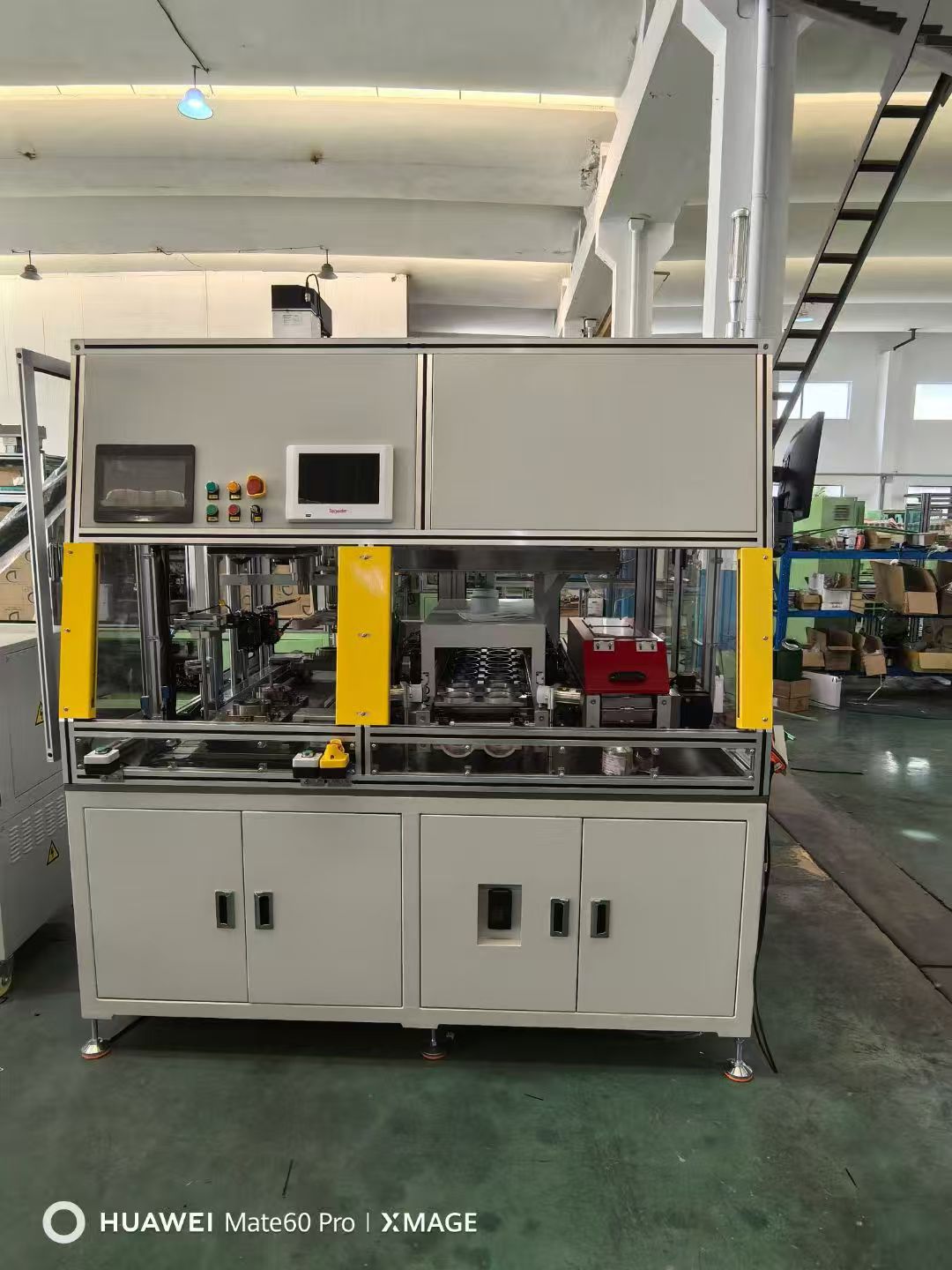
Industrial manufacturing demands precision, speed, and consistency in motor production. BLDC motor winding machines have become essential equipment for large-scale production facilities seeking to automate the coil winding process while maintaining exact tolerances. These specialized BLDC motor winding machines handle the intricate task of wrapping wire around motor stators with automated precision that manual operations cannot match. Understanding how BLDC motor winding machines function and their role in modern production environments is critical for any manufacturer aiming to scale operations efficiently.
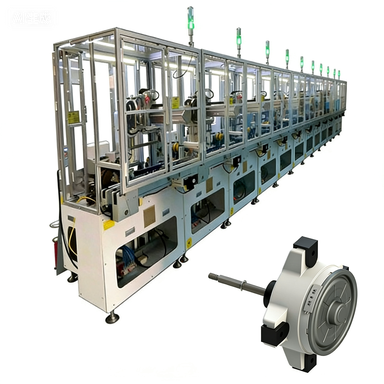
The competitive landscape of motor manufacturing has shifted dramatically with the adoption of BLDC motor winding machines. Manufacturers who invest in these systems gain measurable advantages in production output, wire consistency, and labor allocation. BLDC motor winding machines eliminate human variability in the winding process, reduce scrap rates, and allow production teams to focus on quality control and machine management rather than repetitive manual winding. For facilities producing brushless DC motors at scale, BLDC motor winding machines represent a strategic investment that directly impacts profitability and market responsiveness.
How BLDC Motor Winding Machines Operate in Production
Core Winding Mechanism and Automation
BLDC motor winding machines function through a coordinated system of spindles, tension control, and motion control that precisely deposits wire onto motor stator cores. The system receives wire from spools, applies consistent tension throughout the winding process, and guides the wire through programmed paths that match the motor's electromagnetic design specifications. Modern BLDC motor winding machines use servo-driven spindles and CNC controls to execute complex winding patterns automatically. The tension management in BLDC motor winding machines is particularly critical because inconsistent wire tension leads to poor coil uniformity, increased electrical resistance, and compromised motor performance.
Integration with Production Workflows
BLDC motor winding machines integrate seamlessly into assembly lines through standardized interfaces and programmable logic control systems. Production facilities configure BLDC motor winding machines to wind multiple coil sets sequentially, with automatic slot changing and pattern adjustments between cycles. The machines connect to enterprise manufacturing systems, providing real-time production data, winding quality metrics, and maintenance alerts. BLDC motor winding machines can operate continuously across multiple shifts when configured with proper maintenance schedules and wire supply management systems.
Technical Specifications and Production Capacity
Wire Gauge and Coil Configuration Flexibility
Industrial BLDC motor winding machines accommodate a wide range of wire gauges, from fine magnet wire suitable for high-pole-count motors to heavier conductors for high-torque applications. BLDC motor winding machines allow operators to adjust winding parameters through software interfaces, enabling rapid changeover between motor designs without physical retooling. The flexibility inherent in BLDC motor winding machines makes them valuable for contract manufacturers and facilities producing multiple motor variants. Advanced BLDC motor winding machines include automatic wire diameter detection, which ensures the machine maintains correct tension regardless of conductor size.
Production Speed and Output Metrics
Production capacity of BLDC motor winding machines typically ranges from thirty to over two hundred stators per hour, depending on coil complexity and wire gauge. The actual output of BLDC motor winding machines depends on the number of poles, turns per coil, and slot configuration of the motor design. BLDC motor winding machines reduce per-unit production cost by distributing labor across multiple machines and minimizing changeover downtime between production runs. Manufacturers report that BLDC motor winding machines achieve ninety-five percent or higher equipment utilization when integrated into balanced production workflows.
Quality Assurance and Performance Advantages
Consistency and Electrical Performance
BLDC motor winding machines produce coils with repeatable electrical properties that directly influence motor efficiency, temperature rise, and noise characteristics. Each coil wound by BLDC motor winding machines maintains identical turn density, wire positioning, and insulation integrity across entire production batches. This consistency allows motor manufacturers to achieve tighter performance specifications and reduce field failures caused by winding defects. BLDC motor winding machines eliminate the ergonomic strain associated with manual winding, which previously caused hand fatigue and introduced human variability into critical motor components.
Maintenance, Troubleshooting, and Operator Training
Effective operation of BLDC motor winding machines requires trained technical staff capable of programming winding patterns, diagnosing tension faults, and performing preventive maintenance. Most BLDC motor winding machines feature intuitive interfaces that allow operators to modify winding parameters without extensive software knowledge. Wire breakage, tension drift, and spindle wear represent the primary failure modes in BLDC motor winding machines, and modern systems include automatic detection of these conditions to prevent scrap winding cycles. Training programs for BLDC motor winding machines typically require two to four weeks of hands-on instruction before operators achieve full competency.
FAQ
What types of motors can be wound on BLDC motor winding machines?
BLDC motor winding machines can wind stators for brushless DC motors across a wide power range, from fractional horsepower motors used in appliances to industrial motors exceeding ten kilowatts. BLDC motor winding machines accommodate various motor designs including single-phase, three-phase, and multi-phase configurations. The specific motor types that a particular BLDC motor winding machine can produce depend on its spindle speed, wire capacity, and slot configuration capabilities. Most modern BLDC motor winding machines offer sufficient flexibility to handle the motor sizes commonly used in industrial automation, HVAC systems, and electric vehicle components.
How do BLDC motor winding machines improve production economics?
BLDC motor winding machines reduce per-unit labor costs by automating the most time-intensive phase of motor assembly, allowing a single operator to manage multiple machines simultaneously. BLDC motor winding machines minimize material waste by maintaining consistent tension that prevents wire breakage and reduces scrap rates compared to manual winding operations. The initial capital investment in BLDC motor winding machines is typically recovered within one to two years through labor savings, waste reduction, and increased throughput. BLDC motor winding machines also enable manufacturers to accept higher-volume orders because production capacity scales predictably without hiring additional skilled winding labor.
What maintenance requirements do BLDC motor winding machines need?
BLDC motor winding machines require weekly checks of wire tension calibration, spindle bearings, and wire guide alignment to maintain consistent performance. BLDC motor winding machines need monthly inspection of servo motors, tension rollers, and programmed motion paths to prevent gradual drift in winding quality. Most BLDC motor winding machines require complete spindle servicing annually, including bearing replacement and electrical connector inspection. Preventive maintenance of BLDC motor winding machines typically costs five to ten percent of the machine's annual operating expenses and significantly extends equipment life while maintaining optimal winding quality.