Versatile Production Capabilities Supporting Diverse Applications
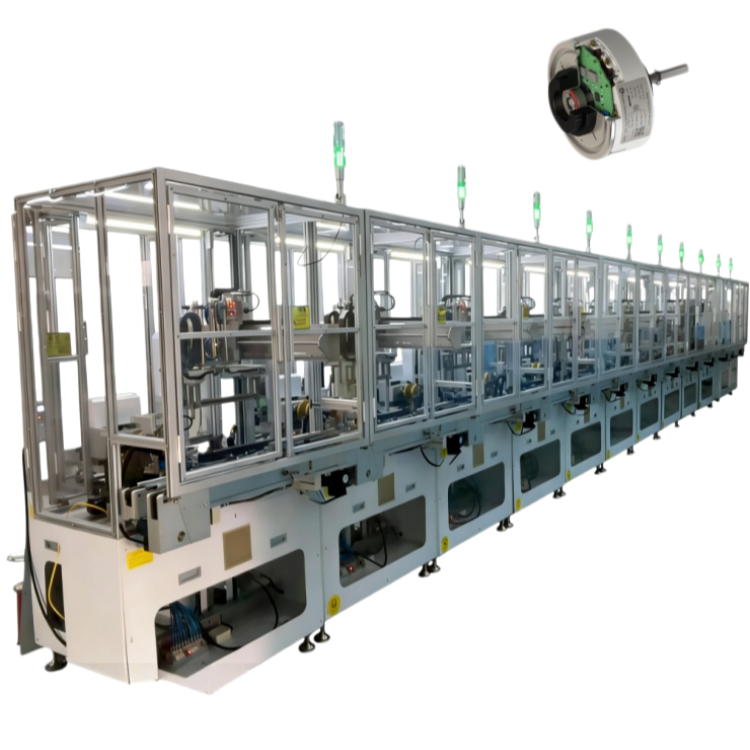
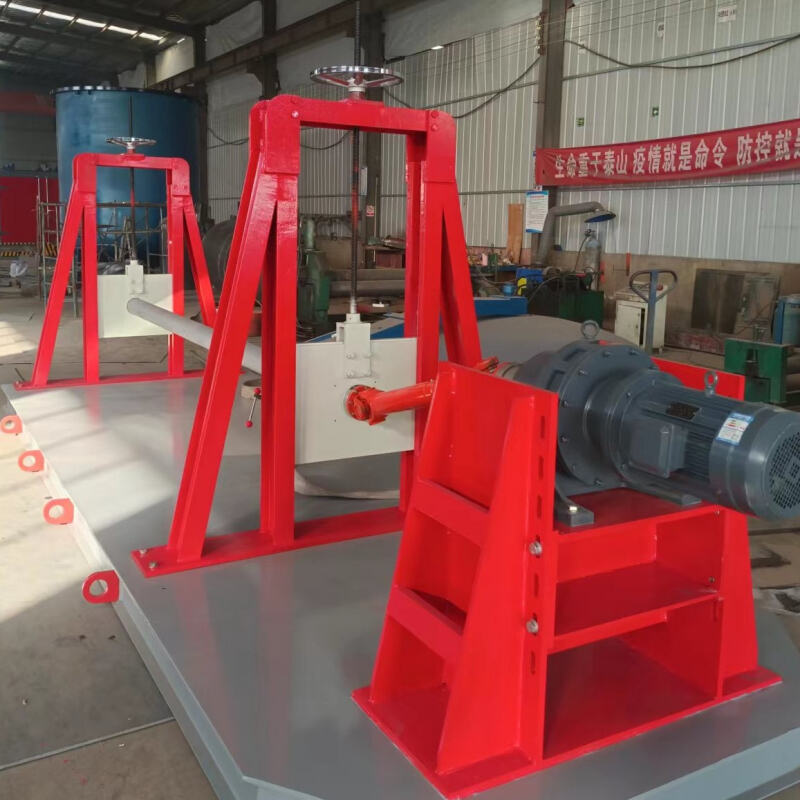
The automatic carbon fiber tube machine provides exceptional versatility that enables manufacturers to serve diverse markets and applications with a single production platform. This adaptability represents tremendous strategic value, allowing companies to respond quickly to market opportunities without capital investments in specialized equipment for each tube specification or application. The machine's versatile production capabilities stem from programmable control systems that store unlimited tube specifications as digital recipes. Operators simply select the desired program, and the automatic carbon fiber tube machine reconfigures operating parameters including winding angles, layer sequences, resin types, curing profiles, and finishing operations automatically. This flexibility accommodates tube diameters ranging from small-bore tubes measuring just millimeters across up to large-diameter structures exceeding several hundred millimeters, all on the same equipment platform. Wall thickness variations pose no challenge, as the automatic carbon fiber tube machine adjusts fiber layer counts and resin application rates according to structural requirements. Length flexibility extends from short tube sections for connectors or bushings to continuous production of tubes measuring several meters for structural beams or sporting equipment shafts. The material versatility of the automatic carbon fiber tube machine extends beyond standard carbon fiber to accommodate hybrid constructions incorporating fiberglass, aramid fibers, or natural fiber reinforcements in combination layups that optimize cost-performance ratios. This capability proves particularly valuable for manufacturers serving price-sensitive markets where selective use of carbon fiber in high-stress areas combined with less expensive fibers elsewhere achieves target performance at lower material costs. Resin system compatibility spans epoxies, vinyl esters, polyesters, and advanced thermoplastic matrices, allowing tube properties to match application environments including chemical exposure, temperature extremes, or ultraviolet radiation resistance. The automatic carbon fiber tube machine supports various finishing operations including integrated cutting systems that trim tubes to precise lengths, surface preparation modules that roughen surfaces for secondary bonding operations, and coating applicators that apply protective finishes or decorative layers. This versatility delivers substantial customer benefits across application domains. Aerospace manufacturers use the same automatic carbon fiber tube machine to produce structural tubes for airframes, hydraulic system housings, and antenna masts, each requiring different fiber orientations and mechanical properties. Sporting goods companies produce bicycle frames, tent poles, ski poles, and fishing rods without equipment changeovers. Industrial manufacturers create rollers for printing presses, telescoping tubes for adjustable structures, and reinforcement sleeves for rehabilitation of damaged pipes. This application diversity reduces business risk by preventing overdependence on single markets while maximizing equipment utilization rates that improve return on investment calculations.
 ×
×


 EN
EN