carbon fiber tube making machine
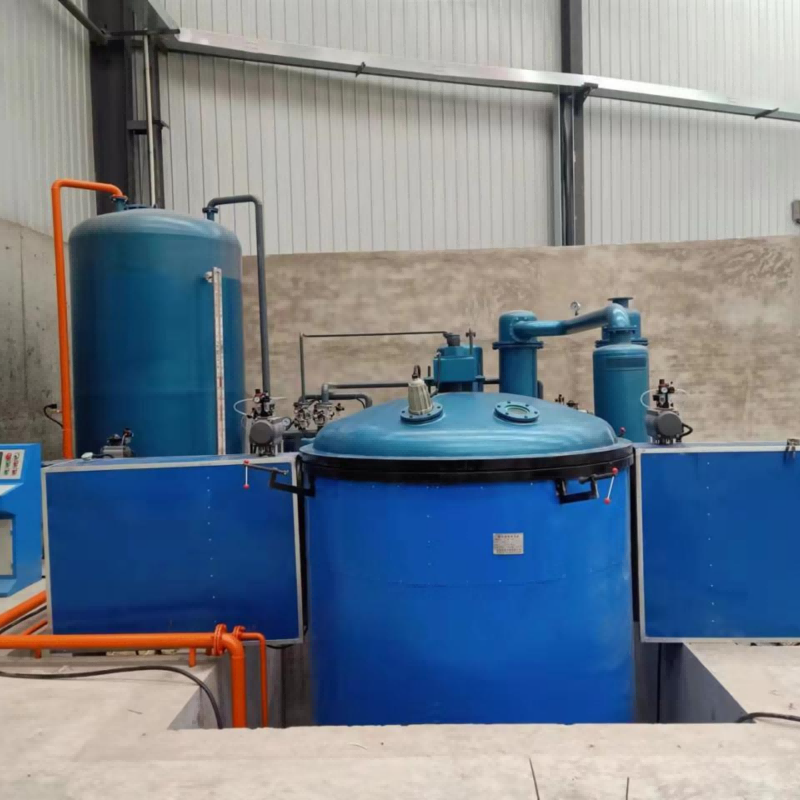
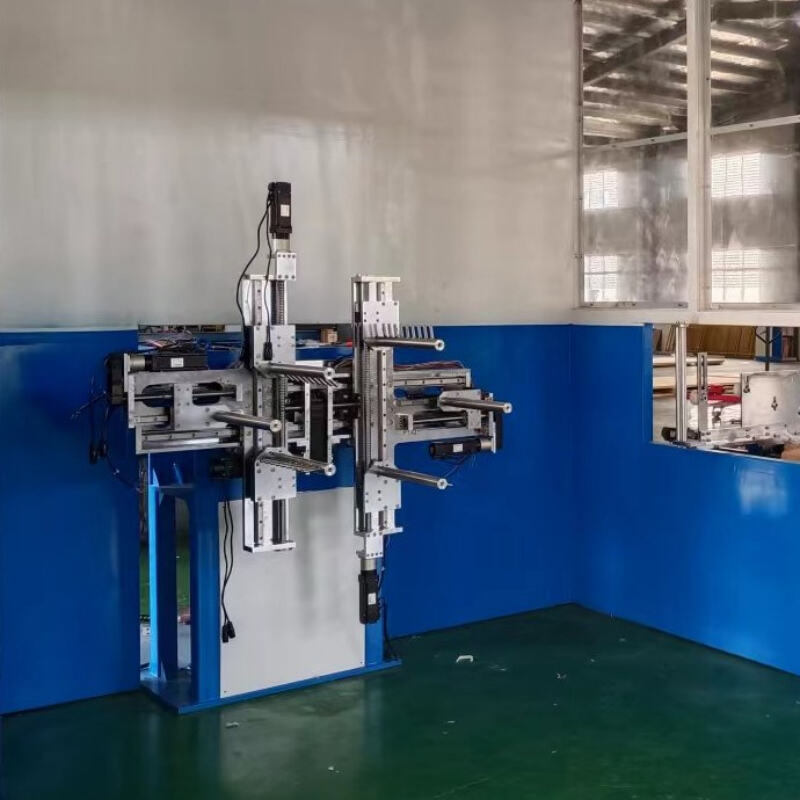
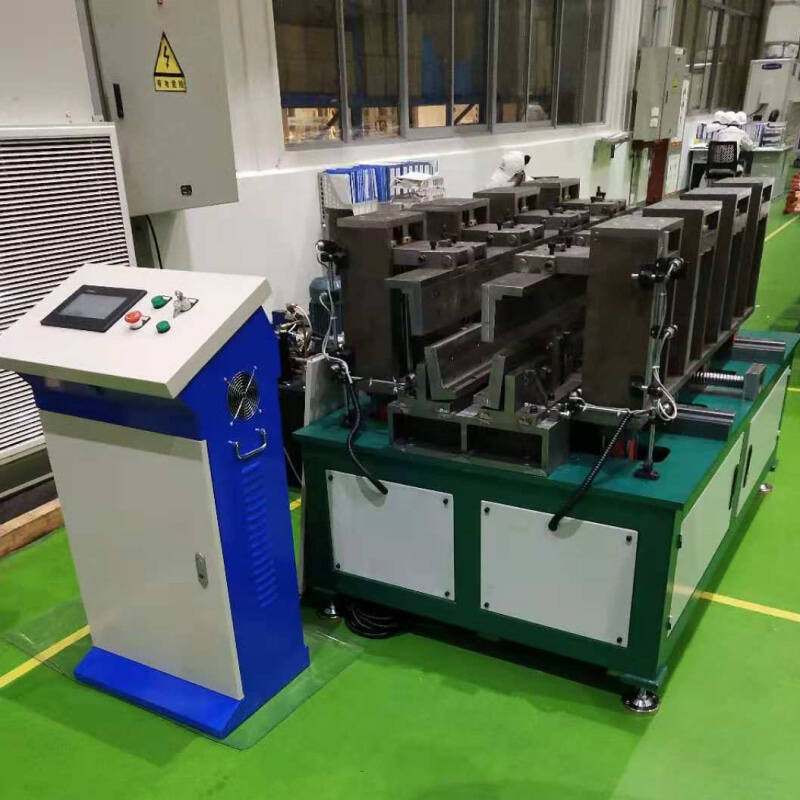
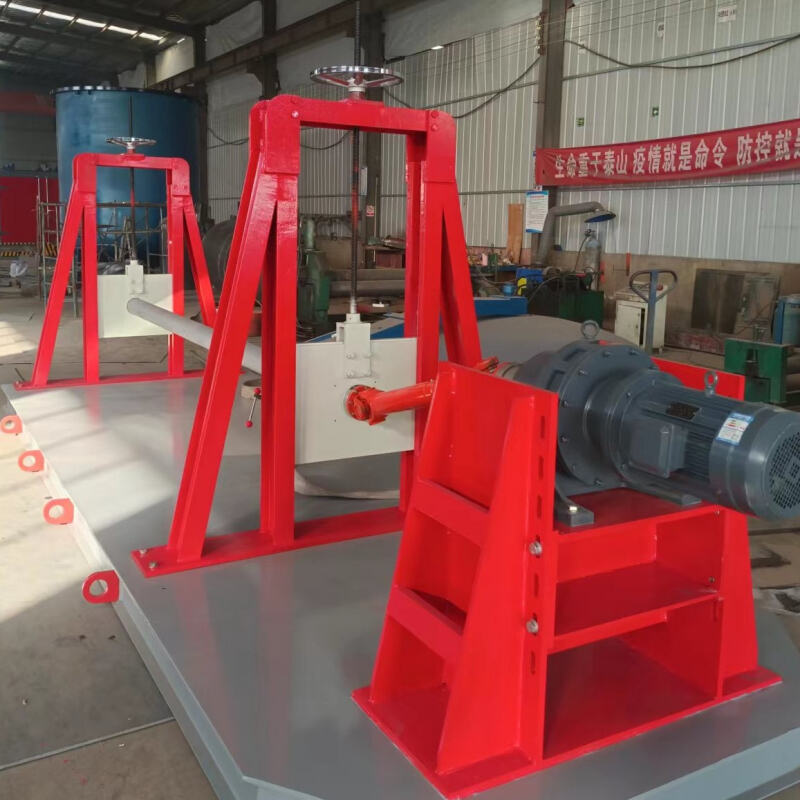
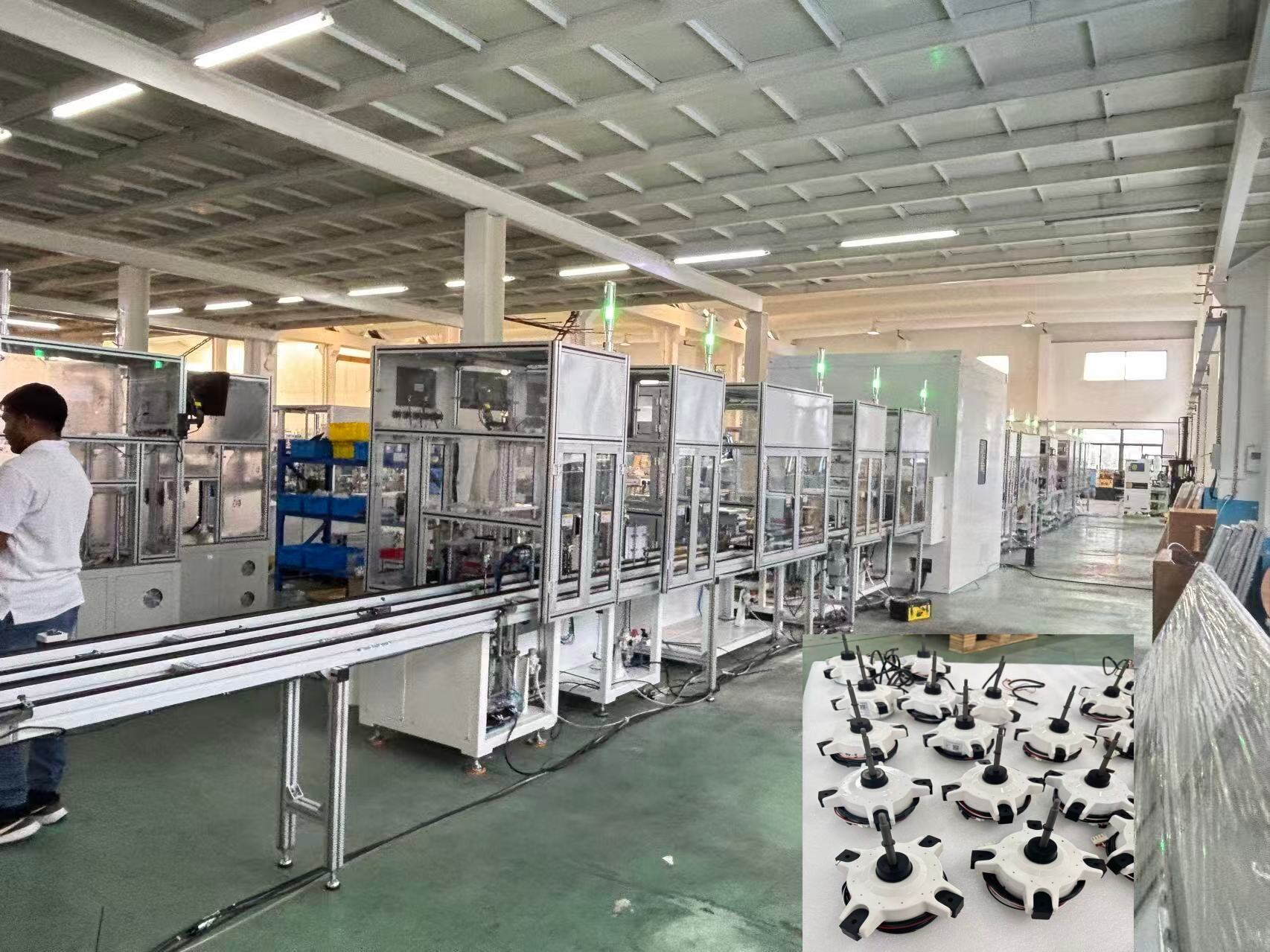
A carbon fiber tube making machine represents specialized manufacturing equipment designed to produce high-quality tubular structures from carbon fiber composite materials. This advanced machinery automates the complex process of transforming raw carbon fiber materials into finished tubes with precise dimensions and exceptional mechanical properties. The machine integrates multiple production stages including material preparation, fiber winding, resin imprication, curing, and finishing operations within a streamlined workflow. Modern carbon fiber tube making machines employ sophisticated control systems that monitor temperature, pressure, tension, and rotation speed throughout the manufacturing cycle. These systems ensure consistent product quality while minimizing material waste and production time. The equipment typically features adjustable mandrels that accommodate various tube diameters and lengths, providing manufacturers with flexibility to meet diverse customer specifications. Core functions include automated fiber placement where carbon fiber tows or fabrics are precisely positioned around a rotating mandrel following predetermined winding patterns. The resin application system distributes epoxy or other matrix materials evenly across the fiber layers, ensuring optimal fiber-to-resin ratios for maximum strength. Heating elements and curing chambers maintain specific temperature profiles that facilitate proper chemical crosslinking of the resin matrix. Advanced models incorporate computer numerical control technology that enables operators to program complex winding angles and layer sequences for customized tube properties. The machine's technological features include precision servo motors for accurate fiber tension control, programmable logic controllers for process automation, and real-time monitoring systems that detect defects during production. Carbon fiber tube making machines find extensive applications across aerospace industries for manufacturing lightweight structural components, sporting goods production for bicycle frames and fishing rods, industrial equipment fabrication, robotics arms, medical device construction, and automotive parts manufacturing. The versatility of these machines makes them indispensable for any operation requiring strong, lightweight tubular components with superior performance characteristics compared to traditional metal alternatives.
 ×
×


 EN
EN