automatic loop coil winder
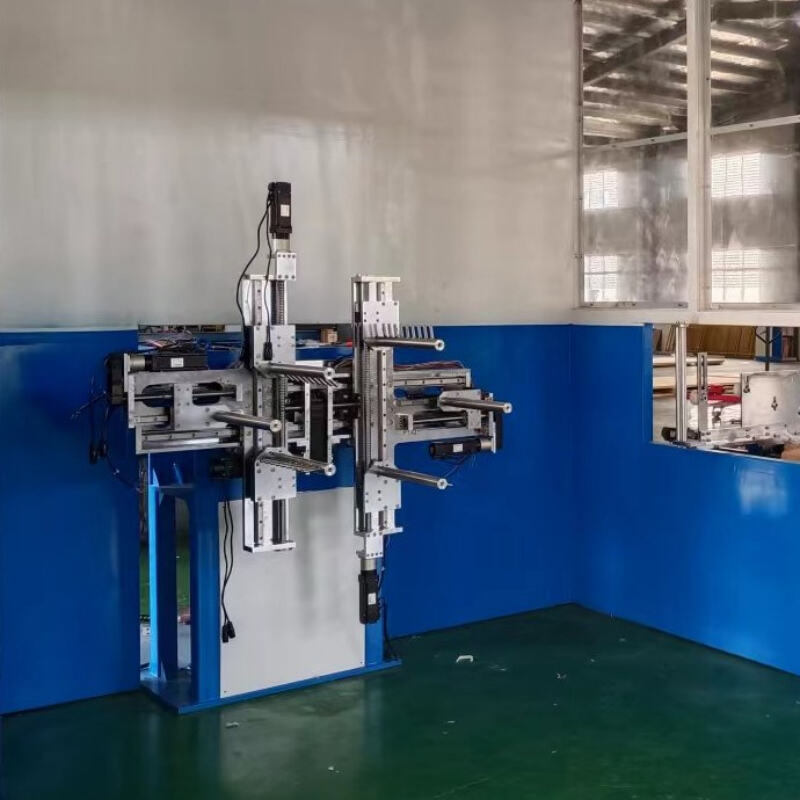
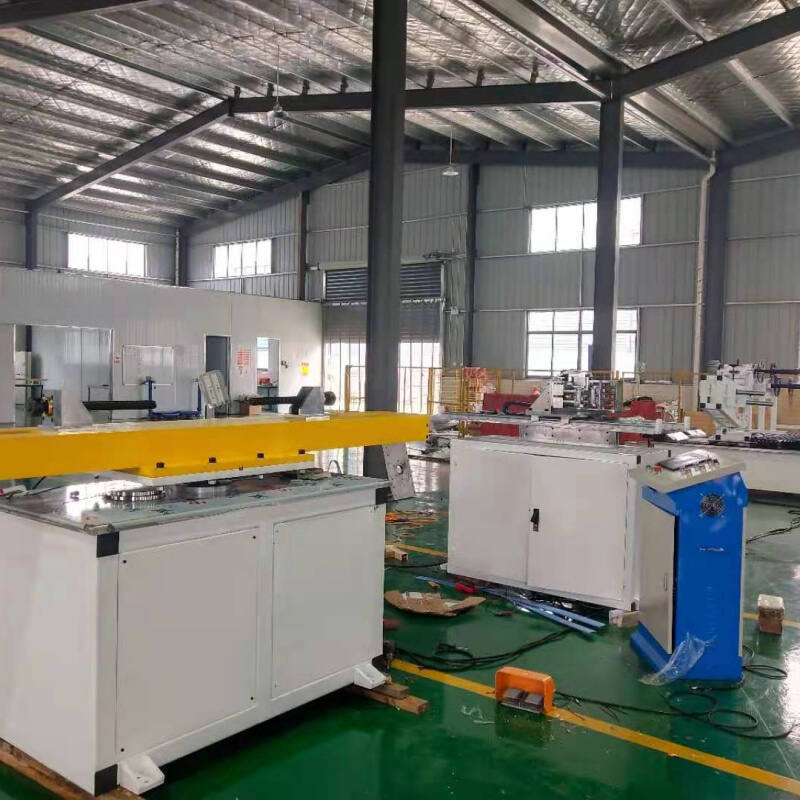
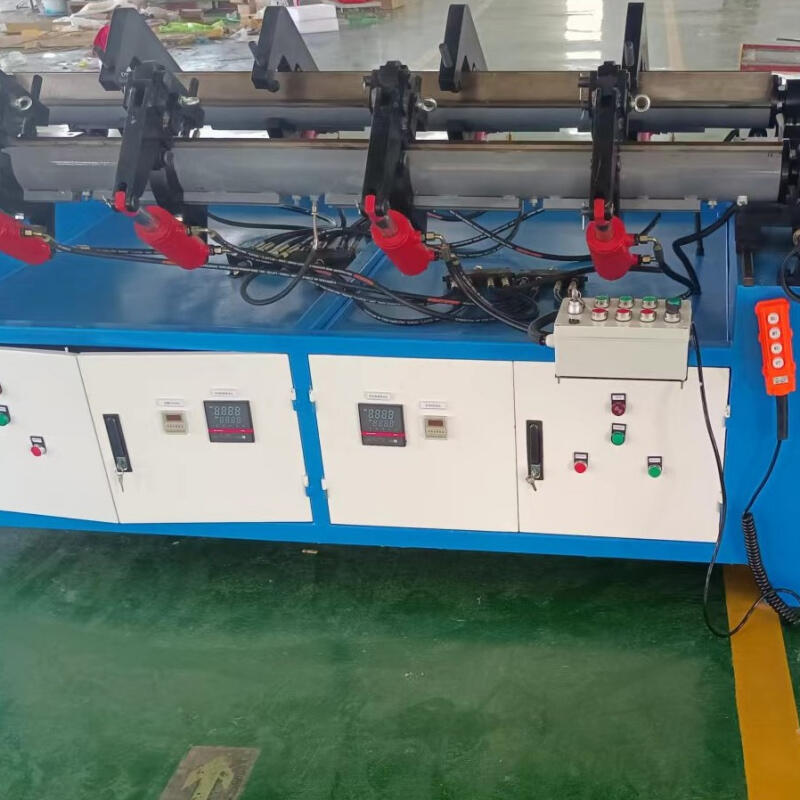
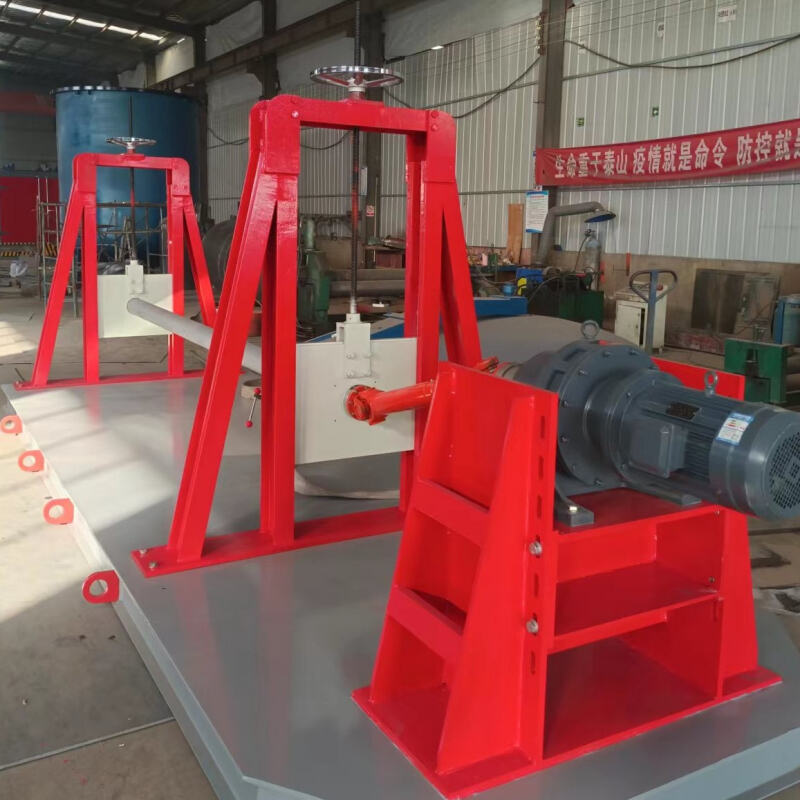
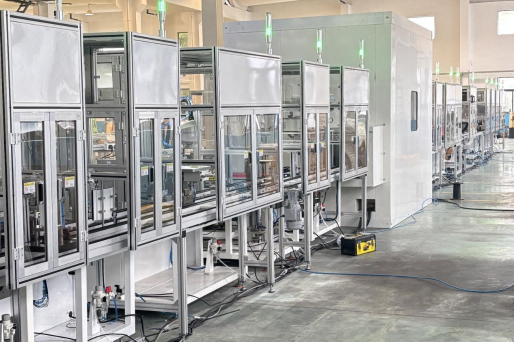
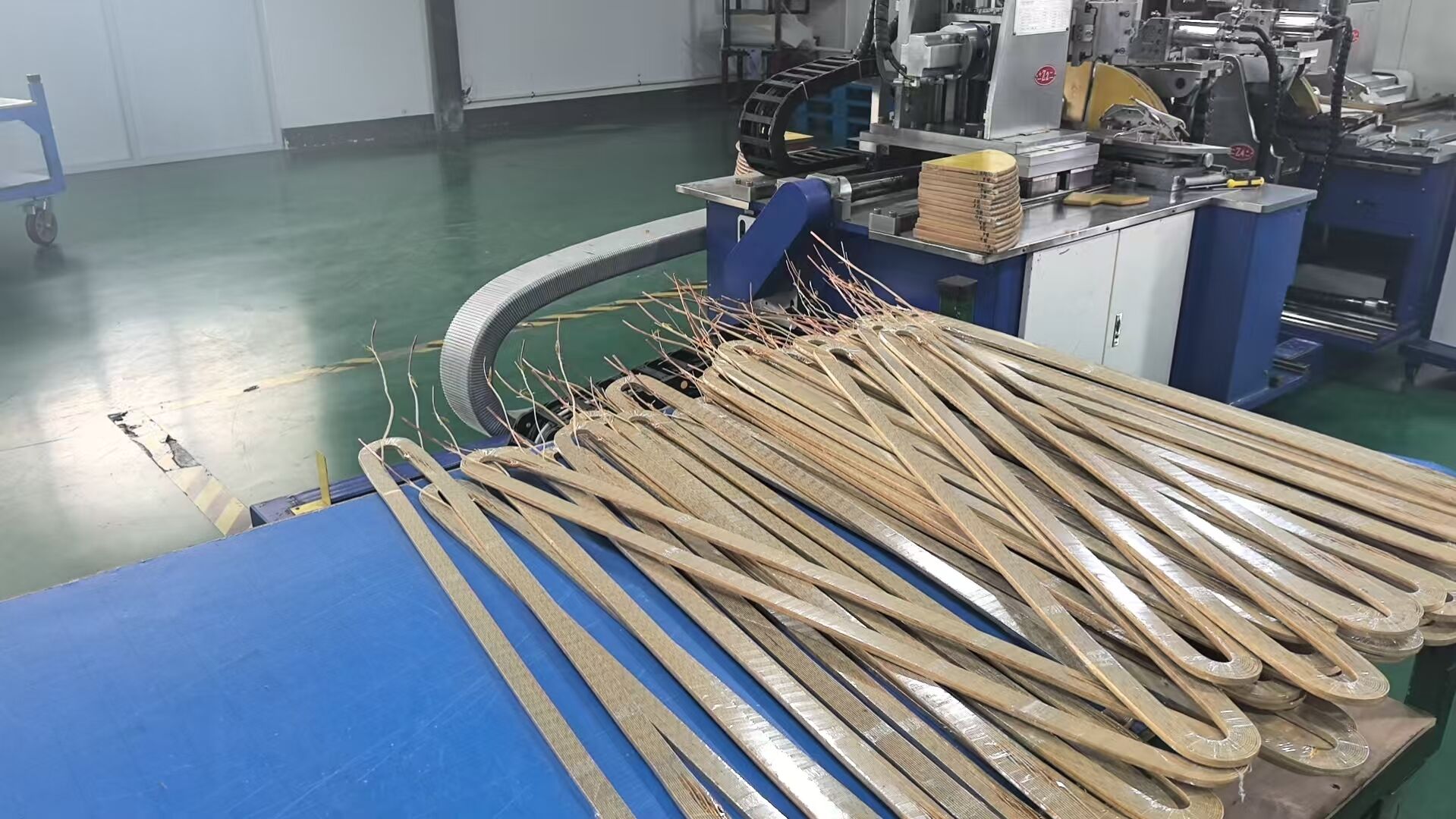
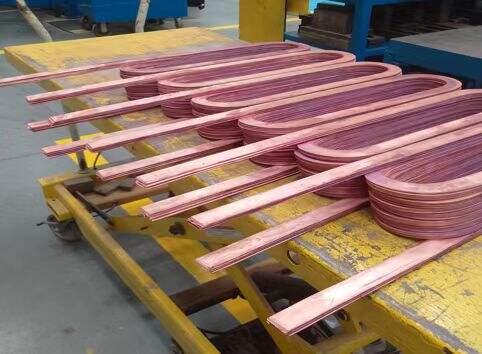
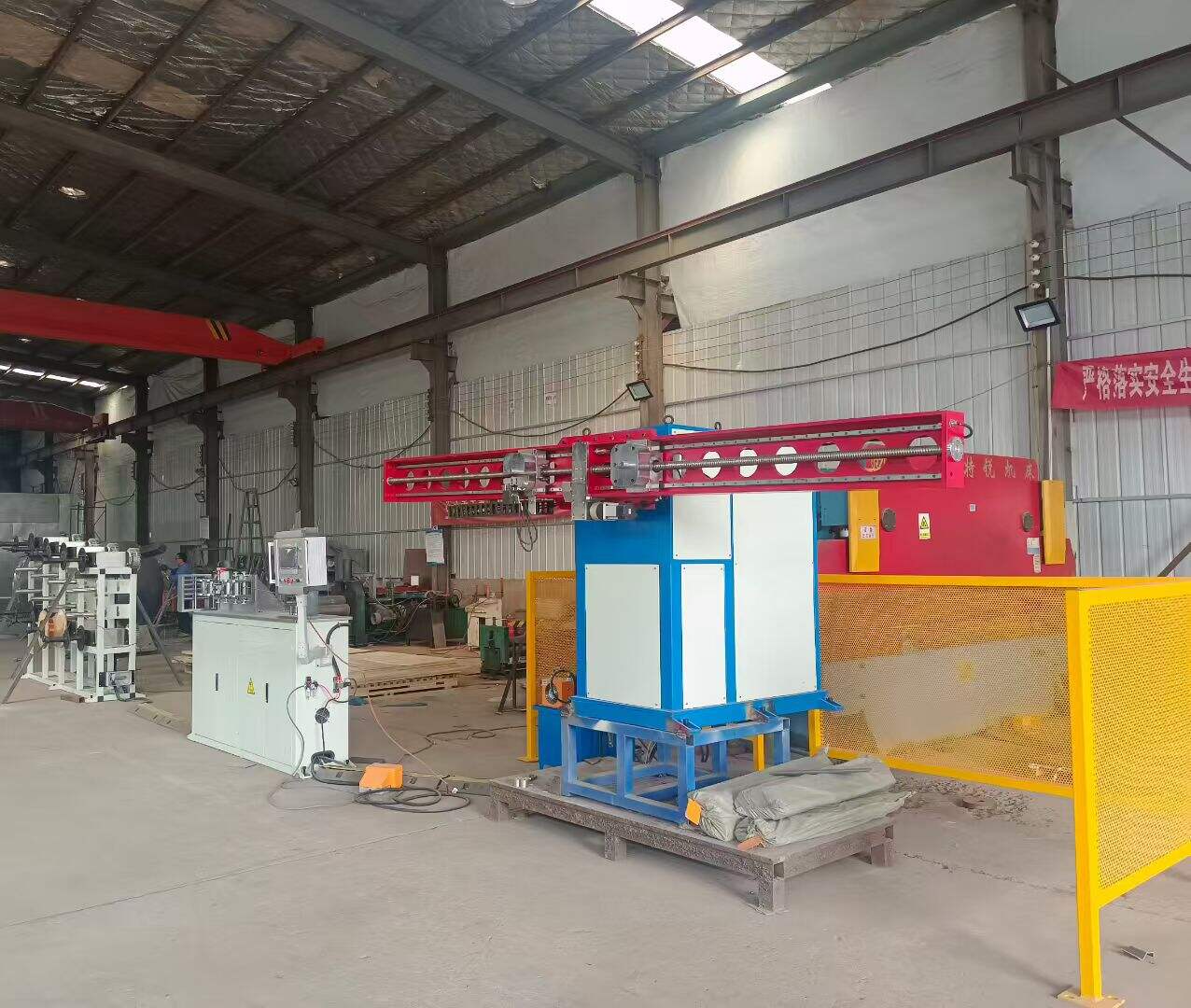
The automatic loop coil winder represents a revolutionary advancement in wire winding technology, designed to streamline the production of coiled components used across multiple industries. This sophisticated machinery automates the process of wrapping wire into precise loop configurations, eliminating manual labor while ensuring consistent quality throughout production runs. At its core, the automatic loop coil winder combines precision engineering with intelligent control systems to deliver exceptional performance in manufacturing environments. The equipment features programmable controls that allow operators to set specific parameters including loop diameter, wire tension, winding speed, and the number of turns required for each coil. These machines accommodate various wire gauges and materials, from copper and aluminum to specialized alloys, making them versatile solutions for diverse manufacturing needs. The technological features integrated into modern automatic loop coil winders include servo motor systems for accurate positioning, tension control mechanisms to prevent wire breakage or deformation, and digital interfaces that simplify operation and monitoring. Many models incorporate automatic wire feeding systems that maintain consistent supply throughout the winding process, reducing downtime and increasing productivity. The applications for automatic loop coil winders span numerous sectors including electronics manufacturing, automotive component production, telecommunications equipment assembly, transformer fabrication, and medical device manufacturing. These machines prove invaluable in producing inductors, solenoids, electromagnets, sensor coils, and various other electromagnetic components that require precise winding specifications. The automatic loop coil winder has become an essential tool for manufacturers seeking to enhance production efficiency while maintaining the highest quality standards in their coiled products, offering reliability and repeatability that manual winding processes simply cannot match in today's competitive manufacturing landscape.
 ×
×


 EN
EN