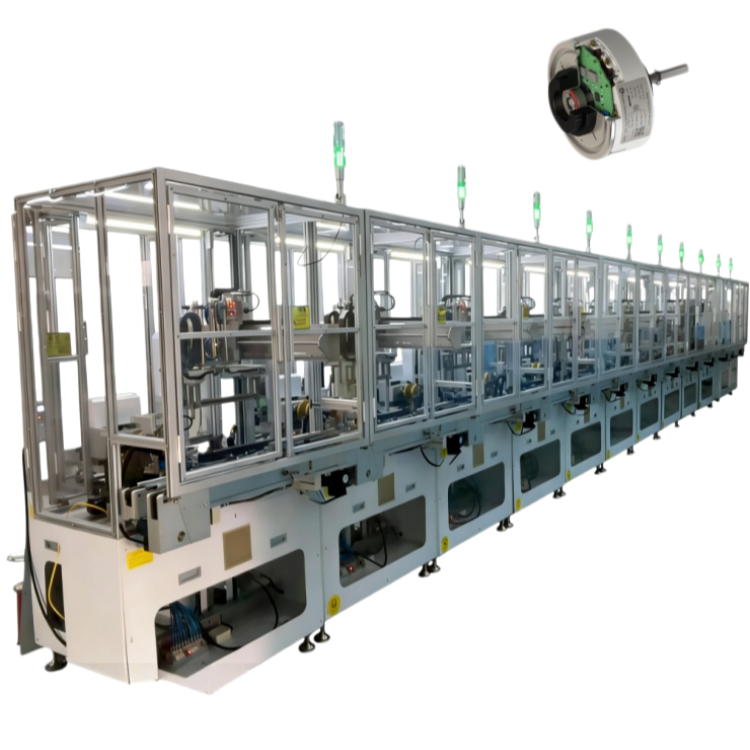
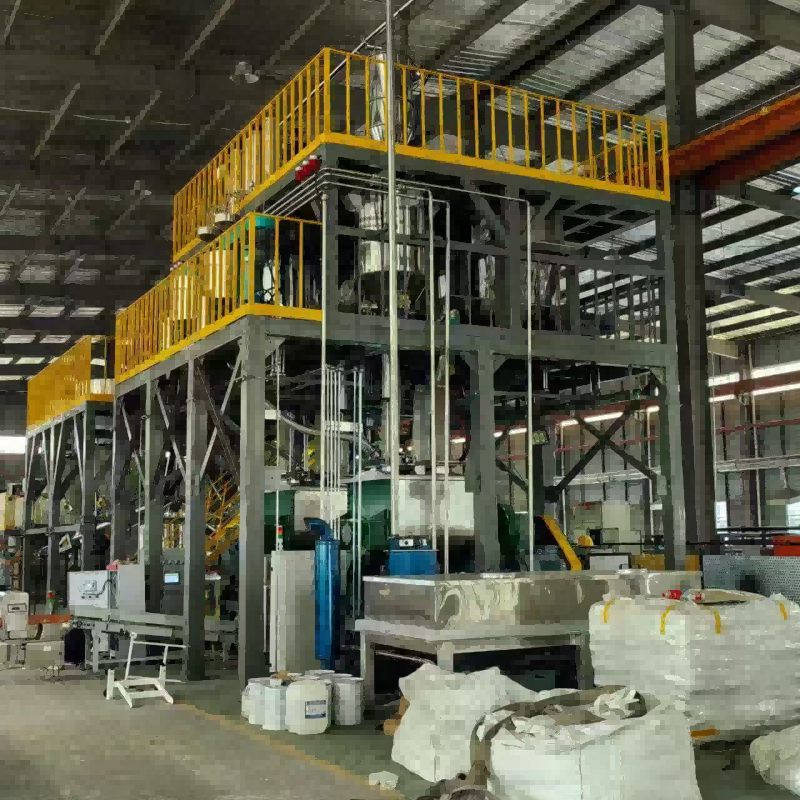
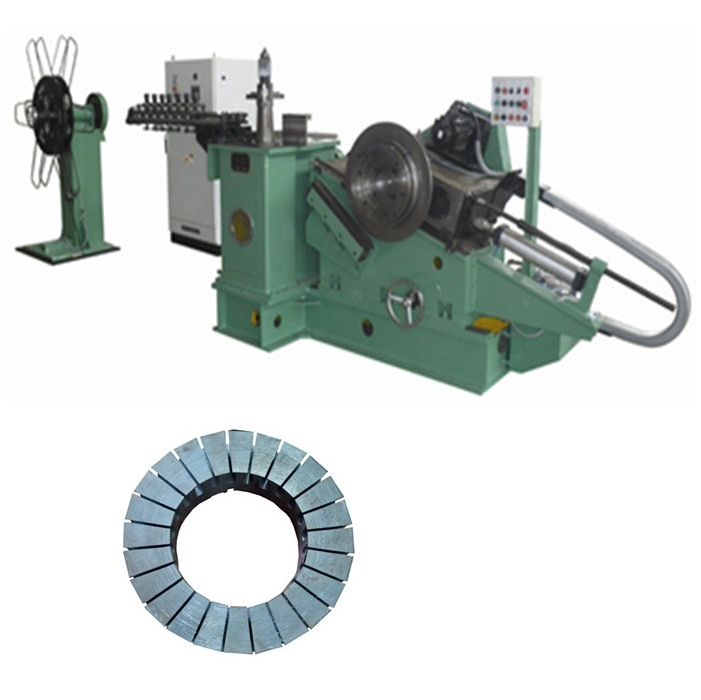
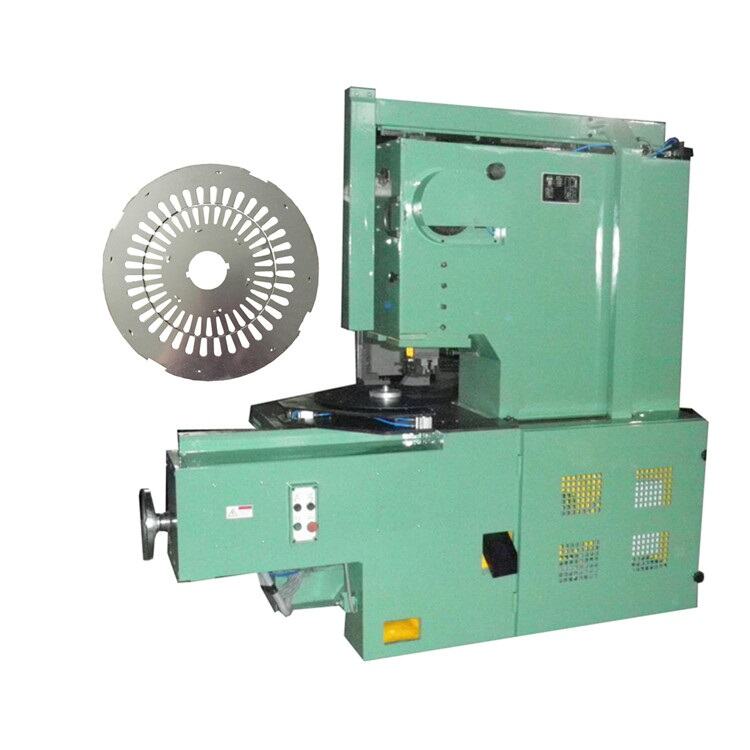
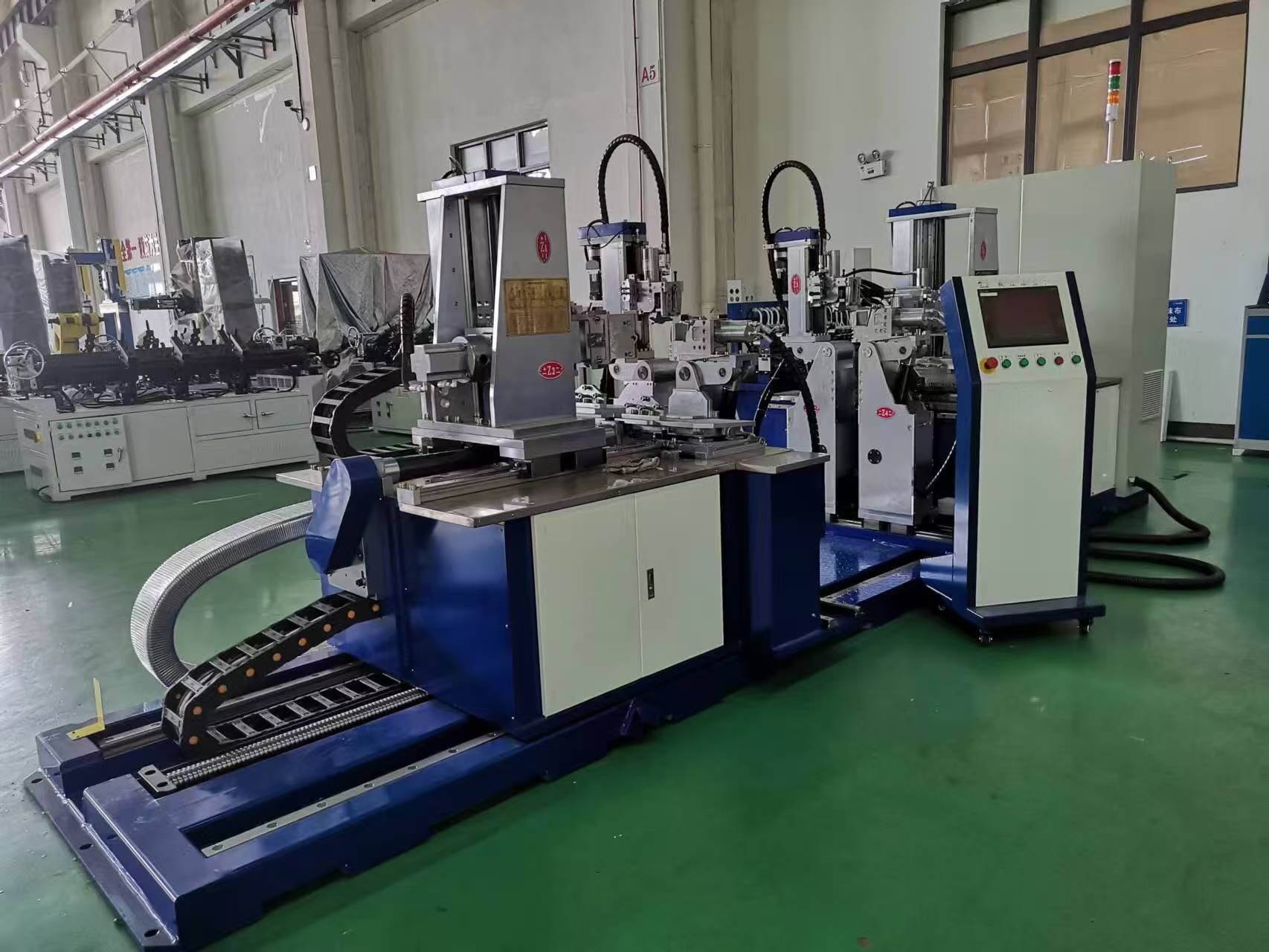
industrial loop winding machine
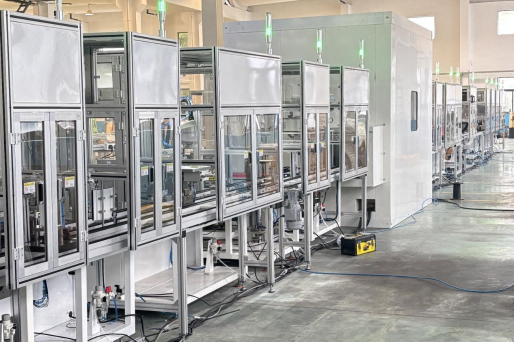
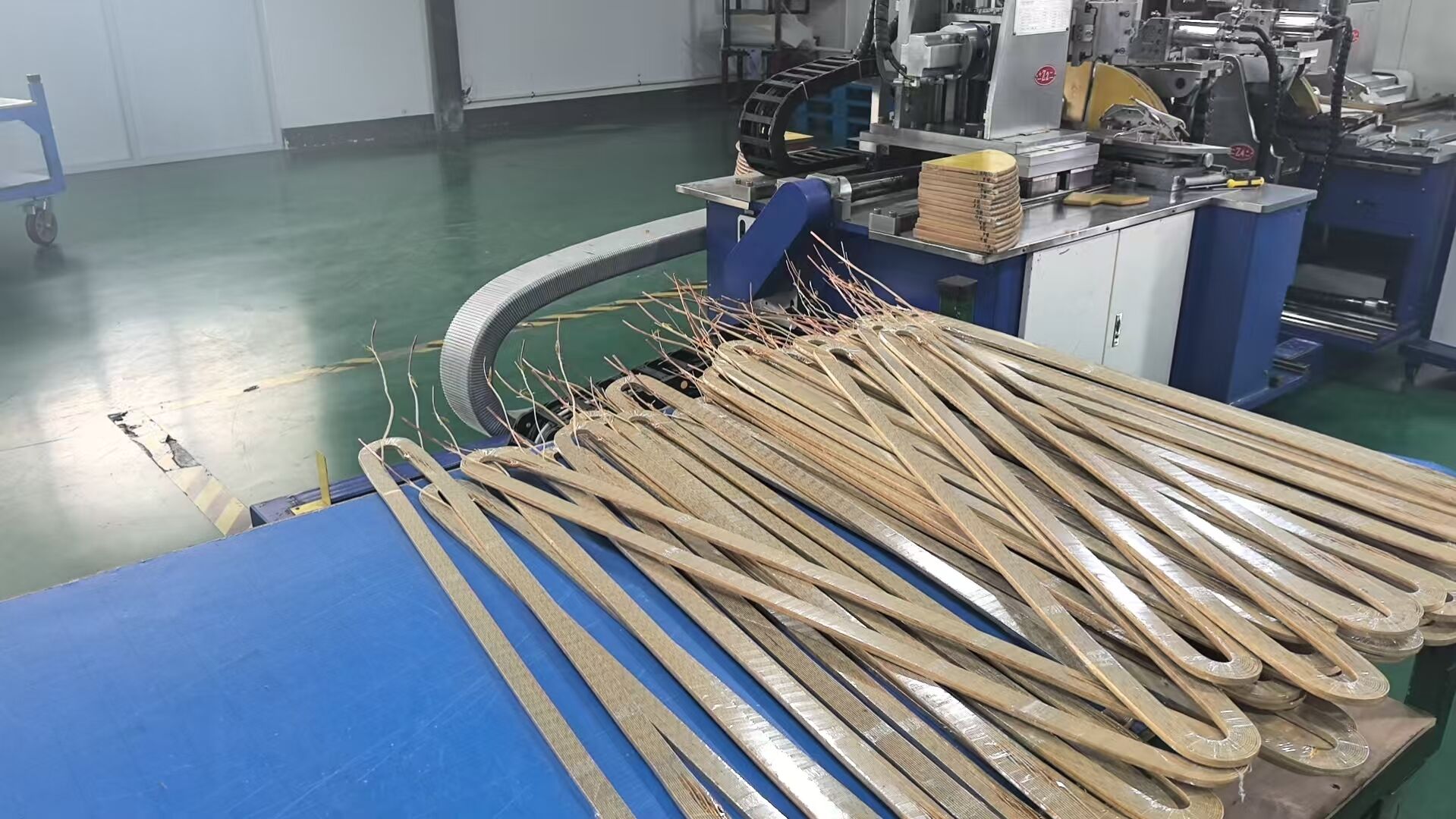
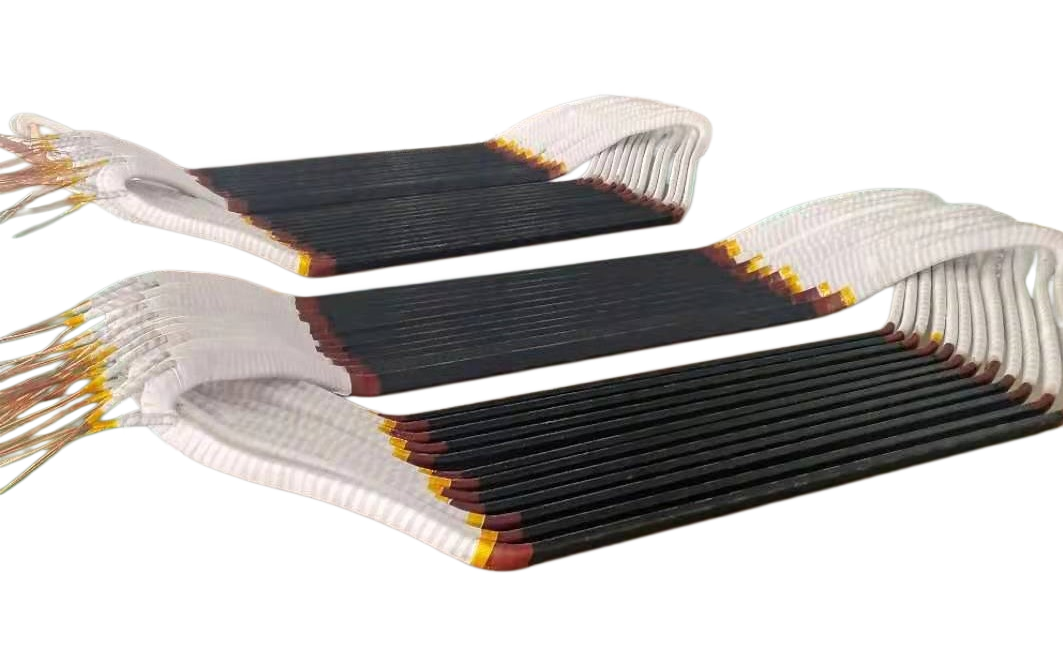
The industrial loop winding machine represents a sophisticated manufacturing solution designed to automate the process of creating precisely wound coils and loops for various production applications. This advanced equipment streamlines the winding process by automatically feeding wire, cable, or other flexible materials through a controlled path to form consistent loops of predetermined dimensions. The industrial loop winding machine integrates precision engineering with programmable controls to deliver repeatable results across high-volume production runs. Its main functions include tension control to maintain consistent material feed, adjustable winding speed to accommodate different material types, programmable loop dimensions for versatile production capabilities, and automatic cutting mechanisms to separate finished loops. The technological features of the industrial loop winding machine encompass servo motor drives that provide precise positioning and speed control, touchscreen interfaces for intuitive operation and programming, sensor systems that monitor material feed and detect anomalies, and modular design elements that facilitate maintenance and configuration changes. Modern industrial loop winding machine models incorporate PLC-based control systems that enable operators to store multiple winding programs, switch between production specifications quickly, and monitor real-time performance metrics. The applications for this equipment span numerous industries including electronics manufacturing where wire harnesses and connector loops require precise formation, textile production where thread loops serve decorative or functional purposes, packaging operations that utilize metal or plastic binding loops, automotive component manufacturing for wiring assemblies, and medical device production where sterile loop formations meet stringent quality standards. The industrial loop winding machine has become indispensable for manufacturers seeking to eliminate manual winding inconsistencies, reduce labor costs, and scale production capacity while maintaining quality standards that manual processes cannot reliably achieve.
 ×
×


 EN
EN