cut to length machine line
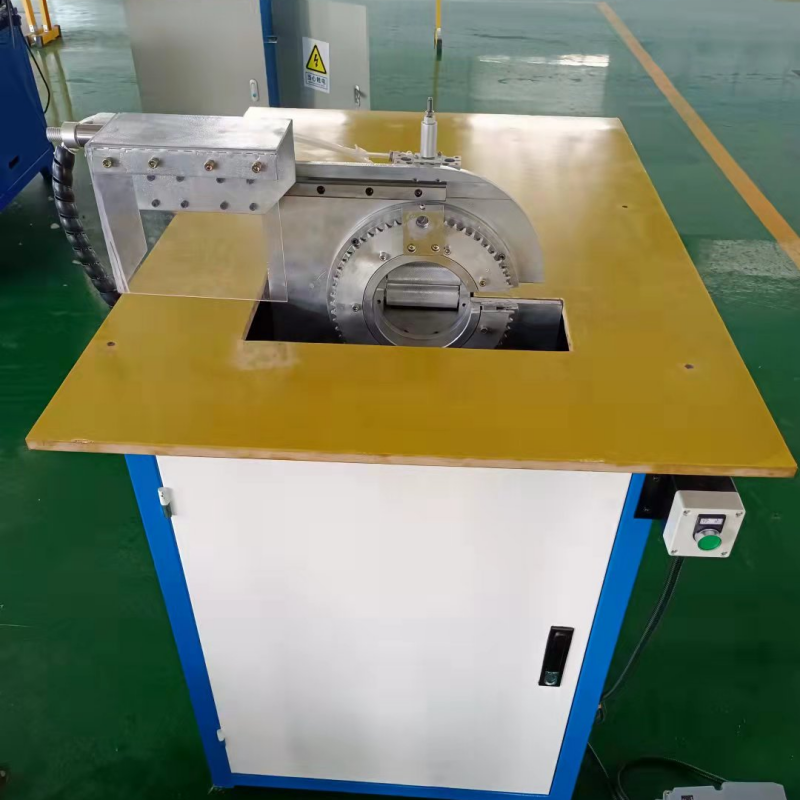
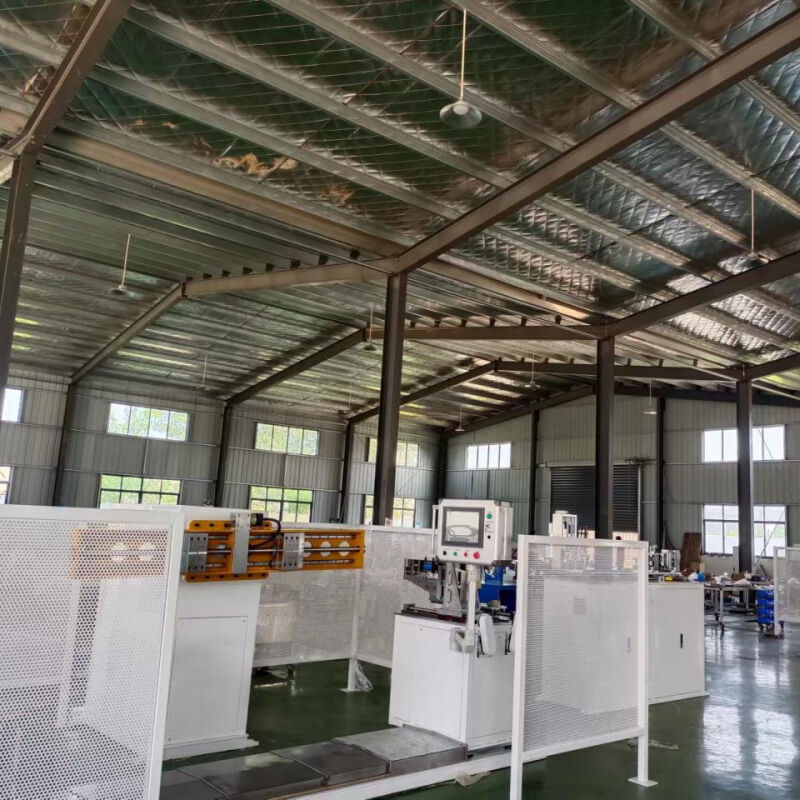
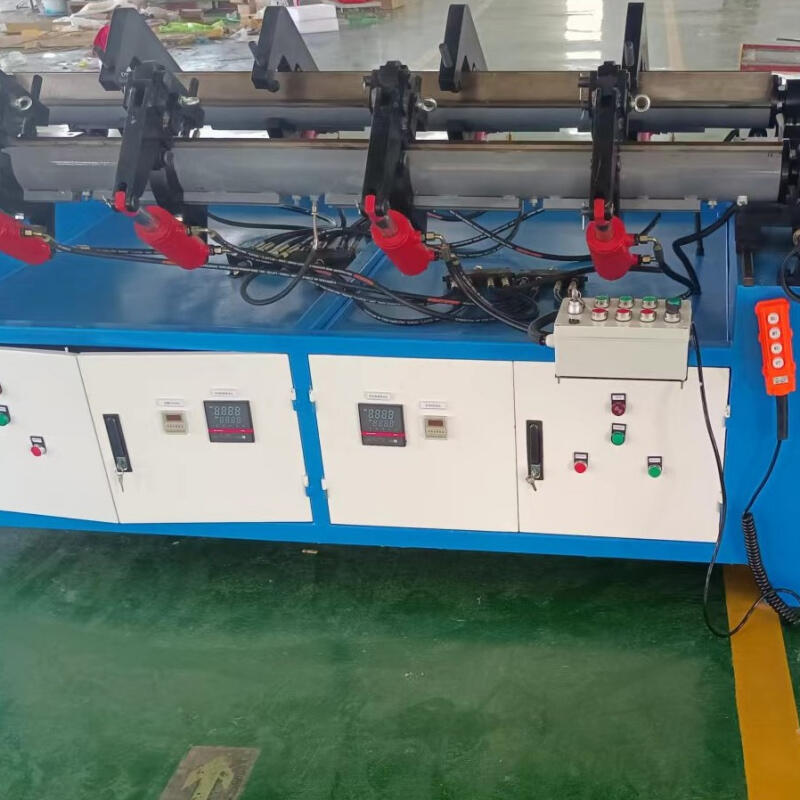
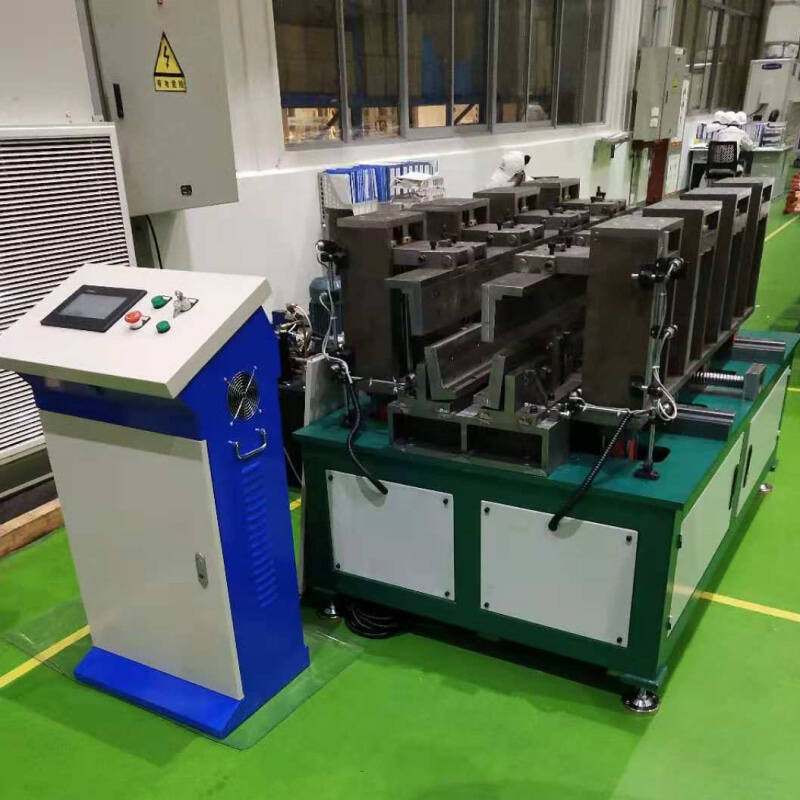
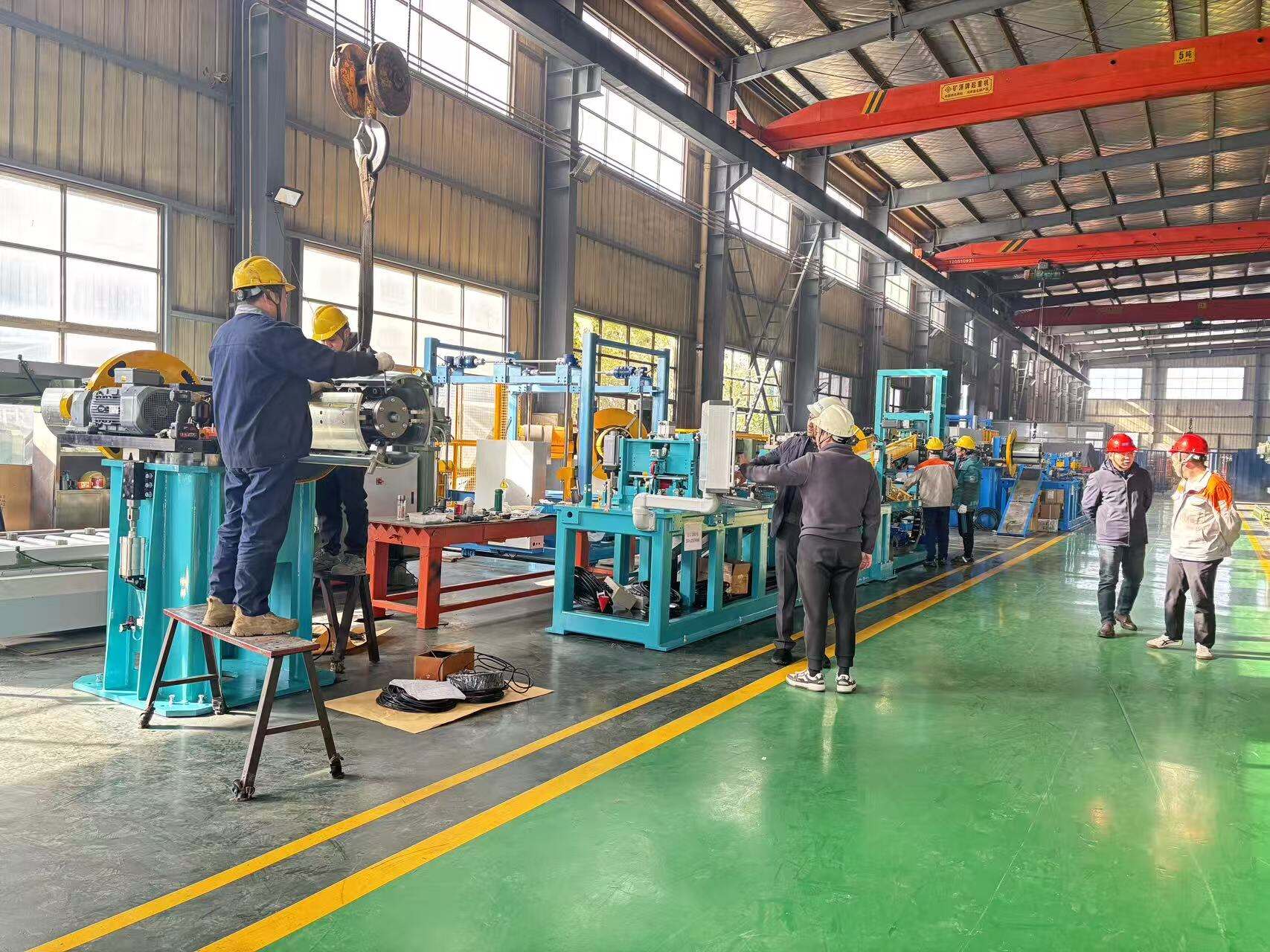
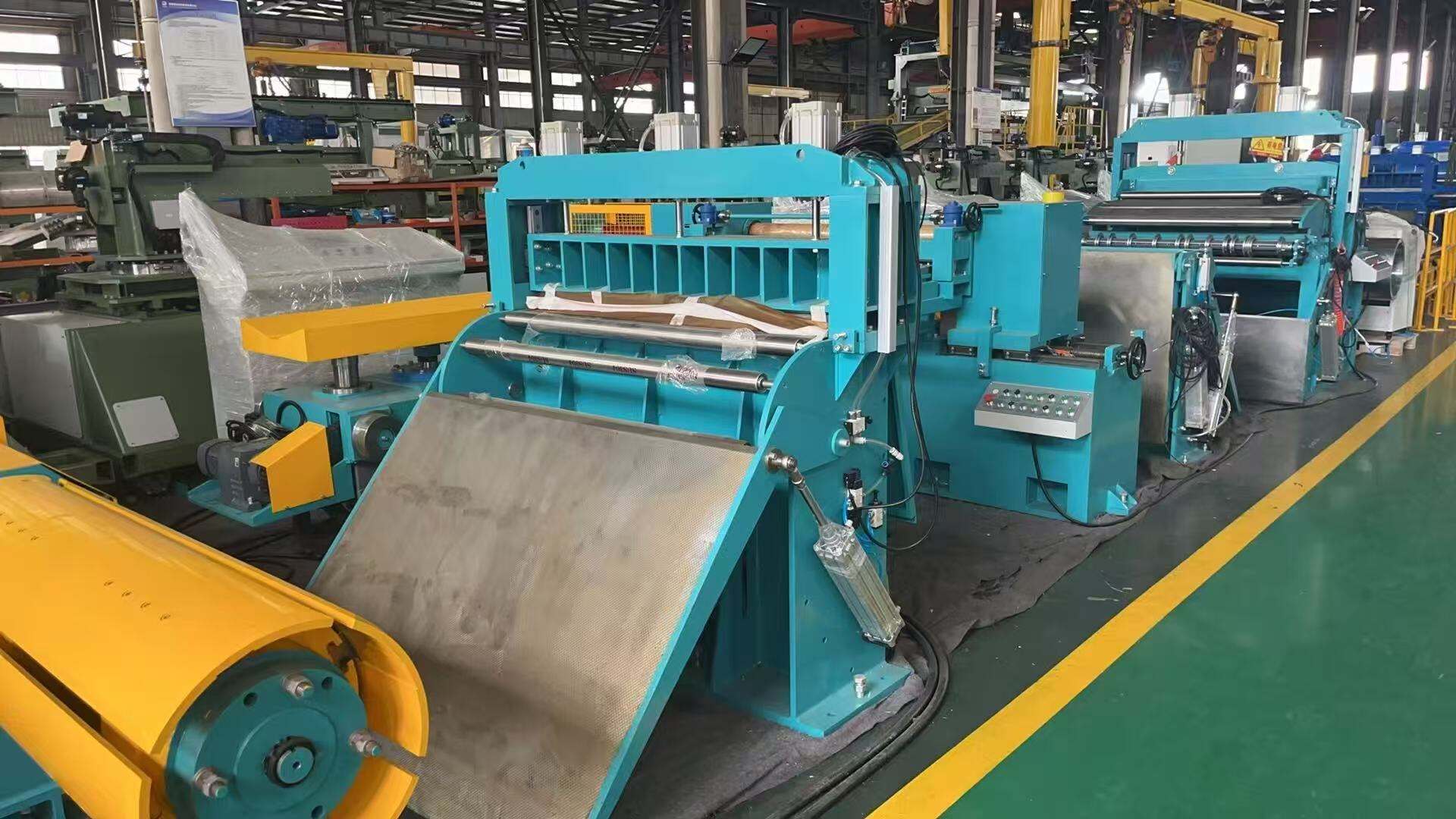
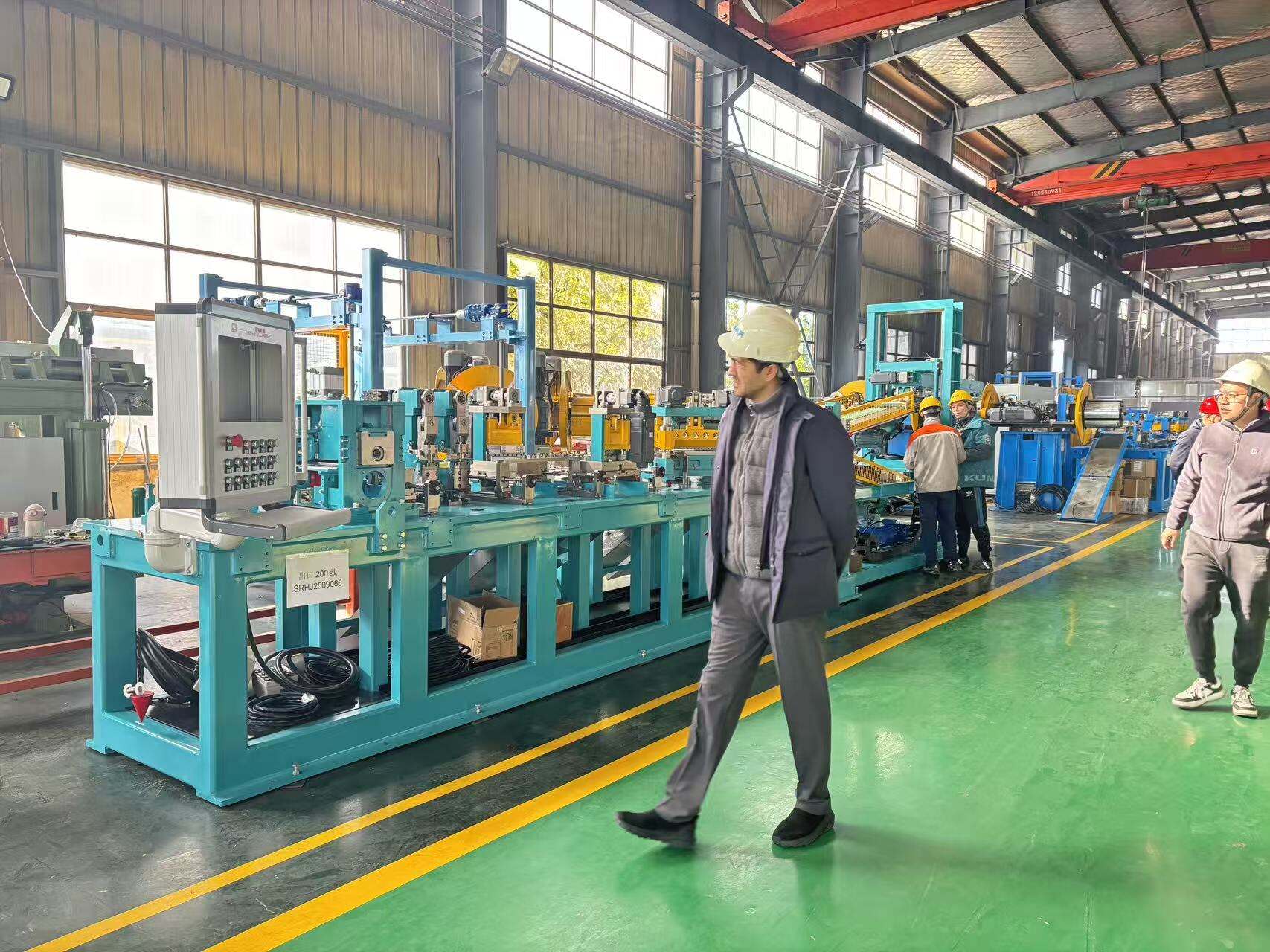
A cut to length machine line represents a sophisticated manufacturing solution designed to transform large coils of metal sheet into precisely measured flat sheets. This automated production system integrates multiple processing stages to deliver consistent, high-quality results for metal fabrication operations. The cut to length machine line serves as an essential component in modern metalworking facilities, enabling manufacturers to process various materials including steel, aluminum, copper, and galvanized sheets with exceptional accuracy. The primary function of this equipment involves uncoiling raw material, flattening the metal through precision rollers, measuring exact dimensions, and shearing the material into specific lengths according to customer requirements. Technological features of the cut to length machine line include advanced servo motor systems that ensure precise feeding control, hydraulic shearing mechanisms for clean cuts, and programmable logic controllers that manage the entire operation seamlessly. Modern systems incorporate touchscreen interfaces that allow operators to input specifications quickly and monitor production in real-time. The leveling section utilizes multiple rollers to eliminate coil set and cross bow deformations, ensuring each sheet exits perfectly flat. Automatic stacking systems organize finished sheets systematically, reducing manual handling and improving workplace safety. Applications for the cut to length machine line span numerous industries including automotive manufacturing, construction, appliance production, electrical enclosure fabrication, and HVAC systems. The versatility of these machines allows processing of various material thicknesses, typically ranging from thin gauge sheets to heavier plate materials. Production speeds vary based on material specifications and desired sheet lengths, with advanced models capable of processing dozens of sheets per minute. The cut to length machine line delivers consistent quality that manual cutting methods cannot match, making it indispensable for businesses requiring high-volume production with strict dimensional tolerances and minimal material waste.
 ×
×


 EN
EN