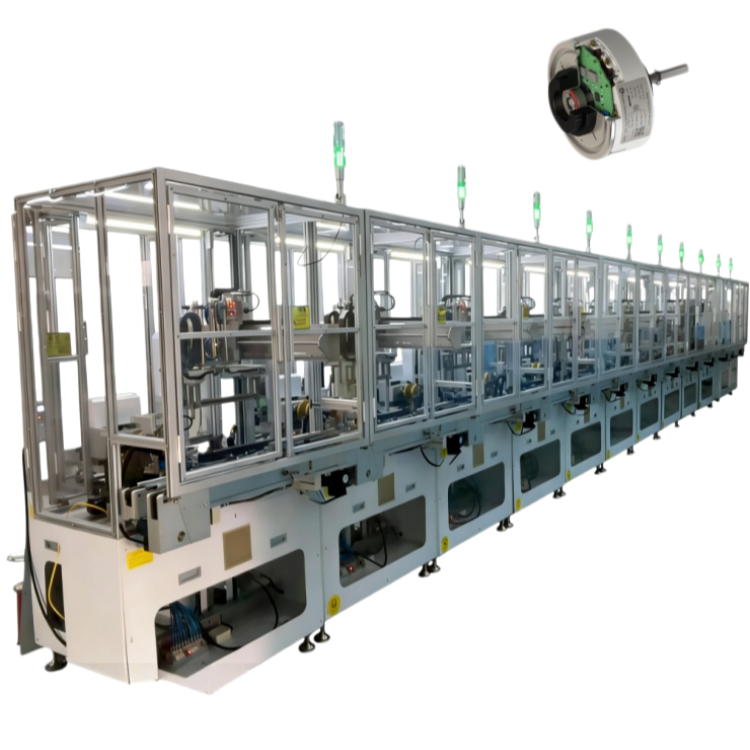
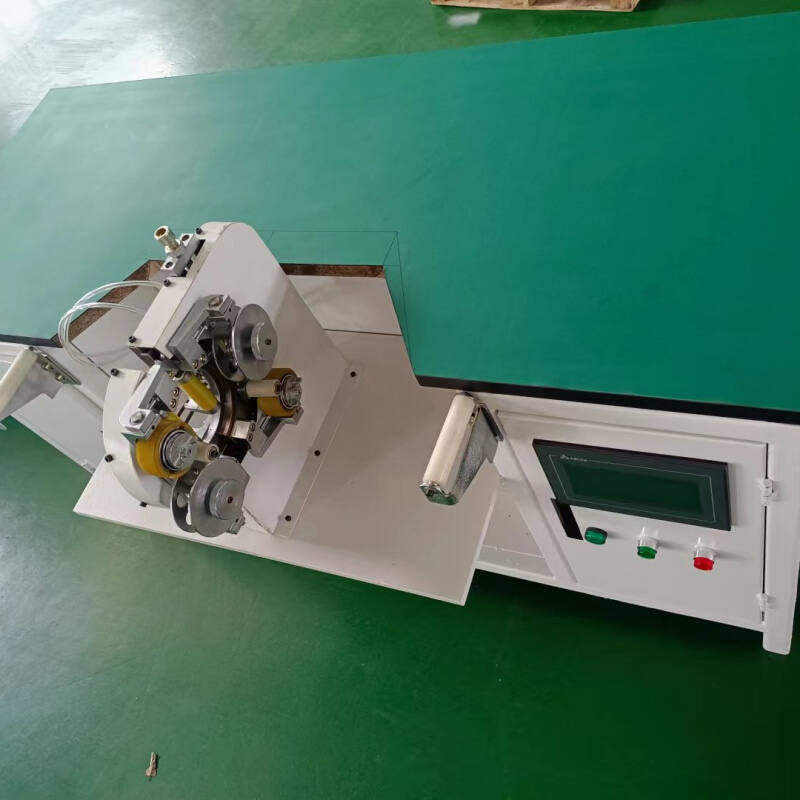
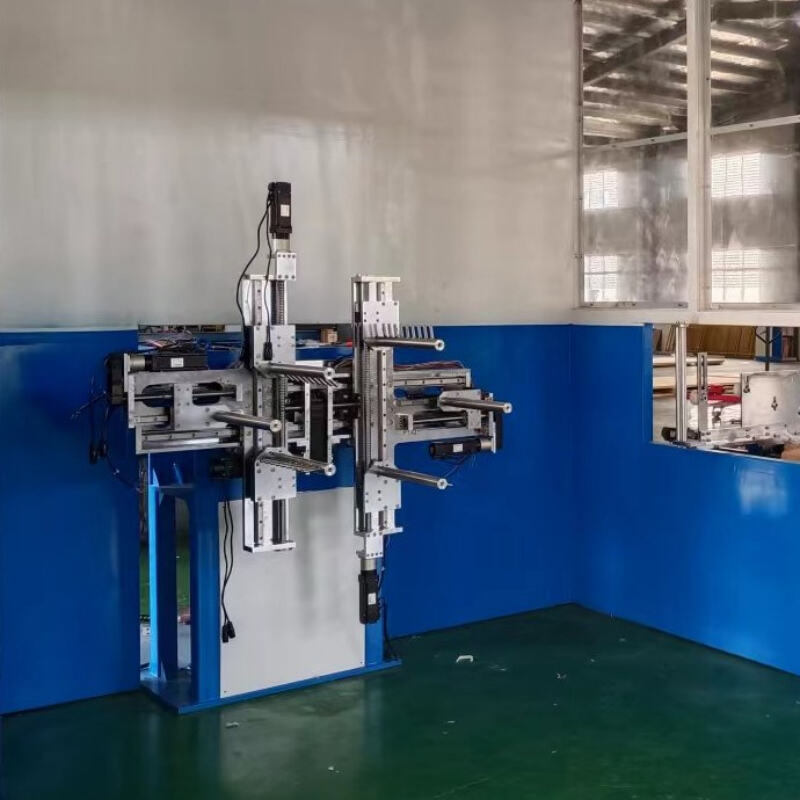
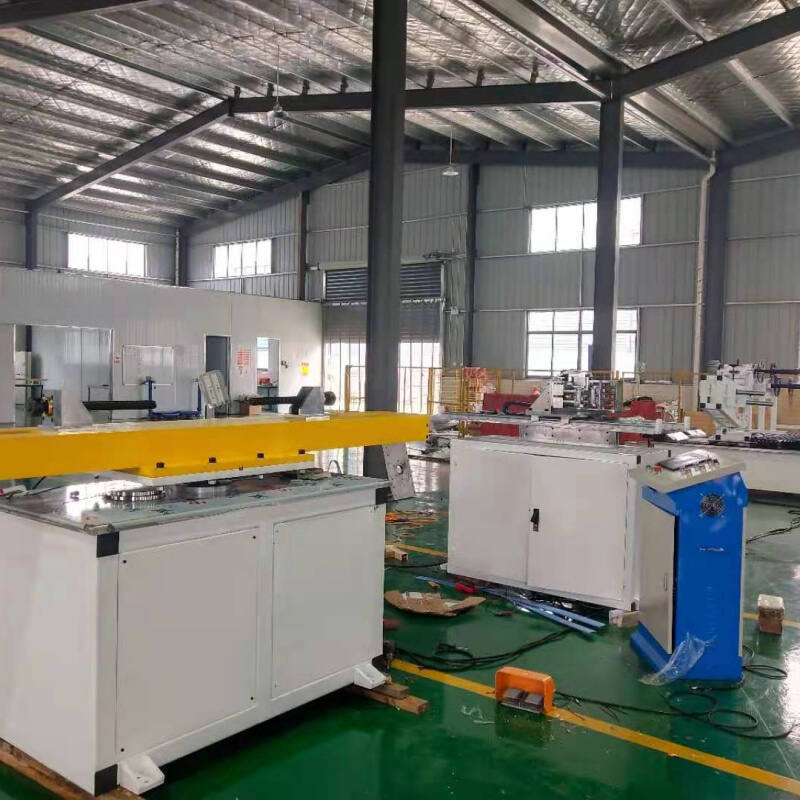
cut to length line machine
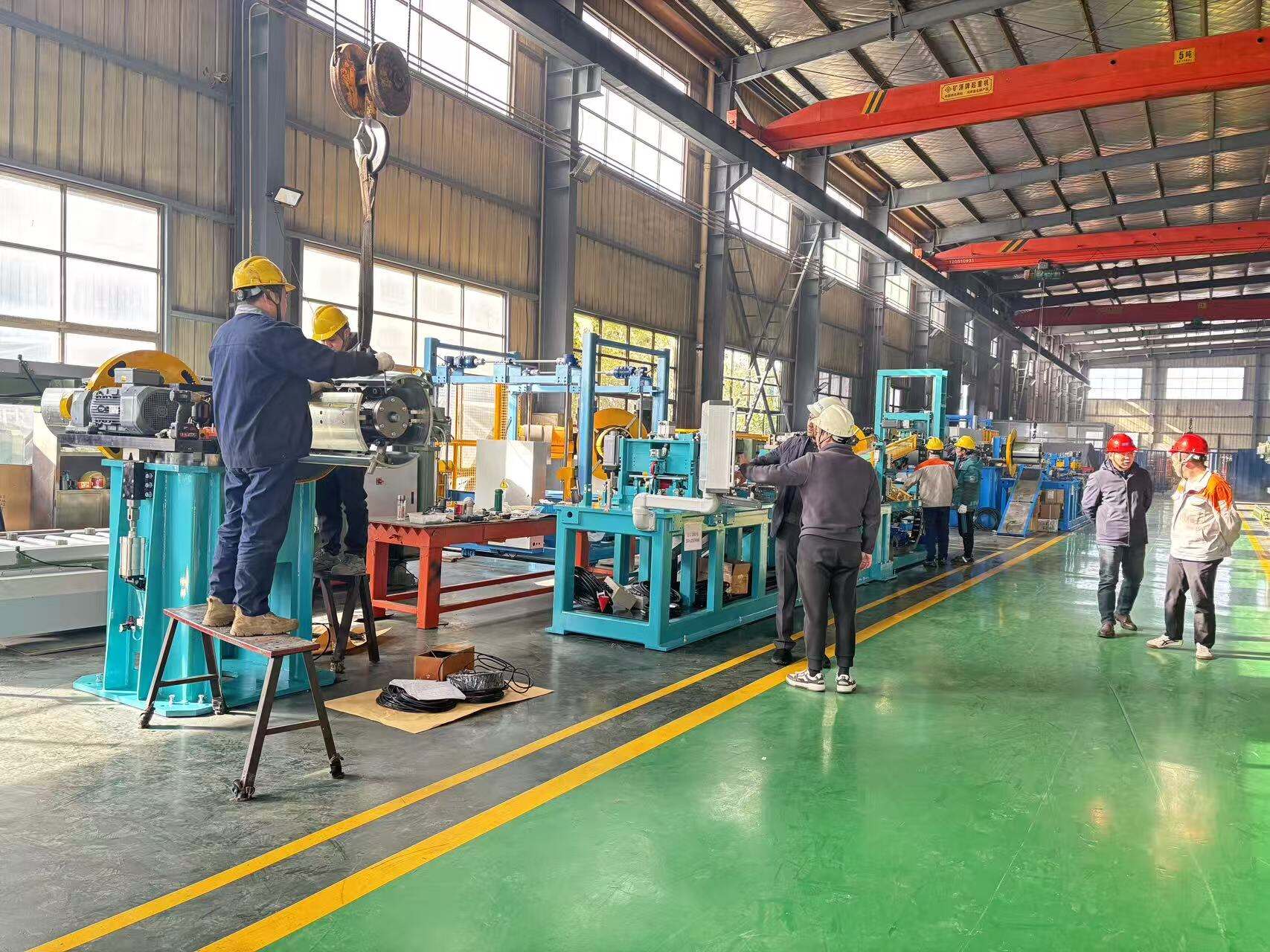
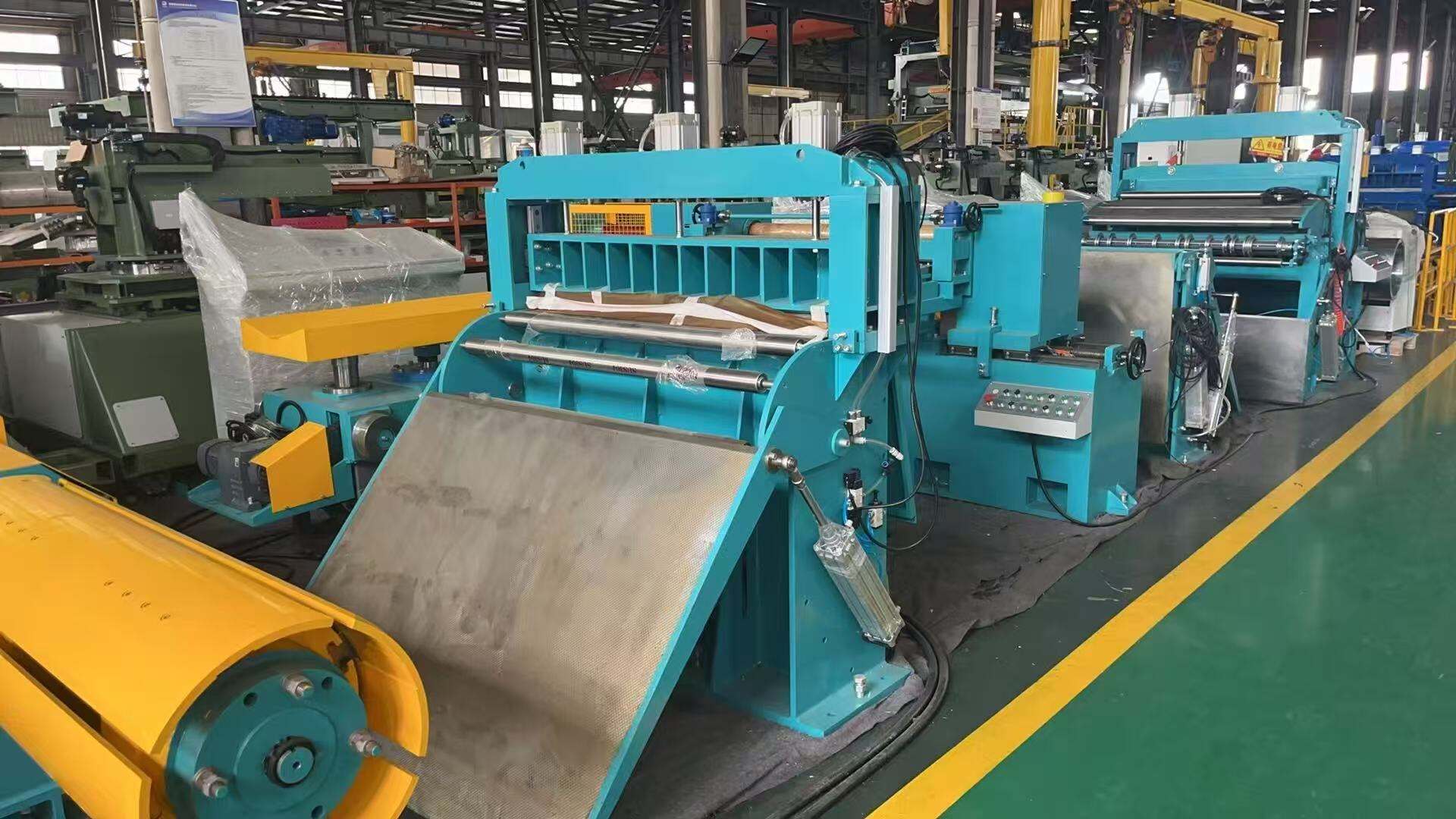
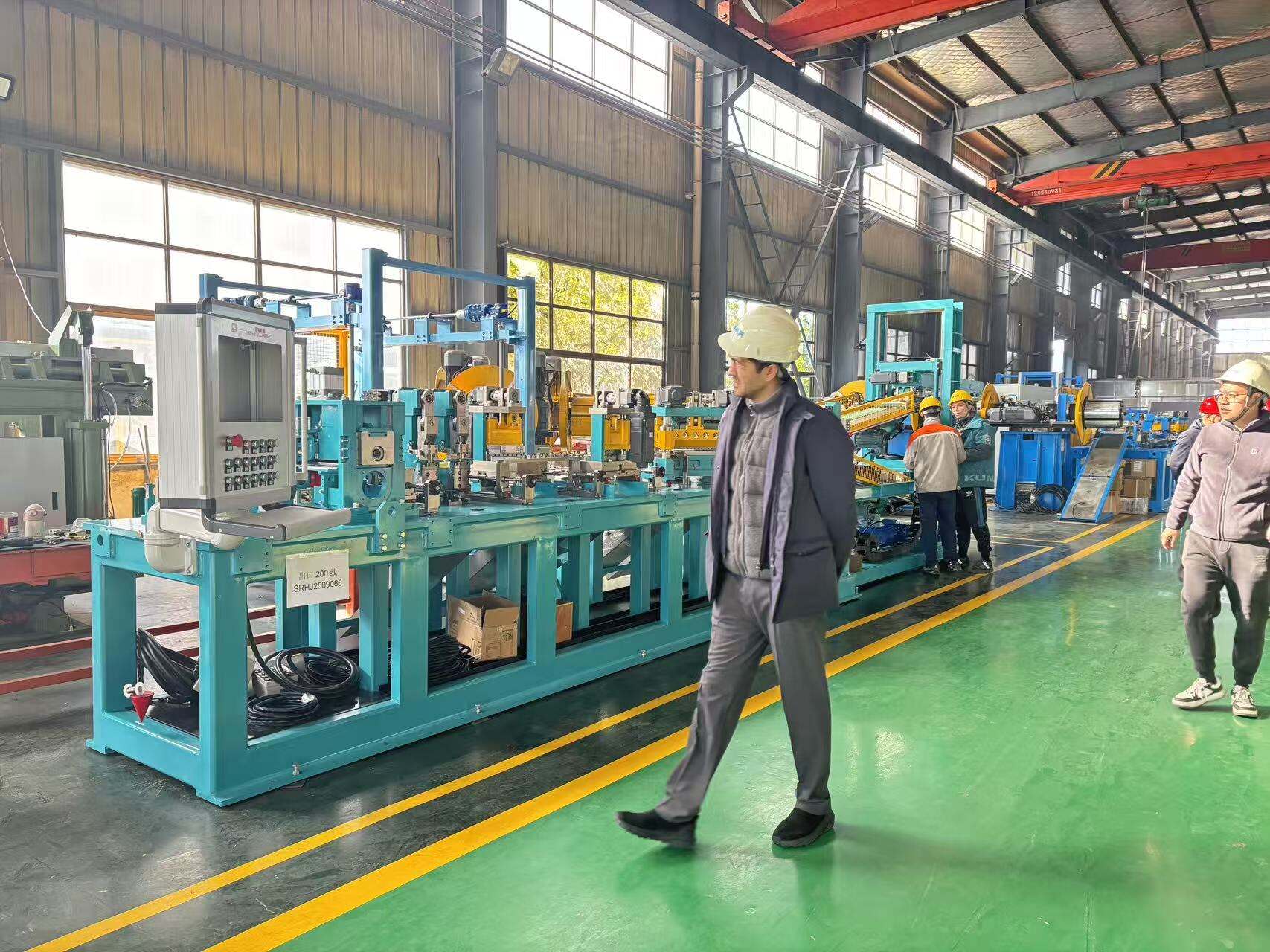
A cut to length line machine represents an essential piece of industrial equipment designed to transform large coils of metal into precisely measured flat sheets. This sophisticated manufacturing system combines multiple processing stages to deliver accurate, high-quality metal sheets that meet exact specifications. The machine accepts raw material in coil form, typically steel, aluminum, stainless steel, or other metal alloys, and processes them through a series of automated stations. The primary function of a cut to length line machine involves uncoiling the metal, flattening it to remove inherent coil set and stress, measuring it with precision sensors, and cutting it into predetermined lengths. Modern cut to length line machine systems incorporate advanced technology such as programmable logic controllers, servo-driven mechanisms, and sophisticated measurement systems that ensure consistent results across thousands of cuts. The technological features include hydraulic or mechanical straightening rollers that eliminate material deformation, precision feeding systems that maintain exact positioning, and high-speed cutting mechanisms capable of processing various material thicknesses. These machines find applications across diverse industries including automotive manufacturing, construction, appliance production, electrical equipment fabrication, and metal distribution centers. The cut to length line machine streamlines production workflows by automating what would otherwise require manual measuring, cutting, and quality control processes. Integration capabilities allow these systems to connect with warehouse management software and production planning systems, creating seamless manufacturing operations. The versatility of a cut to length line machine enables processors to handle different material grades, widths ranging from narrow strips to wide plates, and thicknesses from thin gauge to heavy plate. Investment in this equipment transforms metal processing operations by significantly increasing throughput, reducing material waste, improving dimensional accuracy, and lowering labor costs while maintaining consistent product quality that meets stringent customer requirements.
 ×
×


 EN
EN