User-Friendly Operation with Minimal Training Requirements
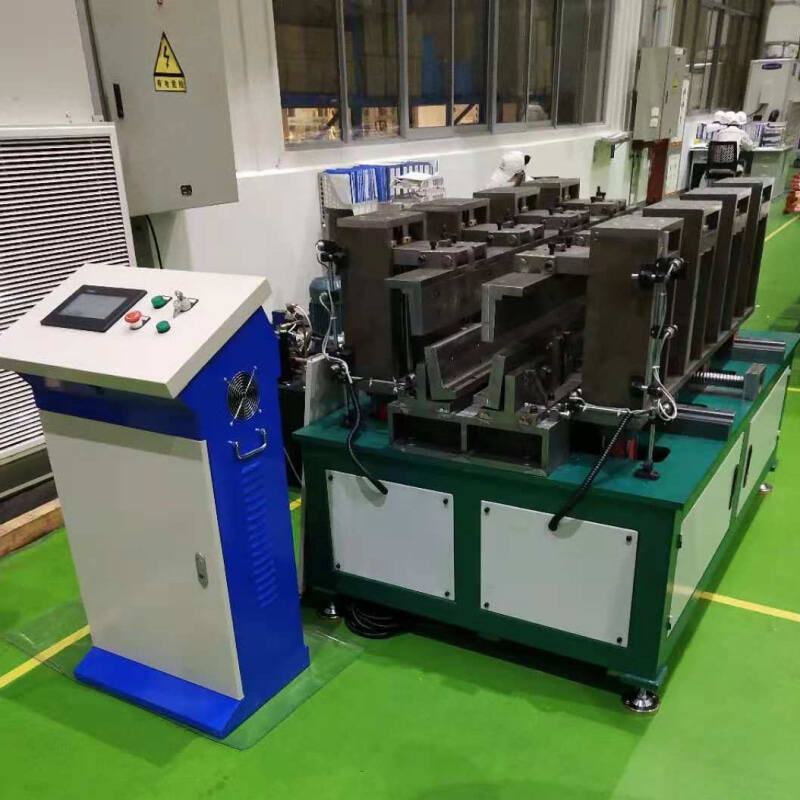
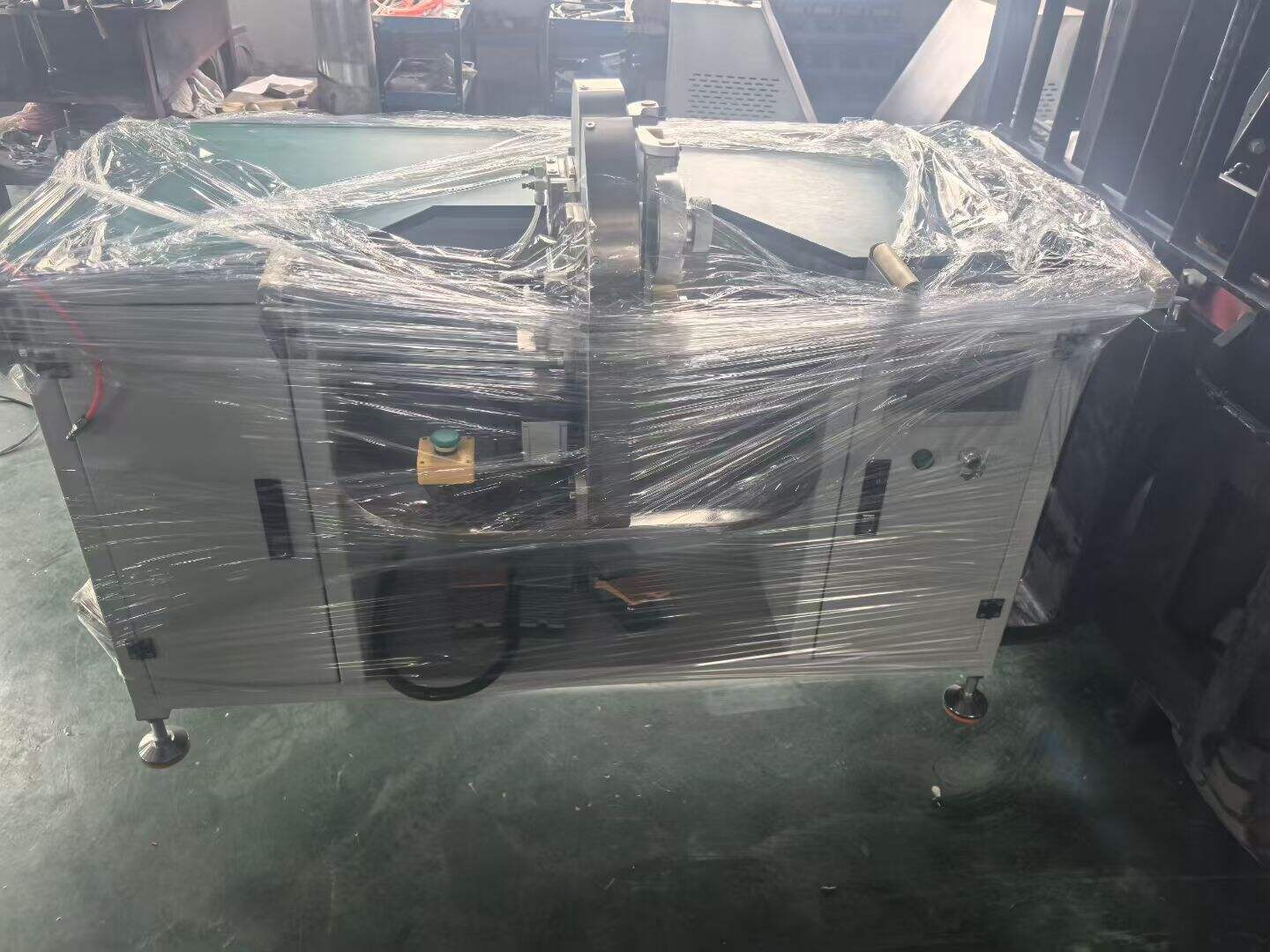
The user-friendly operation of modern mini transformer winding machines represents a deliberate design philosophy that recognizes the diverse backgrounds of potential operators, from experienced electronics technicians to workshop apprentices or educational students encountering transformer production for the first time. Manufacturers have invested significant engineering effort into creating intuitive control interfaces that present complex winding parameters through clear, logical menu systems accessible via digital displays and straightforward button layouts. The typical learning progression allows a complete novice to execute basic winding operations within the first hour of use, progress to programming custom winding patterns by the end of the first day, and achieve proficiency in handling production challenges within the first week. This compressed learning timeline contrasts sharply with traditional manual winding skills that might require months of practice to develop consistent quality and reasonable speed. The visual feedback provided by digital displays keeps operators informed throughout the winding process, showing current turn count, remaining turns in the sequence, active speed setting, and operational status indicators. Many machines incorporate color-coded status lights that instantly communicate machine state: green for normal operation, yellow for attention-required conditions like low wire supply, and red for error states requiring intervention. This immediate visual communication reduces monitoring burden and allows operators to manage other tasks while the machine completes programmed sequences. The programming interface typically employs hierarchical menu structures that guide users through parameter entry in logical sequences, preventing the omission of critical specifications. Intuitive prompts request information in the order needed, such as starting with core size, then wire gauge, followed by turn counts for each layer, winding direction specifications, and finally speed preferences. Context-sensitive help functions provide guidance when operators pause during programming, explaining parameter implications and offering recommended values based on selected wire and core combinations. Many advanced machines include built-in memory banks storing dozens or even hundreds of complete winding programs, each recalled by simple name or number selection, eliminating reprogramming for repeat production runs. Safety considerations integrate seamlessly into the operational design, with emergency stop buttons positioned for immediate access, protective covers that halt machine operation when opened, and wire break detection systems that stop winding automatically when supply issues occur. These safety features protect both operators and work in progress, preventing accidents while minimizing material waste from undetected problems. The maintenance requirements remain deliberately simple, with accessible lubrication points clearly marked, routine cleaning procedures explained in straightforward language, and consumable components like tensioning springs or guides designed for tool-free replacement. Comprehensive user manuals typically include troubleshooting flowcharts that help operators diagnose and resolve common issues without requiring technician callouts, reducing downtime and operating costs.
 ×


 EN