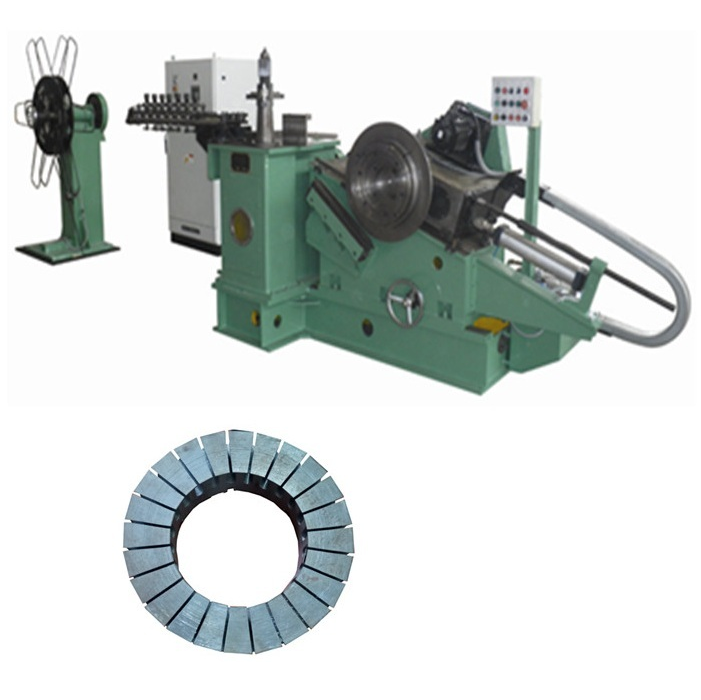
Synthesis Coil Winding Machine: Advanced Automated Winding Solutions for Precision Electromagnetic Component Manufacturing

Get a Free Quote

Our representative will contact you soon.
Email
Name
Mobile/WhatsApp
Company Name
Message
0/1000

synthesis coil winding machine

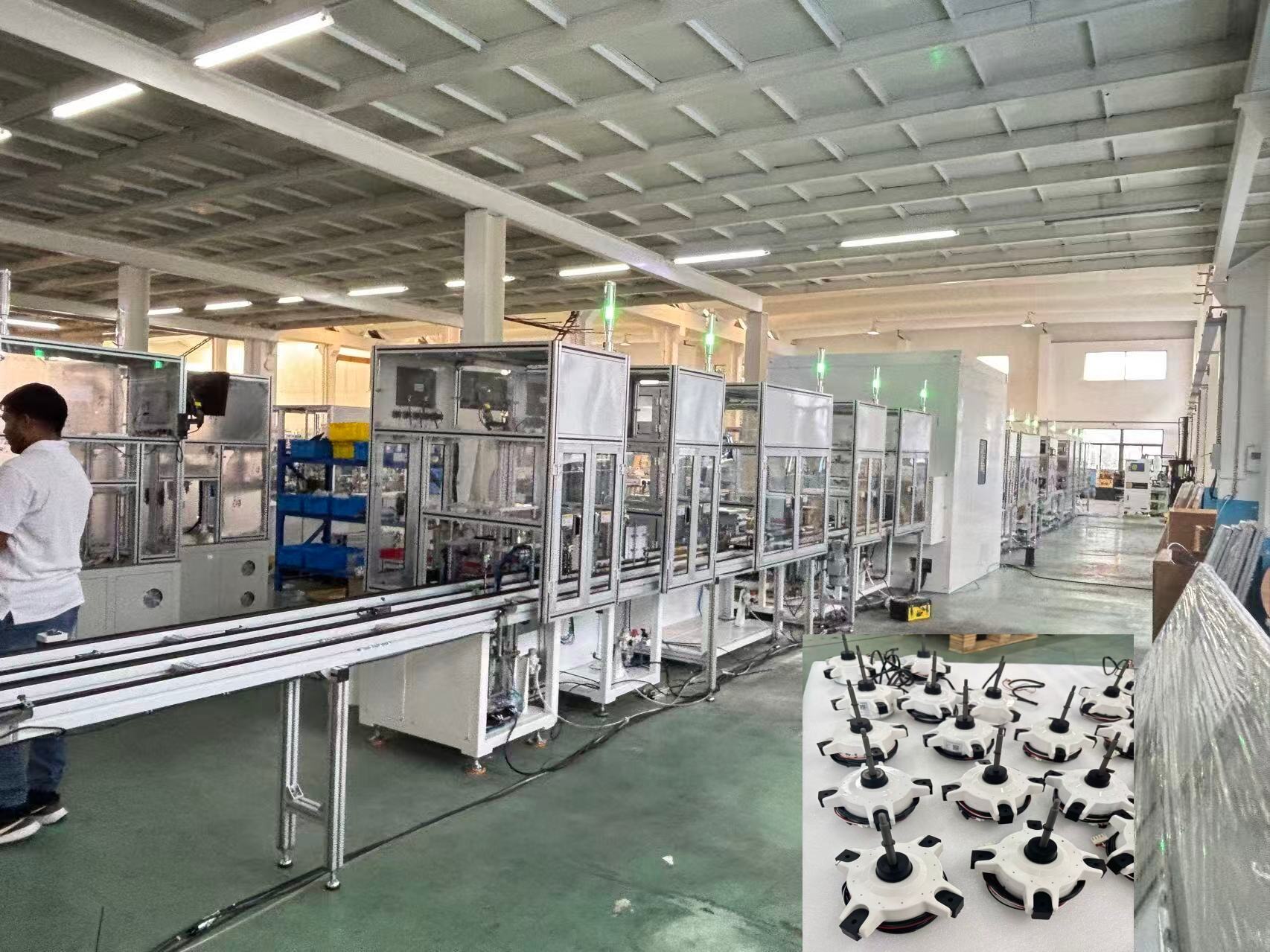
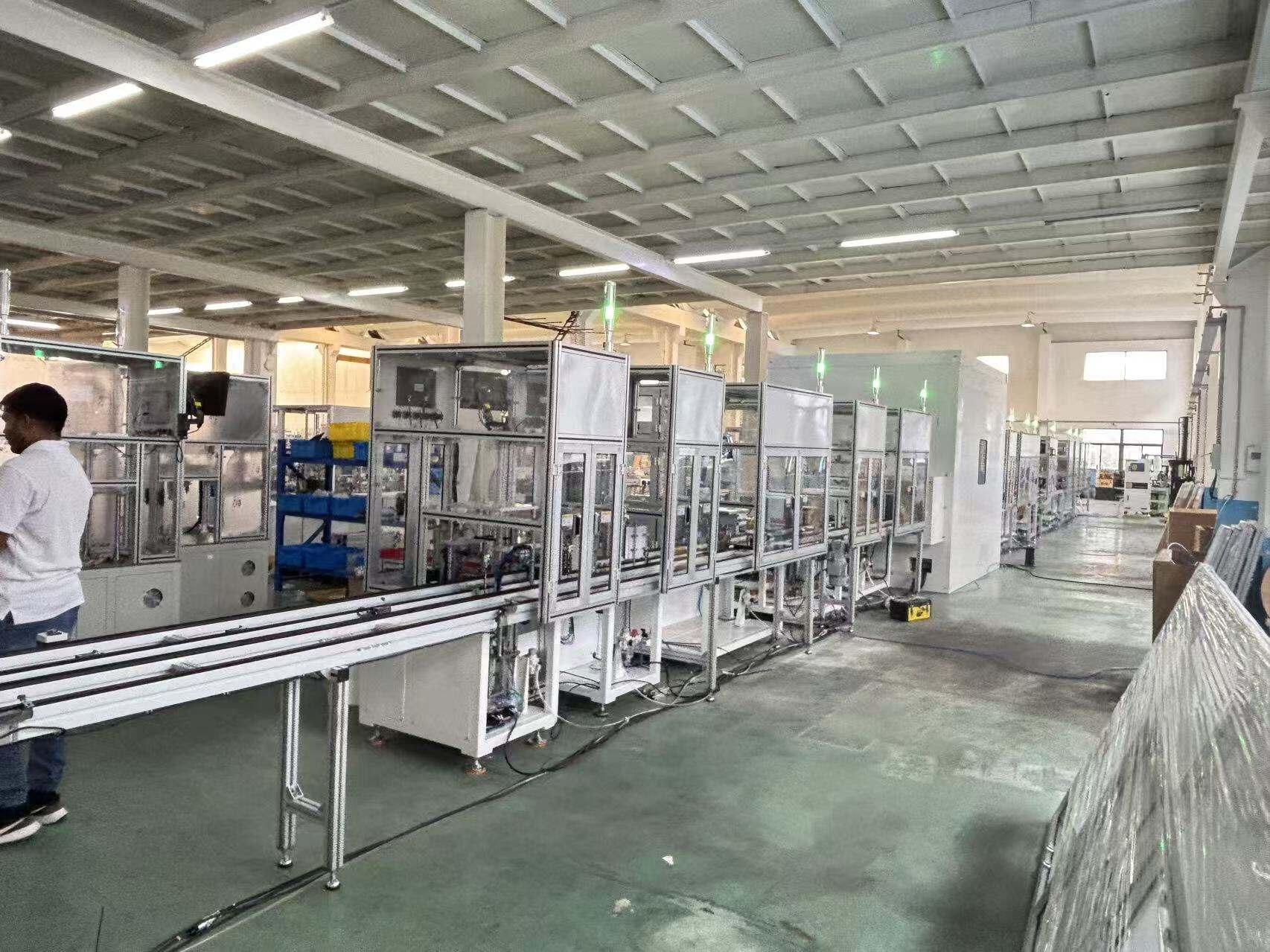
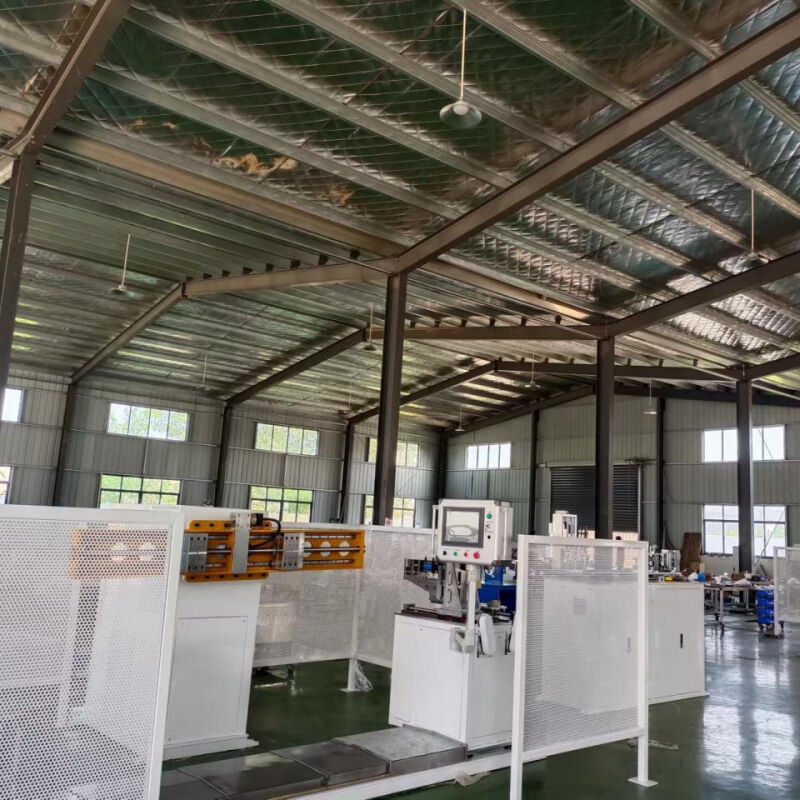
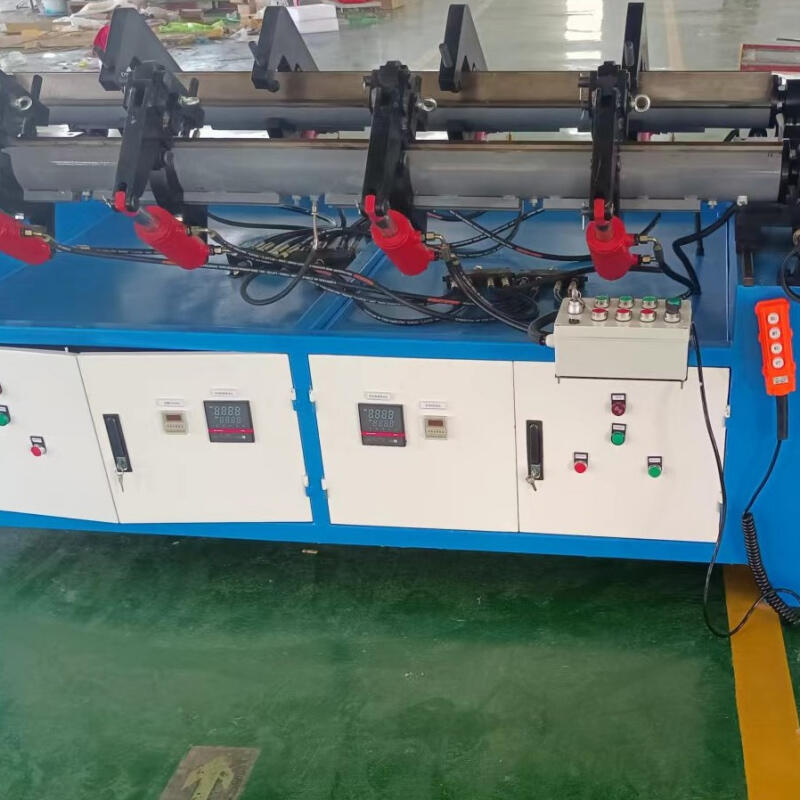
The synthesis coil winding machine represents a transformative advancement in electromagnetic component manufacturing, designed to automate the complex process of winding copper wire around various core materials to create inductors, transformers, motors, and other electrical components. This sophisticated equipment integrates precision mechanics with intelligent control systems to deliver consistent, high-quality coil production across diverse industrial applications. At its core, the synthesis coil winding machine combines multiple winding techniques within a single platform, enabling manufacturers to handle different wire gauges, winding patterns, and core geometries without requiring separate dedicated machines. The main functions of this equipment include automated wire feeding, tension control, programmable winding patterns, layer insulation application, and quality verification systems that ensure every coil meets exact specifications. Technologically, these machines feature advanced servo motor systems that provide exceptional positioning accuracy, typically within 0.01mm tolerances, ensuring uniform winding density and consistent electrical characteristics. The control interface typically incorporates touchscreen displays with intuitive programming capabilities, allowing operators to store hundreds of different winding recipes and switch between production runs with minimal downtime. Modern synthesis coil winding machines also incorporate vision systems for automatic wire positioning and defect detection, significantly reducing human error and improving overall production yield. The applications for synthesis coil winding machine technology span numerous industries, including automotive manufacturing for ignition coils and sensor components, renewable energy sector for wind turbine generators and solar inverters, consumer electronics for smartphone charging coils and wireless power transfer systems, industrial automation for servo motor windings, medical equipment for MRI gradient coils and therapeutic devices, and aerospace applications requiring lightweight, high-performance electromagnetic components. The versatility of the synthesis coil winding machine makes it an essential investment for manufacturers seeking to optimize production efficiency while maintaining the flexibility to adapt to changing market demands and evolving product specifications across multiple sectors.

New Product Recommendations

Investing in a synthesis coil winding machine delivers substantial practical benefits that directly impact your manufacturing operations and bottom line. First and foremost, this equipment dramatically increases production speed compared to manual winding methods, with modern machines capable of producing 300 to 500 coils per hour depending on complexity, representing a productivity improvement of 600 to 800 percent over traditional hand-winding techniques. This acceleration in output allows you to fulfill larger orders, reduce lead times, and respond more quickly to customer demands without expanding your workforce. The precision offered by automated winding systems ensures every coil meets identical specifications, eliminating the variations inherent in manual processes where individual operator technique affects final product quality. This consistency reduces rejection rates, minimizes material waste, and enhances your reputation for reliability among customers who depend on predictable component performance. Labor cost savings represent another significant advantage, as a single trained operator can oversee multiple synthesis coil winding machines simultaneously, reallocating skilled workers to higher-value tasks while the machines handle repetitive winding operations autonomously. The programmable nature of these systems means transitioning between different product types requires only loading a new recipe rather than reconfiguring hardware or retraining personnel, dramatically reducing changeover times from hours to mere minutes. Safety improvements also merit consideration, as automated winding removes operators from potential hazards associated with high-speed rotating machinery and eliminates repetitive strain injuries common in manual coil production. The data collection capabilities built into modern synthesis coil winding machines provide valuable insights into production efficiency, allowing you to identify bottlenecks, predict maintenance needs before failures occur, and continuously optimize your manufacturing processes based on actual performance metrics rather than estimates. Material utilization improves significantly because precise tension control and accurate wire placement minimize waste, with typical material savings of 8 to 12 percent compared to manual methods, creating substantial cost reductions on high-volume production runs. The scalability of synthesis coil winding machine technology means your initial investment continues delivering value as your business grows, with software updates and modular hardware additions extending machine capabilities without requiring complete equipment replacement. Quality documentation becomes automatic, with machines recording every parameter for each coil produced, providing complete traceability that satisfies demanding quality standards in regulated industries and simplifies certification processes. The compact footprint of modern synthesis coil winding machines maximizes your facility utilization, often occupying less space than manual workstations while delivering far greater output, allowing you to increase production capacity without expensive facility expansion.

Practical Tips

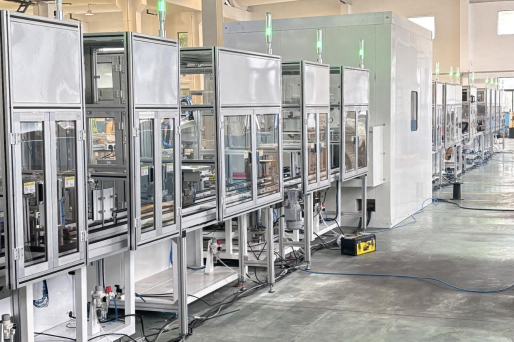
January 15th, 2026 Air Conditioner BLDC Motor Production line Dispatch to India

08

Apr

January 15th, 2026 Air Conditioner BLDC Motor Production line Dispatch to India

View More
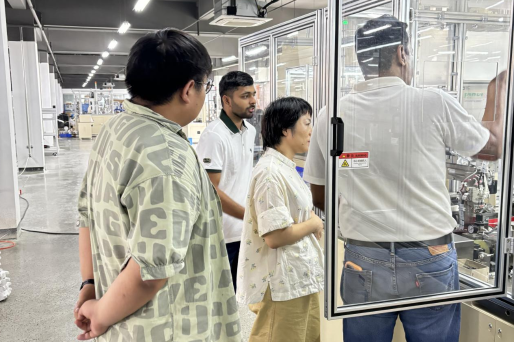
August 30th, 2025, 45W Air conditioner ODU BLDC motor Assembly line Inspection From India customer

08

Apr

August 30th, 2025, 45W Air conditioner ODU BLDC motor Assembly line Inspection From India customer

View More
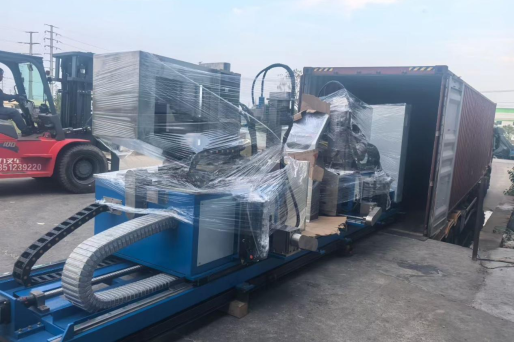
January 5th , 2026 CNC Coil Forming Machine For High Voltage Motors dispatched to UZ (Uzbekistan)

07

Apr

January 5th , 2026 CNC Coil Forming Machine For High Voltage Motors dispatched to UZ (Uzbekistan)

View More

Get a Free Quote

Our representative will contact you soon.
Email
Name
Mobile/WhatsApp
Company Name
Message
0/1000

synthesis coil winding machine

Advanced Multi-Axis Control System for Complex Winding Patterns

Advanced Multi-Axis Control System for Complex Winding Patterns

The synthesis coil winding machine incorporates a sophisticated multi-axis control system that revolutionizes how manufacturers approach complex coil geometries and intricate winding patterns previously considered too difficult or time-consuming for automated production. This technological feature represents the convergence of precision servo motor technology, real-time computational processing, and intelligent motion algorithms that work in concert to execute winding operations with unprecedented accuracy and repeatability. The system typically integrates four to six independently controlled axes, including wire feed direction, tensioning mechanism, spindle rotation, traverse movement, and programmable wire guides that can adjust positioning dynamically throughout the winding process. This multi-dimensional control capability enables the synthesis coil winding machine to produce challenging configurations such as toroidal coils that require threading wire through the center of ring-shaped cores, orthocyclic winding patterns where each wire layer nests perfectly into the grooves of the previous layer for maximum space efficiency and optimal electrical performance, and variable pitch winding where wire spacing changes progressively to achieve specific inductance profiles or mechanical characteristics. The importance of this advanced control system extends beyond merely replicating what skilled technicians could achieve manually; it unlocks entirely new design possibilities that would be impractical or impossible through traditional methods. Engineers can now specify coil designs optimized for electrical performance without constraining themselves to geometries suited to manual production, knowing the synthesis coil winding machine can reliably manufacture even the most demanding specifications. The value this brings to potential customers manifests in multiple dimensions: product differentiation through unique coil designs that competitors cannot easily replicate, improved component performance through precision winding that maximizes fill factors and minimizes parasitic effects, and expanded market opportunities by making previously uneconomical custom coil production financially viable. The programming interface for this multi-axis control system employs intuitive graphical methods where operators can visualize the winding pattern in three-dimensional simulations before committing to production, dramatically reducing the trial-and-error typically required when developing new coil designs. The synthesis coil winding machine stores these validated programs in comprehensive libraries, enabling instant recall for repeat orders and facilitating knowledge retention that protects manufacturers from disruptions caused by personnel changes. This capability proves especially valuable for companies serving diverse markets with varying coil requirements, as the same machine adapts seamlessly across product lines without mechanical reconfiguration or lengthy setup procedures.
Intelligent Tension Management for Optimal Wire Properties

Intelligent Tension Management for Optimal Wire Properties

The synthesis coil winding machine distinguishes itself through its intelligent tension management system, a critical feature that directly determines final coil quality, electrical characteristics, and long-term reliability in demanding applications. Wire tension during winding might seem like a minor technical detail, but it profoundly influences numerous coil properties including structural integrity, electrical resistance, mechanical durability under vibration and thermal cycling, and the overall consistency of component performance across production batches. Traditional winding methods rely on operator feel and experience to maintain appropriate tension, leading to significant variations that compromise quality and create unpredictable failure modes in finished products. The synthesis coil winding machine eliminates this variability through closed-loop tension control systems that continuously monitor wire tension via precision load cells and make instantaneous adjustments to maintain programmed values within extremely tight tolerances, typically plus or minus 2 percent throughout entire winding cycles. This constant vigilance ensures every turn of wire receives identical treatment regardless of how wire properties might vary due to manufacturing tolerances in the wire itself, temperature fluctuations in the production environment, or changes in winding geometry as coil diameter increases with successive layers. The system automatically compensates for these variables, maintaining optimal tension that prevents both excessive tightness that could damage wire insulation or deform core materials and insufficient tension that creates loose windings prone to shifting during subsequent handling or operation. The importance of this intelligent tension management becomes particularly evident in applications where coil reliability cannot be compromised, such as automotive safety systems, medical life-support equipment, and aerospace flight control components where failure consequences range from costly warranty claims to catastrophic safety incidents. For potential customers, this feature delivers tangible value through dramatically reduced field failure rates, with properly tensioned coils exhibiting 40 to 60 percent longer operational lifespans in accelerated life testing compared to coils wound with variable tension. The synthesis coil winding machine achieves these results while simultaneously improving manufacturing efficiency, as consistent tension reduces the need for post-winding quality inspections and rework, allowing more products to proceed directly to subsequent assembly operations. The economic impact extends throughout your entire value chain: procurement benefits from reduced warranty reserves, engineering gains confidence to push performance boundaries knowing manufacturing can consistently deliver design specifications, quality assurance resources focus on improvement initiatives rather than firefighting defect issues, and sales teams leverage superior reliability as a competitive differentiator that justifies premium pricing. The tension management system also interfaces with the machine's data logging capabilities, recording complete tension profiles for every coil produced and enabling statistical process control methodologies that identify subtle drift in manufacturing conditions before they manifest as quality problems, transforming the synthesis coil winding machine from merely a production tool into a comprehensive quality assurance system.
Modular Design Architecture for Future-Proof Investment Protection

Modular Design Architecture for Future-Proof Investment Protection

The synthesis coil winding machine employs a modular design architecture that fundamentally differentiates it from traditional single-purpose winding equipment, providing potential customers with exceptional investment protection and long-term value retention even as product requirements evolve and manufacturing technologies advance. This architectural approach structures the machine as a collection of functionally independent subsystems that integrate through standardized mechanical and electrical interfaces, allowing individual components to be upgraded, replaced, or reconfigured without rendering the entire system obsolete. The core framework provides robust mechanical precision and fundamental motion control, while modular elements such as wire feeding mechanisms, tensioning systems, programmable wire guides, and specialized tooling attachments can be exchanged to accommodate different production needs. This modularity delivers immediate practical benefits during initial deployment, as manufacturers can configure their synthesis coil winding machine precisely for current production requirements without paying for capabilities they do not yet need, then systematically add functionality as business opportunities emerge. A company initially focused on simple single-layer solenoid coils can begin with a basic configuration, then later incorporate automatic tape wrapping modules when expanding into transformer production, add vision inspection systems when pursuing automotive certification requiring enhanced quality documentation, or integrate robotic loading systems when production volumes justify full automation. The importance of this modular architecture becomes increasingly apparent over the typical 10 to 15 year operational lifespan of industrial equipment, during which technological capabilities advance substantially and market demands shift in unpredictable directions. Traditional monolithic machines become progressively obsolete, forcing manufacturers into difficult decisions between continuing with outdated capabilities that compromise competitiveness or making entirely new capital investments that write off remaining value in existing equipment. The synthesis coil winding machine escapes this dilemma through its upgrade path that preserves the substantial investment in precision mechanical systems and proven control platforms while incorporating latest-generation technologies in specific subsystems where advances deliver meaningful performance improvements. This approach provides customers with genuine future-proofing that protects capital investments while maintaining technological competitiveness throughout extended ownership periods. The financial value proposition extends beyond avoiding premature obsolescence to encompass reduced spare parts inventory requirements, as modular subsystems share common components across different configuration variants, simplified maintenance procedures where technicians develop deep expertise in standardized modules rather than learning entirely new systems with each equipment generation, and enhanced production flexibility that allows the same synthesis coil winding machine to serve multiple product lines through quick-change tooling rather than requiring dedicated machines for each coil family. The modular architecture also facilitates phased capital expenditure planning, distributing investments over time as revenue from new capabilities funds subsequent upgrades rather than demanding large upfront commitments before revenue materialization, an approach particularly valuable for growing manufacturers managing cash flow carefully while building production capacity.

Get a Free Quote

Our representative will contact you soon.
Email
Name
Mobile/WhatsApp
Company Name
Message
0/1000