Small Transformer Coil Winding Machine - Precision Automated Winding Solutions for Efficient Transformer Manufacturing

Get a Free Quote

Our representative will contact you soon.
Email
Name
Mobile/WhatsApp
Company Name
Message
0/1000

small transformer coil winding machine

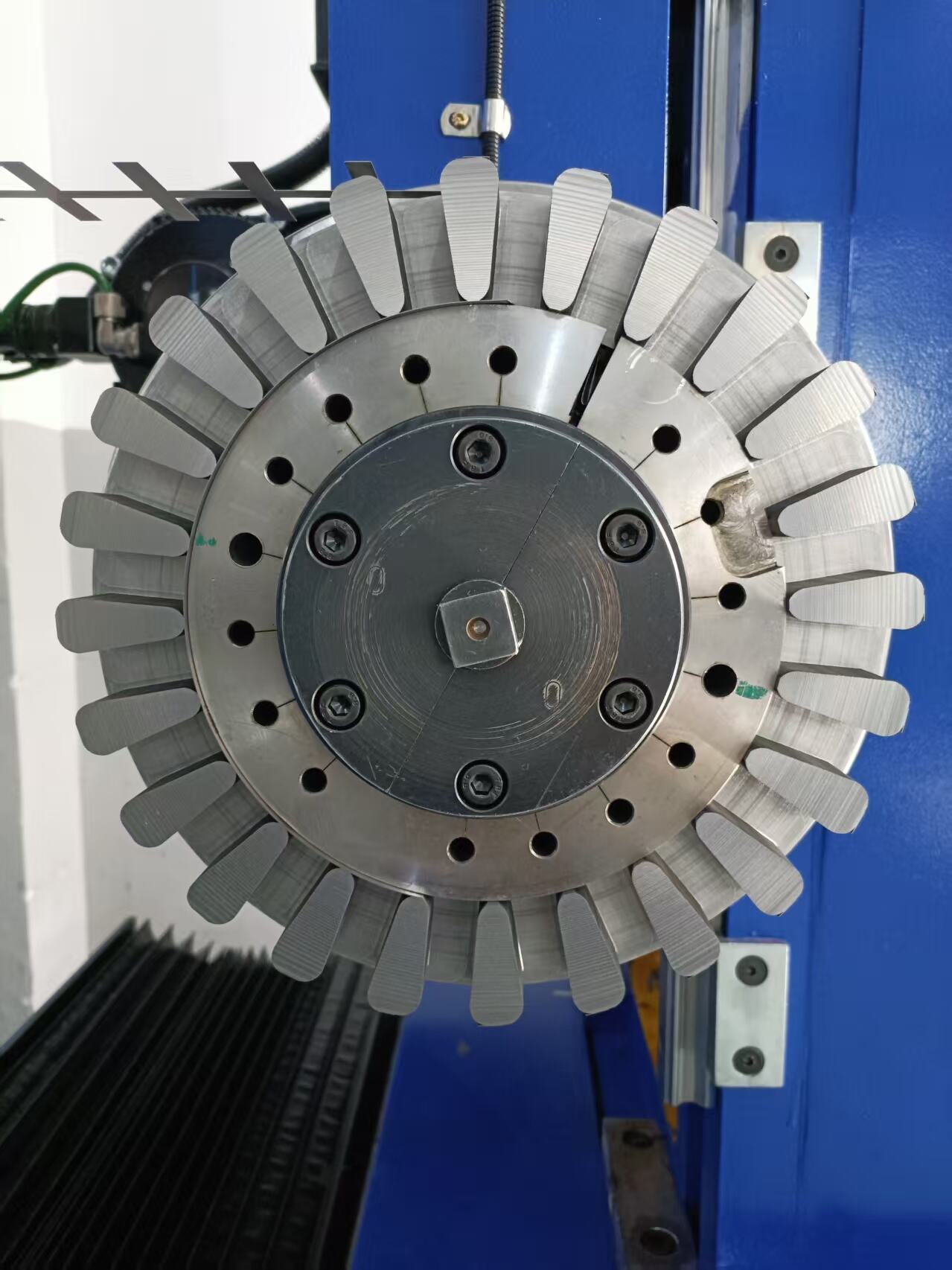
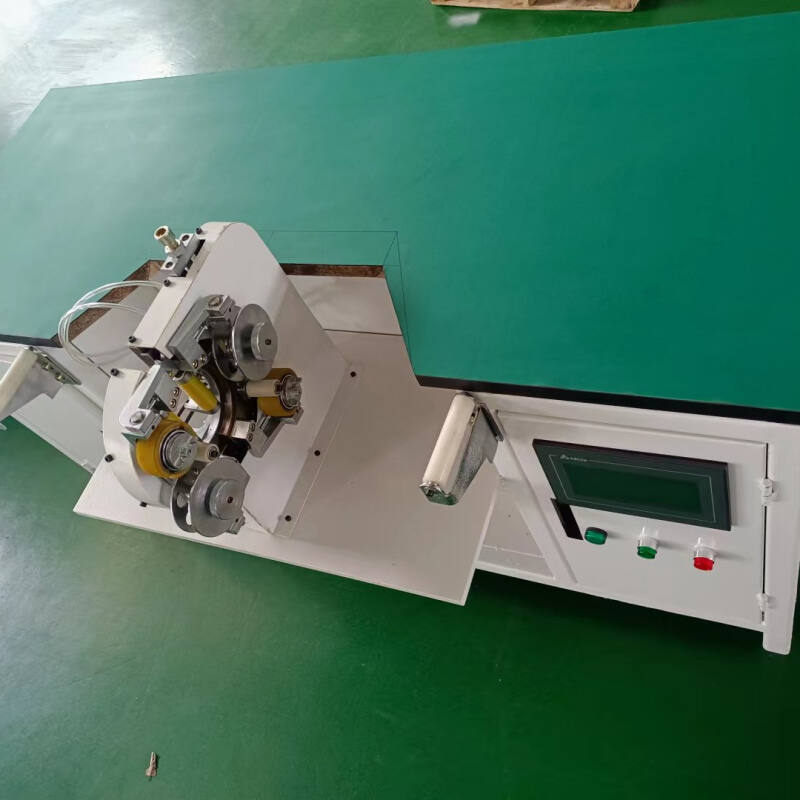
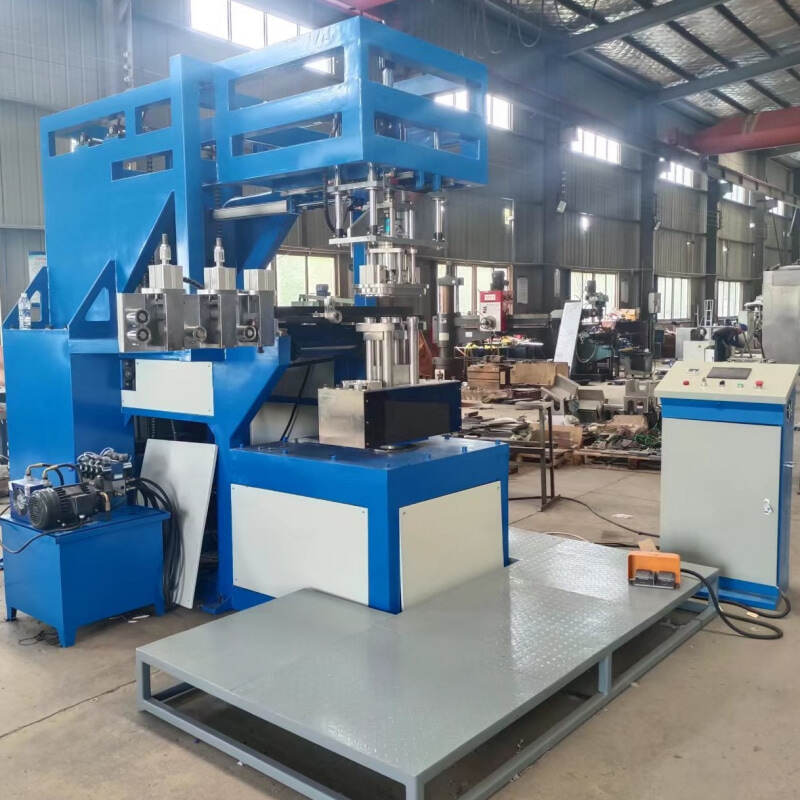
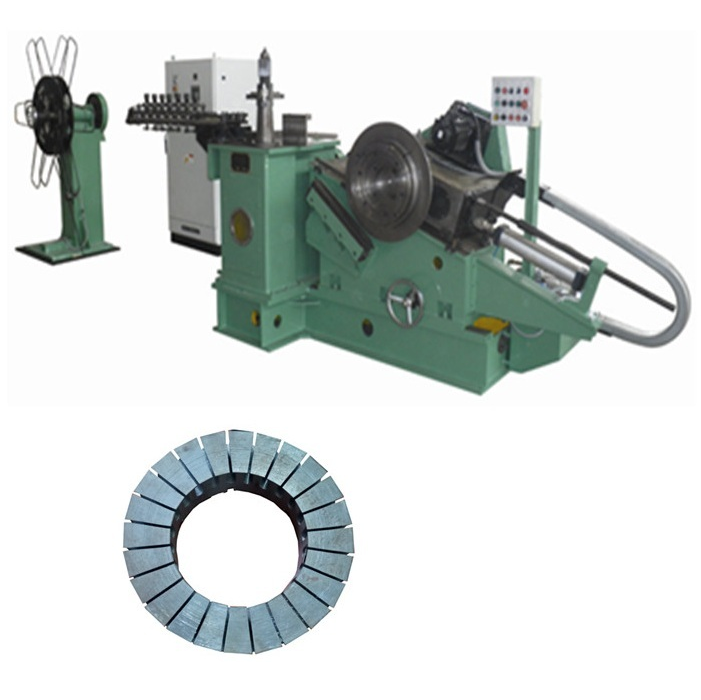
The small transformer coil winding machine represents a specialized piece of equipment designed to automate the process of winding copper or aluminum wire around transformer cores with precision and efficiency. This compact manufacturing solution serves as an essential tool for producing various types of transformers, including power transformers, distribution transformers, and specialty transformers used across multiple industries. The primary function of a small transformer coil winding machine involves controlling wire tension, rotation speed, and winding patterns to create uniform, tightly wound coils that meet exact specifications. These machines feature programmable controllers that allow operators to set parameters such as the number of turns, wire gauge, winding direction, and layer configuration. Modern small transformer coil winding machines incorporate advanced technological features including digital displays for real-time monitoring, automatic wire tensioning systems, adjustable winding speeds ranging from slow precision work to high-speed production runs, and servo motor controls that ensure consistent performance throughout the manufacturing process. The equipment typically includes a spindle assembly for holding the transformer core, a wire guide mechanism that positions the conductor accurately, and safety features that protect operators during operation. Applications for these machines span numerous sectors including electronics manufacturing, renewable energy systems, automotive components, medical equipment, telecommunications infrastructure, and industrial automation. Small-scale manufacturers, repair workshops, research facilities, and educational institutions particularly benefit from these compact winding solutions. The machines handle various core shapes including toroidal, E-core, and custom configurations, making them versatile tools for diverse production requirements. Their space-saving design makes them suitable for facilities with limited floor space while still delivering professional-grade results. The small transformer coil winding machine streamlines production workflows, reduces manual labor requirements, and significantly improves the consistency and quality of finished transformer coils compared to hand-winding methods.

New Products

Investing in a small transformer coil winding machine delivers substantial practical benefits that directly impact your production capabilities and bottom line. First and foremost, these machines dramatically increase production speed compared to manual winding techniques, allowing you to complete projects in a fraction of the time while maintaining superior quality standards. This efficiency gain means you can take on more orders, shorten delivery times, and improve customer satisfaction without expanding your workforce. The precision offered by automated winding eliminates human error and inconsistencies that commonly occur with hand-winding, resulting in transformer coils with uniform tension, accurate turn counts, and predictable electrical characteristics. This consistency reduces rejection rates, minimizes material waste, and ensures that every unit meets your quality specifications. The cost savings extend beyond reduced labor expenses, as the machine optimizes wire usage and prevents the costly mistakes that require rework or material replacement. Operators can quickly learn to use these machines thanks to intuitive controls and straightforward programming interfaces, requiring minimal training time before achieving productive output. The compact footprint of small transformer coil winding machines makes them ideal for workshops with limited space, allowing you to establish or expand transformer manufacturing capabilities without requiring facility renovations or additional real estate. These machines significantly reduce physical strain on workers by eliminating the repetitive hand motions associated with manual winding, creating a safer and more comfortable working environment while reducing the risk of repetitive stress injuries. The versatility of these machines allows you to handle various wire gauges, core sizes, and winding patterns with simple adjustments, giving you the flexibility to accommodate diverse customer requirements and explore new product opportunities without purchasing multiple specialized machines. Energy efficiency represents another practical advantage, as modern small transformer coil winding machines consume minimal power while delivering maximum performance, keeping operational costs manageable. The durability and reliability of quality machines ensure years of dependable service with minimal maintenance requirements, protecting your investment and avoiding unexpected downtime. Many models offer programmable memory functions that store frequently used winding specifications, enabling quick setup changes between different projects and reducing the time spent on machine configuration. The professional results achieved with these machines enhance your company reputation, helping you compete more effectively against larger manufacturers while maintaining the personalized service advantages of a smaller operation. Overall, a small transformer coil winding machine transforms your production capabilities, enabling you to deliver higher quality products more efficiently while controlling costs and positioning your business for sustainable growth in competitive markets.

Practical Tips

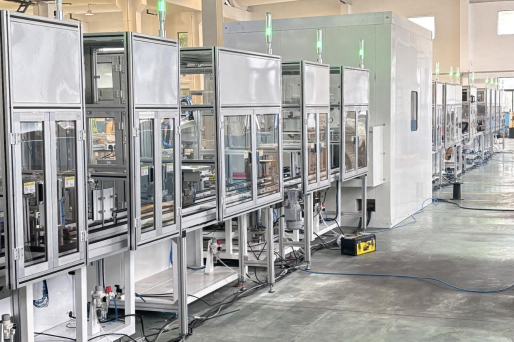
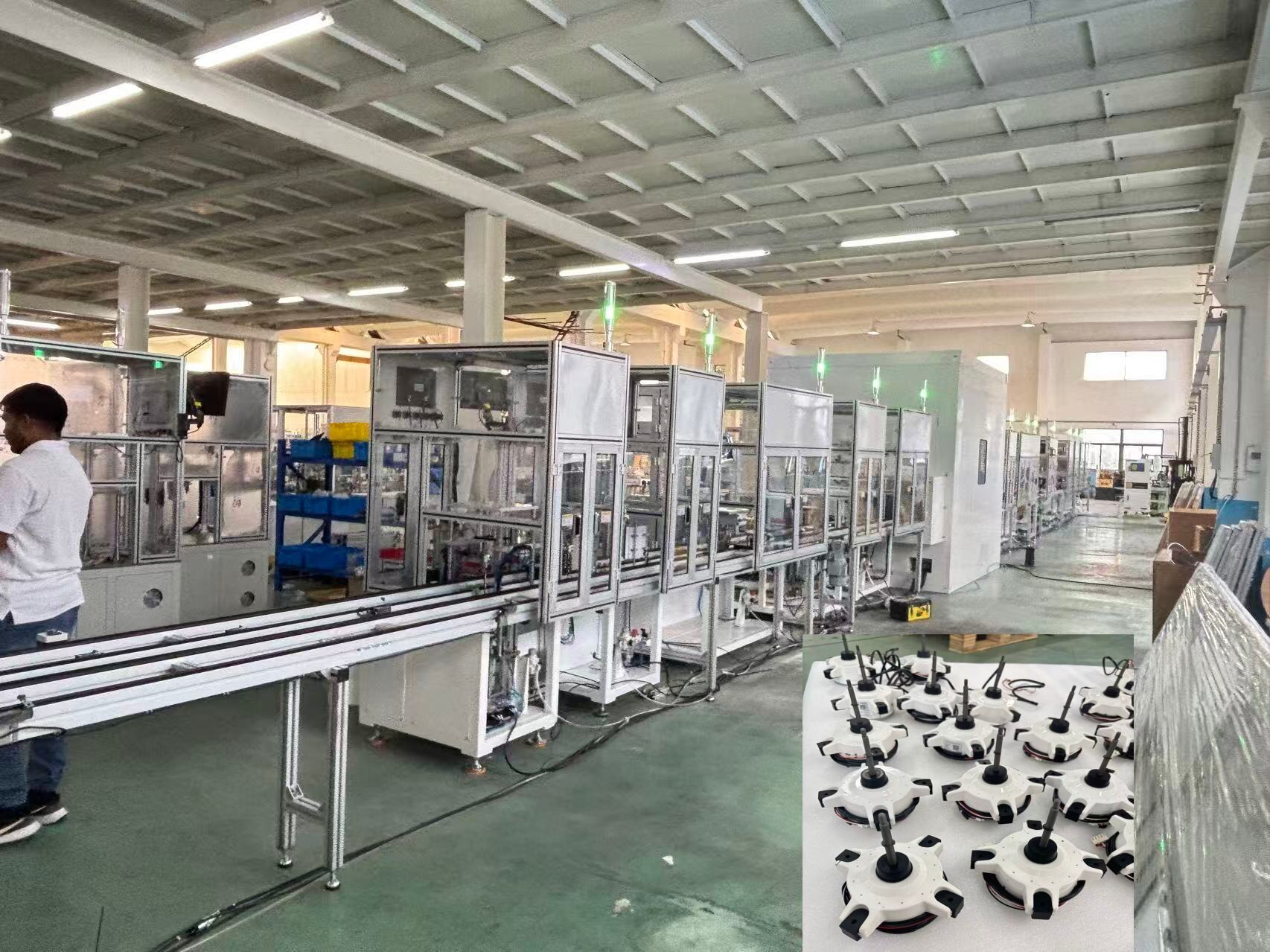
January 15th, 2026 Air Conditioner BLDC Motor Production line Dispatch to India

08

Apr

January 15th, 2026 Air Conditioner BLDC Motor Production line Dispatch to India

View More
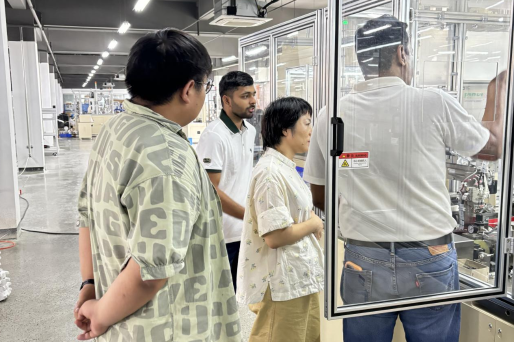
August 30th, 2025, 45W Air conditioner ODU BLDC motor Assembly line Inspection From India customer

08

Apr

August 30th, 2025, 45W Air conditioner ODU BLDC motor Assembly line Inspection From India customer

View More
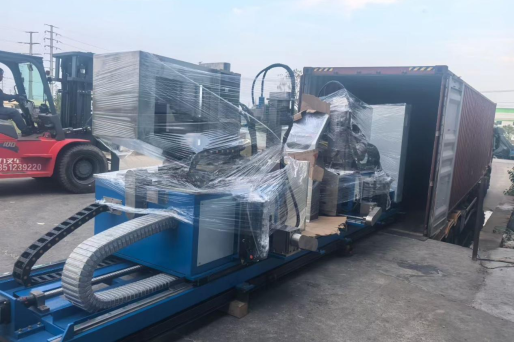
January 5th , 2026 CNC Coil Forming Machine For High Voltage Motors dispatched to UZ (Uzbekistan)

07

Apr

January 5th , 2026 CNC Coil Forming Machine For High Voltage Motors dispatched to UZ (Uzbekistan)

View More

Get a Free Quote

Our representative will contact you soon.
Email
Name
Mobile/WhatsApp
Company Name
Message
0/1000

small transformer coil winding machine

Advanced Precision Control Technology

Advanced Precision Control Technology

The small transformer coil winding machine incorporates sophisticated precision control technology that fundamentally transforms how transformer coils are manufactured, delivering accuracy levels that manual methods simply cannot achieve. At the heart of this technological advantage lies a programmable control system that manages every aspect of the winding process with digital precision, from wire tension to rotation speed and layer transitions. The servo motor-driven mechanisms respond instantly to programmed commands, maintaining consistent speed and torque throughout the entire winding cycle regardless of wire resistance or core diameter changes. This precision control ensures that each turn of wire is placed exactly where intended, with uniform spacing and optimal tension that prevents loose windings or wire damage. The digital interface allows operators to input specific parameters including the exact number of turns required, the traverse pitch for proper wire distribution, and the winding direction for each layer, with the machine automatically executing these instructions without deviation. Advanced tension control systems continuously monitor and adjust wire tension in real-time, compensating for changes in spool diameter as wire is consumed and maintaining the ideal tension level that prevents wire stretching while ensuring tight, secure windings. This technological sophistication eliminates the variations inherent in manual winding where operator fatigue, inconsistent hand pressure, and human judgment affect the final product quality. The precision achieved by small transformer coil winding machines directly translates to superior electrical performance in finished transformers, as uniform windings produce predictable inductance values, minimize stray capacitance, and reduce hot spots that could lead to premature failure. For manufacturers producing transformers for critical applications where reliability is paramount, this precision represents an invaluable asset that protects reputation and reduces warranty claims. The control technology also enables repeatability that ensures every transformer coil in a production batch exhibits identical characteristics, simplifying quality control procedures and enabling confident scaling of production volumes. Additionally, the precision control features allow for complex winding patterns including multiple layers, tapped windings, and sectional configurations that would be extremely challenging to execute manually with consistent results. This capability opens opportunities for manufacturers to produce more sophisticated transformer designs and expand their product offerings to serve specialized markets. The user-friendly programming interface makes this advanced technology accessible even to operators without extensive technical backgrounds, as intuitive touchscreen controls and graphical displays guide users through the setup process and provide clear feedback during operation, reducing the learning curve and minimizing setup errors that could compromise production efficiency.
Exceptional Versatility and Adaptability

Exceptional Versatility and Adaptability

The exceptional versatility and adaptability of the small transformer coil winding machine position it as an invaluable asset for manufacturers who need flexibility to respond to diverse customer requirements and changing market demands. Unlike specialized equipment designed for only one specific application, these machines accommodate a remarkable range of transformer types, core configurations, wire sizes, and winding specifications through easily adjustable settings and interchangeable components. The machine handles various core shapes including toroidal cores that require specialized shuttle winding techniques, E-I lamination stacks commonly used in power transformers, and custom core geometries for specialty applications, all with appropriate tooling adaptations. Wire gauge compatibility typically spans a broad range from fine magnet wire used in precision electronics to heavier conductors required for power distribution transformers, with the tensioning system automatically adjusting to maintain proper control across this spectrum. Quick-change fixtures and tooling systems enable rapid transitions between different production jobs, minimizing downtime when switching from one transformer specification to another and allowing efficient handling of small batch orders alongside larger production runs. This adaptability proves particularly valuable for custom transformer manufacturers and repair facilities that encounter varied requirements rather than producing identical units continuously. The programmable memory functions store unlimited winding recipes, allowing operators to recall previously used specifications instantly rather than manually re-entering parameters each time a repeat order arrives, dramatically reducing setup time and eliminating transcription errors. Adjustable winding speeds provide further versatility, enabling operators to select slower speeds for delicate precision work with fine wires or challenging core geometries, while utilizing faster speeds for straightforward production winding that prioritizes throughput. The machines accommodate both single-layer and multi-layer winding applications, with programmable layer transitions that ensure proper insulation placement and wire distribution across complex winding structures. This versatility extends to voltage class compatibility, as the same machine can produce coils for low-voltage control transformers and higher-voltage distribution units simply through appropriate wire selection and insulation procedures. For businesses exploring new transformer product lines or responding to custom engineering requests, this adaptability eliminates the need for capital investment in multiple specialized machines, protecting cash flow while maintaining capability to serve diverse market segments. The small transformer coil winding machine also adapts to different production philosophies, functioning equally well in prototype development environments where flexibility and experimentation are priorities, and in production settings where repeatability and efficiency drive operations. Educational institutions and training programs particularly benefit from this versatility, as a single machine can demonstrate various winding techniques and transformer construction methods, providing comprehensive learning opportunities. The adaptability also future-proofs your investment, as the machine can accommodate new transformer designs and applications as your business evolves, rather than becoming obsolete when product lines change or new market opportunities emerge.
Significant Cost Efficiency and Return on Investment

Significant Cost Efficiency and Return on Investment

The significant cost efficiency and compelling return on investment delivered by the small transformer coil winding machine make it an economically sound decision for businesses ranging from startup operations to established manufacturers seeking to optimize production processes. The financial benefits begin with dramatic labor cost reductions, as a single operator can supervise the automated winding process while potentially managing other tasks simultaneously, replacing the continuous manual effort required for hand-winding that ties up skilled workers for extended periods. This labor efficiency multiplies across production volumes, with the cost savings increasing proportionally as output grows, creating a scalable economic advantage that improves profit margins on every unit produced. Material waste reduction represents another substantial cost benefit, as the precise wire control and accurate turn counting eliminate the overruns and mistakes that consume expensive copper or aluminum wire without producing saleable products. The machine dispenses exactly the amount of wire needed for each coil, maintaining optimal tension that prevents wire damage and ensuring that expensive conductor materials are used productively rather than being discarded due to winding errors. Energy consumption remains remarkably economical despite the sophisticated control systems, as efficient motor designs and intelligent power management minimize electrical costs even during extended production runs, keeping operational expenses predictable and manageable. The quality consistency achieved through automated winding substantially reduces rejection rates and rework requirements, preventing the double costs associated with failed units that consume materials and labor without generating revenue. This quality advantage also minimizes warranty claims and customer returns that damage reputation while creating additional costs for replacement units and administrative handling. The rapid production speeds enabled by the small transformer coil winding machine increase throughput capacity without proportional increases in overhead costs, improving the revenue potential of existing facility space and equipment investments. The durability and reliability of quality machines ensure minimal maintenance costs over extended service lives, with basic preventive care keeping the equipment operating productively for years without expensive repairs or component replacements. The initial purchase price of small transformer coil winding machines positions them as accessible investments even for businesses with limited capital budgets, particularly when compared to larger industrial winding systems, while still delivering professional-grade capabilities that support commercial production requirements. Financing options and flexible payment terms further enhance accessibility, allowing businesses to spread the investment cost while immediately benefiting from improved production efficiency and reduced operating expenses. The skills required to operate these machines are readily available or easily developed through brief training programs, eliminating the need for costly specialized labor or extensive educational investments that can create barriers to adopting new manufacturing technologies. The return on investment timeline for most operations proves remarkably short, with the cumulative savings from labor reduction, material efficiency, and quality improvement often recovering the machine cost within months rather than years. This rapid payback period makes the decision financially compelling even for conservative business operators who carefully evaluate capital expenditures, as the risk-reward ratio clearly favors adoption of automated winding technology.

Get a Free Quote

Our representative will contact you soon.
Email
Name
Mobile/WhatsApp
Company Name
Message
0/1000