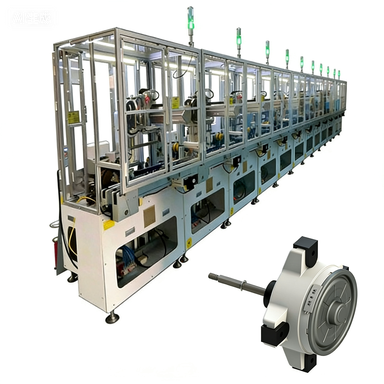
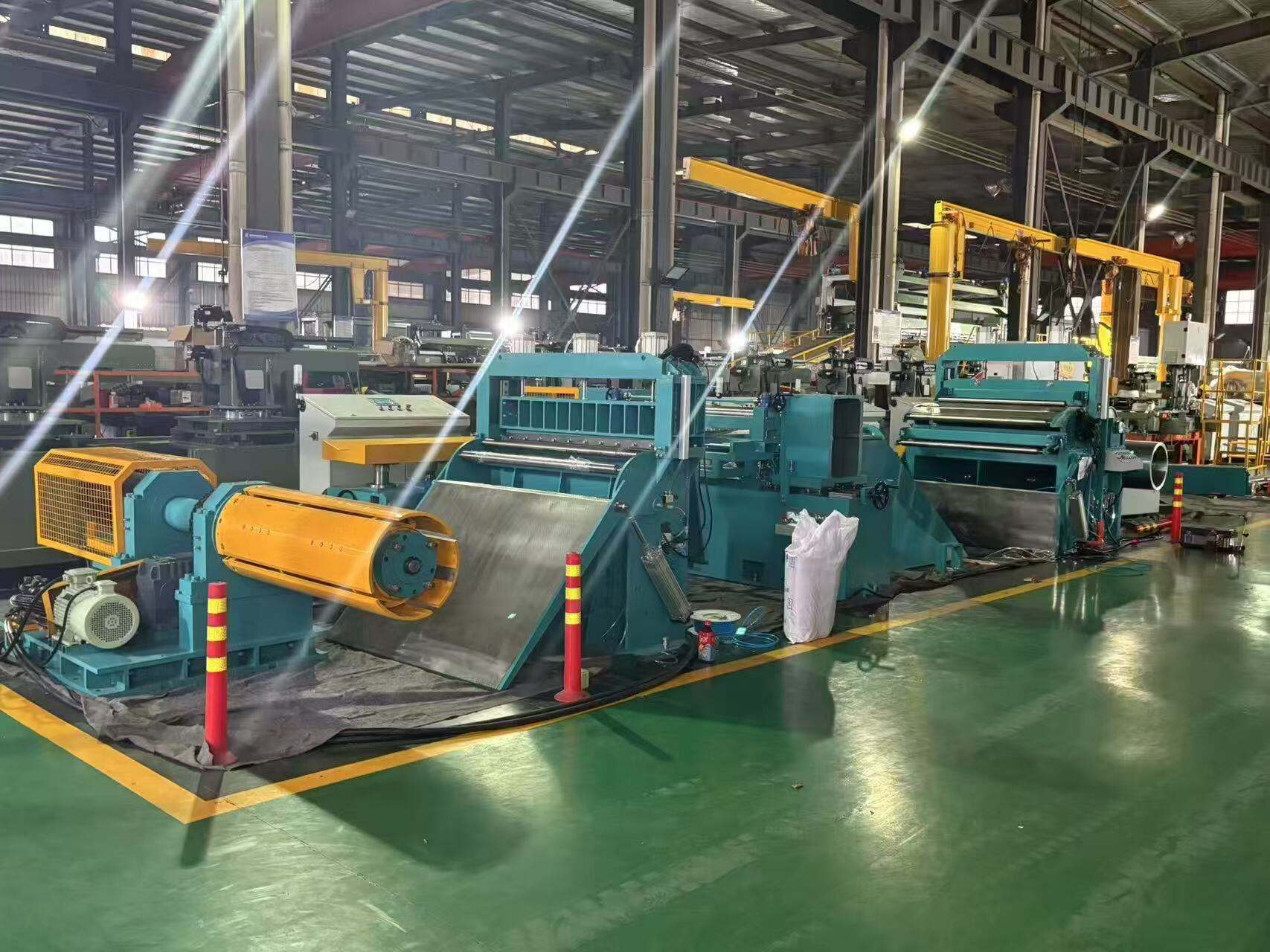
automated packaging machine
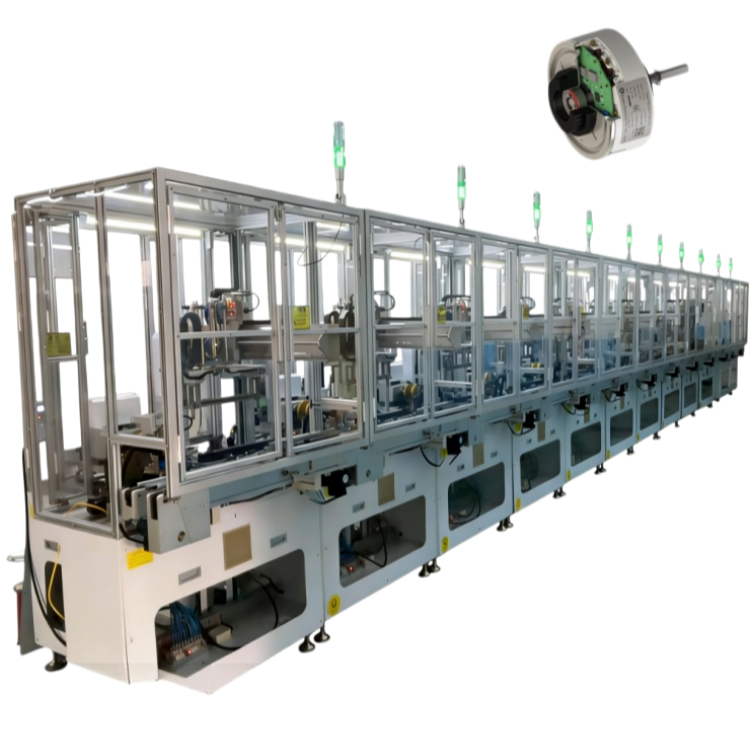
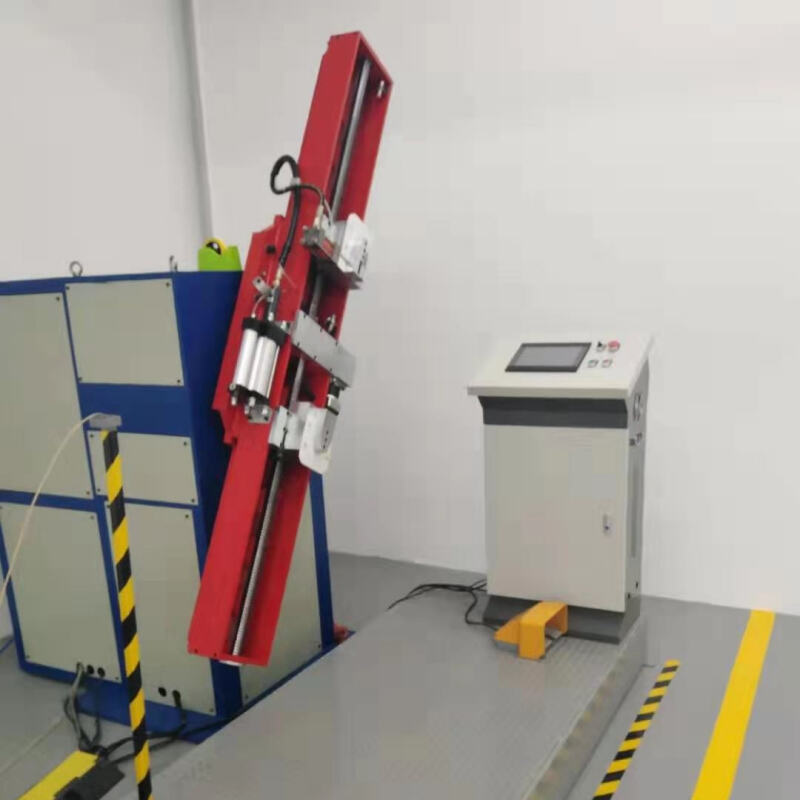
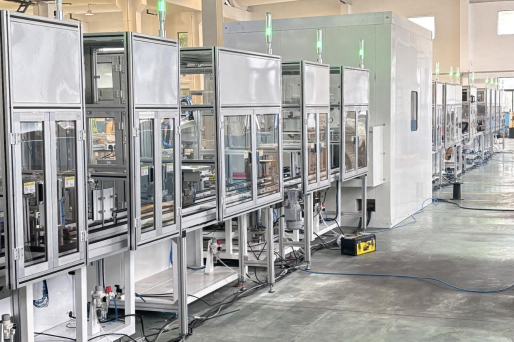
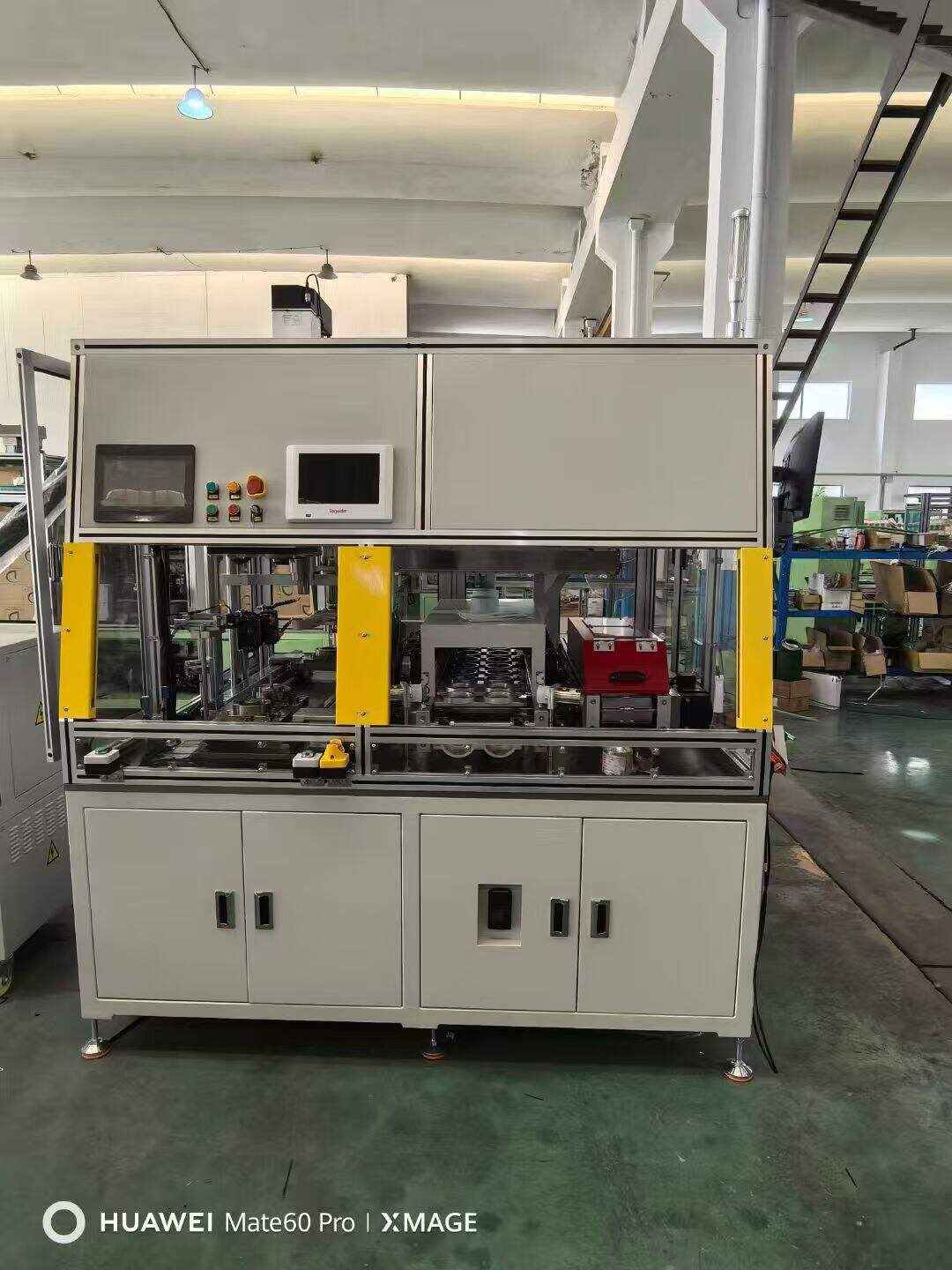
An automated packaging machine represents a transformative solution for modern manufacturing and distribution operations, designed to streamline the packaging process through advanced mechanical and electronic systems. This sophisticated equipment automatically performs multiple packaging tasks that traditionally required manual labor, including product feeding, wrapping, sealing, labeling, and palletizing. The automated packaging machine integrates cutting-edge technology such as programmable logic controllers, servo motors, precision sensors, and intelligent software to ensure consistent, high-speed operation. These machines are engineered to handle diverse product types, ranging from small consumer goods to large industrial items, with customizable configurations that adapt to specific production requirements. The core functionality of an automated packaging machine encompasses product detection, measurement, positioning, wrapping material application, sealing mechanisms, quality inspection, and rejection systems for defective packages. Modern iterations incorporate touchscreen interfaces for intuitive operation, allowing operators to adjust parameters, monitor performance metrics, and troubleshoot issues efficiently. The technological architecture includes synchronized conveyor systems, robotic arms for complex manipulation tasks, and vision systems for accurate product identification. Industries across food and beverage, pharmaceuticals, cosmetics, electronics, and e-commerce rely heavily on automated packaging machines to maintain competitive advantage. These systems support various packaging formats including boxes, pouches, bottles, blister packs, shrink wrap, and corrugated containers. The automated packaging machine delivers remarkable precision in dispensing, filling, and sealing operations, minimizing material waste while maximizing throughput. Integration capabilities allow seamless connection with upstream production lines and downstream logistics systems, creating comprehensive automation ecosystems. Safety features such as emergency stops, protective barriers, and compliance with international standards ensure secure operation in industrial environments.
 ×


 EN