Intelligent Automation Features That Maximize Manufacturing Efficiency
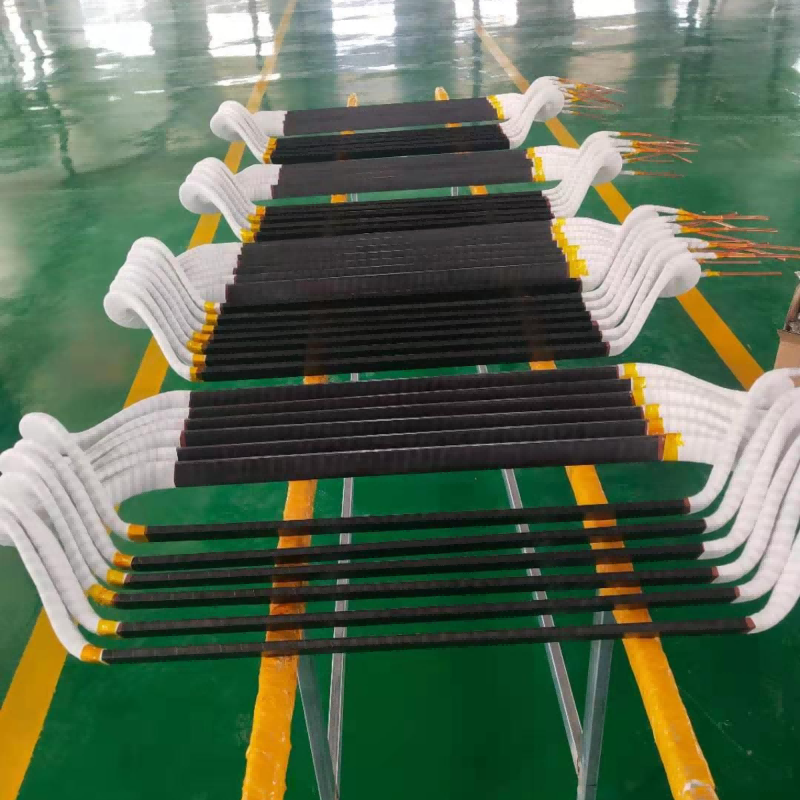
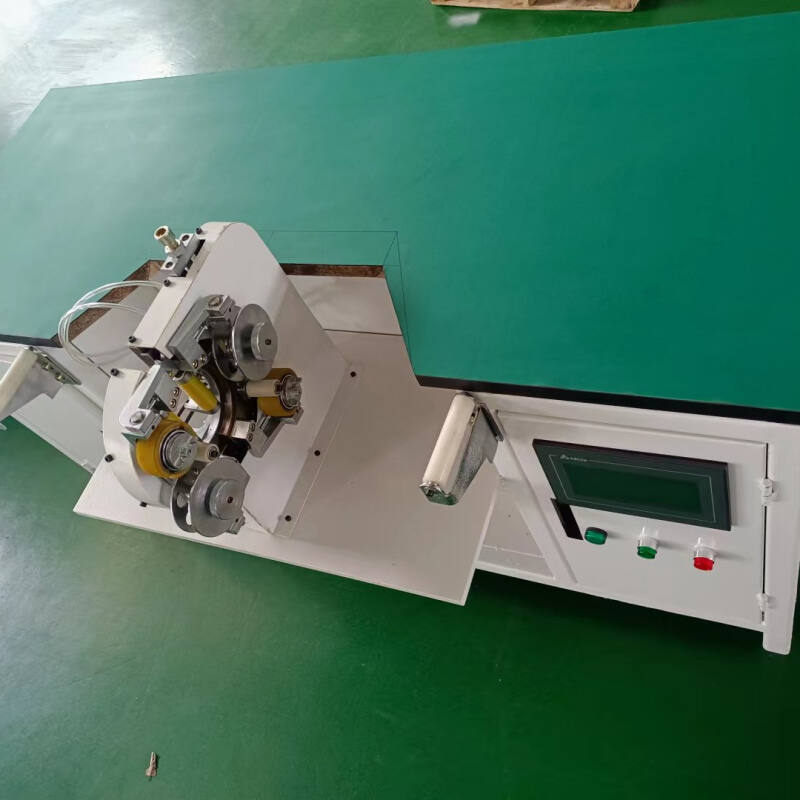
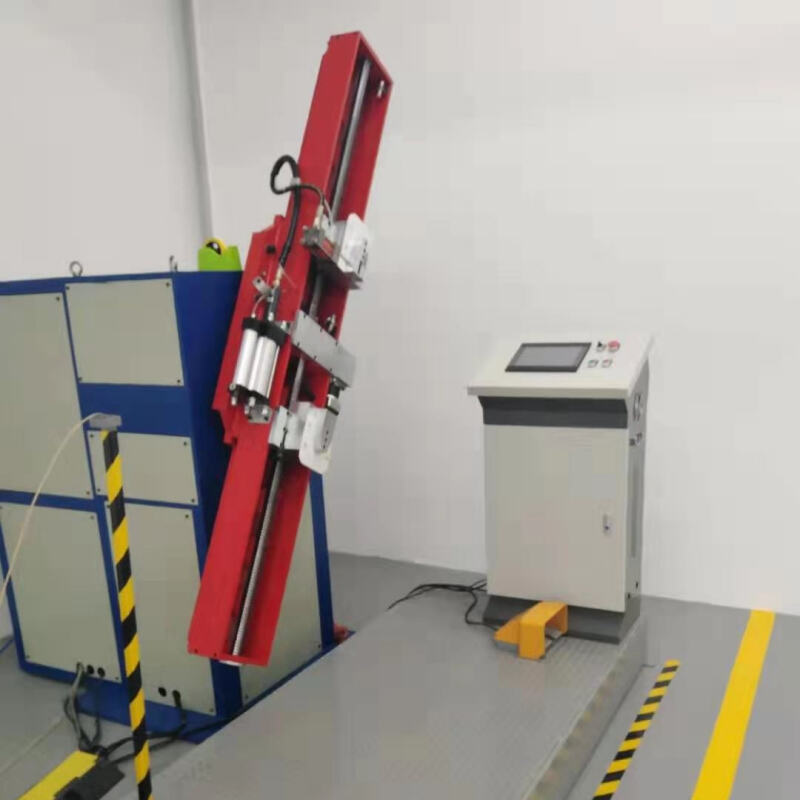
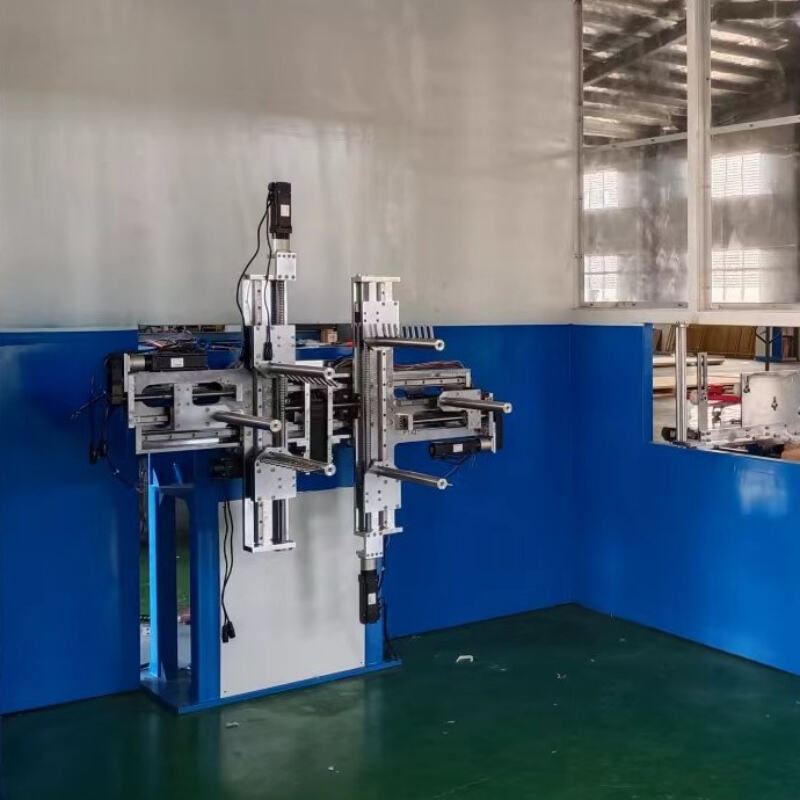
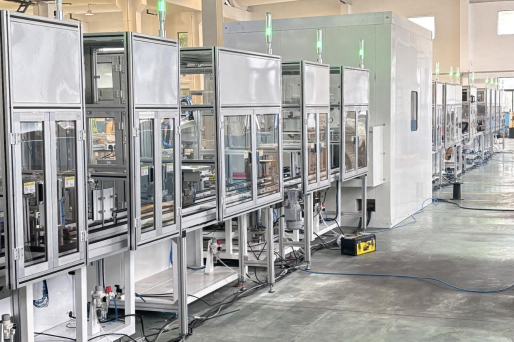
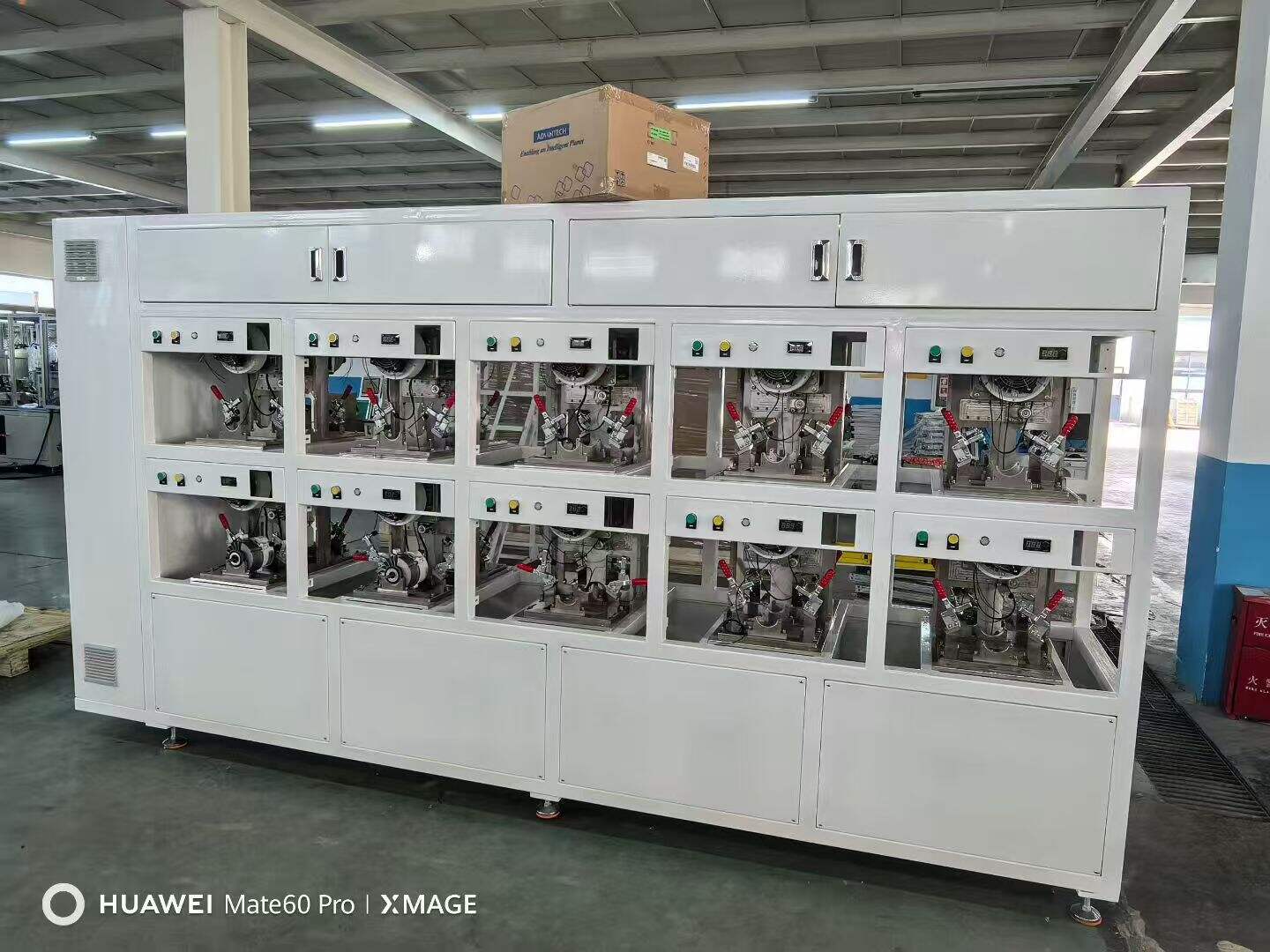
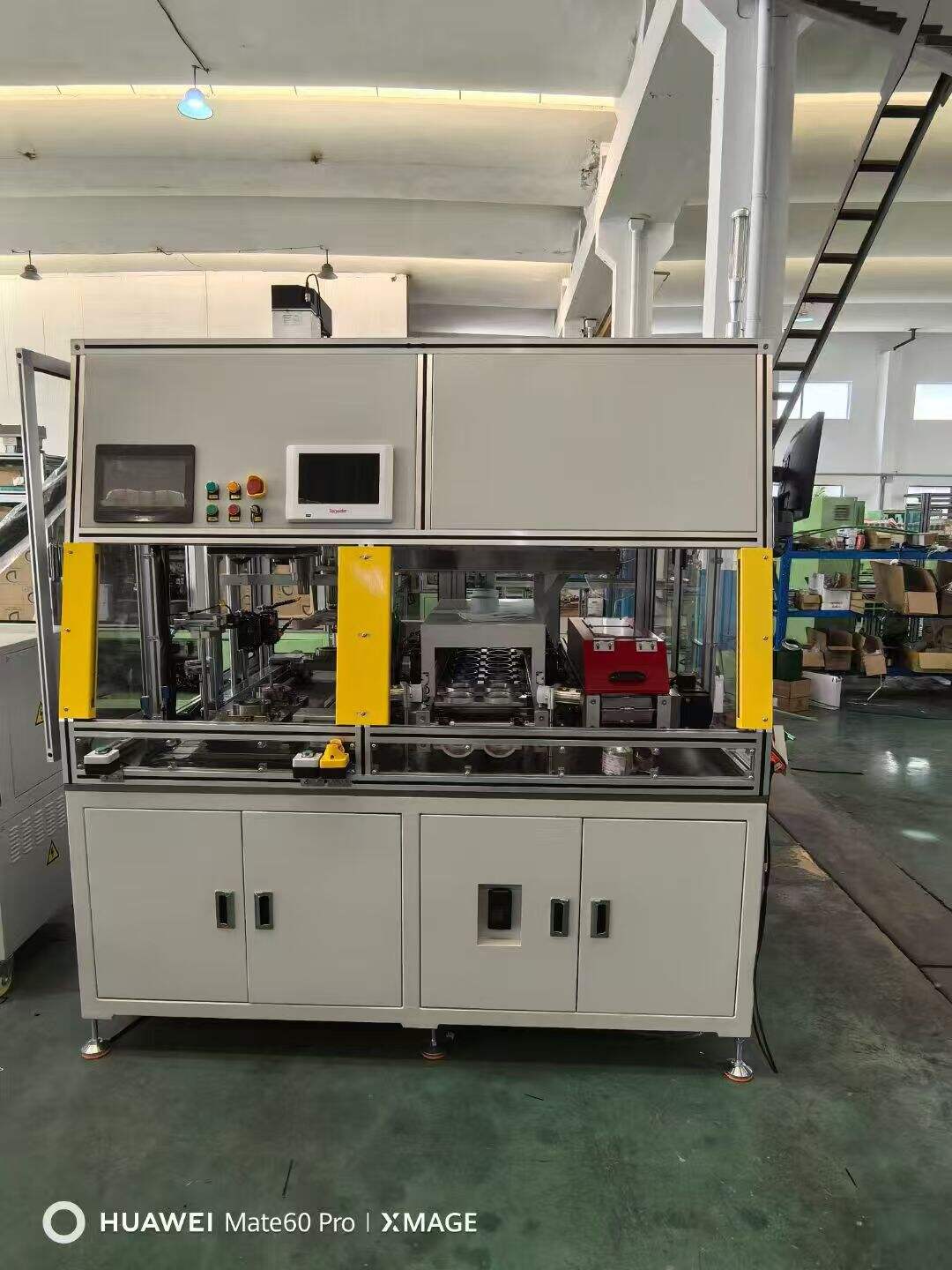
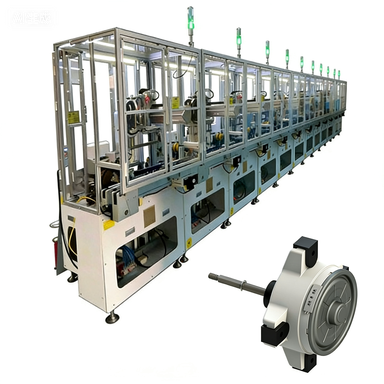
The intelligent automation capabilities built into contemporary bldc coil winding machines transform them from simple mechanical devices into smart manufacturing systems that optimize productivity while minimizing human intervention. These automation features address the complete production workflow, from wire loading through finished coil verification, creating a streamlined process that maximizes output while maintaining consistent quality. Automatic wire feeding systems eliminate the tedious manual task of threading wire through tensioners, guides, and nozzles at the start of each coil or when wire spools run empty. The bldc coil winding machine detects low wire conditions and alerts operators before depletion occurs, or in highly automated configurations, the system can pause, load a new spool from a magazine, splice or tie off the wire, and resume production with minimal interruption. This continuity keeps the equipment productive for extended periods, enabling lights-out manufacturing scenarios where machines operate unattended during night shifts or weekends. Error detection and correction capabilities represent another dimension of intelligent automation. Sensors throughout the bldc coil winding machine monitor critical parameters continuously, detecting conditions such as wire breaks, improper tension, missed turns, or incorrect positioning. When anomalies occur, the system can respond in several ways depending on severity. Minor deviations might trigger automatic corrections, bringing parameters back within acceptable ranges without stopping production. More significant issues cause controlled stops that protect the workpiece and machine from damage while alerting operators to the specific problem through detailed diagnostic messages. Some advanced bldc coil winding machines incorporate artificial intelligence algorithms that learn from production data, gradually optimizing parameters to improve quality and speed. Quality assurance automation reduces the inspection burden on human operators while improving defect detection rates. Integrated measurement systems can verify turn counts through inductive or optical methods, check wire placement accuracy using vision systems, and even perform electrical tests on completed coils to confirm resistance values and phase relationships. Coils that pass all checks proceed automatically to the next production stage, while those failing any criterion are diverted for rework or scrap, with detailed fault information logged for analysis. The bldc coil winding machine may integrate with broader factory automation systems through standard industrial communication protocols, exchanging data with manufacturing execution systems, quality management databases, and inventory control platforms. This connectivity enables real-time production monitoring, automated work order processing, and comprehensive traceability that satisfies quality system requirements. Remote monitoring capabilities allow engineers and managers to observe machine performance from any location, receiving alerts about issues that require attention and accessing production metrics through web-based dashboards. Predictive maintenance features leverage automation intelligence to maximize equipment availability. By tracking operational parameters and component usage, the bldc coil winding machine can forecast when maintenance will be needed and schedule it proactively during planned downtime rather than experiencing unexpected failures during critical production runs. This predictive approach reduces maintenance costs while improving overall equipment effectiveness.
 ×


 EN