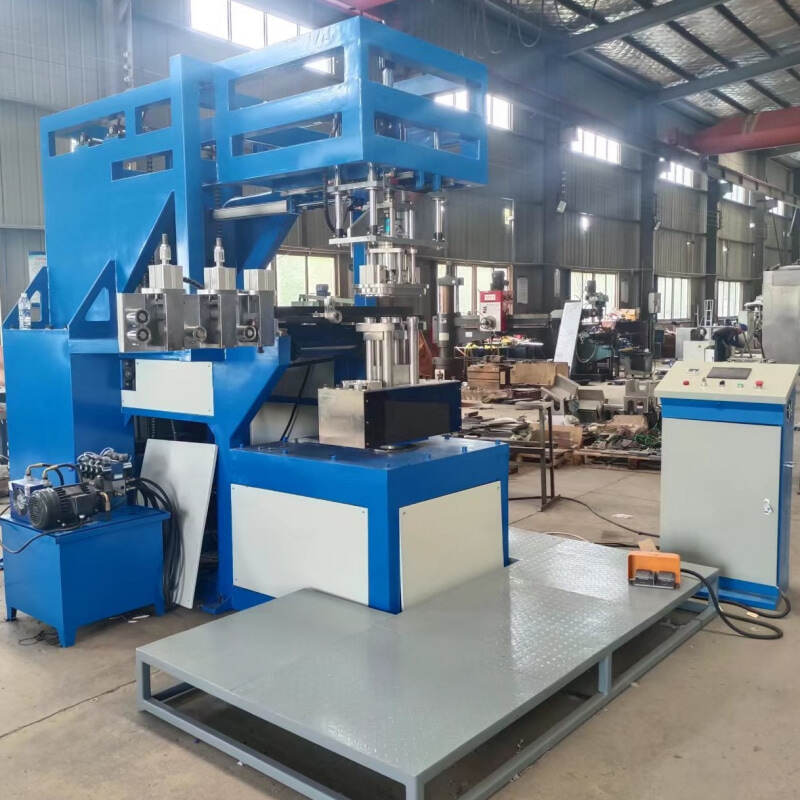
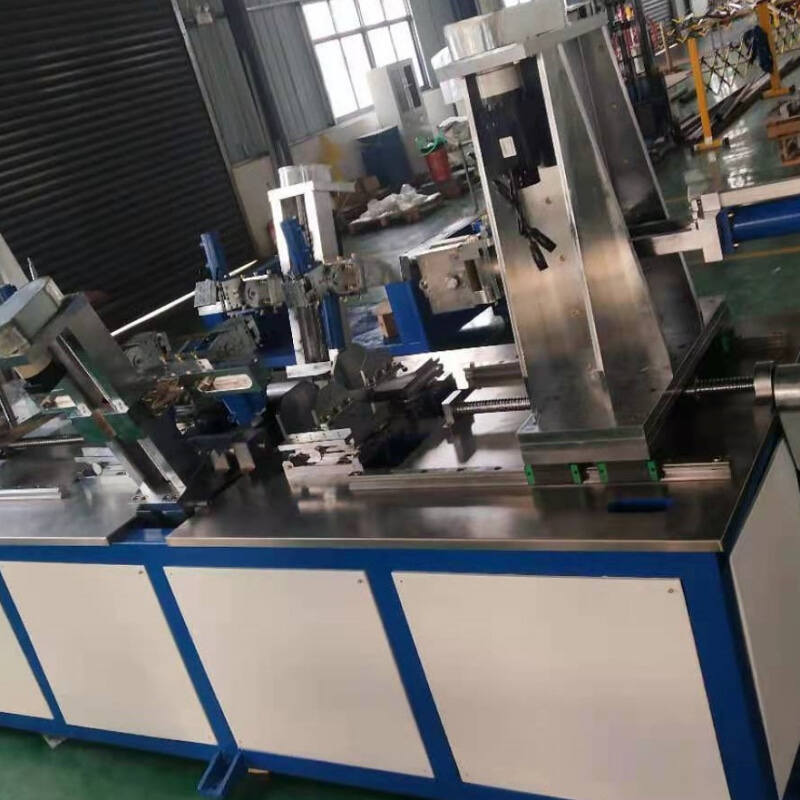
BLDC Motor Winding Line: Advanced Automated Solutions for Precision Motor Manufacturing

Get a Free Quote

Our representative will contact you soon.
Email
Name
Mobile/WhatsApp
Company Name
Message
0/1000

bldc motor winding line

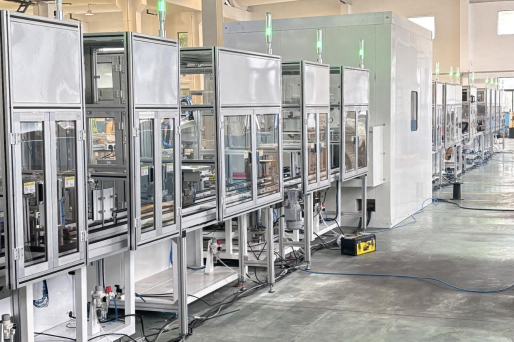
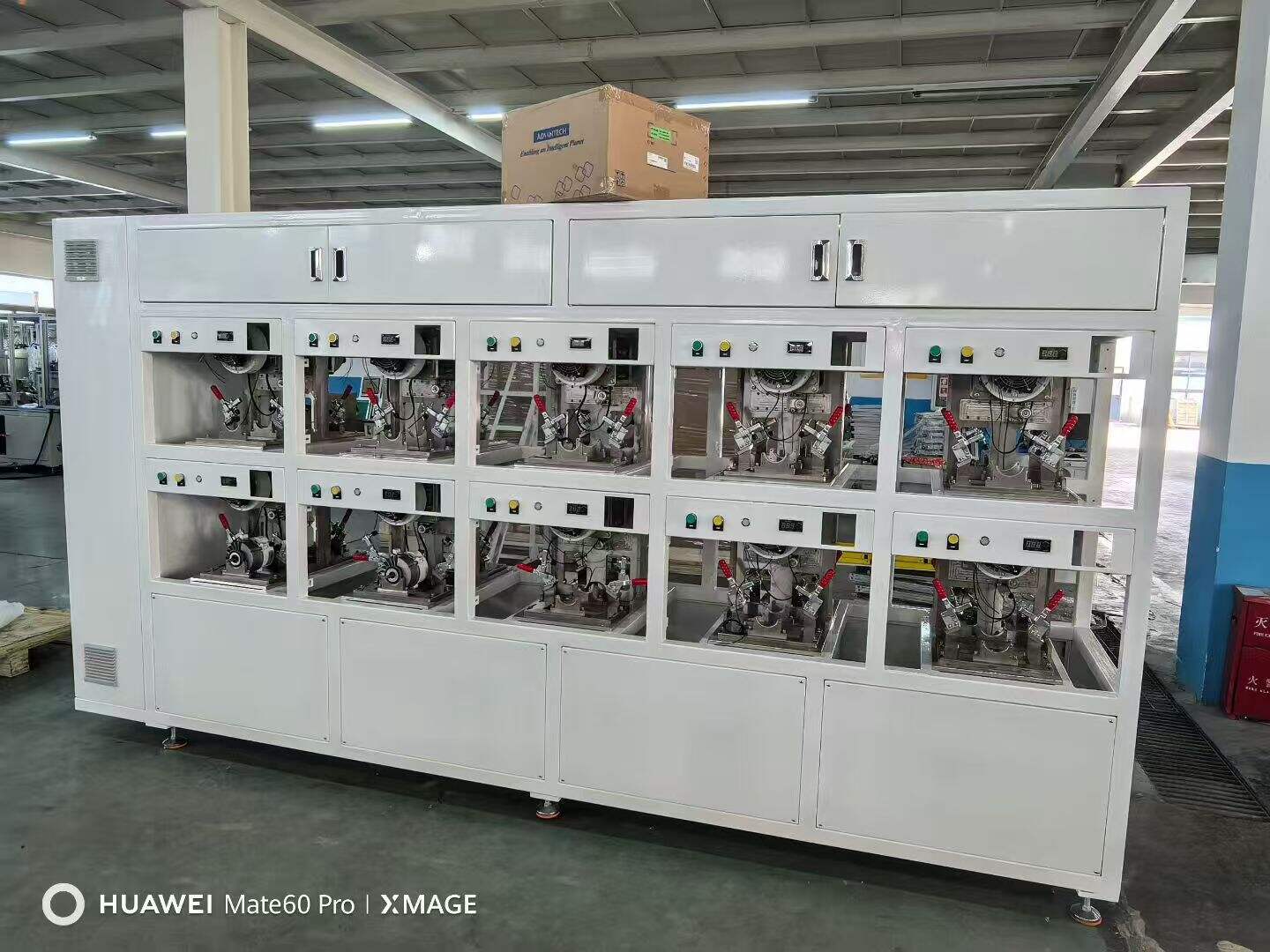
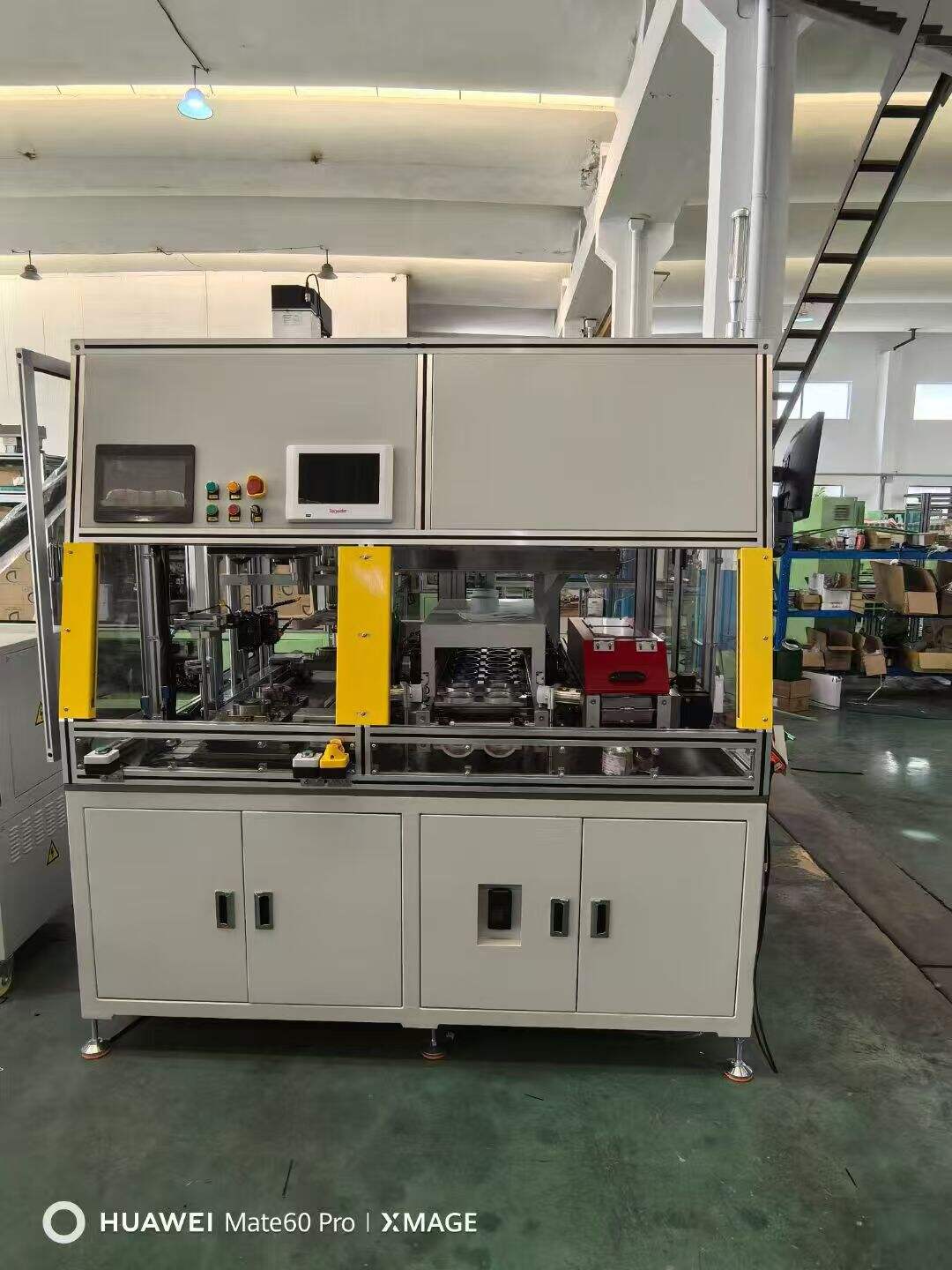
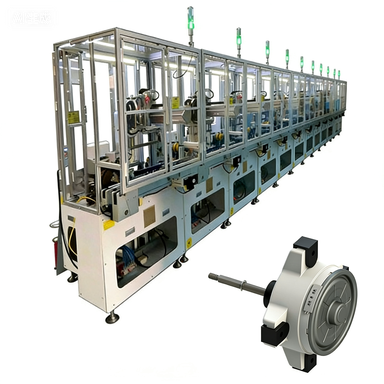
A bldc motor winding line represents a sophisticated manufacturing system designed specifically for producing brushless DC motor coils with precision and efficiency. This automated production equipment streamlines the entire winding process, from wire feeding to coil formation, ensuring consistent quality across high-volume manufacturing runs. The bldc motor winding line integrates multiple stages of production, including automatic wire tension control, precision winding mechanisms, cutting systems, and quality inspection modules that work in harmony to create perfectly wound stator coils. Modern systems incorporate programmable logic controllers and advanced servo motors that enable manufacturers to adjust winding parameters quickly for different motor specifications. The technological features of a bldc motor winding line include computerized control systems that monitor every aspect of the winding process, ensuring accuracy down to fractions of a millimeter. These systems can handle various wire gauges and accommodate different stator sizes, making them versatile solutions for manufacturers producing multiple motor types. The equipment typically features automatic wire feeding mechanisms that maintain consistent tension throughout the winding process, preventing wire breaks and ensuring uniform coil density. Temperature monitoring systems protect against overheating during high-speed operations, while integrated sensors detect any abnormalities in real-time, allowing for immediate corrections. Applications for bldc motor winding lines span across numerous industries where brushless DC motors are essential components. The automotive sector relies heavily on these production lines for manufacturing motors used in electric vehicles, power steering systems, and various automotive accessories. Consumer electronics manufacturers utilize these systems to produce motors for cooling fans, hard disk drives, and precision instruments. Industrial automation companies depend on bldc motor winding lines to create motors for robotics, CNC machines, and conveyor systems. The aerospace industry employs these production lines for creating lightweight, efficient motors for drones and satellite systems. Medical device manufacturers use precisely wound motors in surgical tools, diagnostic equipment, and life-support systems. The bldc motor winding line has become indispensable in modern manufacturing environments where quality, speed, and consistency are paramount requirements for staying competitive in global markets.

New Products

The bldc motor winding line delivers remarkable improvements in production efficiency that directly translate to reduced manufacturing costs and faster time-to-market for your products. Traditional manual winding methods require skilled operators working for extended periods to complete tasks that automated systems accomplish in minutes, allowing your facility to increase output dramatically without proportionally expanding your workforce. This automation eliminates human error from the winding process, ensuring that every coil meets exact specifications without the variations that naturally occur with manual production. Your quality control becomes more predictable and manageable when machines handle the repetitive precision work that challenges even experienced technicians. The consistency achieved through automated winding systems means fewer rejected parts, less material waste, and higher customer satisfaction rates as your motors perform reliably across their entire service life. Energy efficiency represents another significant advantage, as modern bldc motor winding lines consume less power than older equipment while delivering superior performance. The precision controls optimize every movement, eliminating unnecessary motor operation and reducing your facility's overall energy footprint. This efficiency extends to material usage as well, with automated systems calculating exact wire lengths needed for each coil and minimizing scrap waste that cuts into profit margins. The flexibility built into contemporary winding lines allows manufacturers to switch between different motor specifications quickly, often requiring only software adjustments rather than time-consuming mechanical reconfiguration. This adaptability proves invaluable when serving diverse customer bases or responding to changing market demands without investing in multiple specialized machines. Your production planning becomes more straightforward when one system can handle various product lines efficiently. Maintenance requirements remain minimal compared to older manufacturing equipment, with diagnostic systems alerting operators to potential issues before they cause production disruptions. This predictive capability keeps your line running smoothly and prevents costly unplanned downtime that affects delivery schedules and customer relationships. The space efficiency of integrated winding lines consolidates multiple production steps into compact footprints, allowing you to maximize your facility's productive capacity without requiring building expansions. Operator safety improves significantly as automation handles the repetitive motions and close proximity to moving parts that previously exposed workers to injury risks. Your team can focus on supervision, quality assurance, and system optimization rather than physically demanding and potentially hazardous manual winding tasks. The data collection capabilities embedded in modern bldc motor winding lines provide valuable insights into production trends, helping you identify opportunities for continuous improvement and operational optimization. These systems generate detailed reports on cycle times, material consumption, and quality metrics that inform better business decisions and strategic planning. Investment in advanced winding technology positions your company as an industry leader committed to quality and innovation, enhancing your reputation among customers and partners who value manufacturing excellence and reliability.

Tips And Tricks

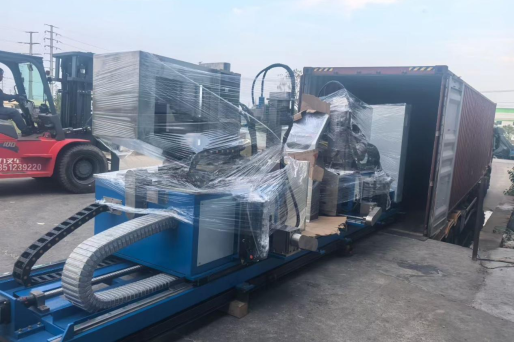
January 15th, 2026 Air Conditioner BLDC Motor Production line Dispatch to India

08

Apr

January 15th, 2026 Air Conditioner BLDC Motor Production line Dispatch to India

View More
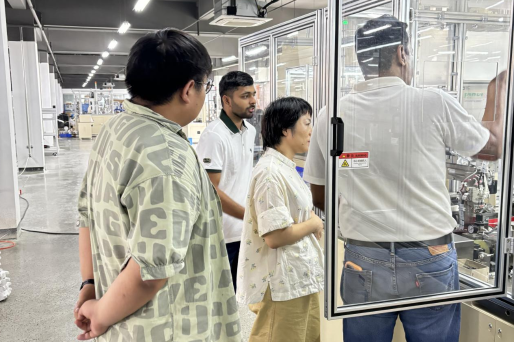
August 30th, 2025, 45W Air conditioner ODU BLDC motor Assembly line Inspection From India customer

08

Apr

August 30th, 2025, 45W Air conditioner ODU BLDC motor Assembly line Inspection From India customer

View More
January 5th , 2026 CNC Coil Forming Machine For High Voltage Motors dispatched to UZ (Uzbekistan)

07

Apr

January 5th , 2026 CNC Coil Forming Machine For High Voltage Motors dispatched to UZ (Uzbekistan)

View More

Get a Free Quote

Our representative will contact you soon.
Email
Name
Mobile/WhatsApp
Company Name
Message
0/1000

bldc motor winding line

Precision Control Technology for Superior Motor Performance

Precision Control Technology for Superior Motor Performance

The advanced precision control technology integrated into the bldc motor winding line establishes new standards for motor manufacturing quality and consistency. This sophisticated system employs high-resolution encoders and servo motors that control wire placement with micrometer accuracy, ensuring that each turn of wire sits exactly where specifications demand. The tension control mechanisms maintain constant wire pressure throughout the winding process, preventing loose coils that cause motor inefficiency or tight spots that risk wire insulation damage. These controls automatically adjust for variations in wire diameter, ambient temperature, and material properties, compensating for factors that would otherwise compromise winding quality. The computerized control interface allows operators to program complex winding patterns that traditional methods cannot achieve reliably, enabling the production of motors with optimized electromagnetic characteristics and superior performance profiles. Real-time monitoring systems track hundreds of parameters simultaneously, detecting microscopic deviations from programmed specifications and making instant corrections before defects occur. This level of precision control directly impacts the final motor's operational characteristics, including torque consistency, rotational smoothness, and energy efficiency. Motors wound on precision-controlled systems exhibit lower cogging torque and reduced electromagnetic interference, making them ideal for sensitive applications where smooth operation proves critical. The repeatability achieved through automated precision control means that every motor leaving your production line performs identically to specifications, eliminating the performance variations that plague manually wound products. This consistency proves invaluable for customers who depend on predictable motor behavior in their applications, from medical devices requiring exact positioning to automotive systems demanding reliable performance across millions of units. The precision control technology also enables the production of more compact motor designs by allowing tighter winding tolerances and optimized space utilization within the stator slots. Manufacturers can create smaller, lighter motors that deliver equivalent or superior performance compared to larger conventional designs, opening new market opportunities in space-constrained applications. The system's ability to store and recall winding programs means that switching between different motor types requires no manual setup or adjustment, maintaining precision across your entire product range. Quality assurance becomes built into the manufacturing process rather than requiring extensive post-production testing, as the control systems verify proper winding completion for every coil automatically. This integrated quality approach reduces inspection costs while improving defect detection rates compared to sampling-based quality control methods.
Intelligent Automation Reducing Labor Costs and Increasing Throughput

Intelligent Automation Reducing Labor Costs and Increasing Throughput

The intelligent automation features built into the bldc motor winding line revolutionize production economics by dramatically reducing labor requirements while simultaneously increasing manufacturing throughput. Traditional motor winding operations demanded multiple skilled technicians working in coordination to achieve production targets, with labor costs representing a substantial portion of total manufacturing expenses. Modern automated winding lines eliminate this dependency by performing all primary winding operations without human intervention, requiring only supervisory oversight from a single operator managing multiple machines. This transformation in labor efficiency allows manufacturers to reallocate human resources to value-added activities like quality improvement initiatives, process optimization, and customer service rather than repetitive manual tasks. The automation extends beyond simple wire winding to encompass the entire coil production sequence, including wire feeding, tension adjustment, cutting, terminal placement, and initial quality verification. Integrated conveyor systems automatically transfer stators between winding stations, eliminating manual handling that consumes time and introduces contamination risks. The intelligent programming capabilities enable these systems to learn optimal winding strategies for different motor types, continuously refining their operations to maximize speed without compromising quality. Throughput improvements prove dramatic when comparing automated lines to manual operations, with modern systems completing winding cycles in fractions of the time required by human operators. This speed advantage multiplies across production shifts, enabling manufacturers to fulfill larger orders within shorter timeframes and respond more quickly to customer demands. The consistency of automated operations means that throughput remains stable throughout extended production runs, without the productivity variations that occur as human operators experience fatigue or distraction. Intelligent automation also eliminates the learning curve associated with training new workers on complex winding techniques, as the system's programming contains all necessary operational knowledge. Your facility can maintain consistent production capacity regardless of workforce turnover, protecting against the disruptions that occur when experienced technicians leave and require lengthy replacement training periods. The automation systems include sophisticated error recovery capabilities that identify and correct minor issues without stopping production, maintaining high equipment utilization rates that maximize return on investment. Predictive maintenance features monitor component wear and performance degradation, scheduling service activities during planned downtime rather than allowing unexpected failures to halt production. This intelligent approach to maintenance keeps your bldc motor winding line operating at peak efficiency while minimizing the total cost of ownership over the equipment's service life. The data analytics capabilities provide management with detailed visibility into production metrics, identifying bottlenecks and optimization opportunities that might remain hidden in traditional manufacturing environments.
Versatile Configuration Options Supporting Diverse Manufacturing Requirements

Versatile Configuration Options Supporting Diverse Manufacturing Requirements

The versatile configuration options available in modern bldc motor winding line systems provide manufacturers with exceptional flexibility to address diverse production requirements across multiple motor types and sizes. This adaptability proves essential in today's manufacturing environment where customer demands constantly evolve and product lifecycles shorten, requiring production equipment that can pivot quickly between different specifications without extensive reconfiguration delays. The modular design philosophy underlying contemporary winding lines allows manufacturers to select component combinations that precisely match their specific production needs, avoiding the excess capacity costs associated with oversized systems or the limitations of undersized equipment. Manufacturers can choose from various winding head configurations, each optimized for different wire gauges, coil sizes, and winding patterns, ensuring optimal performance across their product portfolio. The quick-change tooling systems enable rapid switchovers between different stator sizes, often requiring only minutes rather than hours of adjustment time that older equipment demanded. This flexibility extends to wire handling capabilities, with systems accommodating everything from fine gauge wires used in small precision motors to heavy conductors required for high-power industrial applications. The programmable control systems store unlimited winding recipes, allowing operators to recall specific motor configurations instantly and begin production without manual setup procedures or trial runs. This programming flexibility means that custom orders and prototype development become manageable within regular production schedules rather than requiring dedicated equipment or special setup procedures. The scalability built into modular winding line designs allows manufacturers to start with essential configurations and expand capabilities as production volumes grow or product ranges diversify, protecting initial investment while maintaining upgrade pathways. Additional winding stations, handling systems, or quality inspection modules integrate seamlessly with existing equipment, creating cohesive production lines that grow alongside your business. The versatility extends to integration capabilities, with modern bldc motor winding line systems designed to communicate with facility-wide manufacturing execution systems, enterprise resource planning software, and quality management databases. This connectivity enables coordinated production scheduling, real-time inventory management, and comprehensive traceability that meets increasingly stringent industry standards and customer requirements. Manufacturers serving multiple industries benefit particularly from versatile winding line configurations, as single systems can produce motors for automotive, consumer electronics, industrial automation, and medical applications without requiring dedicated production lines for each market segment. The ability to handle various insulation materials, temperature ratings, and environmental protection specifications within one system simplifies facility planning and capital equipment decisions. Customization options allow manufacturers to specify particular features that address unique production challenges or competitive advantages, creating differentiated capabilities that strengthen market positions. The investment in versatile winding line technology future-proofs manufacturing operations against market uncertainties, providing confidence that production capabilities will remain relevant as motor technologies evolve and new applications emerge.
Get a Free Quote

Our representative will contact you soon.
Email
Name
Mobile/WhatsApp
Company Name
Message
0/1000