Cost-Effective Operation Maximizes Return on Investment
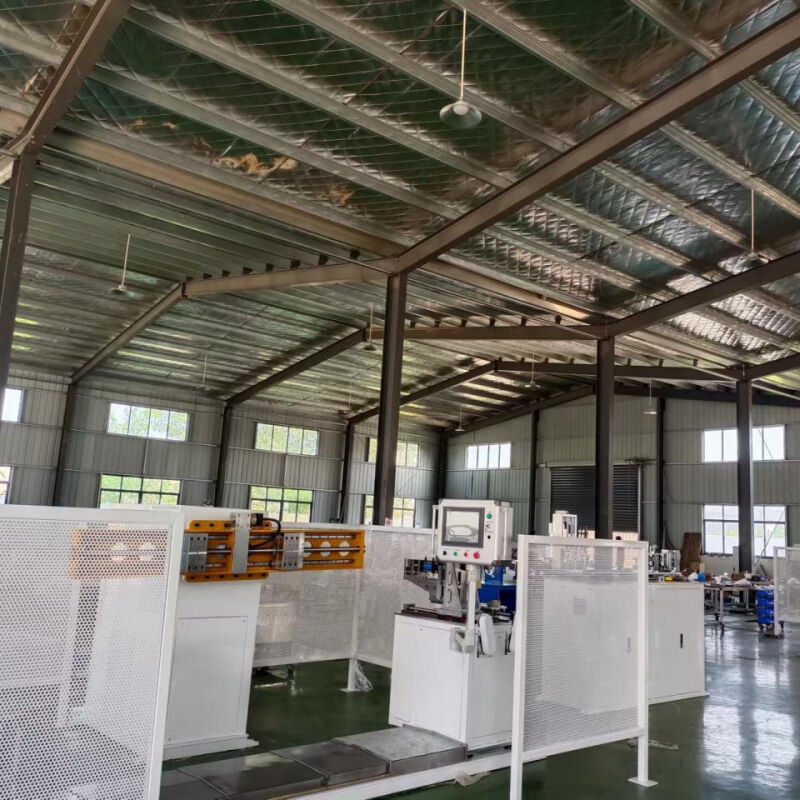
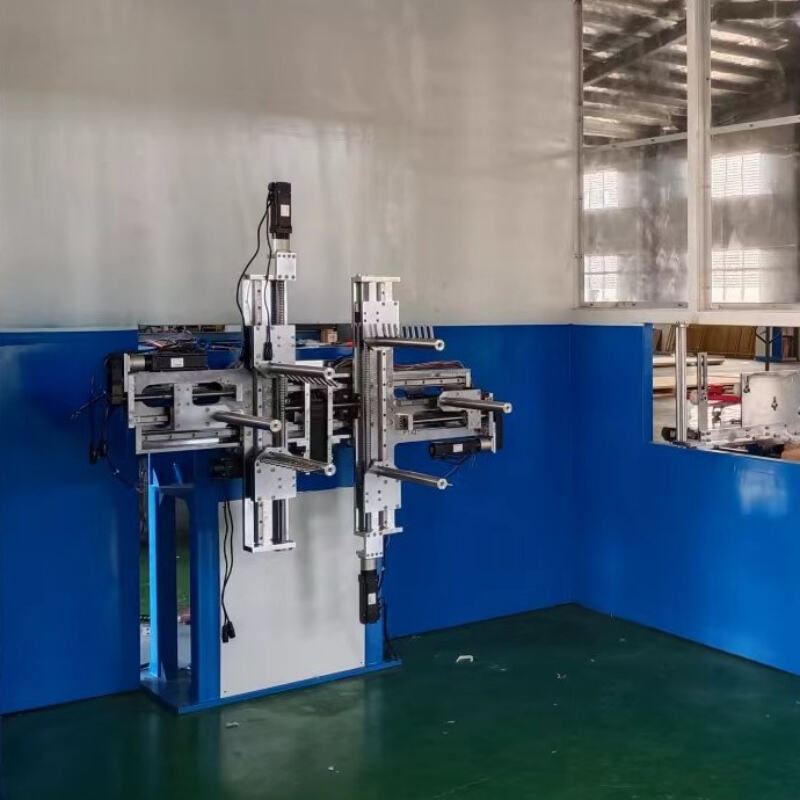
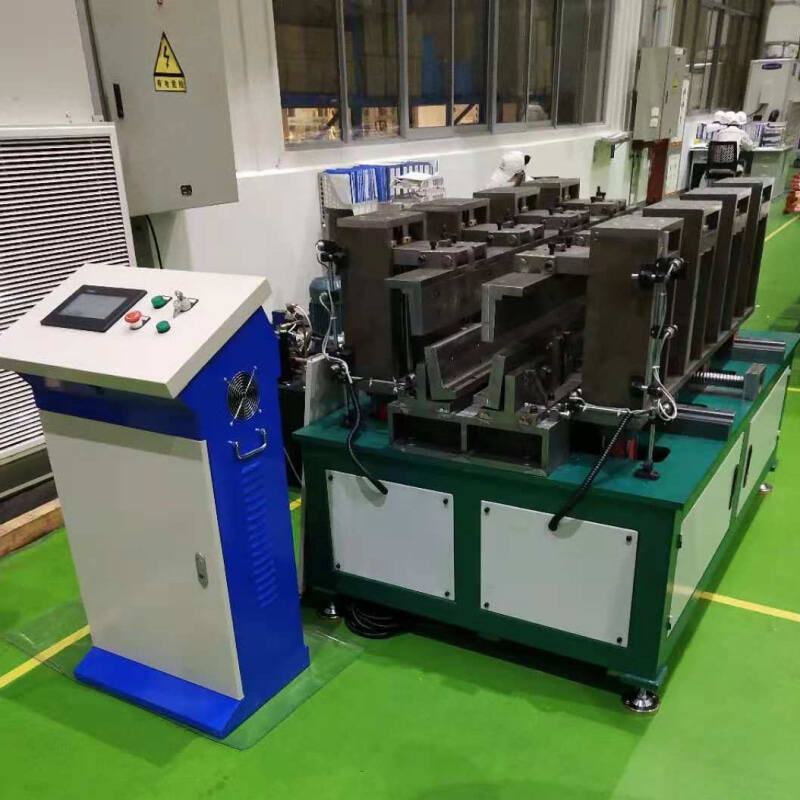
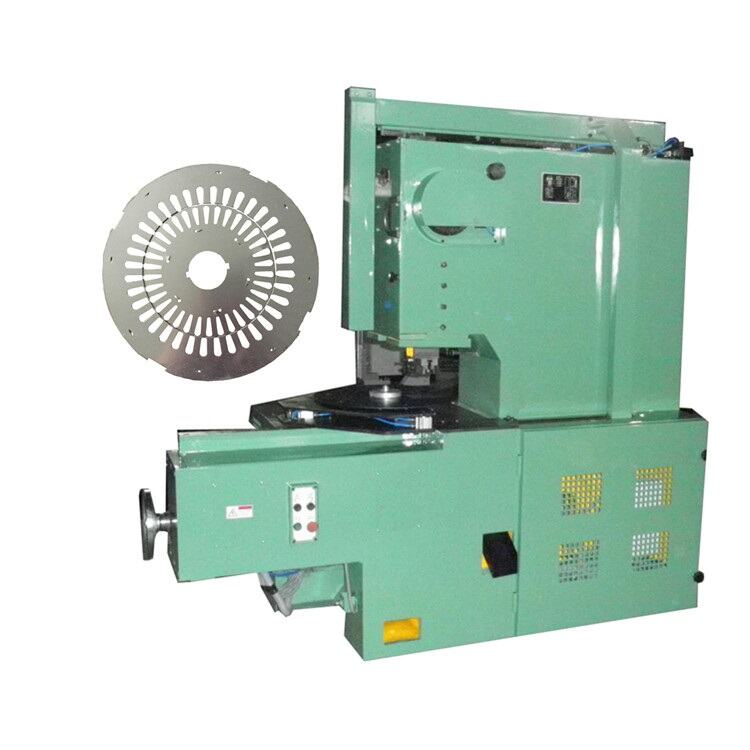
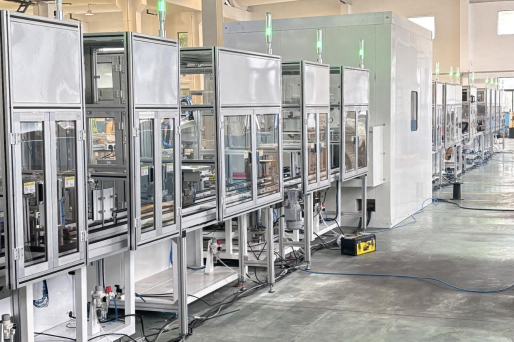
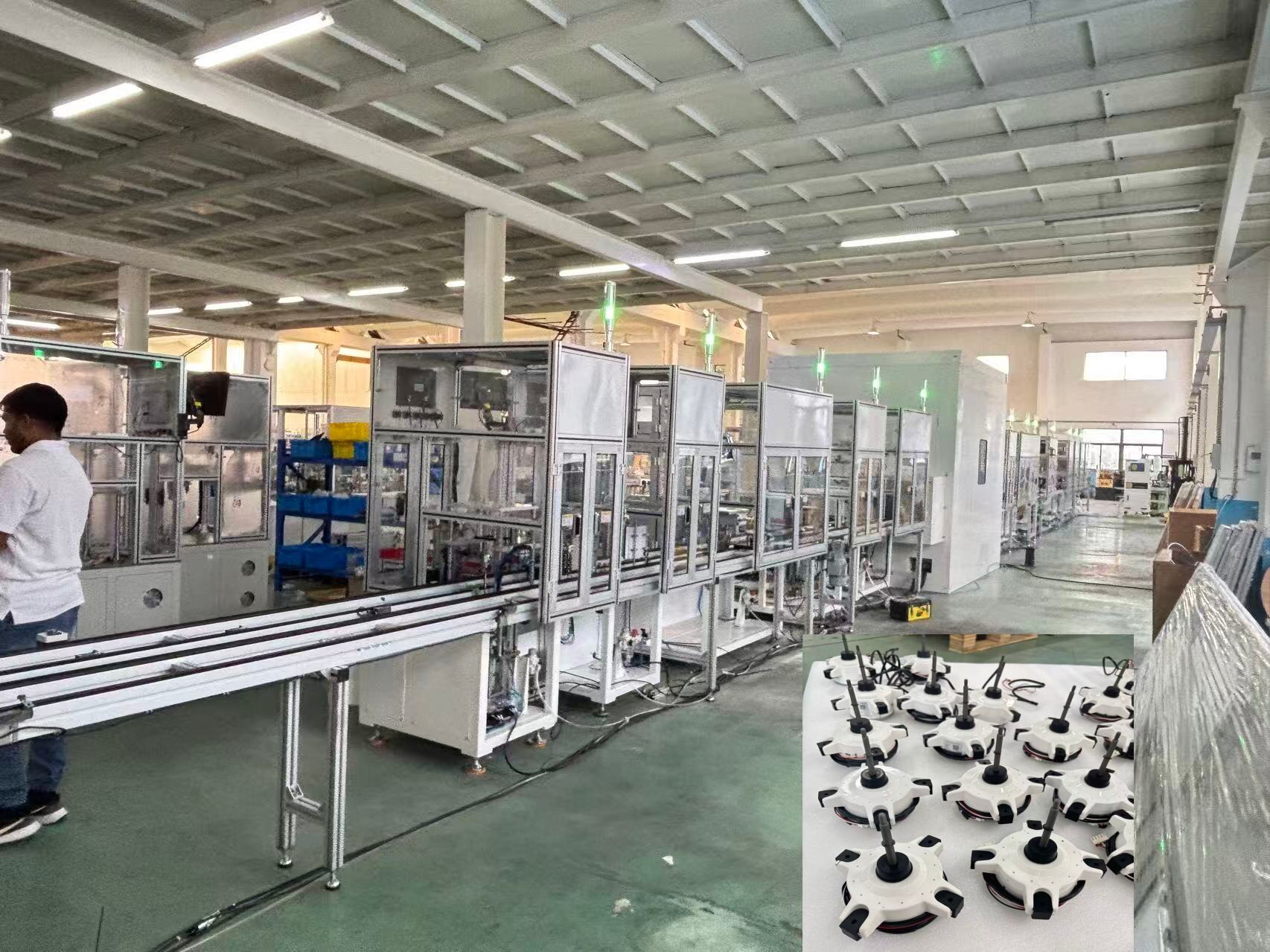
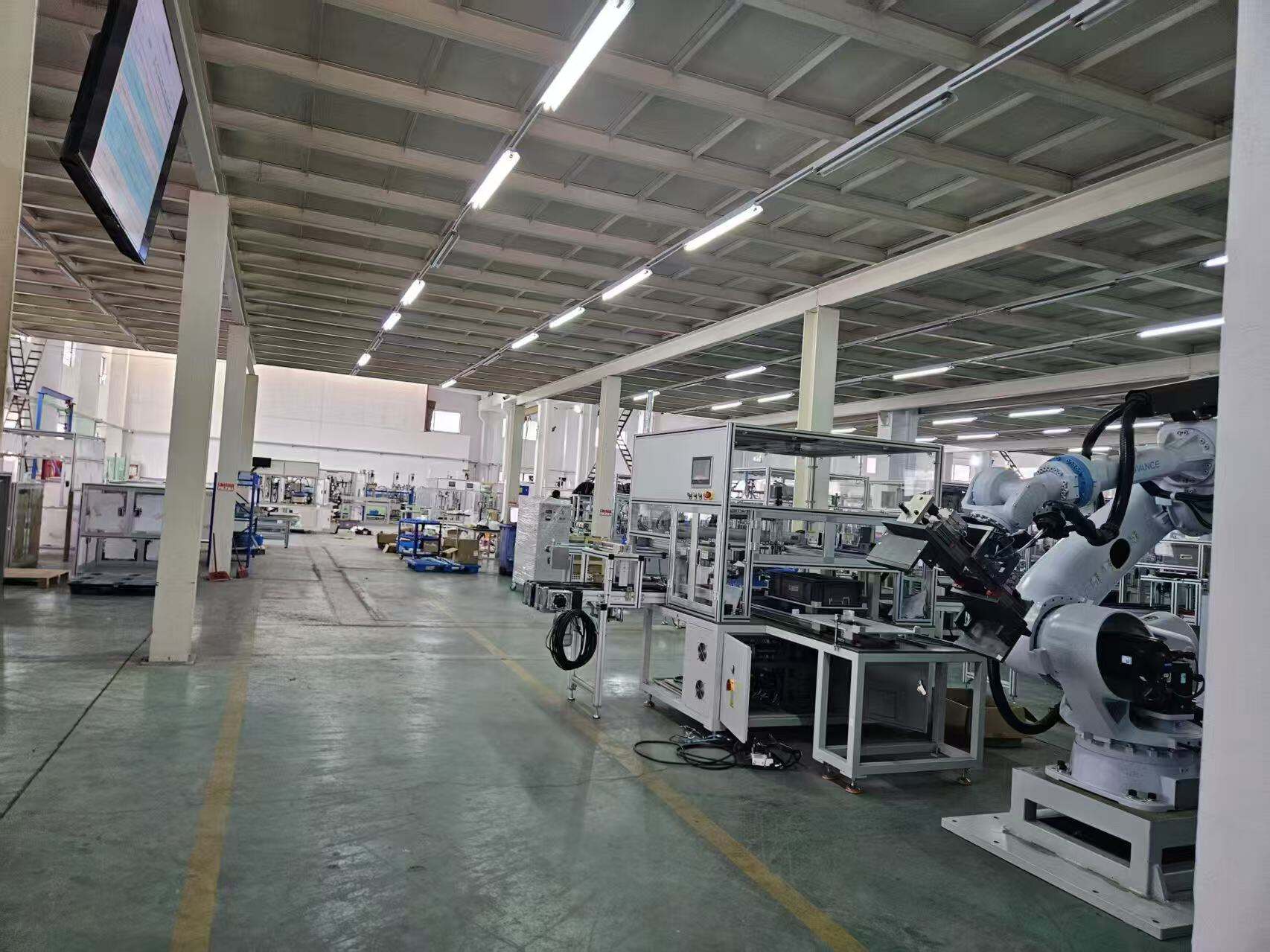
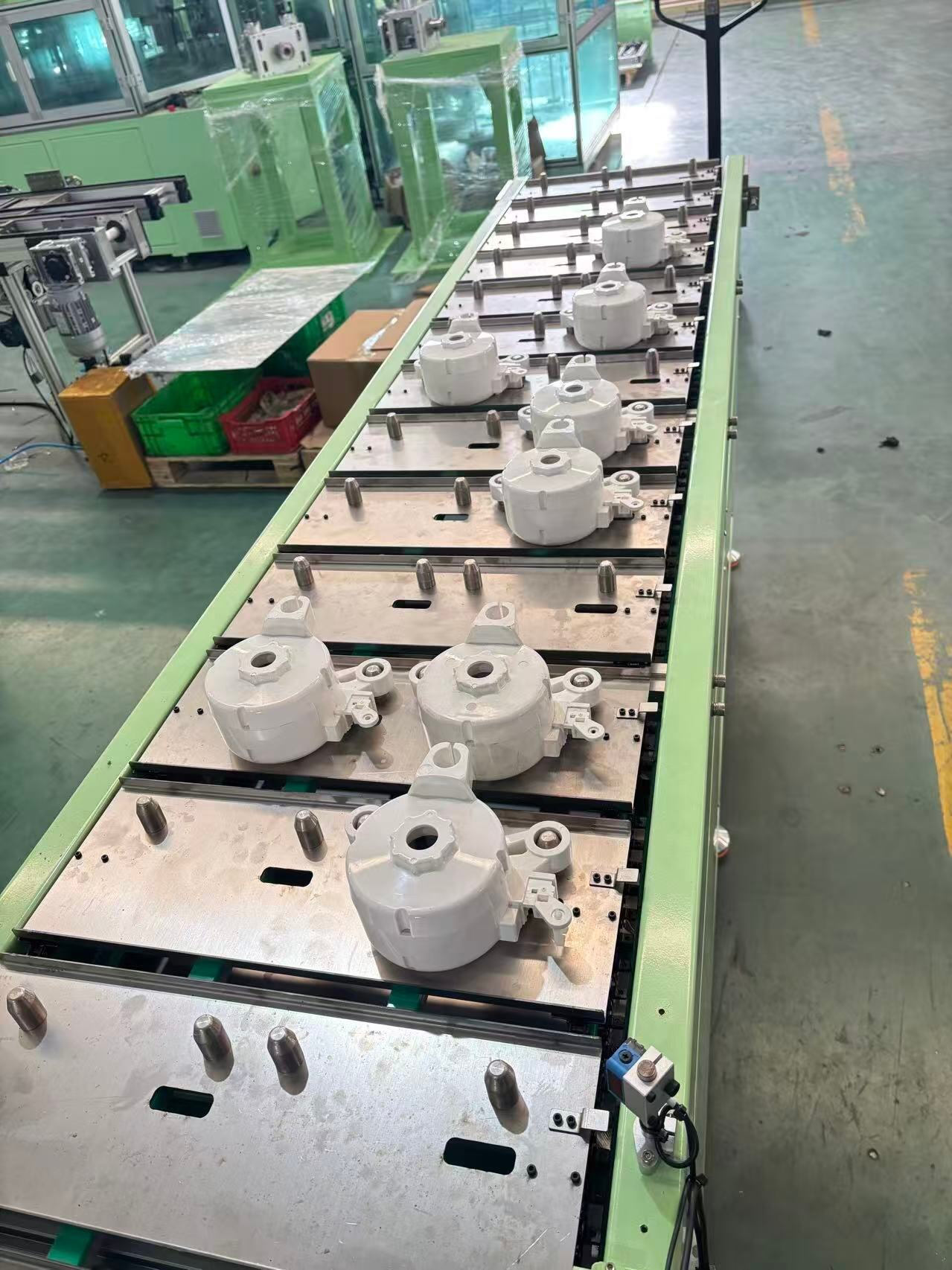
The economic advantages of operating a bldc motor production line extend far beyond simple labor cost reduction, creating a comprehensive value proposition that dramatically improves manufacturing profitability. Energy consumption optimization represents a significant ongoing savings area. Modern production equipment incorporates energy-efficient motors, regenerative braking systems that recover power during deceleration cycles, and intelligent power management that reduces consumption during idle periods. These features compound daily into substantial utility cost reductions, particularly important as energy prices fluctuate and environmental regulations increasingly penalize excessive consumption. Over years of operation, energy savings alone can offset a significant portion of initial equipment investment. Material waste reduction contributes substantially to cost effectiveness. Precision manufacturing processes inherent in a bldc motor production line minimize scrap rates by ensuring accurate component sizing, proper adhesive application, and correct assembly sequences. Automated systems dispense exact quantities of materials needed for each motor, eliminating the overuse common in manual operations where workers apply safety margins to ensure adequacy. Copper wire, rare earth magnets, and electronic components represent expensive inputs, and reducing waste of these materials by even small percentages produces meaningful savings at production scale. The system tracks material usage against production output, providing visibility into consumption patterns that enable continuous improvement initiatives targeting further waste reduction. Maintenance cost predictability improves financial planning and reduces unexpected expenses. Condition monitoring systems embedded throughout the bldc motor production line track equipment health parameters like vibration, temperature, and power consumption. Machine learning algorithms analyze these data streams to predict component failures before they occur, enabling scheduled maintenance during planned downtime rather than emergency repairs during production hours. This predictive approach extends equipment lifespan, reduces spare parts inventory requirements, and eliminates costly unplanned production stoppages that disrupt delivery schedules and disappoint customers. Labor productivity gains multiply throughout your organization. Beyond direct assembly labor reduction, automated production lines require fewer quality inspectors, reduce supervision needs, and simplify production planning. The workers you do employ focus on higher-value activities like process optimization, equipment maintenance, and quality analysis rather than repetitive manual tasks. This shift improves job satisfaction, reduces turnover, and lowers recruitment and training costs. Your workforce becomes more skilled and engaged, contributing ideas for continuous improvement that further enhance operational efficiency. Faster time-to-market for new motor designs provides competitive advantages that translate into premium pricing and market share gains. When customers request custom specifications, your bldc motor production line with quick-change tooling and flexible programming can prototype and begin production far faster than facilities relying on manual assembly. This responsiveness wins contracts from competitors and allows you to charge premium prices for rapid delivery, improving profit margins while building customer loyalty through superior service that keeps clients returning for future projects.
 ×


 EN