Intelligent Automation That Adapts to Your Production Needs
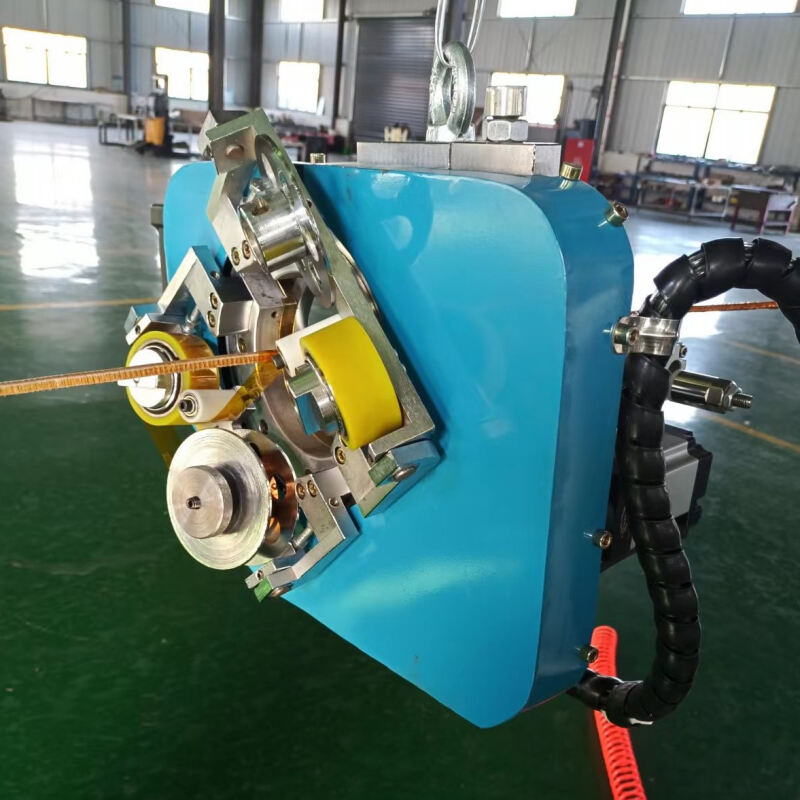
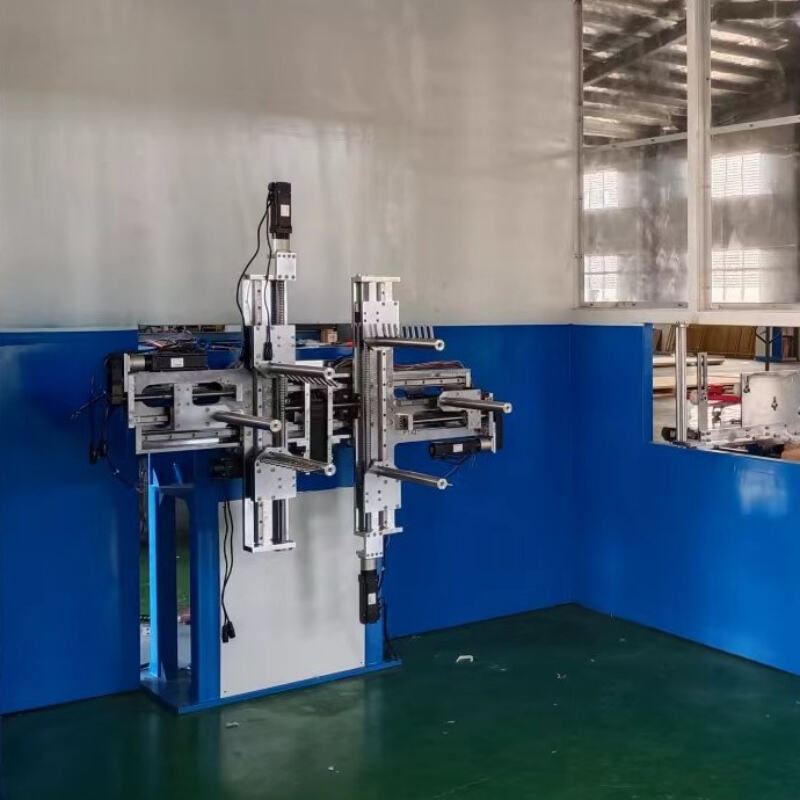
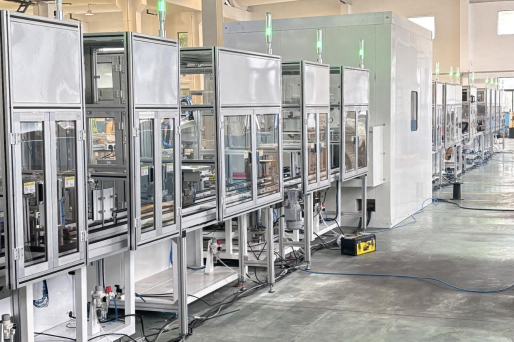
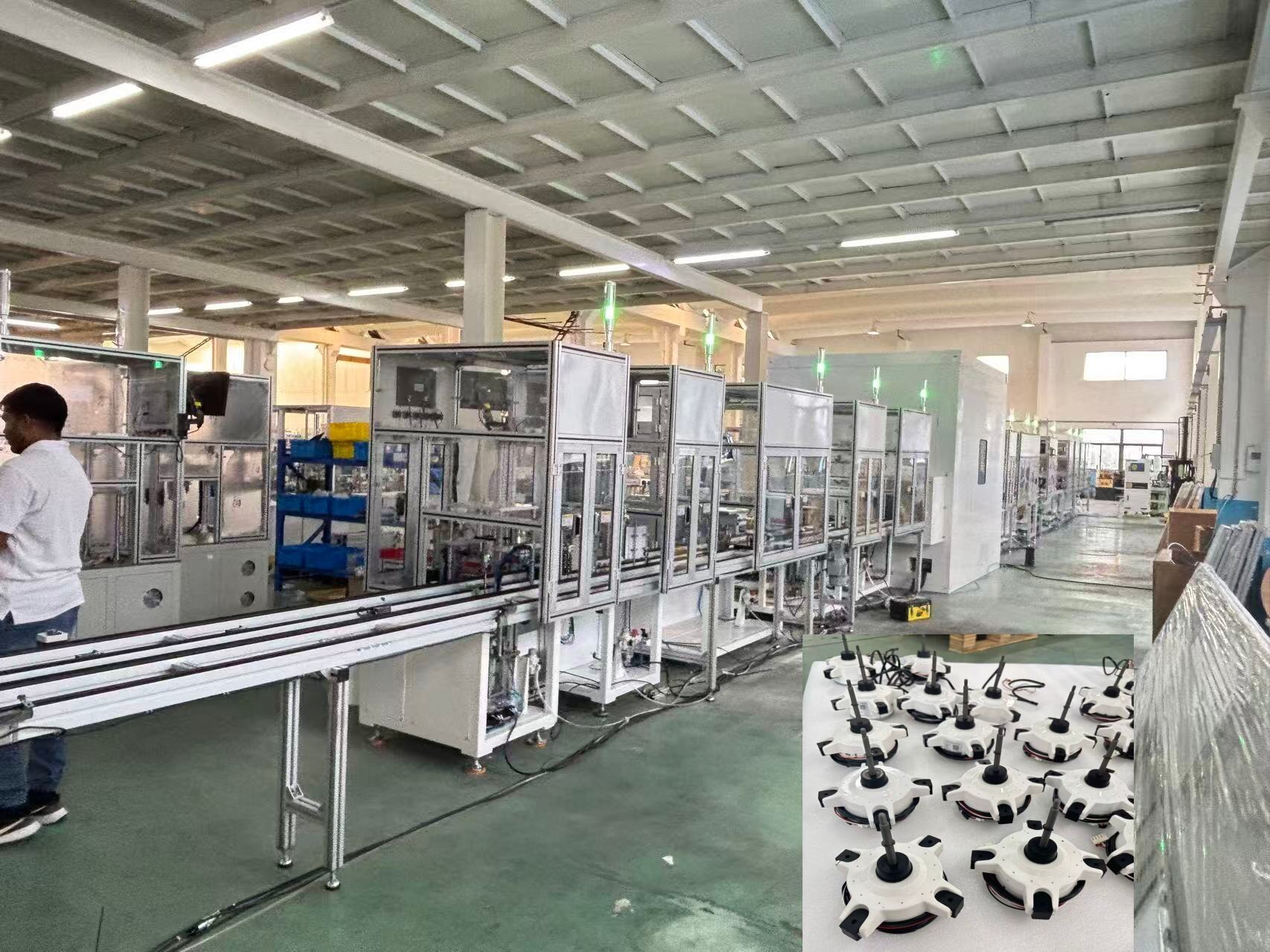
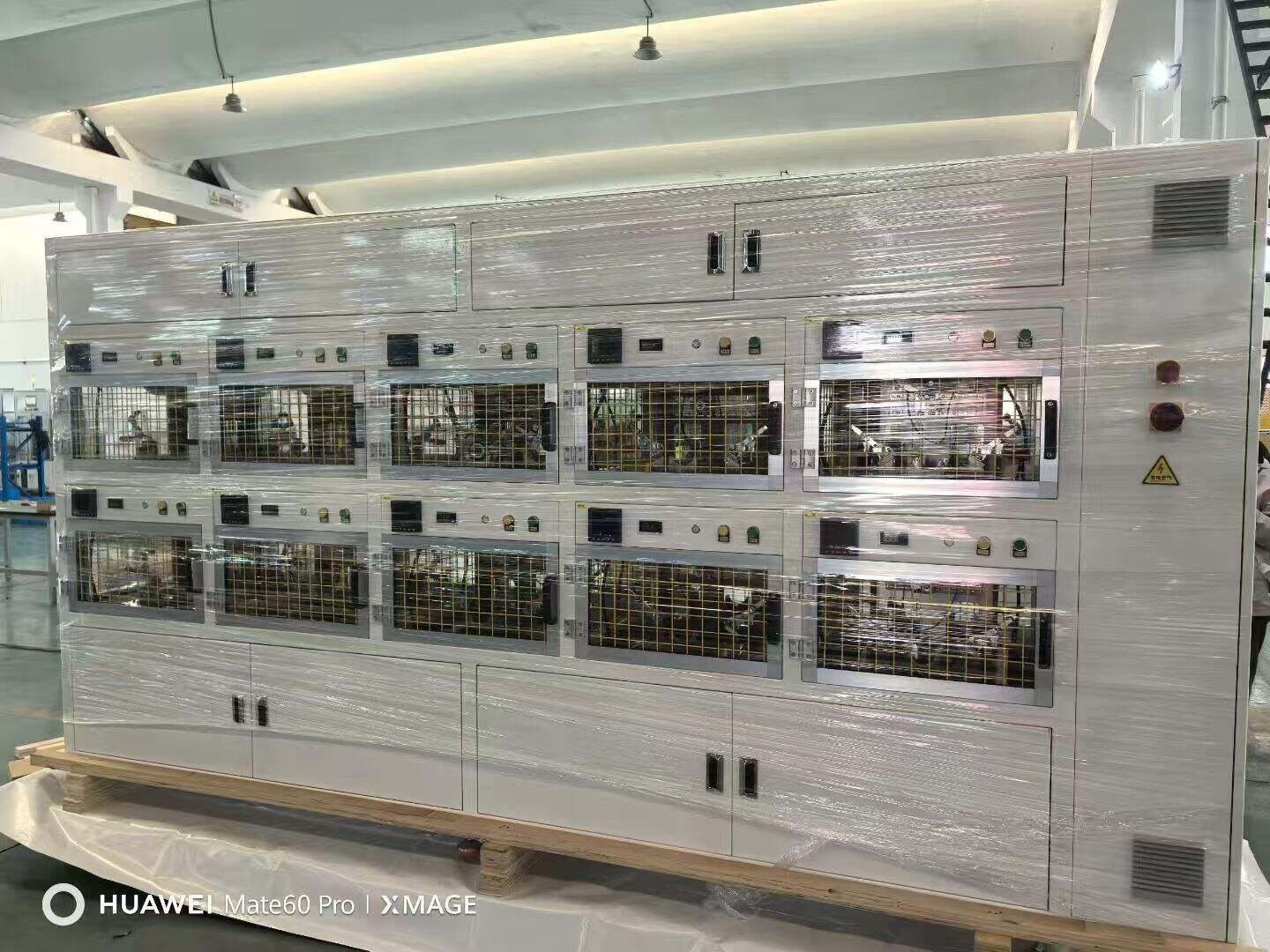
The intelligent automation capabilities embedded within modern bldc stator winding machines represent a quantum leap beyond simple mechanization, offering adaptive systems that learn, optimize, and respond to changing production requirements. These machines feature sophisticated programmable logic controllers that store unlimited winding recipes, allowing instant recall of parameters for different stator configurations without manual adjustments or setup time. Operators simply select the desired program from an intuitive touchscreen interface, and the machine automatically configures wire paths, tension settings, speed profiles, and positioning sequences. This intelligence extends to predictive maintenance systems that monitor component wear patterns and operating hours, alerting maintenance teams before failures occur and scheduling service during planned downtime rather than experiencing unexpected production interruptions. The bldc stator winding machine continuously collects performance data including cycle times, wire consumption, tension variations, and quality metrics, feeding this information into analytics platforms that identify optimization opportunities. Some advanced systems incorporate artificial intelligence algorithms that automatically adjust operating parameters based on environmental conditions like temperature and humidity that affect wire handling characteristics. The automation intelligence includes error detection and recovery protocols that identify issues such as wire breaks, tension deviations, or positioning errors, immediately halting operation to prevent defective product production while alerting operators to the specific problem location. Integration capabilities allow these machines to communicate seamlessly with enterprise resource planning systems, manufacturing execution systems, and quality management platforms, enabling real-time production tracking and inventory management. The intelligent automation supports lights-out manufacturing scenarios where machines operate autonomously during unmanned shifts, maintaining productivity around the clock. Adaptive speed control represents another intelligence feature where the system automatically adjusts winding velocity based on wire gauge, stator geometry, and quality requirements, optimizing the balance between speed and precision for each specific application. The machines can also automatically compensate for wire diameter variations within tolerance ranges, adjusting tension and positioning to maintain consistent results despite minor material inconsistencies. For manufacturers serving diverse markets, this intelligent automation eliminates the traditional tradeoff between production flexibility and efficiency, enabling economical production of both high-volume standardized products and low-volume specialized configurations. The learning capabilities mean the bldc stator winding machine becomes more valuable over time as it accumulates operational data and refines its performance, representing an investment that appreciates rather than simply depreciates.
 ×


 EN