Automated Workflows That Maximize Productivity and Efficiency
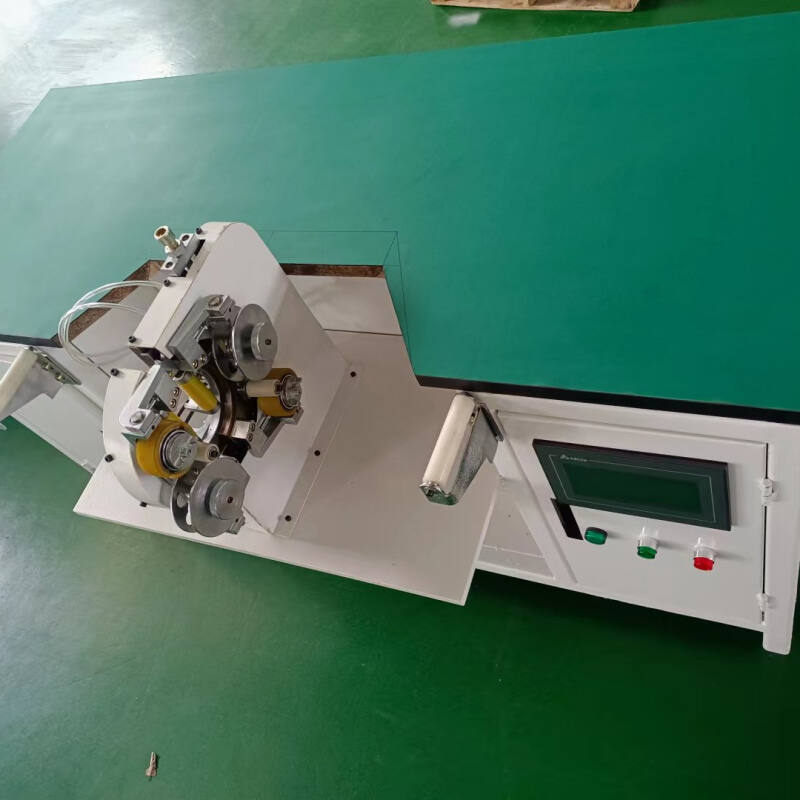
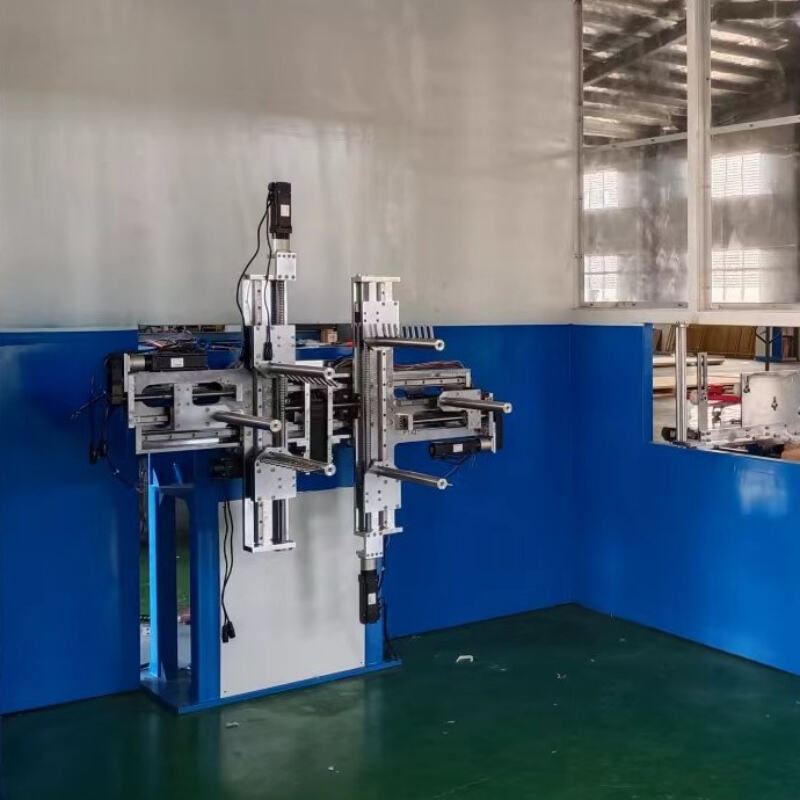
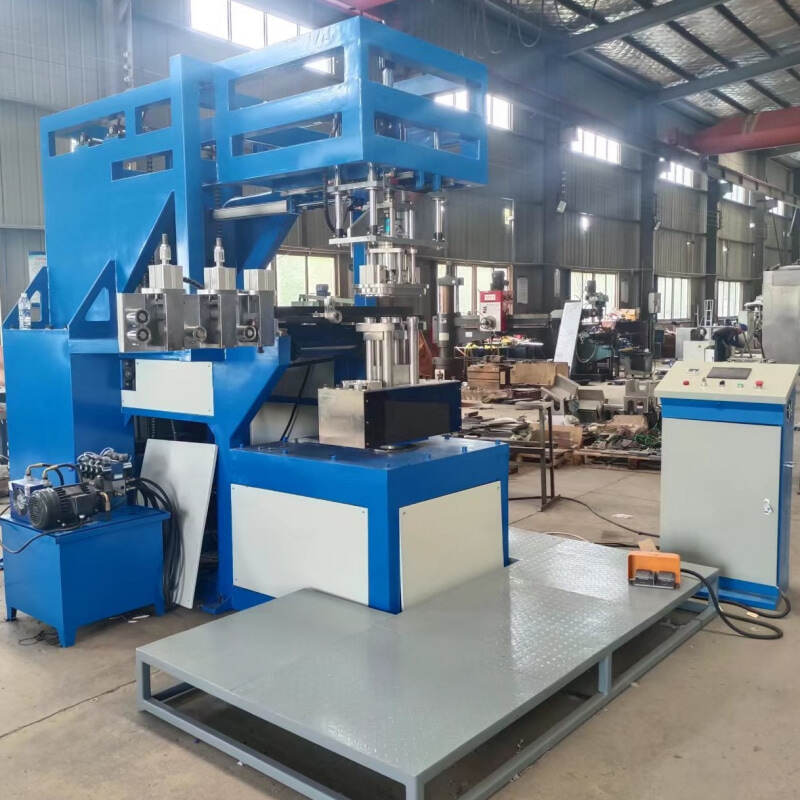
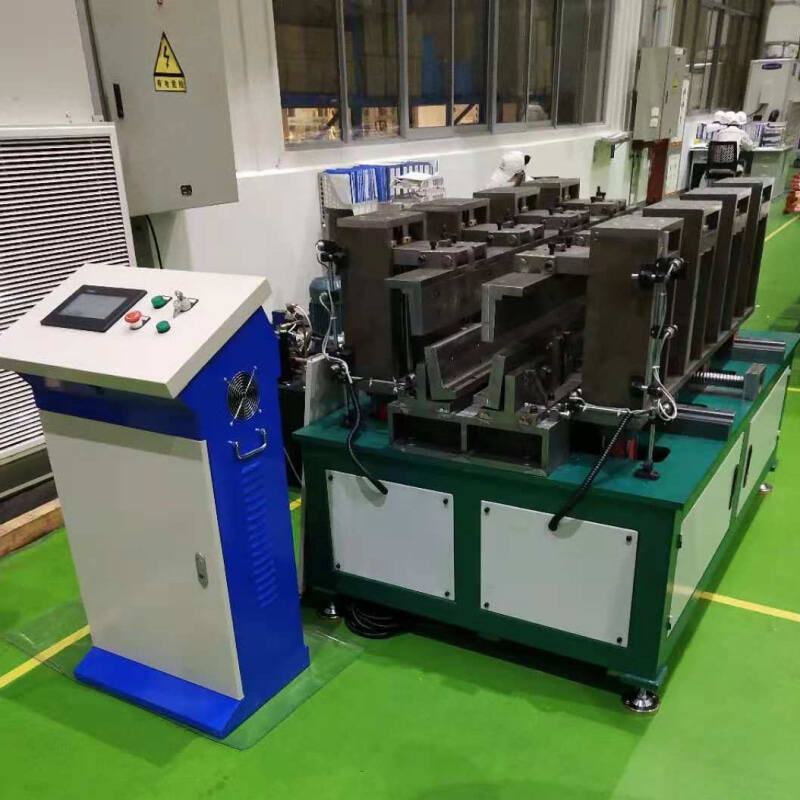
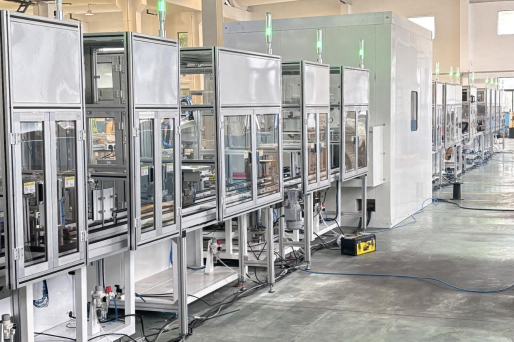
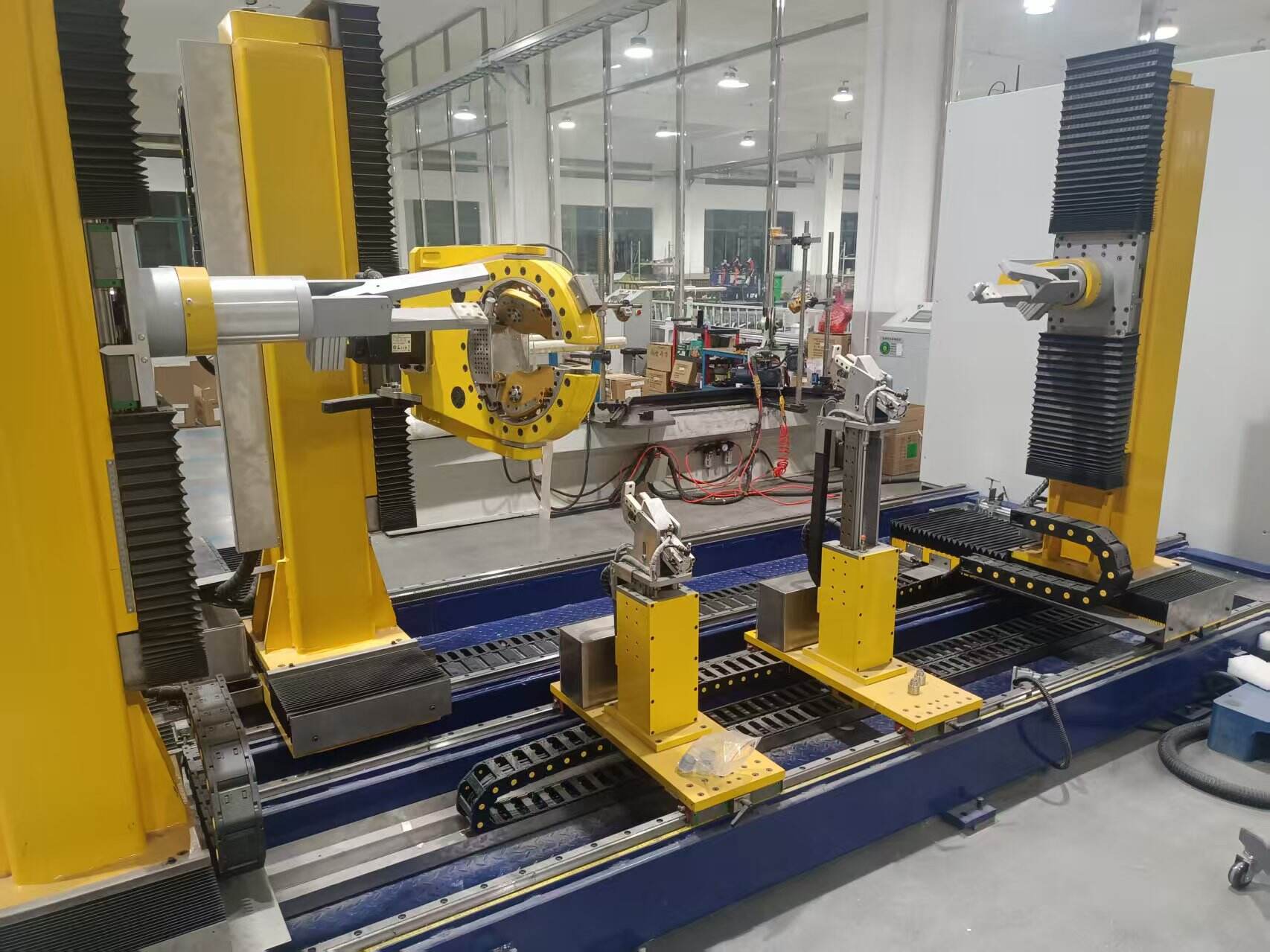
The automated workflow capabilities of a large motor manufacturing machine transform production operations from labor-intensive processes into streamlined, efficient systems that maximize output while minimizing resource consumption. Automation begins with material handling, where the machine receives raw components and positions them precisely for each manufacturing step without manual intervention. This eliminates the time workers previously spent moving materials between workstations and reduces the risk of handling damage. Integrated conveyors, robotic arms, and positioning systems work in coordinated sequences, maintaining continuous flow through the production cycle. The manufacturing process itself proceeds through carefully orchestrated stages that the machine manages autonomously. After loading initial materials, the system executes winding operations, applies insulation, assembles core components, installs bearings, fits housings, makes electrical connections, and performs initial testing without requiring constant human supervision. Operators monitor progress through intuitive interfaces, intervening only when the system requests assistance or when changeovers between product types are necessary. This automation dramatically reduces cycle times compared to manual methods. Process optimization algorithms embedded in the machine's control software continuously analyze performance data and adjust operational parameters to achieve maximum efficiency. These adjustments might involve modifying speeds, altering tool paths, or changing sequence timing based on real-time conditions. The system learns from each production run, gradually improving performance over time without external programming. Automated quality checks occur at critical junctures throughout production. Vision systems inspect component placement, sensors verify dimensional accuracy, electrical tests confirm winding integrity, and functional tests validate motor performance before units proceed to packaging. This integrated quality assurance prevents defective products from advancing through the production line, saving materials and machine time that would otherwise be wasted. The scheduling flexibility that automation provides enables manufacturers to optimize production based on demand patterns and resource availability. The large motor manufacturing machine can operate extended shifts with minimal supervision, running lights-out production during off-peak hours when energy costs are lower. Quick changeover capabilities allow switching between product variants rapidly, enabling efficient batch production that responds to actual orders rather than speculative forecasts. Documentation and traceability happen automatically as the machine records every parameter, measurement, and test result for each motor produced. This comprehensive data trail supports quality certification requirements, enables root cause analysis if field issues arise, and provides valuable insights for continuous improvement initiatives. The productivity gains from automated workflows extend beyond simple speed increases, encompassing improved resource utilization, reduced waste, enhanced quality, and greater operational flexibility that collectively strengthen competitive positioning.
 ×


 EN