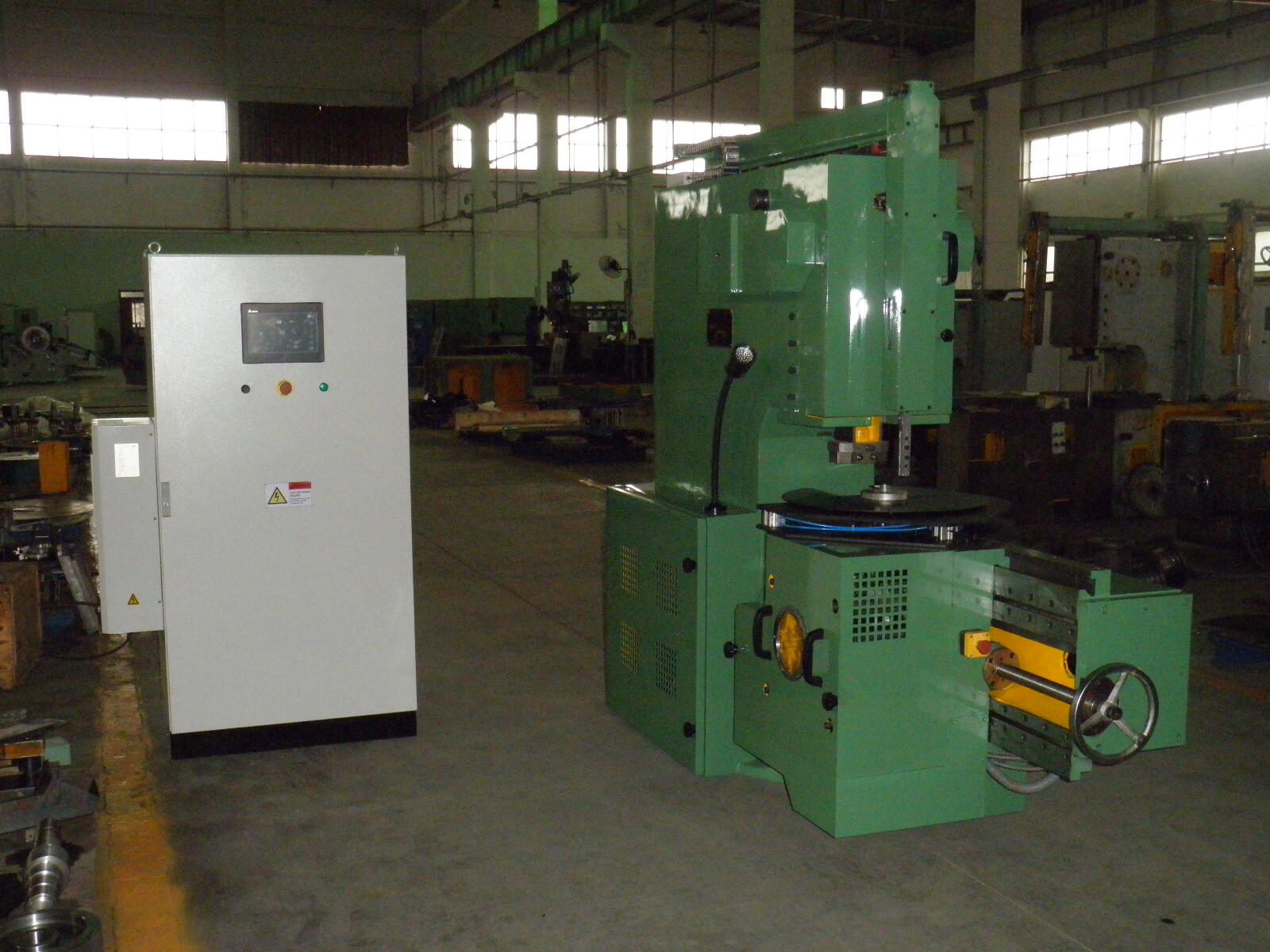
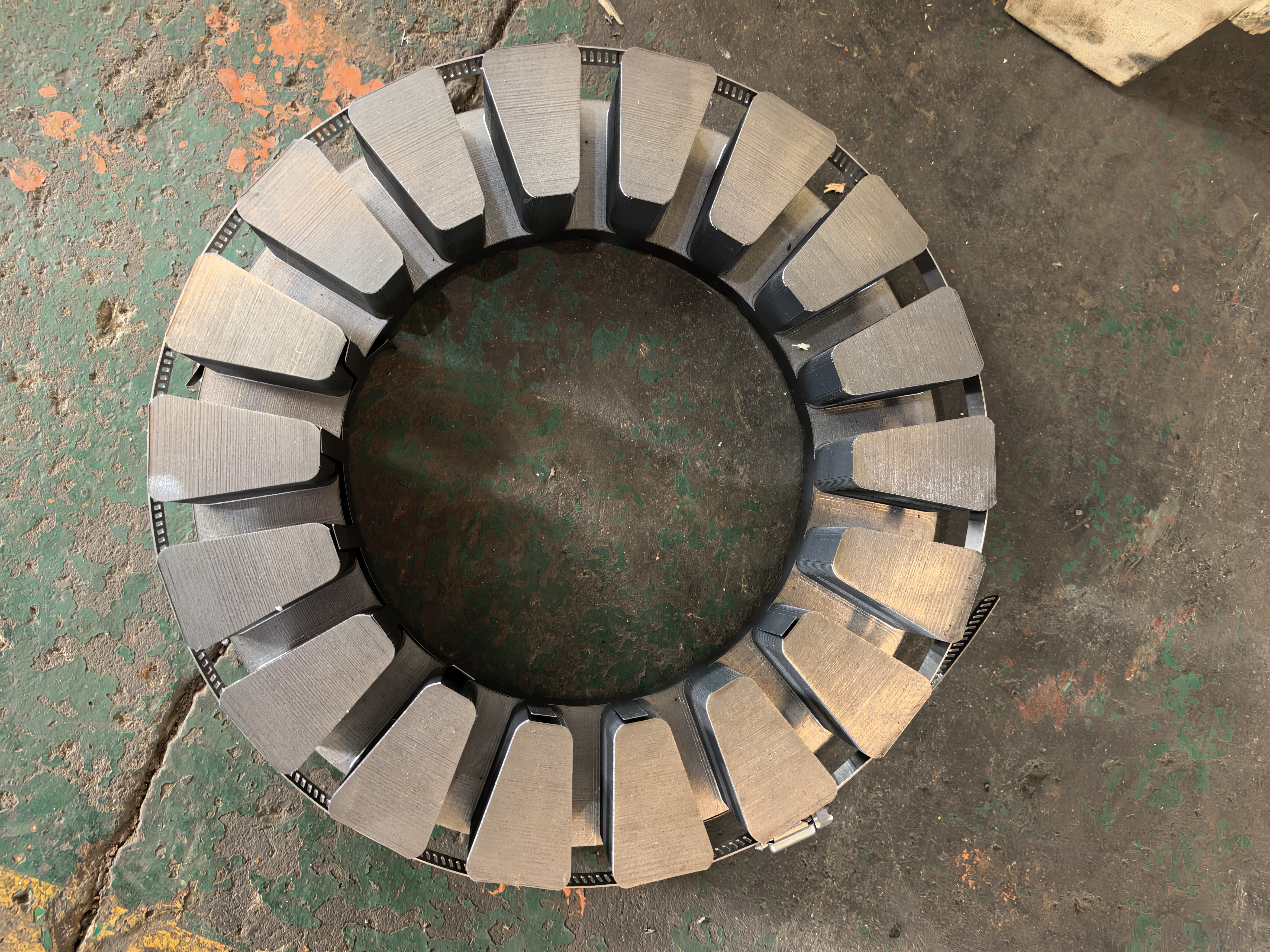
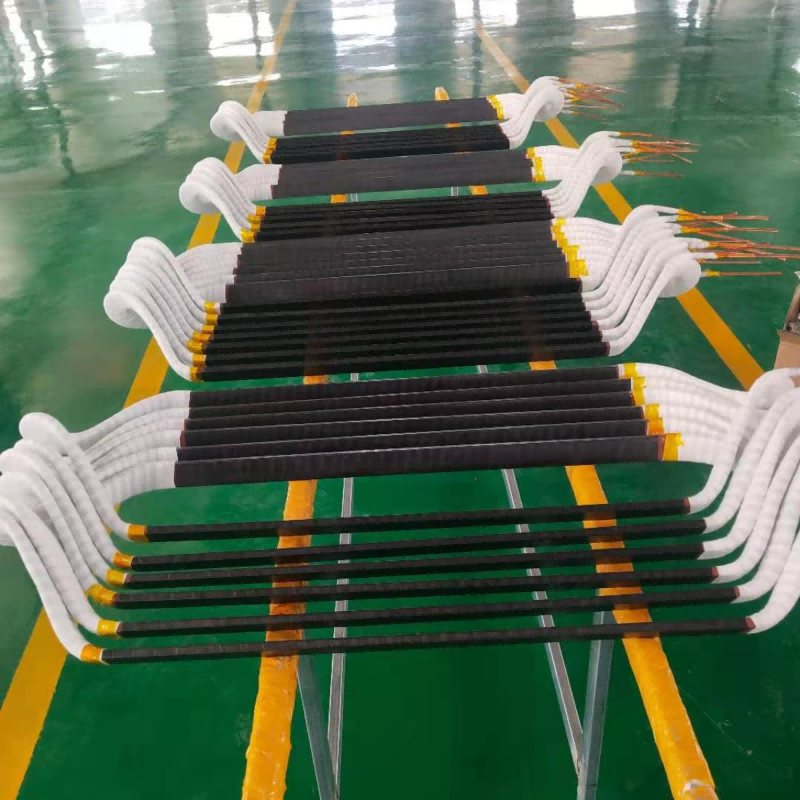
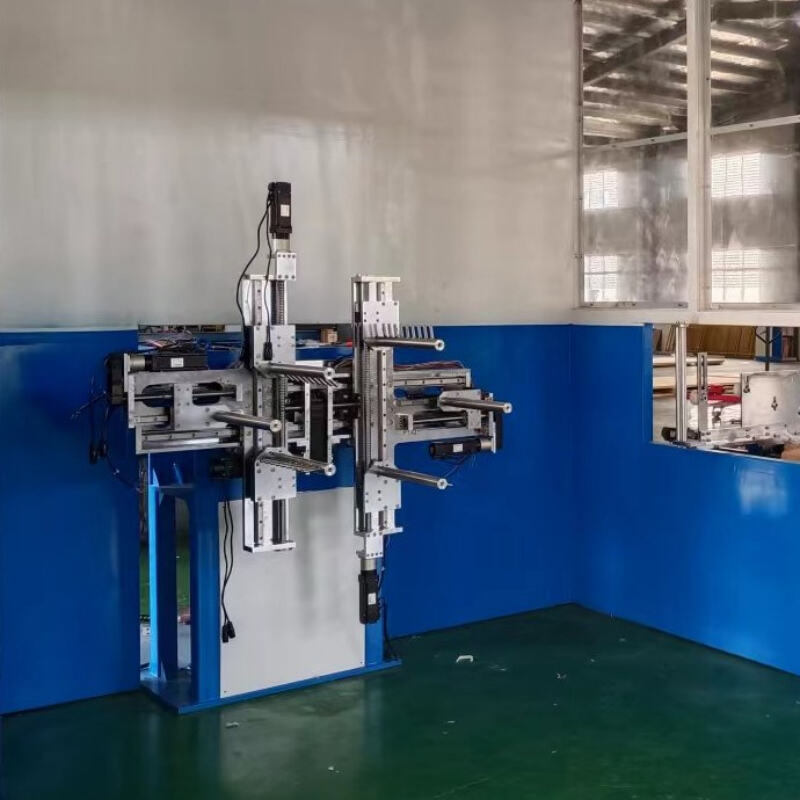
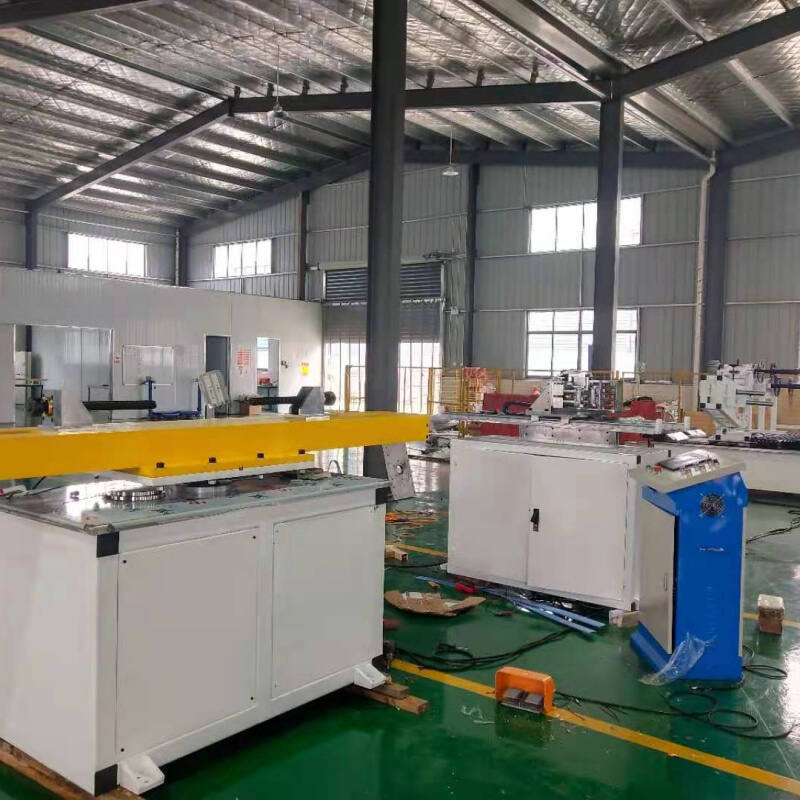
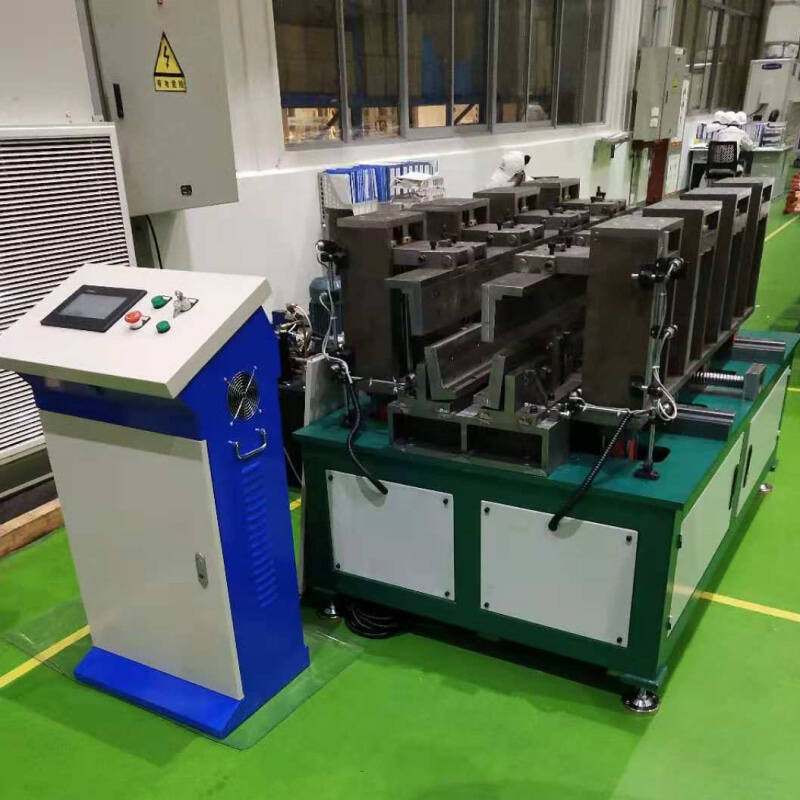
Carbon Fiber Tube Production Machine - Advanced Manufacturing Equipment for High-Performance Composite Tubes

Get a Free Quote

Our representative will contact you soon.
Email
Name
Mobile/WhatsApp
Company Name
Message
0/1000

carbon fiber tube production machine

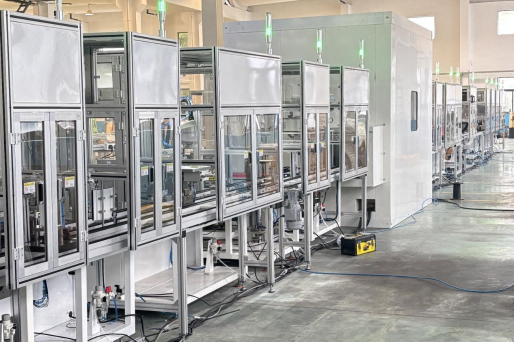
The carbon fiber tube production machine represents a sophisticated manufacturing solution designed to fabricate high-quality carbon fiber tubes with precision and consistency. This advanced equipment automates the entire tube production process, from fiber placement to curing, enabling manufacturers to produce lightweight yet incredibly strong tubular structures for various industrial applications. The machine operates through a carefully controlled process that begins with the preparation of carbon fiber materials, which are then precisely wound around a mandrel using computer-controlled positioning systems. The carbon fiber tube production machine integrates multiple functions including resin impregnation, fiber tensioning, winding pattern control, and temperature regulation. Modern systems feature programmable logic controllers that allow operators to input specific parameters such as winding angles, layer thickness, tube diameter, and length specifications. The technological sophistication of this equipment ensures that each carbon fiber tube production machine delivers consistent quality across production runs. Key technological features include automated fiber feeding mechanisms that maintain constant tension throughout the winding process, preventing inconsistencies that could compromise structural integrity. The heating and curing systems incorporated into the carbon fiber tube production machine utilize precise temperature controls to ensure proper resin polymerization, resulting in tubes with optimal mechanical properties. Many contemporary models include real-time monitoring systems that track production parameters and alert operators to any deviations from specified settings. The applications for tubes produced by this equipment span numerous industries including aerospace, where lightweight structural components are essential for fuel efficiency; automotive manufacturing, particularly in high-performance vehicles requiring strength without added weight; sporting goods production for items like bicycle frames, fishing rods, and golf club shafts; construction sectors utilizing carbon fiber reinforcement; and medical device manufacturing where biocompatible, radiolucent materials are needed. The versatility of the carbon fiber tube production machine allows manufacturers to produce tubes in various diameters, wall thicknesses, and lengths, accommodating diverse customer requirements while maintaining exceptional quality standards throughout the manufacturing process.
New Product Recommendations

Investing in a carbon fiber tube production machine delivers substantial benefits that directly impact your manufacturing efficiency and product quality. First and foremost, this equipment dramatically increases production speed compared to manual fabrication methods, allowing your facility to fulfill larger orders within shorter timeframes and respond quickly to market demands. The automation built into these systems reduces labor costs significantly since fewer operators are needed to oversee the production process, freeing your workforce to focus on quality control and other value-added activities. Consistency stands as another major advantage, as the carbon fiber tube production machine eliminates human error and variability that typically plague manual production methods. Every tube manufactured meets the exact specifications you program into the system, ensuring your customers receive products with uniform quality and performance characteristics. This consistency reduces waste dramatically because fewer defective products are produced, directly improving your profit margins and reducing material costs. The precision capabilities of modern carbon fiber tube production machines enable you to create tubes with complex winding patterns and varied layer configurations that would be extremely difficult or impossible to achieve manually. This opens new market opportunities for specialized applications requiring specific strength characteristics or directional properties. Energy efficiency represents another practical benefit, as these machines optimize heating cycles and cure times, consuming less power than traditional methods while achieving superior results. The reduced curing times also mean faster production cycles, allowing you to manufacture more units per day and maximize your equipment utilization rates. Maintenance requirements for quality carbon fiber tube production machines remain minimal due to robust construction and reliable component selection, minimizing downtime and keeping your production line operational. The scalability of these systems allows you to start with basic configurations and add advanced features as your business grows, protecting your initial investment while providing room for expansion. Quality control becomes simpler with integrated monitoring systems that track every aspect of production, generating detailed reports that help you maintain certifications and satisfy customer requirements for documentation. Worker safety improves substantially since automation reduces direct handling of resins and fibers, minimizing exposure to potentially irritating materials. The competitive advantage gained by owning a carbon fiber tube production machine cannot be overstated, as it positions your company to deliver superior products at competitive prices while maintaining the flexibility to adapt to changing market conditions. Return on investment typically occurs within reasonable timeframes due to increased production volumes, reduced labor expenses, and minimized material waste, making this equipment a sound financial decision for forward-thinking manufacturers.

Tips And Tricks

January 15th, 2026 Air Conditioner BLDC Motor Production line Dispatch to India

08

Apr

January 15th, 2026 Air Conditioner BLDC Motor Production line Dispatch to India

View More
August 30th, 2025, 45W Air conditioner ODU BLDC motor Assembly line Inspection From India customer

08

Apr

August 30th, 2025, 45W Air conditioner ODU BLDC motor Assembly line Inspection From India customer

View More
January 5th , 2026 CNC Coil Forming Machine For High Voltage Motors dispatched to UZ (Uzbekistan)

07

Apr

January 5th , 2026 CNC Coil Forming Machine For High Voltage Motors dispatched to UZ (Uzbekistan)

View More

Get a Free Quote

Our representative will contact you soon.
Email
Name
Mobile/WhatsApp
Company Name
Message
0/1000

carbon fiber tube production machine

Advanced Automated Winding Technology

Advanced Automated Winding Technology

The automated winding technology incorporated into modern carbon fiber tube production machines revolutionizes how manufacturers approach tube fabrication, offering unprecedented control over fiber placement and structural characteristics. This sophisticated system utilizes computer numerical control to guide fiber placement with micron-level accuracy, ensuring that each layer of carbon fiber follows the precisely calculated path necessary to achieve optimal mechanical properties. The carbon fiber tube production machine employs multi-axis motion control systems that coordinate mandrel rotation with lateral carriage movement, creating complex winding patterns that can be customized for specific strength requirements in different directions. Operators can program helical winding patterns, hoop winding configurations, or combination patterns that optimize the tube for particular stress conditions it will encounter in service. The automated tensioning system maintains consistent fiber tension throughout the winding process, preventing loose spots that could create weak points or overly tight sections that might cause resin-rich areas with reduced strength. This precision tensioning proves especially critical when working with expensive carbon fiber materials, as it maximizes material utilization while ensuring structural integrity. The fiber feeding mechanism integrated into the carbon fiber tube production machine handles multiple fiber tows simultaneously, allowing for faster buildup of tube wall thickness and enabling the creation of hybrid structures combining different fiber types or orientations within a single tube. Temperature sensors and control systems monitor mandrel and ambient temperatures continuously, adjusting heating elements to maintain ideal conditions for resin flow and fiber wetting. This thermal management ensures that resin viscosity remains optimal throughout the winding process, promoting complete fiber impregnation and eliminating voids that could compromise tube performance. The automated nature of this carbon fiber tube production machine technology means production can continue with minimal supervision once parameters are established, allowing skilled technicians to oversee multiple machines or focus on quality verification tasks. Changeover between different tube specifications happens quickly through software adjustments rather than mechanical reconfiguration, maximizing production flexibility and minimizing downtime between production runs. This adaptability makes the carbon fiber tube production machine ideal for manufacturers serving diverse markets with varying product requirements, enabling economic production of both high-volume standard products and smaller batches of specialized tubes.
Integrated Resin Impregnation System

Integrated Resin Impregnation System

The integrated resin impregnation system built into advanced carbon fiber tube production machines represents a critical component that directly influences final product quality and manufacturing efficiency. This system ensures thorough and uniform resin distribution throughout the carbon fiber reinforcement, creating tubes with consistent mechanical properties and eliminating the dry spots or resin-poor areas that compromise structural performance. The carbon fiber tube production machine typically employs one of several impregnation methods, including resin bath systems where fibers pass through controlled resin pools before winding, or more sophisticated pre-preg handling systems for operations using pre-impregnated materials. For wet winding applications, the resin delivery system maintains precise control over resin temperature and viscosity, adjusting these parameters in real-time based on ambient conditions and production speed. Heated resin reservoirs keep epoxy, vinyl ester, or other resin systems at optimal working temperatures, ensuring consistent flow characteristics and proper fiber wetting throughout extended production runs. The metering systems control resin application rates with precision, preventing excessive resin that adds unnecessary weight and cost while ensuring sufficient resin content for complete fiber encapsulation and void-free laminates. Many carbon fiber tube production machines incorporate doctor blade systems or squeeze rollers that remove excess resin after fiber impregnation, maintaining the target fiber-to-resin ratio that engineers specify for optimal mechanical properties. This controlled resin content proves essential for achieving the lightweight yet strong characteristics that make carbon fiber tubes desirable across numerous applications. The closed-loop design of modern resin systems minimizes emissions of volatile organic compounds, improving workplace air quality and helping manufacturers meet environmental regulations while reducing material waste through resin recovery and recycling. Automated cleaning cycles built into the carbon fiber tube production machine flush resin pathways at production completion or during material changeovers, preventing cross-contamination between different resin systems and maintaining system cleanliness that ensures consistent performance. The integration of resin impregnation directly into the winding process eliminates separate prepreg manufacturing steps, reducing production time and handling while lowering overall manufacturing costs. Quality monitoring sensors within the impregnation system detect resin level variations, viscosity changes, or temperature deviations, alerting operators to conditions that might affect product quality before defects occur. This proactive monitoring capability inherent in the carbon fiber tube production machine helps maintain consistent output quality and reduces waste from off-specification products.
Precision Curing and Consolidation Control

Precision Curing and Consolidation Control

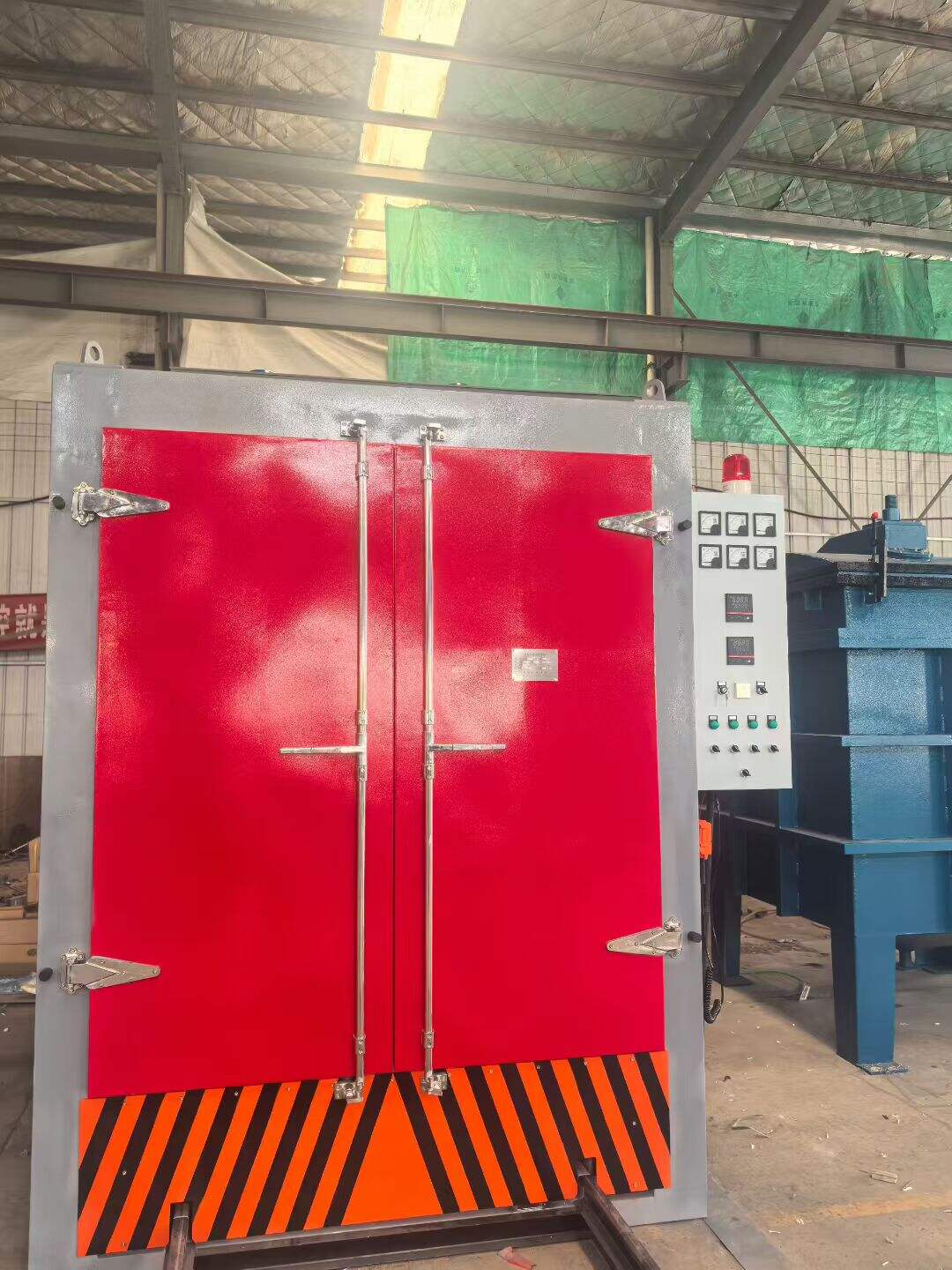
The precision curing and consolidation control systems integrated into sophisticated carbon fiber tube production machines determine the final mechanical properties and dimensional accuracy of manufactured tubes, making this functionality absolutely essential for producing high-performance components. The carbon fiber tube production machine incorporates programmable heating systems that follow carefully designed temperature profiles, gradually raising tube temperature to initiate resin cure while avoiding thermal spikes that could cause internal stresses or dimensional distortion. Multiple heating zones along the mandrel length allow independent temperature control in different sections, accommodating the thermal mass variations that occur in tubes with varying wall thicknesses or when producing longer tubes where heat distribution becomes challenging. Infrared heating elements, resistance heating systems, or induction heating methods may be employed depending on the specific carbon fiber tube production machine design, each offering particular advantages for different production scenarios. The consolidation pressure applied during curing compacts the fiber layers, eliminating voids and ensuring intimate contact between layers that maximizes interlaminar strength and produces tubes with superior fatigue resistance and impact tolerance. Vacuum bagging systems integrated into some carbon fiber tube production machines apply uniform pressure across the entire tube surface, while others utilize shrink tape or inflatable bladders to achieve consolidation pressure. The automated control systems monitor cure progression through temperature sensors and, in advanced systems, through dielectric sensors that track resin polymerization in real-time, ensuring complete cure before parts are demolded. This monitoring prevents premature part removal that could result in dimensional instability or incomplete mechanical property development. Cooling cycles programmed into the carbon fiber tube production machine follow controlled ramp-down profiles that minimize thermal shock and reduce residual stresses that might cause warpage or microcracking after part removal. The mandrel release mechanisms incorporated into these systems facilitate easy part removal without damaging the finished tube surface or requiring excessive force that might cause delamination. For continuous production operations, some carbon fiber tube production machines feature multiple mandrels in rotating carousel configurations, allowing one tube to cure while another is being wound, maximizing equipment utilization and production throughput. The data logging capabilities built into modern curing systems create detailed records of time-temperature profiles for each production run, providing documentation that quality assurance departments require and enabling process optimization through analysis of historical production data. This traceability proves invaluable for manufacturers serving industries with stringent quality requirements such as aerospace or medical devices where complete production documentation must accompany delivered products. The flexibility of programmable curing profiles means the same carbon fiber tube production machine can accommodate different resin systems with varying cure requirements, allowing manufacturers to optimize material selection for specific applications without investing in multiple specialized equipment systems.

Get a Free Quote

Our representative will contact you soon.
Email
Name
Mobile/WhatsApp
Company Name
Message
0/1000