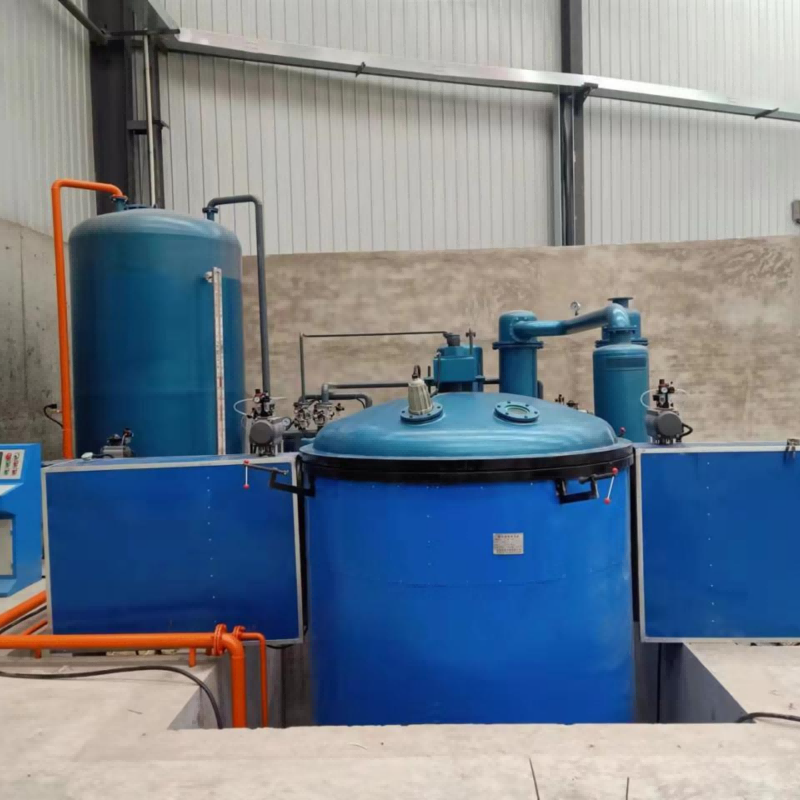
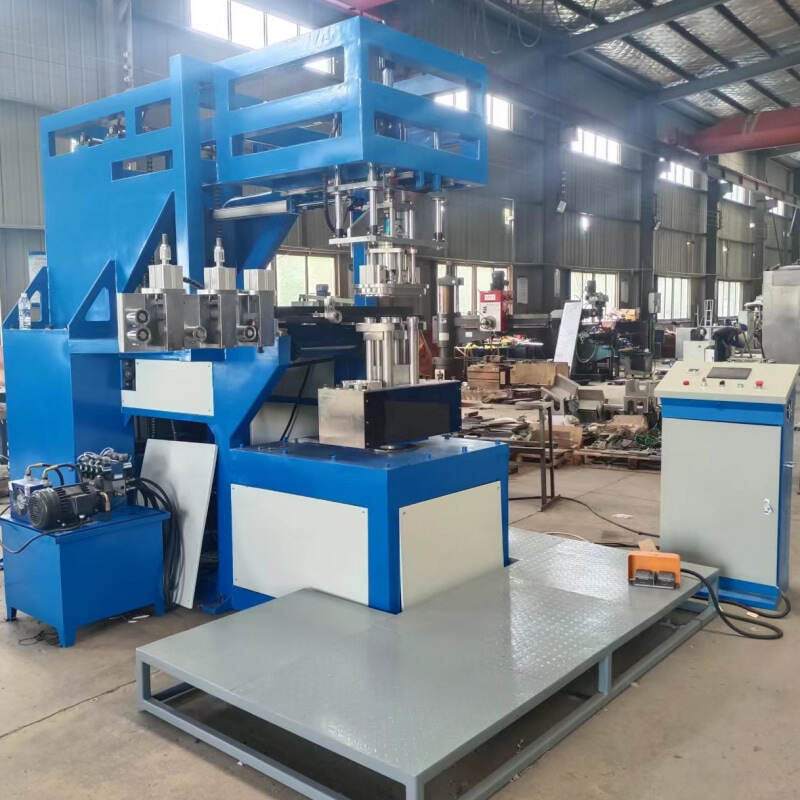
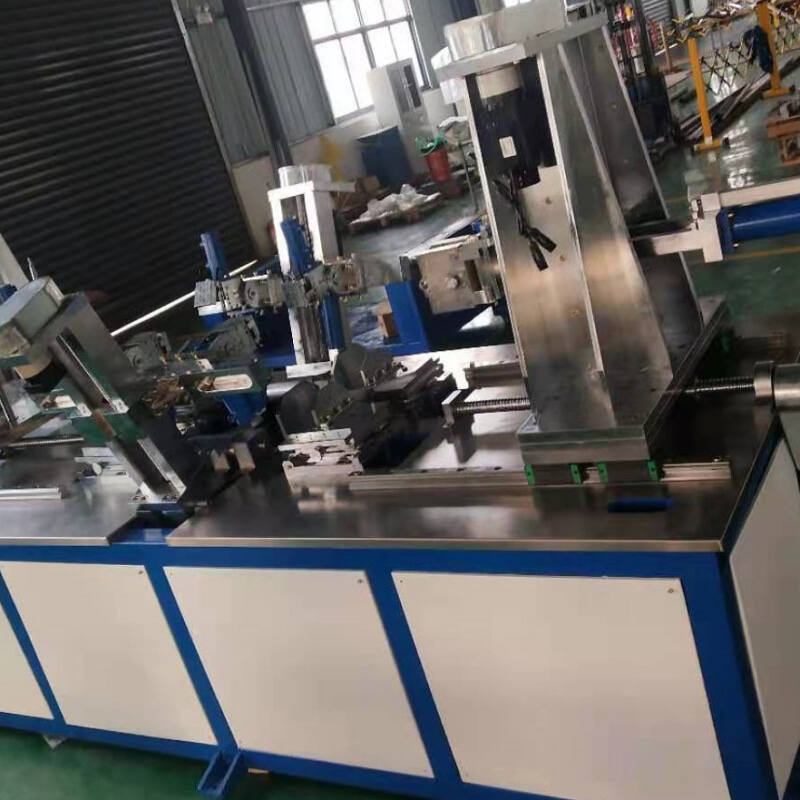
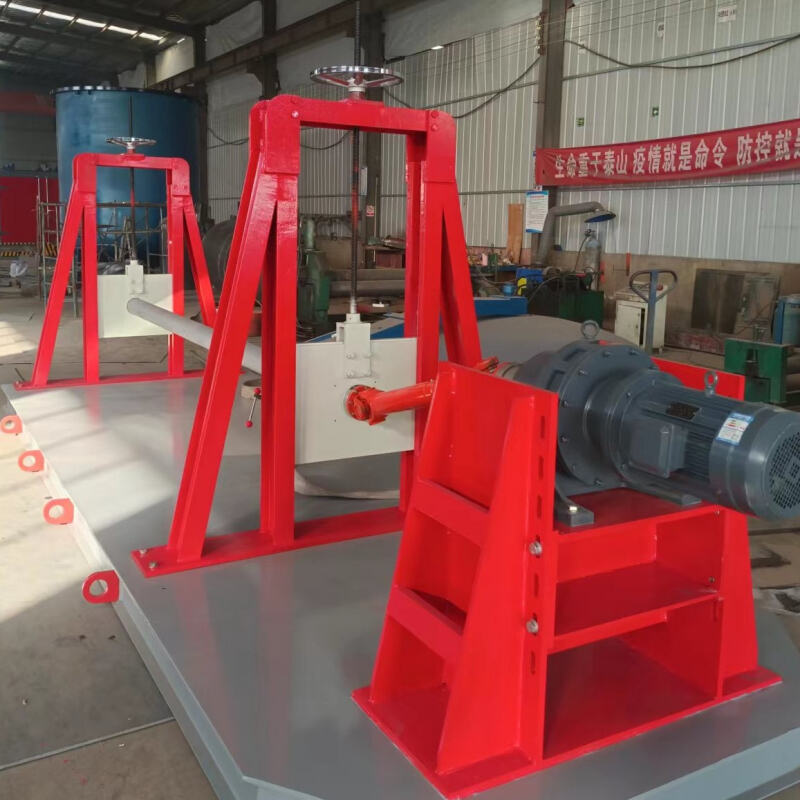
high quality coil taping machine
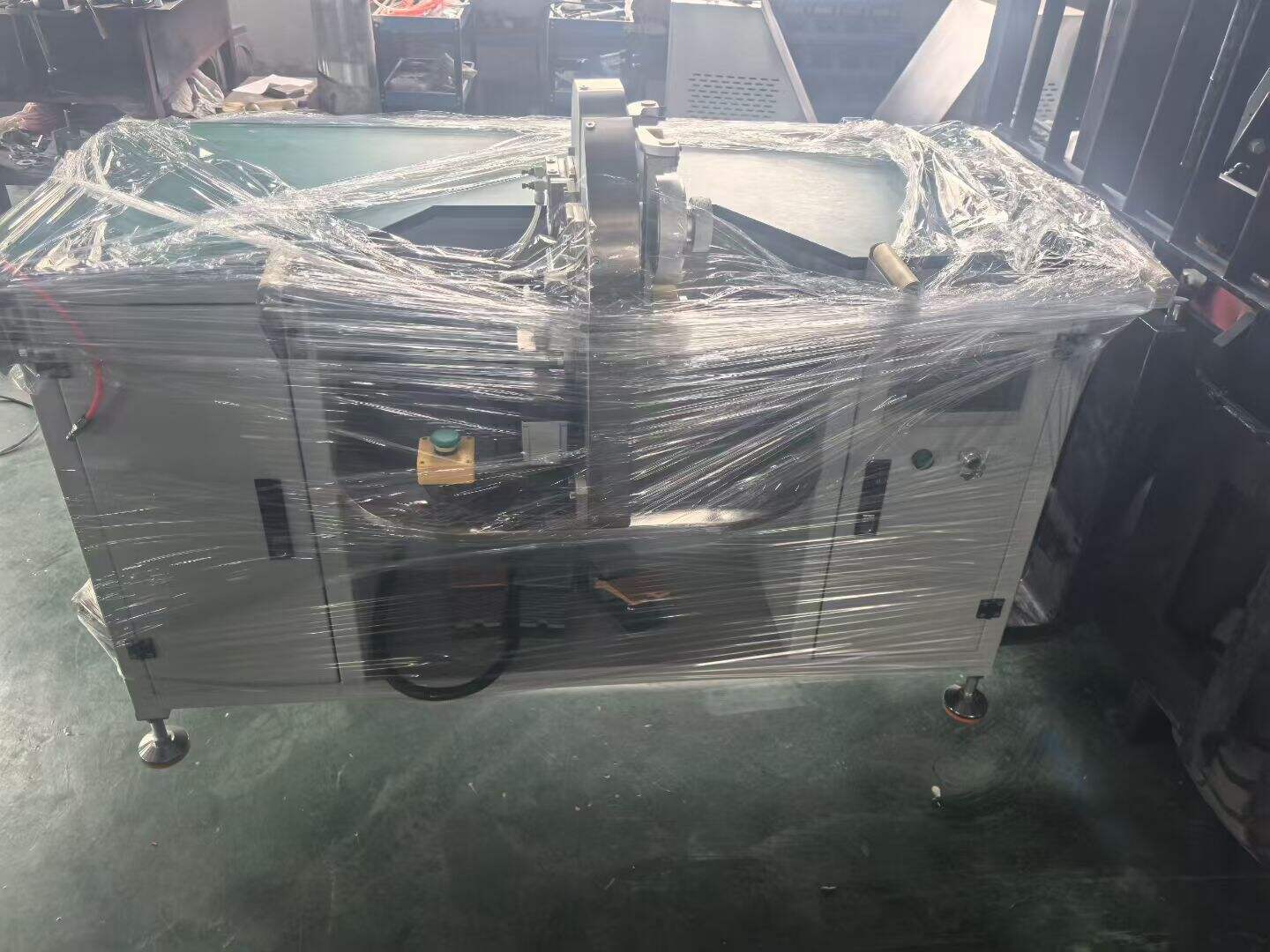
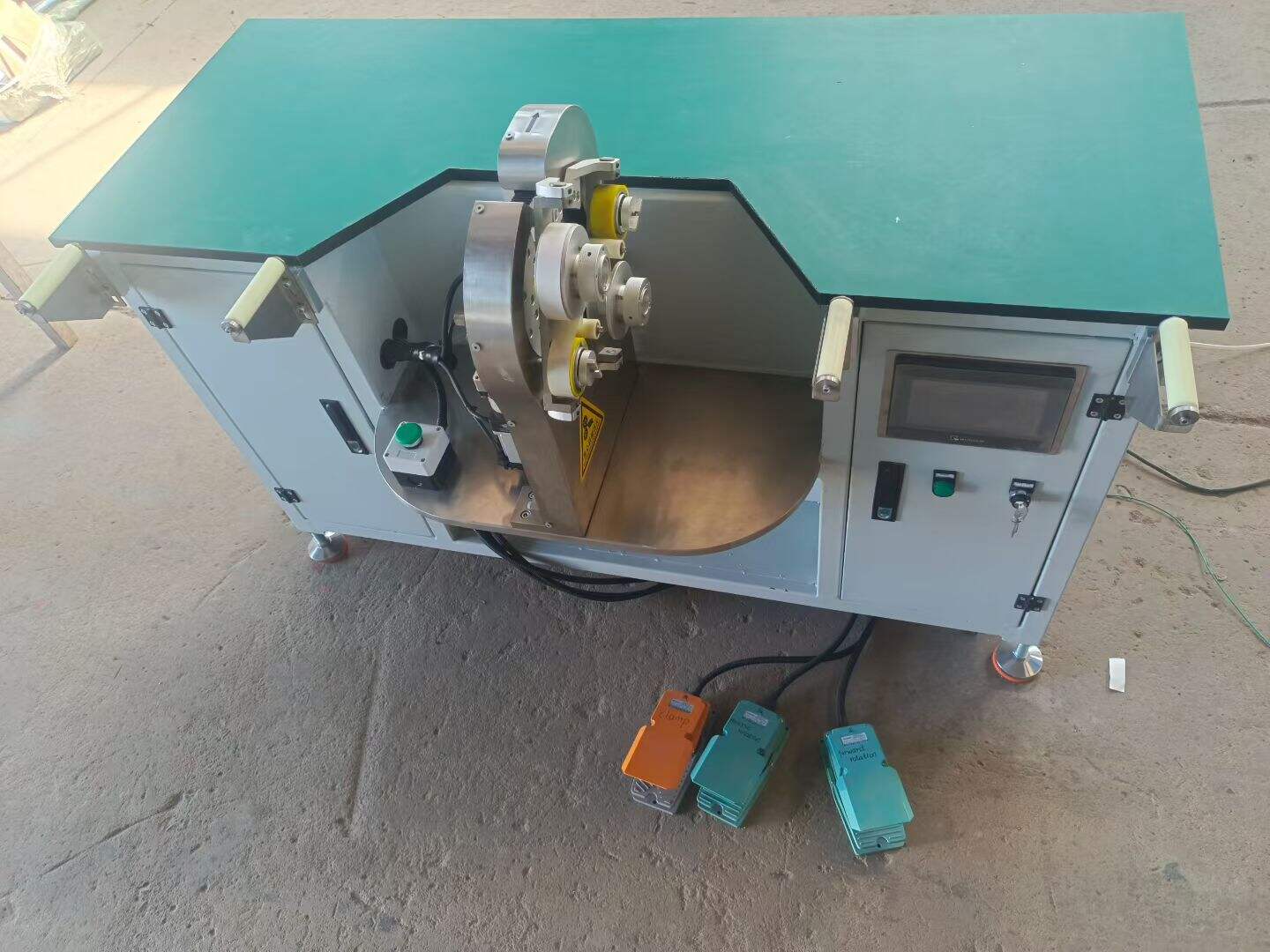
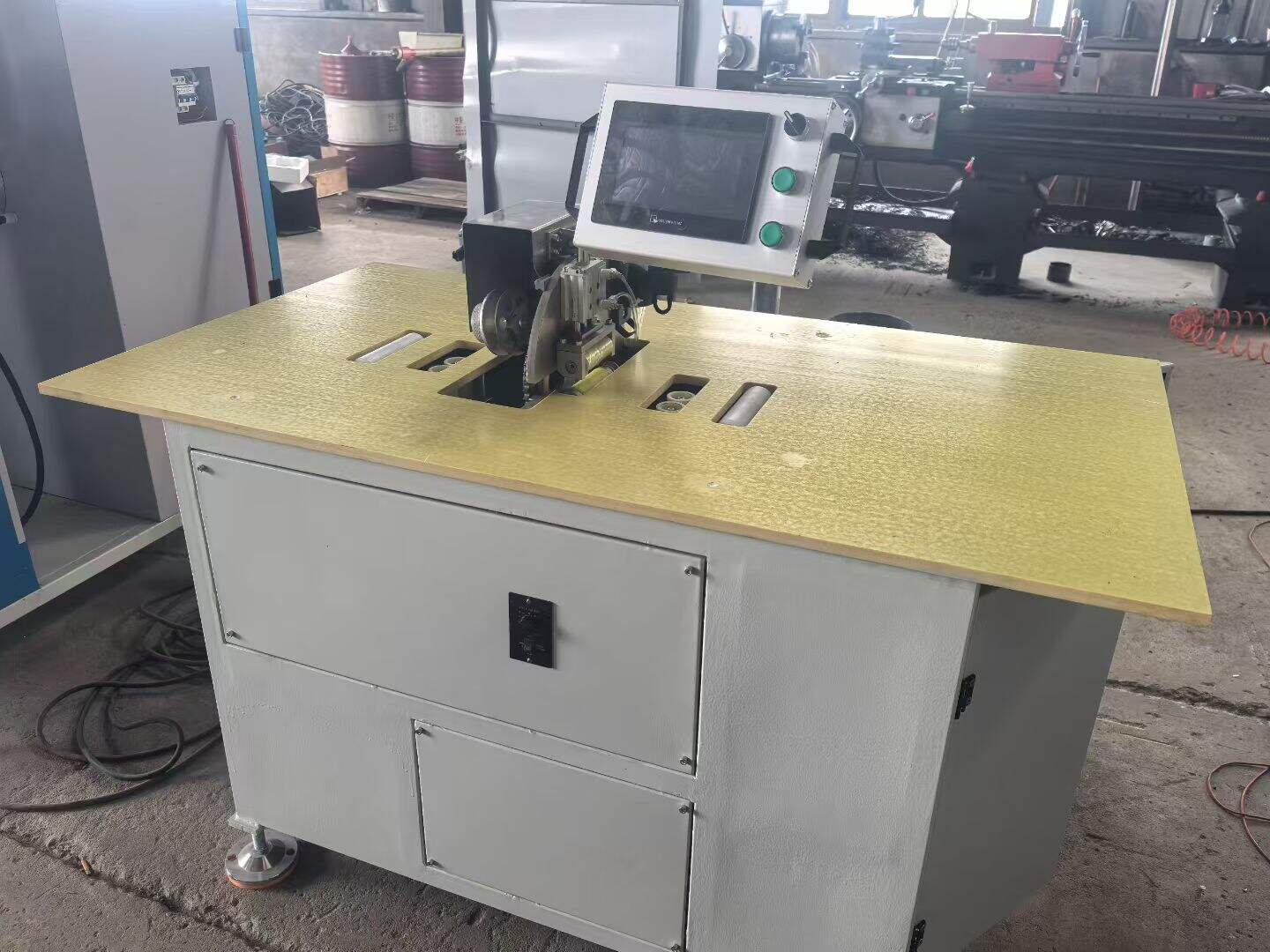
A high quality coil taping machine represents an essential piece of equipment in modern manufacturing facilities that work with electrical motors, transformers, and various electromagnetic components. This sophisticated device automates the process of applying insulation tape around coils, ensuring consistent protection and professional finishing. The primary function of a high quality coil taping machine involves wrapping insulation materials systematically around wire coils to prevent electrical short circuits, mechanical damage, and environmental deterioration. These machines utilize advanced servo motor technology and precision control systems to deliver accurate tape application at adjustable speeds and tensions. The equipment accommodates various coil sizes and configurations, making it versatile for different production requirements. Modern high quality coil taping machines incorporate user-friendly interfaces with digital displays that allow operators to program specific parameters including tape width, wrapping angle, overlap percentage, and rotation speed. The technological features include automatic tape cutting mechanisms, adjustable tension control systems, and programmable logic controllers that ensure repeatable results across production batches. These machines employ robust construction with corrosion-resistant materials designed for long-term reliability in industrial environments. The applications span across multiple industries including electric motor manufacturing, transformer production, automotive component fabrication, home appliance assembly, and renewable energy equipment manufacturing. In electric motor production, the high quality coil taping machine ensures proper insulation of stator and rotor windings, which directly impacts motor performance and longevity. Transformer manufacturers rely on these machines to apply consistent insulation layers that meet stringent electrical safety standards. The precision offered by automated taping eliminates human error associated with manual wrapping processes, resulting in superior product quality and reduced material waste. Additionally, these machines significantly increase production efficiency by completing taping tasks in a fraction of the time required for manual operations while maintaining uniform quality standards throughout extended production runs.
 ×
×


 EN
EN