Seamless Integration with Modern Manufacturing Workflows
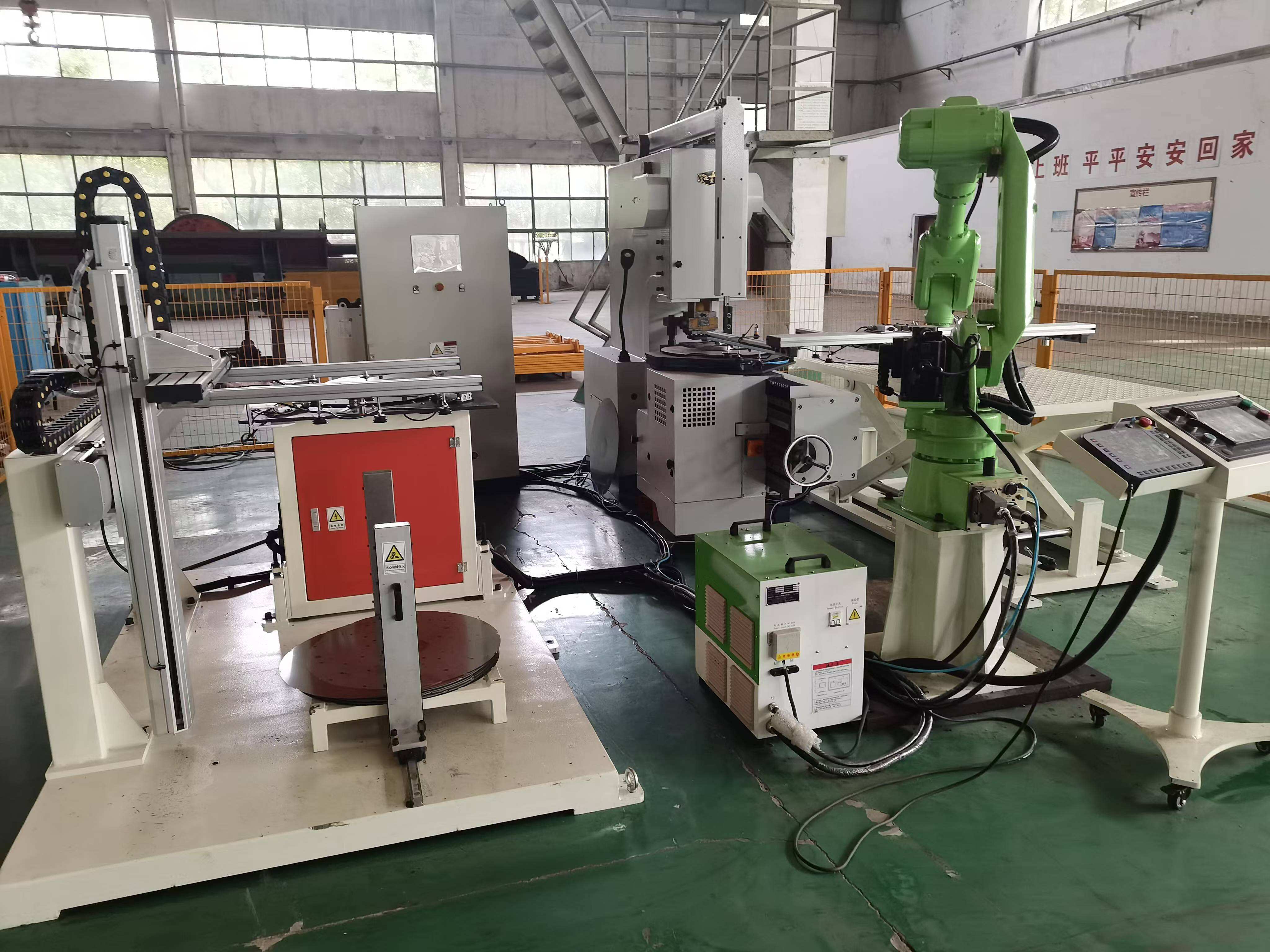
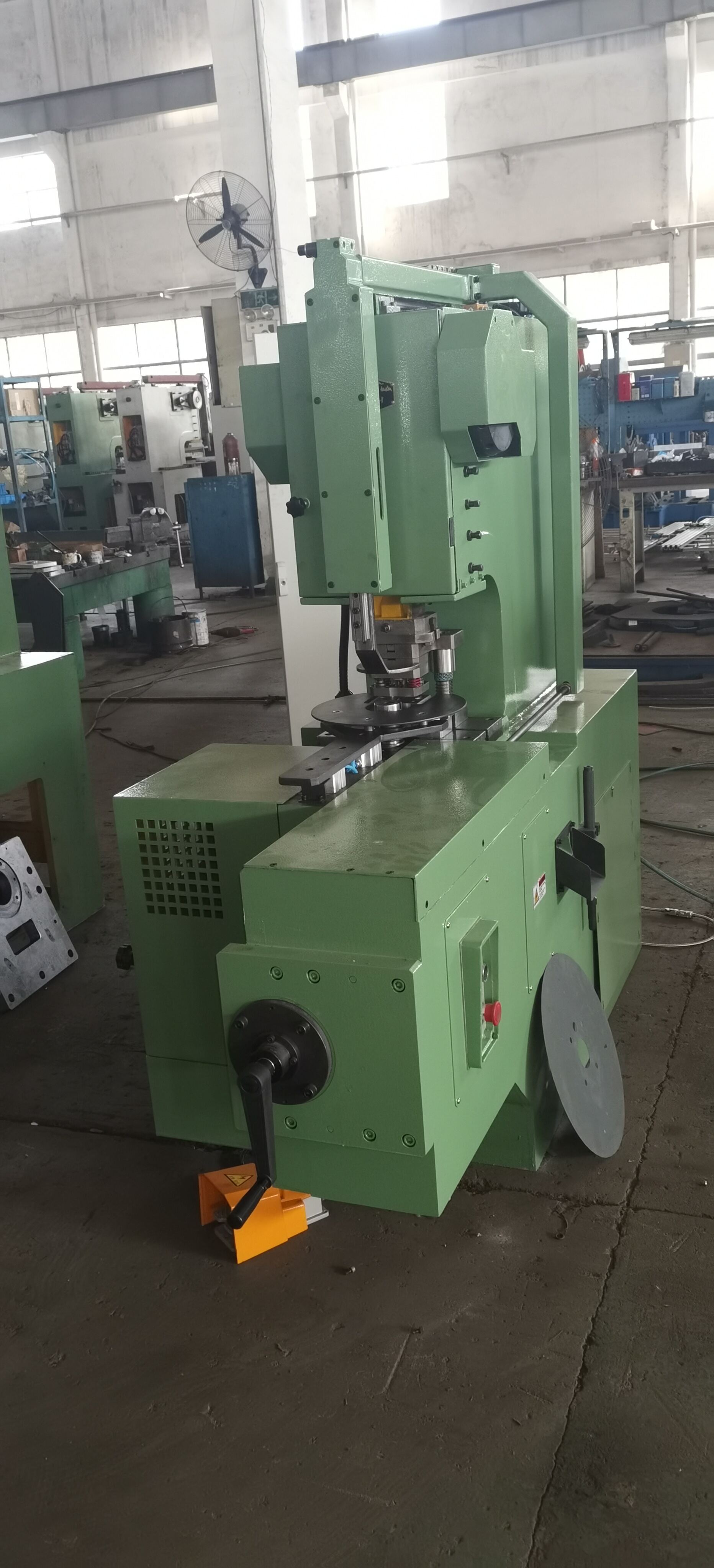
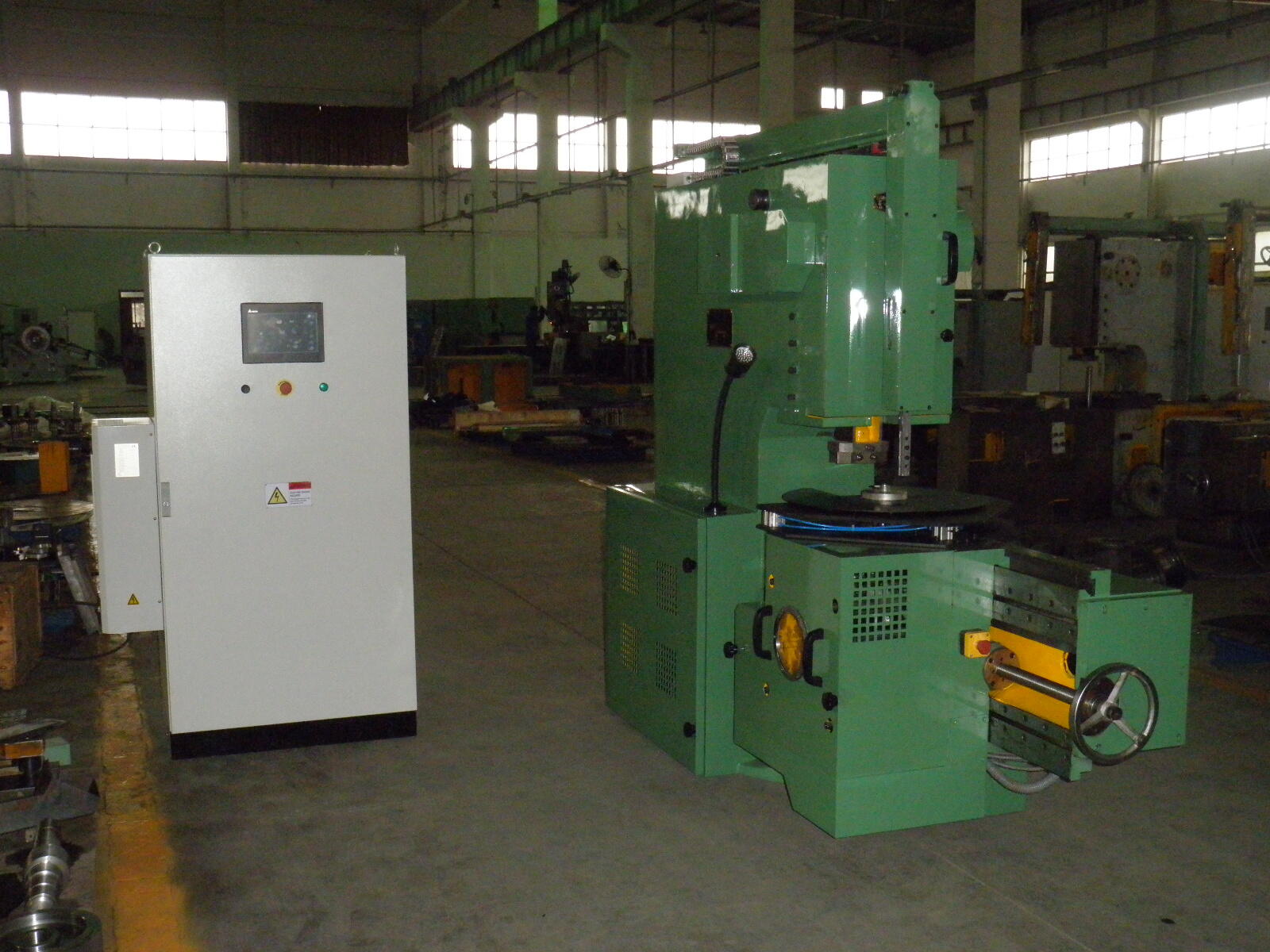
The contemporary motor lamination notching press excels at connecting with broader production systems, offering connectivity and automation features that align perfectly with Industry 4.0 manufacturing principles. Modern equipment includes standard industrial communication protocols such as Ethernet/IP, Profinet, or Modbus that enable the press to exchange data with factory management systems, quality databases, and upstream or downstream production equipment. This connectivity transforms the motor lamination notching press from an isolated machine into an intelligent node within your manufacturing network, providing visibility and control that enhances overall operational efficiency. Production managers gain real-time insights into machine status, cycle counts, quality metrics, and maintenance requirements through dashboards accessible from office computers or mobile devices, eliminating the need for manual data collection and floor walks. The integration capabilities extend to automated material handling systems, where the motor lamination notching press can coordinate with robotic pick-and-place units, conveyor systems, or gantry loaders to create fully automated work cells. These automated configurations dramatically increase throughput while reducing labor requirements, allowing skilled workers to focus on value-added activities like quality analysis and process optimization rather than repetitive material handling tasks. Recipe management systems within the press controller store complete production parameters for different lamination types, including pressing force, dwell time, position settings, and quality thresholds. When production schedules change, operators simply select the appropriate recipe, and the motor lamination notching press automatically configures itself for the new product, eliminating manual adjustments and associated setup errors. Statistical process control functions built into modern controllers track dimensional measurements and process parameters over time, generating control charts and capability analyses that support continuous improvement initiatives and quality certification requirements. Predictive maintenance algorithms monitor component performance patterns, identifying subtle changes that indicate approaching wear or impending failures before they cause unexpected breakdowns. This foresight allows maintenance teams to schedule component replacements during planned downtime rather than responding to emergency failures that disrupt production schedules. The motor lamination notching press also supports traceability requirements increasingly common in automotive and aerospace supply chains, recording production data for each lamination batch that can be retrieved years later if quality investigations become necessary. For manufacturers implementing lean production methodologies, the quick-changeover capabilities and minimal setup requirements of a motor lamination notching press align perfectly with small-batch production strategies and just-in-time inventory approaches. The equipment adapts to your specific workflow requirements rather than forcing your processes to conform to machine limitations, providing the flexibility essential for responsive manufacturing in dynamic market conditions.
 ×


 EN