Stator Punching Press: Precision Lamination Manufacturing Equipment for Electric Motor Production

Get a Free Quote

Our representative will contact you soon.
Email
Name
Mobile/WhatsApp
Company Name
Message
0/1000

stator punching press

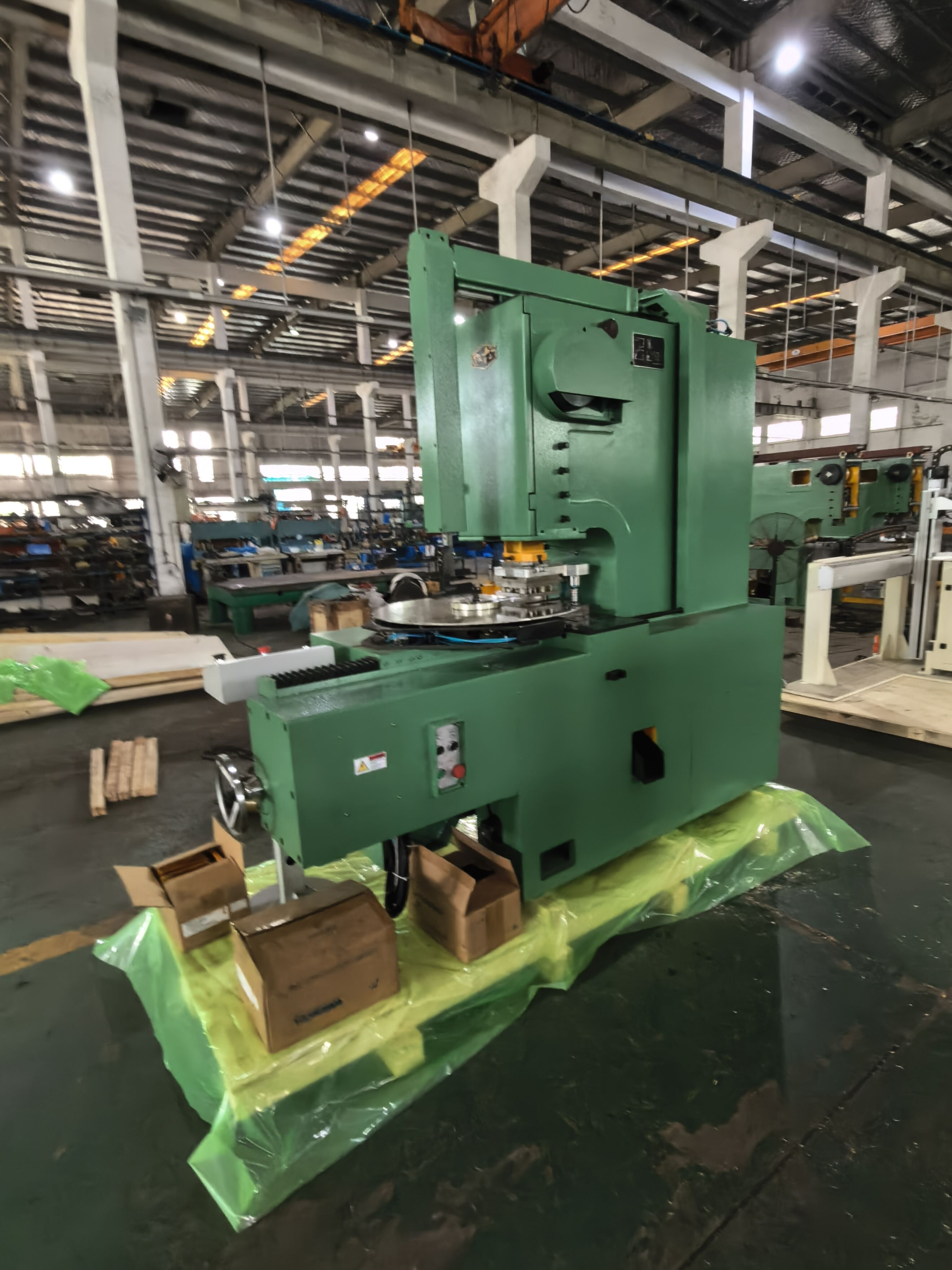
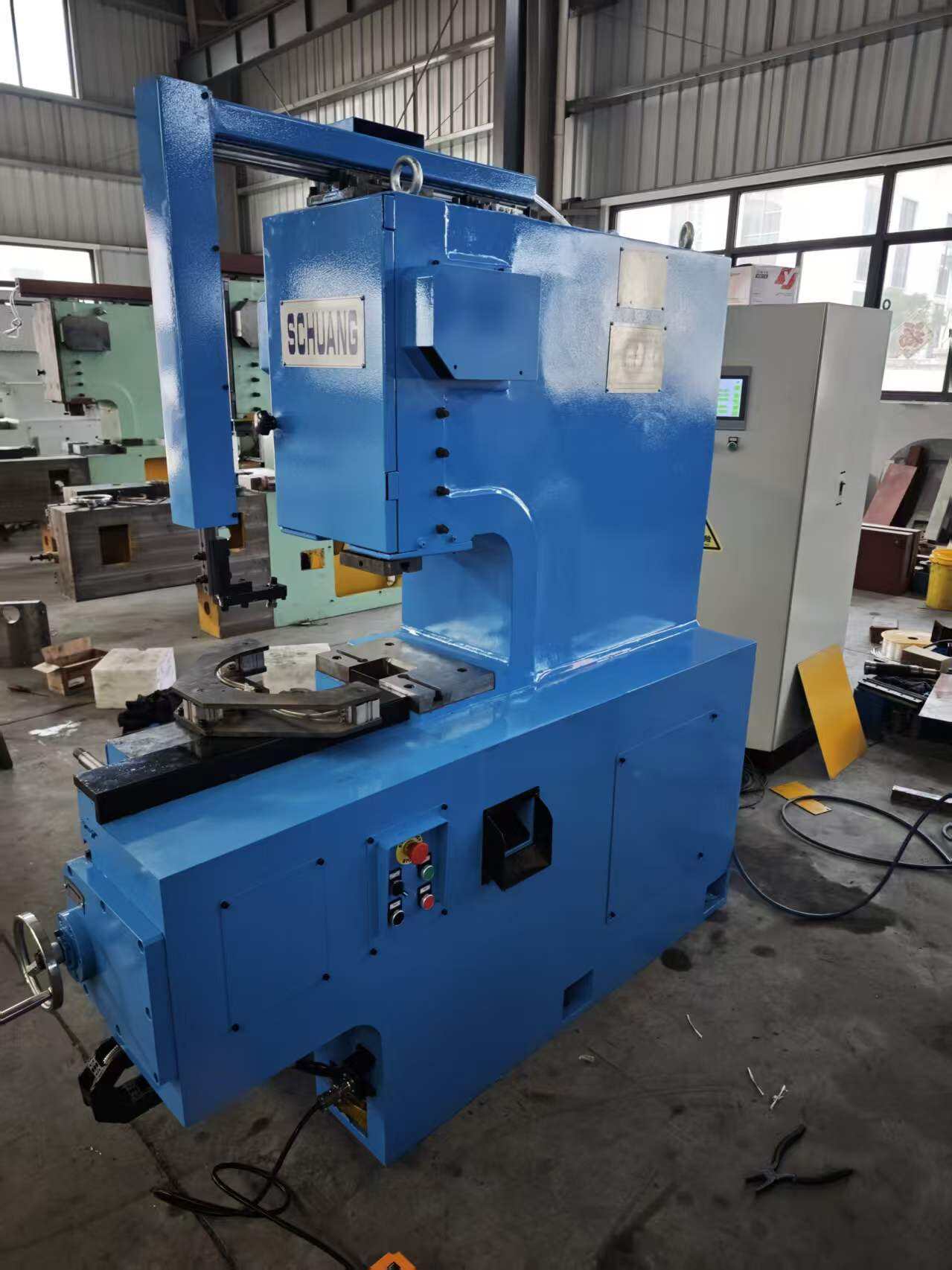
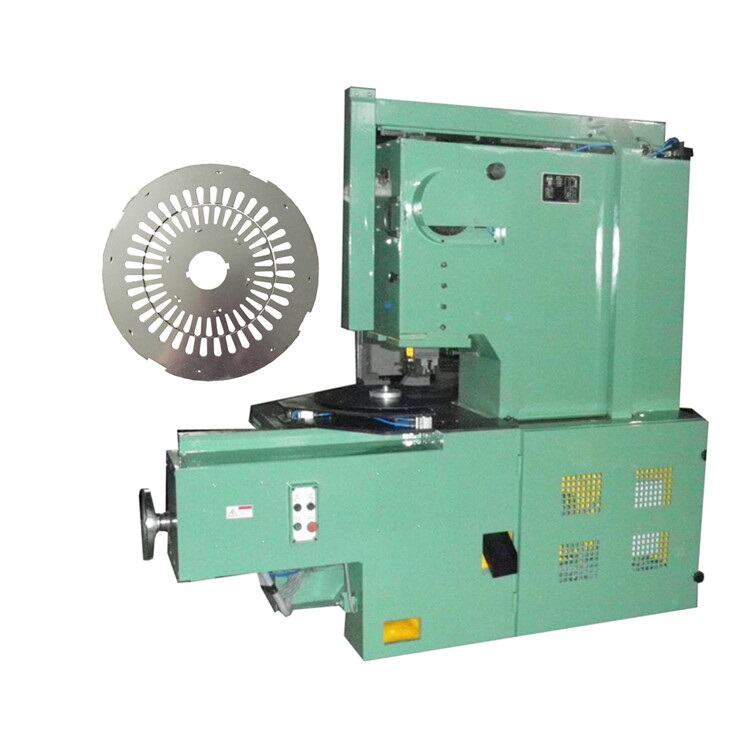
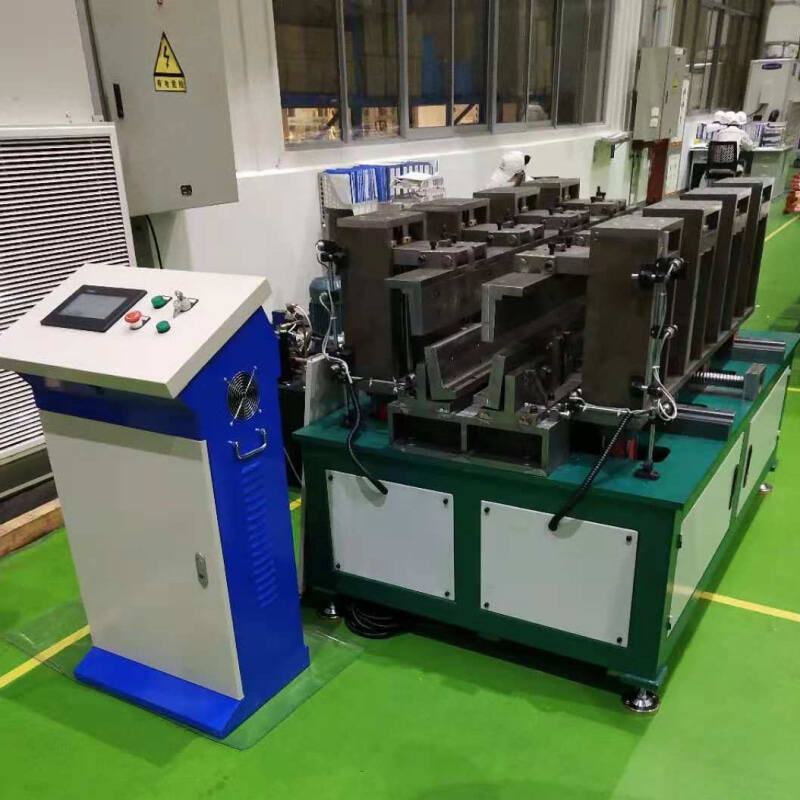
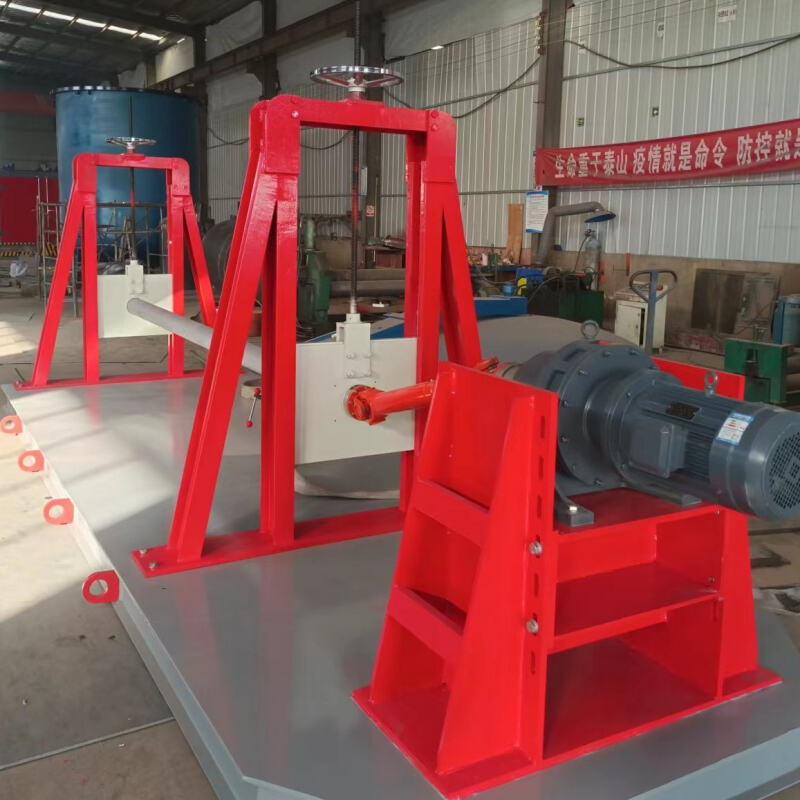
A stator punching press represents specialized manufacturing equipment designed specifically for producing laminated cores used in electric motors and generators. This precision machine performs high-speed stamping operations to create individual stator laminations from electrical steel sheets, which are then stacked to form the complete stator core assembly. The stator punching press integrates multiple manufacturing processes into one streamlined operation, including material feeding, precise punching, notching, and stacking capabilities. Modern stator punching press systems utilize advanced servo motor technology and programmable logic controllers to ensure consistent quality and dimensional accuracy throughout production runs. The equipment handles various sizes and configurations of stator designs, accommodating different slot patterns, outer diameters, and lamination thicknesses based on specific motor requirements. These machines operate at impressive speeds, capable of producing thousands of laminations per hour while maintaining tight tolerances essential for optimal motor performance. The stator punching press features robust construction with hardened steel components to withstand the repetitive high-pressure stamping forces involved in metalworking operations. Automated material handling systems integrated within the press minimize manual intervention, reducing labor costs and improving workplace safety. The technology incorporates precision die sets that can be quickly changed to accommodate different stator designs, providing manufacturers with production flexibility. Quality control sensors monitor each punching cycle, detecting defects or dimensional variations in real-time to prevent production of non-conforming parts. Applications for the stator punching press span across industries including automotive manufacturing for electric vehicle motors, home appliance production, industrial machinery, HVAC systems, and renewable energy equipment. The equipment proves particularly valuable in high-volume production environments where consistency, speed, and cost-effectiveness determine competitive advantage in the marketplace.

New Product Releases

Investing in a stator punching press delivers substantial benefits that directly impact your manufacturing efficiency and bottom-line profitability. First and foremost, these machines dramatically increase production speed compared to manual or semi-automatic methods, enabling your facility to meet growing demand without proportional increases in labor costs. The automated nature of the stator punching press reduces dependency on skilled operators for repetitive tasks, allowing you to redeploy valuable human resources to more strategic activities while the machine handles high-volume stamping operations consistently. You gain remarkable precision with every stroke, as computerized controls maintain exact positioning and pressure, eliminating the variations that plague manual processes and result in rejected parts or rework expenses. Material utilization improves significantly because optimized nesting patterns programmed into the machine reduce scrap waste, directly lowering your raw material costs per finished unit. The quick-change tooling systems built into modern presses minimize downtime between production runs, meaning you can switch between different stator designs rapidly to accommodate varied customer orders without lengthy setup periods eating into productive hours. Energy efficiency has improved tremendously in newer models, with servo-driven systems consuming power only during actual punching cycles rather than running continuously, reducing your electrical costs substantially over time. The consistent quality output from a stator punching press strengthens your reputation with customers and reduces warranty claims or returns associated with defective motor cores. Safety features protect your workforce from the inherent dangers of metalworking operations, with guards, emergency stops, and automated material handling keeping hands away from dangerous pinch points and moving parts. Maintenance requirements remain manageable due to robust construction and accessible design, keeping your equipment running reliably with minimal unplanned downtime. The data collection capabilities integrated into modern presses provide valuable production metrics, helping you identify bottlenecks, optimize workflows, and make informed decisions about capacity planning. Long-term return on investment proves compelling as the combination of higher output, lower labor costs, reduced scrap, and improved quality creates ongoing savings that quickly offset the initial equipment purchase price, making the stator punching press an economically sound choice for manufacturers committed to remaining competitive in demanding markets.

Practical Tips

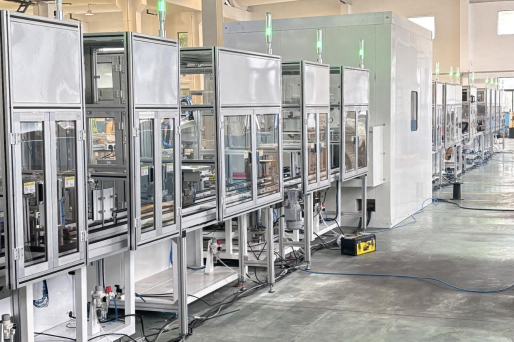
January 15th, 2026 Air Conditioner BLDC Motor Production line Dispatch to India

08

Apr

January 15th, 2026 Air Conditioner BLDC Motor Production line Dispatch to India

View More
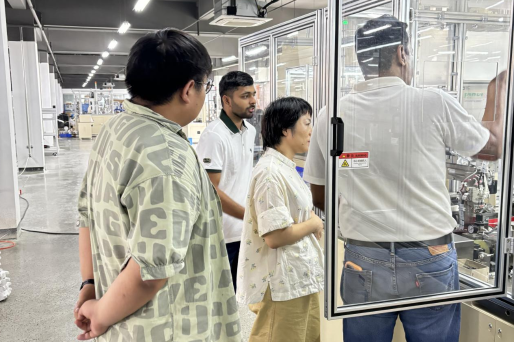
August 30th, 2025, 45W Air conditioner ODU BLDC motor Assembly line Inspection From India customer

08

Apr

August 30th, 2025, 45W Air conditioner ODU BLDC motor Assembly line Inspection From India customer

View More
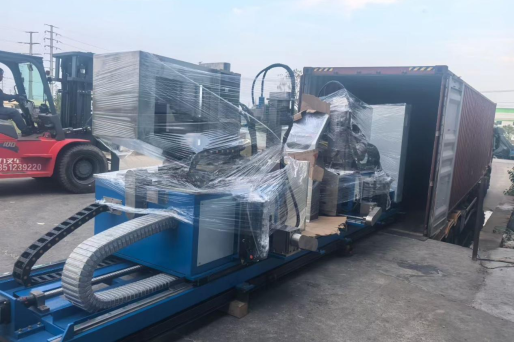
January 5th , 2026 CNC Coil Forming Machine For High Voltage Motors dispatched to UZ (Uzbekistan)

07

Apr

January 5th , 2026 CNC Coil Forming Machine For High Voltage Motors dispatched to UZ (Uzbekistan)

View More

Get a Free Quote

Our representative will contact you soon.
Email
Name
Mobile/WhatsApp
Company Name
Message
0/1000

stator punching press

Advanced Automation Technology Maximizes Production Output

Advanced Automation Technology Maximizes Production Output

The stator punching press incorporates cutting-edge automation technology that fundamentally transforms how manufacturers approach lamination production, delivering unprecedented levels of productivity while maintaining exceptional quality standards. At the heart of this automation lies sophisticated servo motor systems that control every aspect of the punching cycle with microscopic precision, adjusting ram speed, pressure, and positioning dynamically based on material characteristics and design requirements. Unlike older hydraulic systems that operate at constant speeds regardless of actual needs, servo-driven stator punching press equipment optimizes each movement for efficiency, reducing cycle times while extending die life through gentler acceleration and deceleration profiles. The programmable logic controller serves as the intelligent brain coordinating all machine functions, storing recipes for different stator designs that can be recalled instantly when switching production runs, eliminating manual adjustments and potential human error from the setup process. Automated material feeding systems continuously supply electrical steel sheets to the punching station, using precision sensors to detect proper positioning before each stroke begins, ensuring consistent alignment that directly translates to dimensional accuracy in finished laminations. Robotic stacking mechanisms integrated downstream from the punching station carefully layer each freshly stamped lamination into precise towers, applying controlled pressure to maintain flatness and alignment while preventing damage to delicate slots and teeth profiles. Vision systems inspect every single lamination as it exits the die, comparing actual dimensions against programmed specifications and automatically rejecting any pieces that fall outside tolerance windows, guaranteeing only conforming parts reach your assembly operations. The human-machine interface provides operators with intuitive touchscreen controls displaying real-time production data, machine status, and diagnostic information, empowering quick responses to any issues while minimizing the learning curve for new personnel. Remote monitoring capabilities allow maintenance teams and managers to track performance metrics from anywhere, receiving alerts about potential problems before they cause unexpected downtime, supporting proactive maintenance strategies that keep your stator punching press running at peak efficiency throughout its operational life.
Superior Precision Engineering Ensures Consistent Quality

Superior Precision Engineering Ensures Consistent Quality

Precision represents the defining characteristic that separates industrial-grade stator punching press equipment from lesser alternatives, and this precision manifests throughout every component and system within the machine architecture. The foundation begins with massive cast iron or welded steel frame construction that provides rigid support resisting deflection even under the tremendous forces generated during high-speed punching operations, maintaining dimensional stability essential for repeatable accuracy across millions of cycles. Precision linear guides manufactured to exacting tolerances control ram movement along perfectly straight vertical paths, eliminating any lateral deviation that would compromise slot positioning or create irregular lamination profiles that degrade motor performance. The die sets mounted within the stator punching press receive equal attention to precision, crafted from premium tool steels and finished through wire EDM processes achieving surface finishes measured in micrometers, ensuring clean shearing action that produces burr-free edges without work-hardening that can complicate subsequent stacking operations. Sophisticated position feedback systems continuously monitor ram location throughout each stroke, comparing actual position against programmed values thousands of times per second and making instantaneous corrections to maintain accuracy regardless of material thickness variations or die wear conditions. Temperature compensation algorithms account for thermal expansion in machine components as the equipment warms during production, automatically adjusting reference positions to maintain consistent output quality from the first piece produced in a cold start through extended production runs. The precision extends to material handling systems where feeding mechanisms position steel sheets with repeatability measured in hundredths of millimeters, critical for maintaining proper orientation between progressive die stages that sequentially form increasingly complex geometries. Tonnage monitoring systems integrated into the stator punching press continuously measure actual force applied during each punching cycle, detecting anomalies that might indicate die damage, material inconsistencies, or improper setup conditions before these issues generate defective parts or catastrophic tool failures. This comprehensive approach to precision engineering means customers receive laminations with slot openings, tooth profiles, and outer dimensions held to tolerances that optimize magnetic circuit performance while ensuring trouble-free assembly into complete stator packages.
Versatile Design Accommodates Diverse Manufacturing Requirements

Versatile Design Accommodates Diverse Manufacturing Requirements

Manufacturing environments demand flexibility to respond quickly to changing market conditions and customer specifications, and the stator punching press delivers this versatility through thoughtfully engineered design features supporting diverse production scenarios. The modular architecture allows manufacturers to configure machines with various bed sizes, tonnage capacities, and automation levels matching specific production volumes and part size ranges, ensuring you invest in appropriate capability without paying for unnecessary features while retaining upgrade paths as your business grows. Quick-change tooling systems represent perhaps the most valuable versatility feature, enabling operators to swap complete die sets in minutes rather than hours, dramatically reducing changeover time between different stator designs and making economically viable the production of smaller batch sizes that would be prohibitively expensive with traditional equipment requiring lengthy setups. The stator punching press accommodates wide ranges of material thicknesses and grades, processing everything from thin 0.2mm laminations used in high-frequency applications through thicker 0.65mm sheets common in industrial motors, with programmable parameters automatically adjusting punching force, speed, and timing to suit each material specification. Progressive die capabilities built into advanced models enable complex stator geometries to be formed through multiple sequential operations as the material indexes through various stations, creating features like skewed slots, complex notching patterns, or integrated mounting tabs that would require multiple separate machines using conventional approaches. The equipment handles both rotary and linear die configurations, supporting different manufacturing philosophies and allowing optimization based on part geometry, production volume, and existing tooling investments your facility may already possess. Stacking flexibility permits production of both loose laminations for subsequent bonding operations and interlocked designs where mechanical features lock layers together during the punching process itself, eliminating separate assembly steps. Integration capabilities ensure the stator punching press connects seamlessly with upstream material preparation equipment and downstream automated assembly systems, functioning as an optimized component within comprehensive manufacturing cells rather than isolated standalone machines. Software flexibility allows programming of complex punching sequences, variable stacking patterns, and quality control parameters without requiring specialized programming knowledge, empowering production personnel to make adjustments responding to process learning and continuous improvement initiatives that enhance overall manufacturing performance.

Get a Free Quote

Our representative will contact you soon.
Email
Name
Mobile/WhatsApp
Company Name
Message
0/1000