Comprehensive Safety Systems Protecting Workforce and Investment
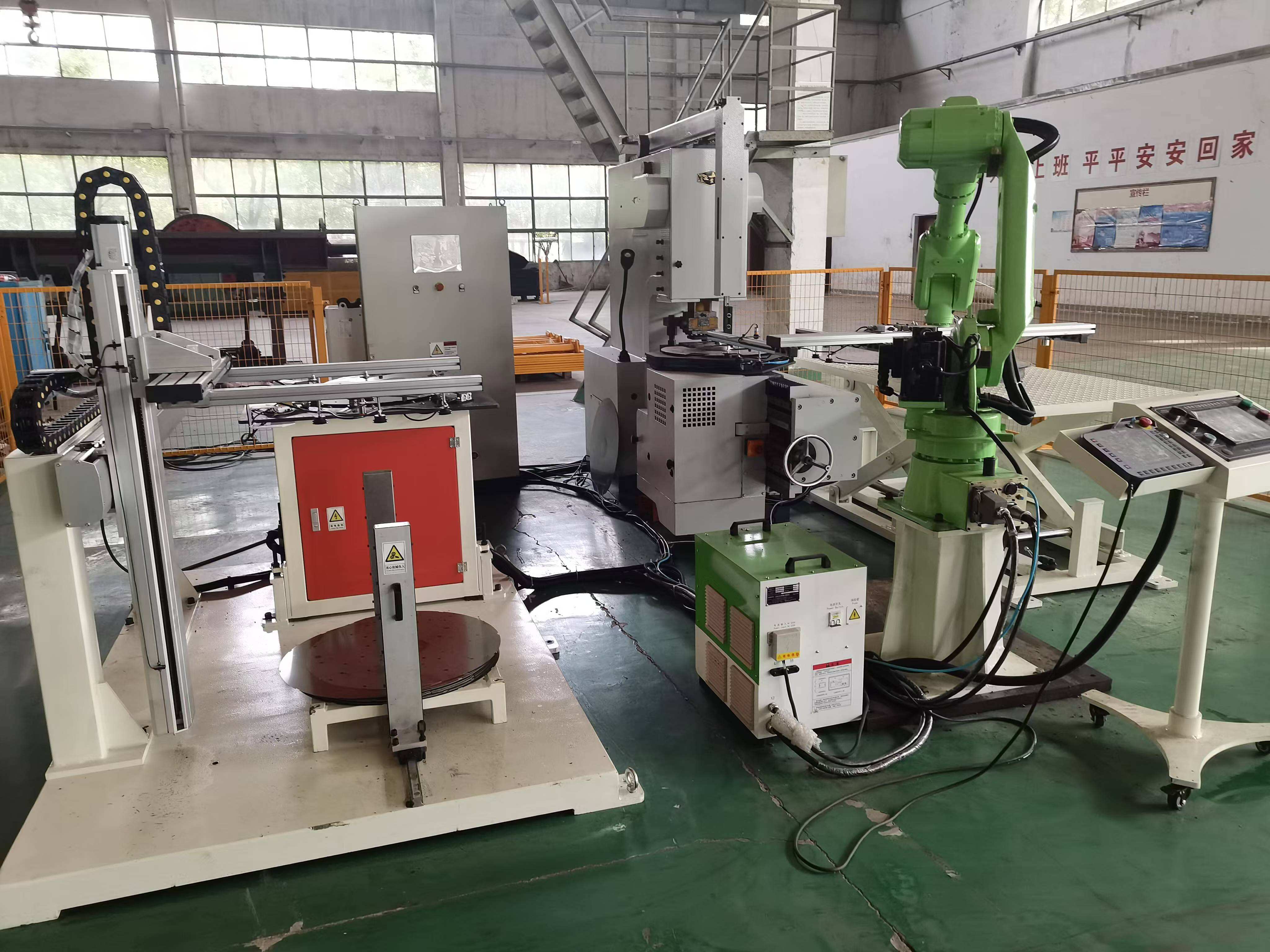
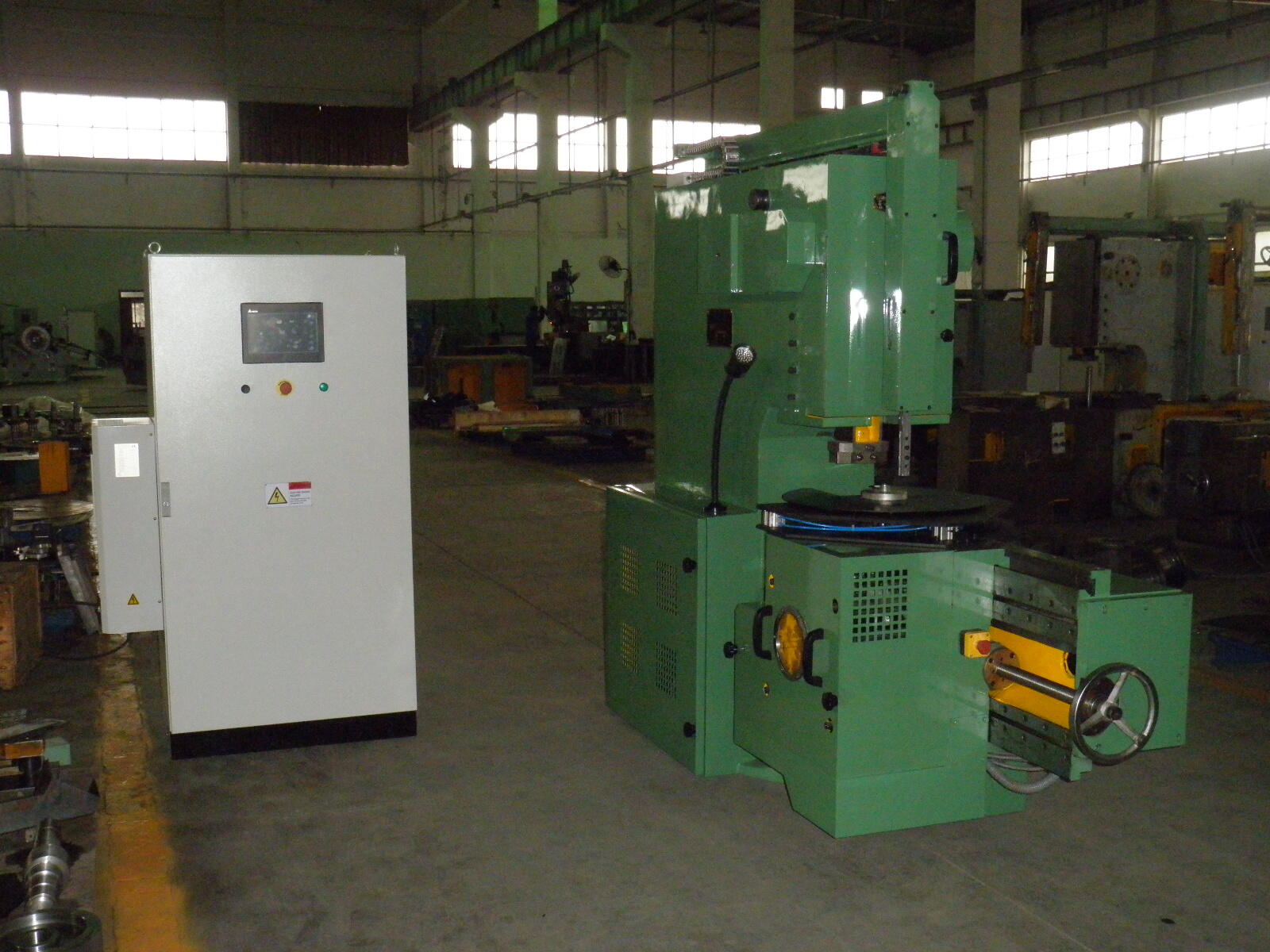
Modern stator core notching press installations prioritize comprehensive safety systems that protect both workforce wellbeing and capital equipment investments through multiple layers of protective technology. These safety features address the inherent hazards of high-force metal forming operations where tons of pressure concentrate into small cutting areas, creating risks that demand robust safeguards. The primary protection employs physical guarding that encloses the cutting zone within interlocked panels, preventing access during machine operation while allowing clear visibility for process monitoring through polycarbonate windows. These guards meet international safety standards requiring that barrier removal immediately halts machine motion, eliminating hazards before operators can reach danger zones. Two-hand control systems provide additional protection by requiring simultaneous activation of separate palm buttons positioned beyond reach of the cutting area, ensuring operators maintain safe positions during each press stroke. This control methodology prevents accidental activation while keeping hands occupied away from potential pinch points. Light curtains augment physical guards by creating invisible detection fields around equipment perimeters, stopping machine motion instantly if any object interrupts the optical beams during operation. These photosensitive systems respond within milliseconds, providing reliable protection without mechanical components subject to wear or adjustment drift. Emergency stop buttons placed at multiple locations around equipment allow immediate shutdown from any operator position, incorporating redundant control circuits that function even if primary systems fail. Pressure-sensitive safety mats installed around equipment perimeters halt operation if anyone steps into designated safety zones, providing protection during maintenance activities or abnormal operating conditions. Hydraulic or mechanical brake systems deliver rapid stopping capability, arresting die motion within fractions of an inch even during full-force strokes. This quick-stop functionality minimizes injury severity should safety systems detect hazardous conditions during operation cycles. The equipment incorporates die cushion systems that retract cutting tools automatically if material feeds incorrectly or foreign objects enter the cutting zone, preventing tool damage and potentially dangerous material ejection. Operational monitoring systems track machine performance parameters continuously, alerting operators to abnormal conditions such as excessive force requirements, unusual vibration patterns, or hydraulic pressure deviations that might indicate developing mechanical problems. These predictive warnings enable corrective maintenance before minor issues escalate into catastrophic failures that endanger personnel or require costly emergency repairs. Lockout-tagout provisions facilitate safe maintenance by providing clearly marked energy isolation points and procedures, ensuring equipment remains disabled while technicians perform service activities. Comprehensive operator training programs accompany equipment delivery, educating workers about proper operating procedures, hazard recognition, and emergency response protocols. This human factors emphasis recognizes that technology alone cannot ensure safety without knowledgeable operators who understand equipment capabilities and limitations. The combination of engineered safeguards and trained personnel creates a safety culture where accidents become rare exceptions rather than accepted risks. For manufacturing organizations, these safety systems deliver measurable value through reduced insurance premiums, lower workers compensation costs, improved employee morale, and enhanced regulatory compliance. Companies can pursue safety certifications and customer audits confidently, knowing equipment meets or exceeds industry standards. The stator core notching press thus represents not just production capability but a commitment to responsible manufacturing practices that value human welfare alongside operational efficiency.
 ×


 EN